
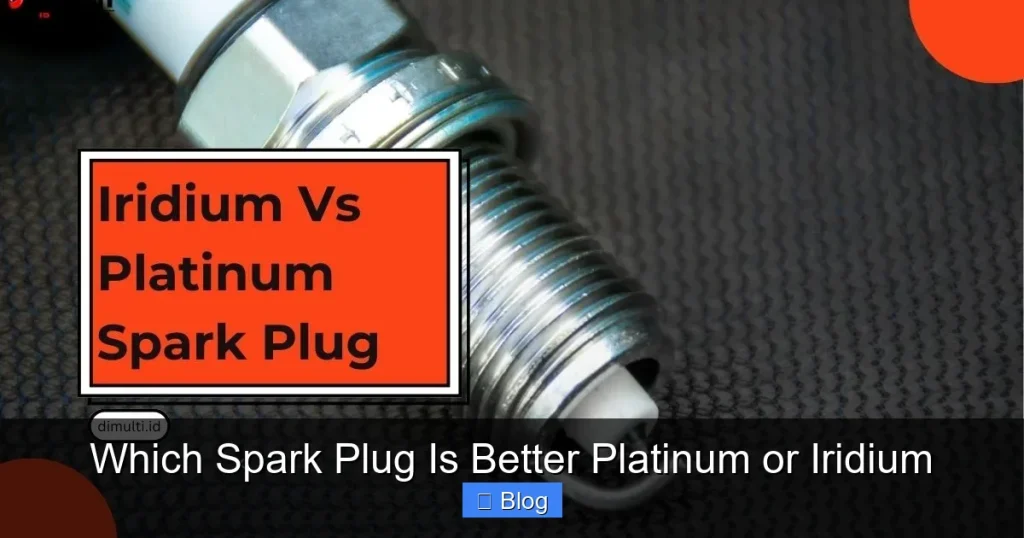
Which spark plug is better platinum or iridium? Iridium spark plugs are generally better than platinum because they last longer, handle higher temperatures, and provide a more efficient spark. However, platinum plugs are still a good, more affordable option for regular driving. The best choice depends on your engine and budget.
Iridium spark plugs are stronger and more durable than platinum, with a higher melting point and longer lifespan—often lasting up to 80,000–100,000 miles. They also require less voltage and produce a cleaner, more precise spark, which can improve engine efficiency and performance.
On the other hand, platinum spark plugs are cheaper and still offer good durability compared to older copper plugs. They work well for everyday vehicles, but they don’t last as long or perform as efficiently as iridium. Always follow your car manufacturer’s recommendation for the best results.
Key Takeaways
- Iridium spark plugs last longer—typically 60,000 to 100,000 miles—thanks to their ultra-hard electrode material.
- Platinum plugs offer reliable performance and are ideal for modern engines with electronic ignition systems.
- Iridium provides a stronger spark, improving cold starts, fuel efficiency, and throttle response.
- Platinum is more affordable upfront, making it a cost-effective choice for many drivers.
- Check your owner’s manual—always use the spark plug type recommended by your vehicle manufacturer.
- Premium materials don’t always mean better—match the plug to your engine’s design and needs.
- Installation matters—even the best spark plug won’t perform well if gapped or installed incorrectly.
Quick Answers to Common Questions
Tip/Question?
Can I mix platinum and iridium spark plugs in the same engine?
No. Always use the same type and brand of spark plug across all cylinders. Mixing types can cause uneven combustion and engine damage.
Tip/Question?
Do iridium spark plugs improve horsepower?
Not directly, but they can improve throttle response and combustion efficiency, which may feel like more power—especially in high-performance engines.
Tip/Question?
How often should I replace my spark plugs?
Check your owner’s manual. Platinum plugs: every 30,000–60,000 miles. Iridium: every 60,000–100,000 miles. Replace sooner if you notice performance issues.
Tip/Question?
Are iridium plugs worth the extra cost?
Yes, if you keep your car for many years. The longer lifespan and better performance often justify the higher upfront price.
Tip/Question?
Can I clean and reuse spark plugs?
It’s not recommended. Cleaning can damage the electrode, and worn plugs lose efficiency. Always replace them for optimal performance.
Step-by-Step: How to Choose the Right Spark Plug
Now that you know the differences, here’s how to pick the right spark plug for your vehicle.
Step 1: Check Your Owner’s Manual
Always start here. Your vehicle manufacturer specifies the recommended spark plug type, heat range, and gap size. Using the wrong plug can cause misfires, poor fuel economy, or even engine damage. Look for terms like “iridium,” “platinum,” or “double platinum” in the specifications.
Step 2: Consider Your Driving Habits
If you drive mostly short distances in stop-and-go traffic, you’ll benefit from a plug that performs well in cold starts—iridium is ideal. If you take long highway trips, either type will work, but iridium’s longevity may save you money over time.
Step 3: Evaluate Your Engine Type
High-performance, turbocharged, or direct-injection engines often require the precision of iridium plugs. Older or simpler engines may run perfectly fine with platinum. Some performance cars even come pre-equipped with iridium plugs from the factory.
Step 4: Factor in Budget
Iridium plugs cost more upfront—sometimes double the price of platinum. But because they last longer, the cost per mile may be lower. Calculate how long you plan to keep your car. If it’s more than 5 years, iridium could be the smarter investment.
Step 5: Look at the Gap and Heat Range
Even the best spark plug won’t work if it’s not gapped correctly. Use a gap tool to measure the space between electrodes. Also, ensure the heat range matches your engine’s needs—too hot or too cold can cause pre-ignition or fouling.
Installation Tips for Best Performance
Choosing the right plug is only half the battle. Proper installation ensures it performs as expected.
Visual guide about Which Spark Plug Is Better Platinum or Iridium
Image source: partsavatar.ca
Introduction: Why Your Spark Plug Choice Matters
You might not think about spark plugs often, but they play a critical role in your car’s performance. Every time your engine fires, it’s because a spark plug ignited the air-fuel mixture in the combustion chamber. Choosing the right type—especially between platinum and iridium—can affect fuel economy, engine smoothness, emissions, and how often you’ll need replacements.
Visual guide about Which Spark Plug Is Better Platinum or Iridium
Image source: mechanictimes.com
In this guide, we’ll walk you through everything you need to know to decide: Which spark plug is better—platinum or iridium? We’ll compare their materials, performance, lifespan, cost, and real-world applications. Whether you’re a DIY mechanic or just curious about car maintenance, this guide will help you make an informed decision.
What Are Spark Plugs and Why Do They Matter?
Spark plugs are small but mighty components located in your engine’s cylinder head. Their job is simple: create a spark that ignites the compressed air-fuel mixture, powering your vehicle. But not all spark plugs are created equal. The materials used in the center electrode—like copper, platinum, or iridium—determine how well the plug performs and how long it lasts.
How Spark Plugs Work
When your engine runs, the spark plug receives high-voltage electricity from the ignition coil. This electricity jumps across a tiny gap between the center and ground electrodes, creating a spark. That spark ignites the fuel, causing a small explosion that pushes the piston down—turning your wheels.
Why Material Matters
The electrode material affects how well the spark forms, how resistant the plug is to wear, and how efficiently it transfers heat. Softer metals like copper wear down quickly. Harder metals like platinum and iridium last longer and maintain a consistent spark over time.
Platinum vs. Iridium: A Head-to-Head Comparison
Now let’s dive into the main event: platinum vs. iridium spark plugs. Both are premium options compared to standard copper plugs, but they have distinct advantages and trade-offs.
What Is a Platinum Spark Plug?
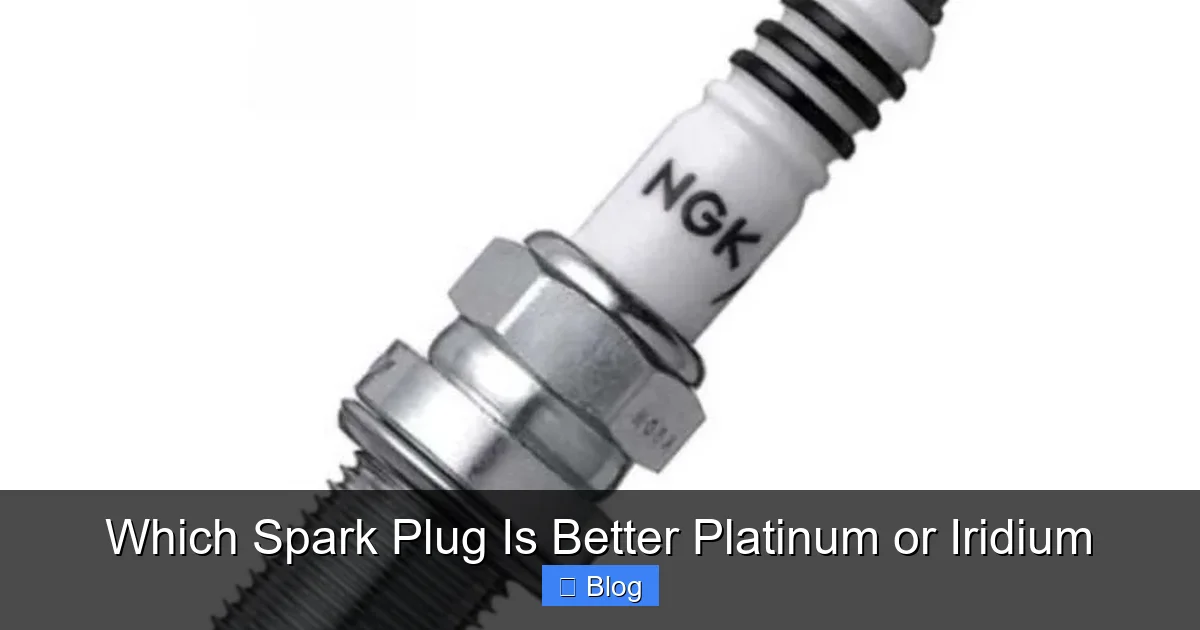
Platinum spark plugs use a platinum-tipped center electrode instead of copper. Platinum is harder and more heat-resistant than copper, which means the electrode wears down more slowly. Most platinum plugs also feature a platinum disc welded to the ground electrode for added durability.
What Is an Iridium Spark Plug?
Iridium spark plugs take durability a step further. Iridium is one of the hardest metals used in spark plugs—about six times harder than platinum. The center electrode is often laser-welded and can be made as thin as a needle, allowing for a stronger, more focused spark with less voltage required.
Performance Differences
Iridium plugs generally deliver a more consistent and powerful spark. This leads to smoother idling, better cold starts, and improved fuel efficiency. Platinum plugs still perform well but may not offer the same level of precision, especially in high-performance or turbocharged engines.
Lifespan and Durability
Here’s where iridium pulls ahead. Iridium spark plugs typically last 60,000 to 100,000 miles, while platinum plugs usually last 30,000 to 60,000 miles. That means fewer replacements and less maintenance over time.
At a Glance: Platinum vs. Iridium Spark Plugs
| Feature | Platinum | Iridium |
|---|---|---|
| Electrode Material | Platinum (center and sometimes ground electrode) | Iridium (ultra-thin center electrode) |
| Lifespan | 30,000 – 60,000 miles | 60,000 – 100,000 miles |
| Spark Efficiency | Good, reliable spark | Excellent, stronger and more focused spark |
| Cold Start Performance | Good in most conditions | Superior, especially in cold weather |
| Cost | $5 – $12 per plug | $8 – $18 per plug |
| Best For | Daily drivers, modern cars with electronic ignition | High-performance engines, turbocharged vehicles, long-term savings |
Use the Right Tools
You’ll need a spark plug socket (usually 5/8” or 13/16”), a torque wrench, and a gap tool. Avoid using regular wrenches—they can damage the plug or strip the threads in the cylinder head.
Torque to Spec
Over-tightening can crack the plug insulator. Under-tightening can cause leaks or overheating. Always follow the manufacturer’s torque specification—usually between 10 and 20 ft-lbs.
Replace All Plugs at Once
Even if only one plug is bad, replace all of them. Mismatched plugs can cause uneven combustion and reduce performance.
Troubleshooting Common Spark Plug Issues
Even with the best plugs, problems can arise. Here’s how to spot and fix common issues.
Misfiring Engine
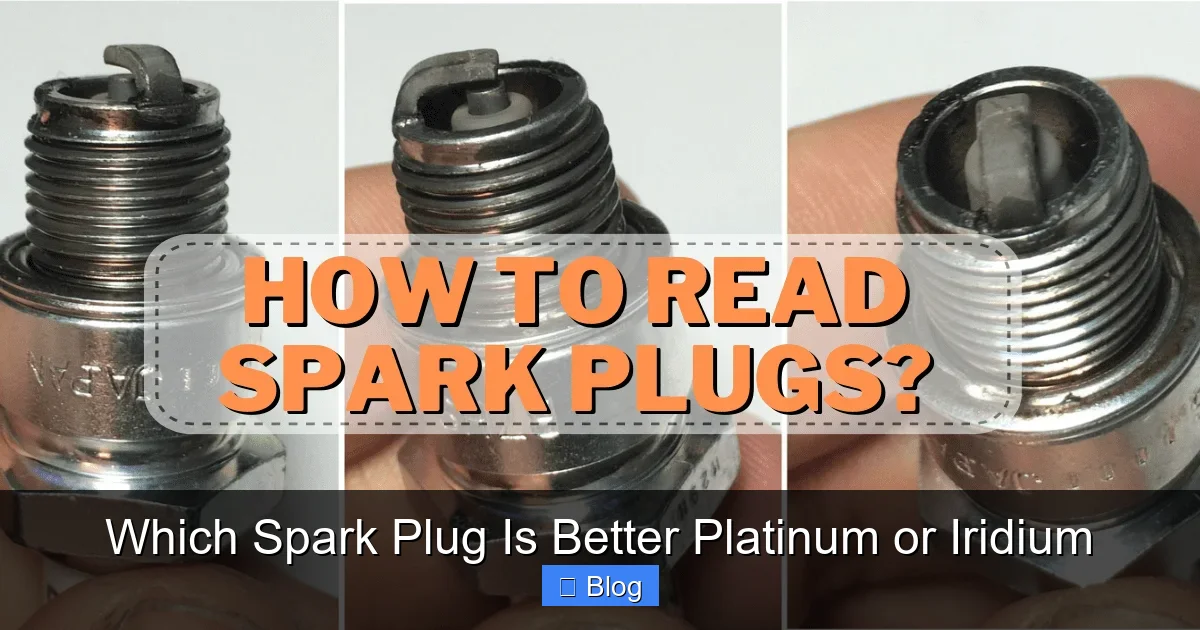
If your car hesitates or shakes during acceleration, a worn or fouled spark plug could be the culprit. Remove and inspect the plugs. Look for black soot (rich fuel mixture), oil deposits (worn piston rings), or white deposits (overheating).
Poor Fuel Economy
A weak spark from a degraded plug can cause incomplete combustion, wasting fuel. Upgrading to iridium may restore efficiency, especially in older vehicles.
Hard Starting
If your engine cranks but won’t start, especially in cold weather, the spark plug may not be firing consistently. Iridium plugs often solve this issue due to their superior spark quality.
Conclusion: Which Spark Plug Is Better?
So, which spark plug is better—platinum or iridium? The answer depends on your vehicle, driving style, and budget.
Iridium spark plugs are the top choice for performance, longevity, and efficiency. They’re ideal for modern, high-tech engines and drivers who want fewer replacements and better cold-weather starts.
Platinum spark plugs are a solid, cost-effective option for everyday driving. They offer reliable performance and are often recommended for factory installations in many mainstream vehicles.
Ultimately, the best spark plug is the one that matches your car’s specifications and your long-term goals. When in doubt, follow your owner’s manual—and when upgrading, consider iridium for the best balance of performance and durability.

Sagor Jahan is the founder and author of Automopromo.com, dedicated to delivering insightful tips, reviews, and updates in the automotive and promotional industry. With a passion for innovation and clear guidance, Sagor helps readers make informed decisions and stay ahead in the ever-evolving automotive world.

