Your vehicle’s tire pressure monitoring system (TPMS) sensors typically last between 5 to 7 years, though their lifespan can range from 3 to 10 years. The primary factor determining how long tire sensors last is the life of their internal battery, which is non-replaceable. Factors like driving habits, environmental conditions, and maintenance practices significantly influence their longevity. Recognizing the signs of failing sensors and understanding replacement options are crucial for maintaining optimal tire safety and performance.
How Long Do Tire Sensors Last?
Have you ever wondered about those little guardians inside your tires that keep an eye on your air pressure? We’re talking about TPMS (Tire Pressure Monitoring System) sensors! These clever devices are super important for your safety and your car’s performance. But like all good things, they don’t last forever. So, a common question many car owners have is: How long do tire sensors last?
In this comprehensive guide, we’re going to dive deep into everything you need to know about the lifespan of your tire sensors. We’ll cover what they are, what makes them tick (or stop ticking), the signs they might be giving up, and what you can do to keep them going strong for as long as possible. Let’s get started!
Key Takeaways
- Average Lifespan: Most TPMS sensors last 5-7 years, with a potential range of 3-10 years, primarily limited by their sealed internal battery.
- Battery is Key: Unlike regular batteries, TPMS sensor batteries are non-replaceable, meaning the entire sensor needs replacement once its battery dies.
- Factors Affecting Longevity: Driving habits, environmental conditions (extreme heat/cold), mileage, and proper tire service practices all impact how long tire sensors last.
- Warning Signs: A blinking TPMS light, inaccurate readings, or the inability for sensors to relearn after tire service often indicate a failing sensor.
- Replacement is Crucial: When sensors fail, they must be replaced to ensure your TPMS system functions correctly, providing vital safety warnings.
- Professional Installation: Due to specialized tools and programming requirements, professional installation and relearning procedures are highly recommended for new sensors.
- Cost Considerations: Replacing a full set of TPMS sensors typically costs between $200 and $600, including parts and labor, depending on the vehicle and sensor type.
Quick Answers to Common Questions
How can I tell if my TPMS sensor battery is low?
The most common sign of a low TPMS sensor battery is a blinking TPMS warning light on your dashboard that eventually stays solid. A professional diagnostic tool can also specifically read the battery life of each sensor.
Can I replace TPMS sensor batteries myself?
No, TPMS sensor batteries are sealed inside the sensor unit and are not designed to be replaceable. When the battery dies, the entire sensor needs to be replaced.
Will my TPMS sensors last longer if I don’t drive much?
Yes, generally, TPMS sensors will last longer in vehicles that are driven less frequently. This is because the sensors are in an active transmission mode more often when the vehicle is in motion, leading to faster battery drain.
Do all cars have TPMS sensors?
In the United States, all passenger vehicles manufactured after September 1, 2007, are legally required to have a TPMS. So, most modern cars on the road today will have them.
Is it safe to drive with a faulty TPMS sensor?
While a faulty sensor itself won’t directly impact driving, it means your TPMS system isn’t monitoring your tire pressure. This removes an important safety feature, as you won’t be warned of dangerously low tire pressure, which could lead to blowouts or poor handling.
Understanding TPMS Sensors and Their Lifespan
Before we talk about how long they last, let’s quickly explain what a TPMS sensor actually is.
What Exactly is a TPMS Sensor?
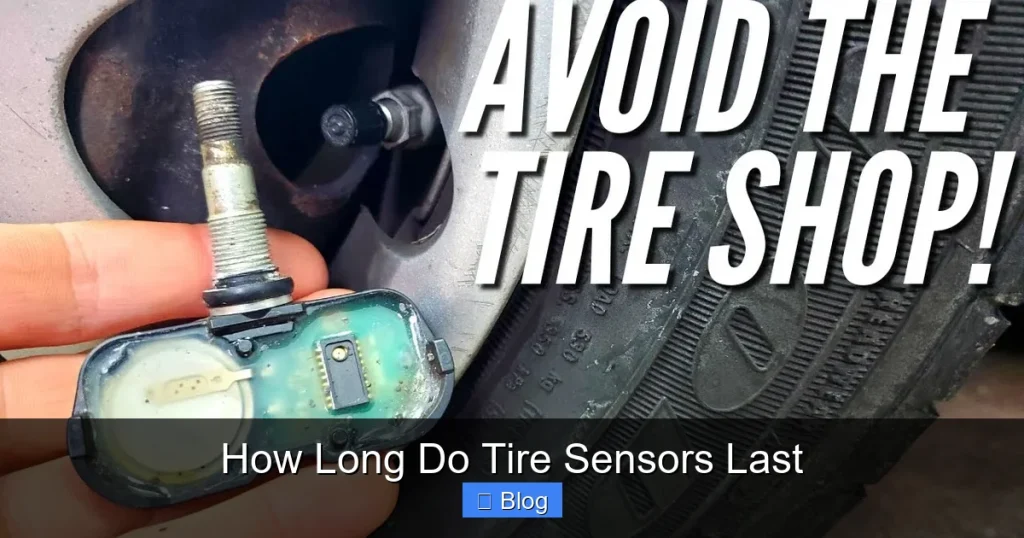
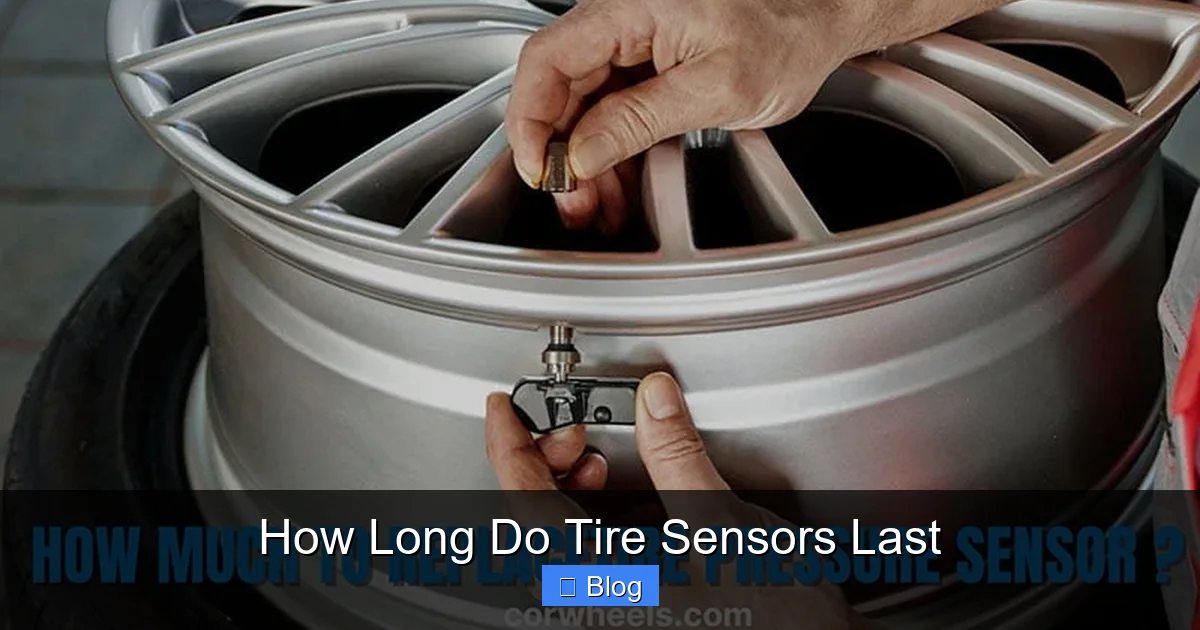
A TPMS sensor is a small electronic device usually attached to the valve stem inside each of your car’s tires. Its main job is to constantly monitor the air pressure and temperature within the tire. If the pressure drops too low (or gets too high, in some advanced systems), it sends a signal to your car’s computer, which then illuminates the TPMS warning light on your dashboard. This warning tells you to check your tires, helping prevent dangerous blowouts, improving fuel economy, and extending tire life.
Typical Lifespan Expectations
So, to answer the big question: how long do tire sensors last? Generally speaking, TPMS sensors are designed to last anywhere from 3 to 10 years. However, the most common and realistic lifespan you can expect is between 5 to 7 years.
Why such a range? The primary reason is their power source. Each sensor contains a small, sealed, non-replaceable battery. Think of it like a tiny watch battery, but built right into the sensor itself. Once this battery runs out of juice, the entire sensor stops working and needs to be replaced. You can’t just pop open the sensor and swap out the battery.
This battery is constantly working, even when your car is parked, though it often goes into a “sleep” mode to conserve power. When you’re driving, it wakes up and actively transmits data. Over time, all this work drains the battery.
Factors Affecting How Long Tire Sensors Last
Visual guide about How Long Do Tire Sensors Last
Image source: carsensorhub.com
Several factors can influence exactly how long your tire sensors last. Understanding these can help you manage your expectations and potentially extend their life.
Driving Habits
The way you drive can have an impact.
- Frequency of Driving: The more you drive, the more often your sensors are “awake” and transmitting data, leading to faster battery drain. Cars driven daily will likely see sensors wear out quicker than those driven only on weekends.
- Speed: Higher speeds can generate more heat within the tire, which can sometimes slightly accelerate battery degradation.
- Terrain: While not a major factor, very rough or bumpy terrain could theoretically put more stress on the physical components of the sensor over a very long period, but battery life remains the dominant factor.
Environmental Conditions
Temperature plays a significant role in battery life.
- Extreme Heat: Prolonged exposure to very hot climates or consistently high tire temperatures (from hard driving or under-inflation) can significantly shorten the lifespan of the sensor’s internal battery. Heat is a known enemy of most batteries.
- Extreme Cold: While not as damaging as heat, very cold temperatures can temporarily reduce battery performance and capacity, though they don’t usually cause permanent damage unless extreme and prolonged.
Tire Servicing Practices
How your tires are handled during routine maintenance can affect your sensors.
- Improper Installation/Removal: During tire changes, rotations, or repairs, sensors can be accidentally damaged if not handled correctly. A technician using the wrong tools or technique can crack the sensor housing, damage the valve stem, or dislodge the internal components. This isn’t about battery life, but about physical damage shortening the sensor’s overall life.
- Use of Harsh Chemicals: Some aggressive tire cleaners or wheel chemicals can potentially degrade the plastic or rubber components of the sensor over time, leading to early failure.
Sensor Type
Not all sensors are created equal.
- OEM vs. Aftermarket: Original Equipment Manufacturer (OEM) sensors, designed specifically for your car, often have a longer and more consistent lifespan compared to some aftermarket options. While aftermarket sensors can be more affordable, their quality and battery life can vary widely.
- Universal Sensors: These are programmable sensors that can be configured for different vehicle types. Their longevity usually falls within the average range but can depend on the specific brand and quality.
Mileage
Simply put, the more miles your car accumulates, the more cycles your TPMS sensors have gone through. While miles themselves don’t directly correlate to battery wear as much as time and active use do, a high-mileage vehicle generally means more time the sensors have been active.
Signs Your Tire Sensors Are Failing

Visual guide about How Long Do Tire Sensors Last
Image source: corwheels.com
It’s important to recognize when your TPMS sensors might be on their way out. Catching these signs early can save you headaches later.
The TPMS Warning Light
This is the most obvious indicator.
- Solid Light: A solid TPMS light usually means one or more tires have low pressure. After you inflate the tires to the correct pressure, the light should turn off within a few miles of driving. If it doesn’t, or if it comes back on without a pressure drop, it could indicate a sensor issue.
- Blinking Light: A blinking TPMS light (it usually blinks for 60-90 seconds before staying solid) almost always indicates a malfunction in the TPMS system itself, not just low tire pressure. This is a strong sign that one or more sensors have failed, often due to a dead battery.
Inaccurate Readings
If you have a system that displays individual tire pressures, you might notice one sensor giving an odd reading. For example, if you know all your tires are at 35 PSI, but one sensor consistently reports 28 PSI, it could be faulty. Always double-check with a reliable manual tire gauge to confirm the actual pressure.
Failure to Relearn
After rotating your tires, installing new tires, or replacing a sensor, the TPMS system often needs to be “relearned” so the car’s computer knows which sensor is where. If a sensor fails to relearn, even after multiple attempts or professional tools, its internal battery might be too weak to transmit the necessary signal.
Battery Warning
Some advanced diagnostic tools can tell you when a specific sensor’s battery is low, even before it completely dies. Your mechanic might pick up on this during routine service.
What to Do When Your Tire Sensors Fail
When you suspect one or more of your tire sensors are failing, here’s a step-by-step guide on what to do.
Step 1: Confirm the Issue
H3: Visual Check and Manual Gauge
First, physically check your tires. Are any visibly low? Use a reliable tire pressure gauge to check the pressure in all four tires. If they are all at the correct pressure, but your TPMS light is still on (especially if it’s blinking), then it’s highly likely a sensor issue.
H3: Professional Diagnosis
The best way to confirm a failing sensor is to take your vehicle to a reputable tire shop or mechanic. They have specialized TPMS diagnostic tools that can communicate directly with each sensor. These tools can read battery life, sensor IDs, and often pinpoint exactly which sensor is failing.
Step 2: Decide on Replacement
H3: Replacing Individual vs. All Sensors
If only one sensor has failed, you might be tempted to replace just that one. However, remember that all your sensors were likely installed at the same time and have experienced similar conditions. If one sensor battery has died, it’s often a good indication that the others are not far behind. Many experts recommend replacing all four sensors at once to avoid having to come back repeatedly as each sensor fails individually over the next few months. This can save you money on labor in the long run.
Step 3: Choose the Right Sensor
H3: OEM Sensors
These are identical to the sensors that came with your vehicle from the factory. They are typically the most reliable and have guaranteed compatibility, but they are also usually the most expensive.
H3: Aftermarket Sensors
Many reputable brands offer aftermarket sensors that are designed to be compatible with various vehicles. Quality can vary, so it’s wise to choose a known brand or consult with your mechanic for recommendations. They are generally more affordable than OEM.
H3: Universal/Programmable Sensors
These sensors can be programmed to mimic the signals of many different OEM sensors. They offer great flexibility for repair shops but still need to be properly programmed for your specific vehicle.
Step 4: Professional Installation
H3: Why Professional Installation is Recommended
Replacing TPMS sensors is not a simple DIY job for most people.
- Specialized Tools: Technicians use specific tire mounting and dismounting machines that are designed to avoid damaging the delicate sensors.
- Sensor Placement: The sensors need to be correctly seated and torqued to prevent air leaks or detachment inside the tire.
- Relearn Procedure: After installation, the new sensors must be “relearned” by your car’s computer. This process varies significantly between vehicle makes and models. Some cars have an auto-relearn feature, others require a specific driving pattern, and many need a specialized TPMS tool to activate and register the new sensors. Without proper relearning, the TPMS warning light will remain on.
Step 5: Relearn Procedure
As mentioned, this is a critical step. Once the new sensors are installed, the car needs to recognize them. Your mechanic will perform the appropriate relearn procedure for your vehicle. This might involve driving the car for a certain distance, pressing a sequence of buttons, or using a diagnostic tool.
Tips for Extending Your Tire Sensor’s Life
While you can’t magically recharge a dead TPMS battery, there are a few things you can do to potentially maximize how long tire sensors last.
Regular Tire Maintenance
H3: Maintain Correct Tire Pressure
Consistently driving with correctly inflated tires reduces stress on the tire and, indirectly, on the sensor. Under-inflated tires generate more heat, which can accelerate battery degradation over time.
H3: Timely Tire Rotations and Balancing
Regular rotations ensure even wear, and proper balancing reduces vibrations, which can subtly extend the life of all tire components, including sensors. Make sure your technician is aware of the TPMS sensors during these services.
Avoid Harsh Chemicals
When cleaning your wheels, use pH-neutral wheel cleaners. Harsh, acidic, or alkaline cleaners can potentially degrade the rubber or plastic components of the sensor’s exterior, leading to premature failure.
Gentle Tire Changes
Always inform your tire technician that your vehicle has TPMS sensors before they begin any tire work. This reminds them to be extra careful and use tools designed to work around the sensors, preventing accidental damage during mounting and dismounting.
Proper Storage (if applicable)
If you swap between summer and winter tires, ensure your off-season tire sets are stored in a cool, dry place. Extreme temperatures during storage can also impact the long-term health of the sensor batteries.
Troubleshooting Common TPMS Issues
Sometimes, the TPMS light might come on, and it’s not always a dead sensor battery. Here are a few common scenarios.
TPMS Light On After Tire Change or Rotation
This is incredibly common. Often, the sensors are fine, but the car simply hasn’t “relearned” their new positions. Sometimes, a quick drive (check your owner’s manual for specifics) is enough. Other times, a shop needs to perform a manual relearn. Less often, a sensor might have been accidentally damaged during the service.
False Alarms Due to Temperature Changes
Tire pressure fluctuates with temperature. A significant drop in ambient temperature (e.g., first cold snap of winter) can cause tire pressure to drop, triggering the TPMS light. Simply inflating your tires to the correct pressure should resolve this.
Light Stays On Even After Inflation
If you’ve checked and inflated your tires to the correct pressure, and the TPMS light remains stubbornly on (and isn’t blinking), it’s likely a sensor issue or a system malfunction beyond just low pressure. This is when professional diagnosis is needed.
Cost of Replacing Tire Sensors
Knowing how long tire sensors last is one thing, but understanding the cost of replacement is another important consideration. The total cost to replace TPMS sensors can vary significantly based on your vehicle’s make and model, the type of sensor chosen (OEM vs. aftermarket), and labor rates.
On average, you can expect to pay:
- Parts: $30 to $100+ per sensor. OEM sensors for luxury vehicles can be on the higher end.
- Labor: $50 to $150 per wheel (this includes dismounting the tire, replacing the sensor, remounting and balancing the tire, and performing the relearn procedure).
So, replacing all four sensors could range from $200 to $600 or more. While it might seem like a significant expense, remember that working TPMS sensors are a crucial safety feature.
Conclusion
Understanding how long tire sensors last is key to maintaining your vehicle’s safety and performance. These small, battery-powered devices are designed to keep you informed about your tire pressure, preventing accidents and saving you money on fuel and tire wear. With an average lifespan of 5-7 years, it’s inevitable that they will eventually need replacement.
By recognizing the signs of failure, choosing the right replacement sensors, and opting for professional installation, you can ensure your TPMS system remains a reliable guardian on the road. Don’t overlook the importance of these unsung heroes in your wheels – they’re always working to keep you safe!

Sagor Jahan is the founder and author of Automopromo.com, dedicated to delivering insightful tips, reviews, and updates in the automotive and promotional industry. With a passion for innovation and clear guidance, Sagor helps readers make informed decisions and stay ahead in the ever-evolving automotive world.