A properly installed tire patch can significantly extend your tire’s life, often for its remaining lifespan, making it a reliable solution for minor punctures. However, it’s crucial to understand that not all repairs are equal, and factors like damage location and repair quality play a vital role in determining continued safety. Regular inspections, maintaining proper tire pressure, and vigilance for warning signs are key to ensuring continued safety when driving on a patched tire, reminding you that safety should always be your top priority.
How Long Can You Drive on a Patched Tire?
Hitting a nail or sharp debris on the road is an all too common and frustrating experience for any driver. The immediate thought is often, “Oh no, a new tire!” But thankfully, for many minor punctures, a simple tire patch can save the day – and your wallet. However, once your tire is patched, a crucial question often arises: “How long can I safely drive on this patched tire?” It’s a question that many drivers ponder, and getting the right answer is essential for your safety and the longevity of your vehicle.
This comprehensive guide is designed to give you all the information you need about driving on a patched tire. We’ll explore what makes a repair safe, the factors that influence how long a patched tire can last, essential maintenance tips, and, most importantly, when it’s absolutely time to replace the tire, regardless of a prior patch. By the end of this guide, you’ll have a clear understanding of best practices, ensuring your peace of mind on the road.
Key Takeaways
- Proper Repair is Key: A professional, internal patch-plug repair, done correctly, can make a tire safe for its full remaining lifespan under normal conditions.
- Location Matters Most: Patches are generally safe for punctures in the tread area. Damage to the tire’s sidewall or shoulder area is almost always irreparable and requires tire replacement.
- Monitor Tire Pressure Regularly: Even after a patch, consistent tire pressure checks are vital. A slow leak could indicate a faulty repair or new damage.
- Understand Limitations: Patches are designed for single, small punctures (typically under 1/4 inch). Multiple punctures, large damage, or damage from run-flat driving often necessitate tire replacement.
- Observe Driving Habits: Avoid aggressive driving, heavy loads, or excessively high speeds on a newly patched tire. These can put undue stress on the repair.
- Perform Visual Inspections: Periodically check the patched area for any signs of bulging, cracking, or separation. Also, inspect the tire for general wear and tear.
- Know When to Replace: If you notice vibrations, recurring pressure loss, or any visual deformity around the patch, it’s time to have the tire professionally inspected or replaced.
Quick Answers to Common Questions
Can I patch a tire myself?
While DIY string plug kits exist, they are generally temporary fixes, not permanent repairs. For true safety and longevity, always opt for a professional patch-plug repair performed by a certified technician. They have the expertise and tools to ensure the repair is done correctly and safely from the inside of the tire.
What if my tire was patched on the sidewall?
If your tire was patched on the sidewall, you should replace it immediately. Sidewall damage is almost universally considered irreparable because the sidewall flexes too much during driving for a patch to hold reliably. Driving on a sidewall-patched tire is extremely dangerous and significantly increases the risk of a blowout.
How often should I check a patched tire’s pressure?
You should check the pressure of all your tires, including a patched one, at least once a month and before any long trip. However, for a newly patched tire, it’s wise to check the pressure weekly for the first few weeks to ensure the patch is holding perfectly and there are no slow leaks.
Will a patch affect my tire’s balance?
A proper patch-plug repair adds a very small amount of weight to the tire. While often negligible, it’s a good practice to have the tire re-balanced after a repair, especially if you notice any new vibrations at certain speeds. An unbalanced wheel can lead to uneven wear and ride discomfort.
Can I drive at highway speeds on a patched tire?
If the tire was properly patched by a professional in the safe tread area, and you’ve verified it’s holding pressure without issue, it should be safe for normal highway speeds. However, avoid excessively high speeds or aggressive driving immediately after a fresh patch, and always be mindful of the tire’s overall condition and age.
Understanding What a Tire Patch Is (And Isn’t)
Before we dive into longevity, it’s vital to clarify what constitutes a proper tire repair. Not all “fixes” are equal, and misunderstanding this can put your safety at risk.
The Proper Repair: Patch-Plug Combination
When a professional tire shop repairs a tire, they typically perform a “patch-plug” repair. This involves two critical steps:
- Plugging the Hole: A rubber plug is inserted from the inside out to fill the puncture channel, preventing air from escaping.
- Patching the Interior: A separate, strong rubber patch is then applied and sealed over the internal opening of the puncture, creating a durable, airtight seal from the inside.
This combination is considered the industry standard for a permanent repair. It addresses both the integrity of the tire’s inner liner and the hole itself. A properly executed patch-plug repair by a qualified technician is designed to restore the tire’s strength and air retention capabilities, often for the entire remaining lifespan of the tire.
The Temporary Fix: String Plugs
You might have seen or even used a “string plug” kit purchased from an auto parts store. These involve pushing a sticky, string-like piece of rubber into the puncture from the outside. While these can temporarily stop a leak and get you to a repair shop, they are generally NOT considered a permanent or safe solution for long-term driving. String plugs don’t properly seal the tire’s inner liner and can hide internal damage that needs professional assessment. If you’ve used a string plug, consider it a temporary measure and get a professional inspection and patch-plug repair as soon as possible. Driving on a string-plugged tire for an extended period is not recommended.
Factors Affecting How Long a Patched Tire Lasts
The question of “how long can you drive on a patched tire” doesn’t have a single, definitive answer. Several critical factors influence the lifespan and safety of your patched tire.
Location of the Puncture
This is arguably the most critical factor.
- Tread Area: Punctures confined to the central tread area (the flat part that contacts the road) are generally excellent candidates for a patch-plug repair. This is where the tire’s construction is most robust and designed to handle punctures.
- Shoulder Area: This is the transitional zone between the tread and the sidewall. Repairs here are often risky or not recommended because this area flexes significantly during driving, which can compromise the patch. Many manufacturers and tire experts advise against patching in this zone.
- Sidewall: Punctures in the sidewall are almost universally *not* repairable. The sidewall is designed to flex and bear the vehicle’s weight, and a patch cannot reliably withstand these dynamic forces. A sidewall puncture almost always means you need a new tire.
Size of the Puncture
Tire industry guidelines recommend that punctures larger than 1/4 inch (about 6mm) in diameter are generally not safe to repair. The structural integrity of the tire is too compromised, and a patch may not hold effectively. For punctures exceeding this size, your patched tire will likely require replacement.
Angle of the Puncture
A straightforward, perpendicular puncture (like a nail straight into the tread) is easier to repair than an angled or jagged tear. Angled punctures can cause more internal damage or a wider channel, making a reliable seal difficult.
Quality of the Repair
As mentioned, a professional patch-plug repair is key. A shoddy repair job, even on a suitable puncture, can quickly fail. Ensure your repair is done by a certified technician using proper materials and techniques. If you’re questioning the quality of a previous repair, it’s always best to get a second opinion.
Previous Damage or Multiple Punctures
If your tire has already sustained multiple punctures in close proximity, or if it has been driven significant distances while flat (which can cause internal damage to the sidewall), a patch might not be sufficient or safe. A tire is typically designed for only one patch per repairable area. If your tire has seen multiple repairs, it might be time for replacement.
Age and Condition of the Tire
Even a perfectly patched tire eventually wears out. If your tire is nearing the end of its tread life or is already several years old (tires generally have a lifespan of 6-10 years, regardless of tread), then investing in a patch might be a short-term fix on an otherwise aging tire. The overall condition of the tire – its remaining tread depth, signs of dry rot, or other structural issues – will also dictate how much longer you can safely drive on it.
Your Driving Habits
How you drive also impacts the patched tire. Aggressive driving, sudden braking, high speeds, or carrying heavy loads can put extra stress on any tire, including a patched one. If you frequently engage in such driving, the longevity of your patched tire might be reduced.
Immediate Aftercare for a Newly Patched Tire
Once your tire has been professionally patched, a few steps are important in the immediate aftermath to ensure the repair holds.
Drive Cautiously
For the first 50-100 miles, avoid aggressive driving, hard cornering, or sudden stops. Give the patch time to fully settle and bond with the tire material under normal driving conditions.
Check Tire Pressure Frequently
Even if the repair shop inflates your tire correctly, double-check the pressure yourself within the first 24-48 hours. Then, continue to check it more frequently than usual (e.g., weekly) for the first few weeks. A slow pressure drop could indicate an issue with the patch or new damage.
Ongoing Maintenance and Inspection
A patched tire should be treated like any other tire on your vehicle, but with a bit more vigilance.
Regular Visual Inspections
Make it a habit to visually inspect all your tires, including the patched one, every time you fuel up or before a long trip. Look for:
- Bulges or Bubbles: Especially around the patched area or on the sidewall. These indicate internal damage and are extremely dangerous.
- Cracks or Dry Rot: Signs of aging or material degradation.
- Uneven Wear: Could point to alignment issues or an improperly balanced tire.
- Foreign Objects: New nails, screws, or other debris.
Maintain Proper Tire Pressure
This cannot be stressed enough. Correct tire pressure is fundamental for tire longevity, safety, and fuel efficiency. Under-inflated tires generate excessive heat, which can compromise the patch and the tire’s structure. Over-inflated tires reduce the contact patch and increase wear. Always follow your vehicle manufacturer’s recommended pressure, found on a sticker inside your driver’s side door jamb or in your owner’s manual.
Rotate Your Tires Regularly
Follow your vehicle manufacturer’s recommendations for tire rotation. This helps ensure even wear across all four tires, extending their overall lifespan, including any patched ones.
Consider Tire Balancing and Alignment
If you notice any new vibrations after the repair, have your wheels re-balanced. An out-of-balance wheel can cause uneven wear and stress on the tire. Similarly, regular alignment checks can prevent irregular wear patterns.
When a Patched Tire Is *Not* Safe (and Requires Replacement)
Understanding when a patch is no longer a viable solution is paramount for your safety. Always err on the side of caution.
Sidewall or Shoulder Damage
As discussed, these areas are not safely repairable. If your patch is in these zones, or if you suspect it was repaired there, replace the tire immediately.
Large Punctures or Tears
If the original puncture was larger than 1/4 inch, or if it was a significant cut or tear, a patch is likely insufficient. The tire’s structural integrity is too compromised.
Multiple Punctures
A tire with multiple punctures, especially if they are close together, should generally be replaced. The cumulative damage weakens the tire beyond safe repair.
Internal Damage from Driving Flat
If you drove on the tire for a significant distance while it was completely flat, there’s a high chance of internal damage to the sidewall and structural cords. Even if the visible puncture is repairable, the hidden damage makes the tire unsafe.
Visible Degradation of the Patch
If you see any signs of the patch separating, bulging, or cracking from the inside or outside of the tire, the repair has failed. Replace the tire.
Tire Age or Extensive Wear
If the tire is past its useful life (e.g., over 6-10 years old, or very low tread depth), even a perfect patch won’t make it safe. Replace it.
Recognizing Warning Signs That Your Patched Tire Has a Problem
Being vigilant about warning signs can prevent a dangerous situation on the road.
Recurring or Sudden Air Loss
If your patched tire continues to lose air pressure, even slowly, after the repair, it indicates either a faulty patch, new damage, or internal issues. Get it checked immediately.
Vibrations or Unusual Noises
Any new or increased vibrations, hums, or thumping noises coming from the patched tire could signal an internal problem, an unbalanced wheel, or a failing patch.
Bulges, Bubbles, or Deformities
These are critical red flags. A bulge on the tire’s surface, particularly near the patched area, indicates that the internal structure (cords) has failed. This could lead to a sudden blowout. If you see this, do *not* drive on the tire; get it replaced immediately.
Visible Damage to the Patch
If you can see the patch itself from the outside (which you shouldn’t after a proper repair) or if you notice any changes in its appearance like cracking, swelling, or separation, it’s a sign of failure.
What to Do If You Suspect a Problem with Your Patched Tire
If you notice any of the warning signs, or simply have a gut feeling that something isn’t right, act quickly and decisively.
Pull Over Safely
If you’re experiencing immediate issues like rapid air loss or severe vibrations, pull over to a safe location as soon as possible.
Inspect the Tire (If Safe to Do So)
Carefully examine the patched tire for any obvious damage, bulges, or foreign objects.
Do Not Drive on a Visibly Damaged Tire
If you see a bulge, tear, or significant air loss, do not attempt to drive on the tire. Call for roadside assistance to have the tire replaced or your vehicle towed to a repair shop.
Seek Professional Re-inspection
If the issue is less severe (e.g., slow leak, minor vibration), get your vehicle to a reputable tire shop as soon as possible for a professional re-inspection. Explain that the tire was previously patched. They can re-evaluate the repair and the tire’s overall condition.
Be Prepared for Replacement
Understand that the outcome of a re-inspection might be a recommendation for tire replacement. Prioritize your safety over saving a few dollars on an old patched tire.
Troubleshooting Common Patched Tire Issues
Even with a professional repair, sometimes issues can arise. Here’s a quick look at common problems and what they might mean.
Slow Leak After Patch
If your tire continues to lose air slowly after being patched, it could indicate a few things: either the original repair wasn’t perfect, there’s a tiny leak in a different part of the tire, or the valve stem is faulty. It’s crucial to have the tire re-inspected to pinpoint the exact source of the leak.

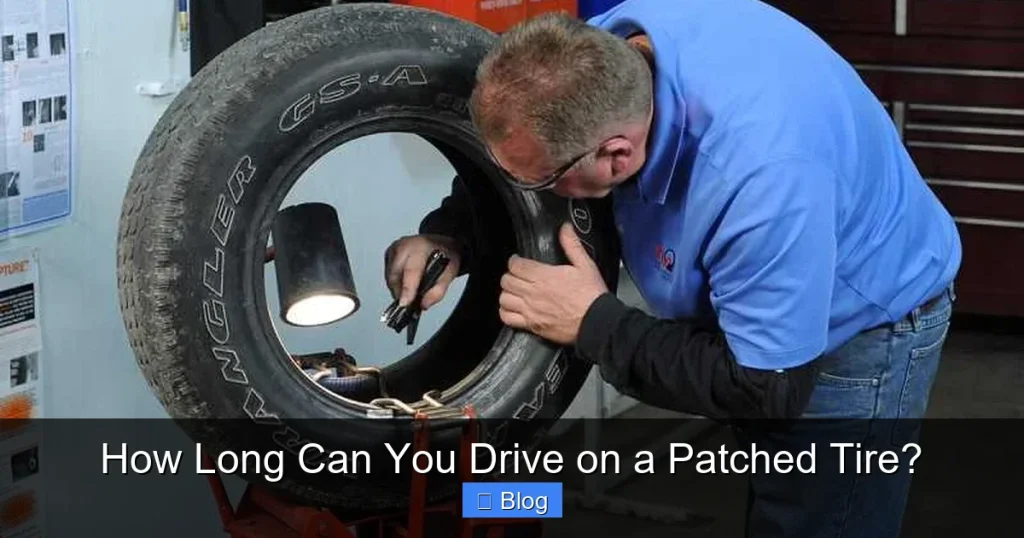
Visual guide about How Long Can You Drive on a Patched Tire?
Image source: askmelbourne.com.au

Visual guide about How Long Can You Drive on a Patched Tire?
Image source: askmelbourne.com.au
New Vibration After Repair
A new vibration can sometimes happen if the wheel was not properly balanced after the tire was removed and re-mounted for the patch. It could also indicate an issue with the tire’s internal structure or a problem with the repair itself. Have the wheel re-balanced and the tire re-inspected.
Uneven Wear Around Patched Area
While a patch itself shouldn’t cause uneven wear, a problem with the tire’s overall structure after the repair or an underlying suspension/alignment issue could manifest as uneven wear. Keep an eye on the tread, and if you notice unusual patterns, get your vehicle checked.
Conclusion
A properly executed, professional patch-plug repair can truly be a lifesaver for a punctured tire, often extending its safe use for the remainder of its expected lifespan. However, the key phrase here is “properly executed.” The longevity and safety of a patched tire hinge on several critical factors: the location and size of the damage, the quality of the repair, and your diligence in ongoing monitoring.
Never treat a tire patch as an “install it and forget it” solution. Regular visual inspections, consistent tire pressure checks, and an awareness of any changes in your vehicle’s handling are non-negotiable. If you ever have doubts about your patched tire, hear unusual noises, feel new vibrations, or spot any bulges or deformities, remember that your safety is paramount. Seek professional advice immediately. By following the guidelines in this comprehensive guide, you can drive with confidence, knowing you’re making informed decisions about your patched tire.

Sagor Jahan is the founder and author of Automopromo.com, dedicated to delivering insightful tips, reviews, and updates in the automotive and promotional industry. With a passion for innovation and clear guidance, Sagor helps readers make informed decisions and stay ahead in the ever-evolving automotive world.