
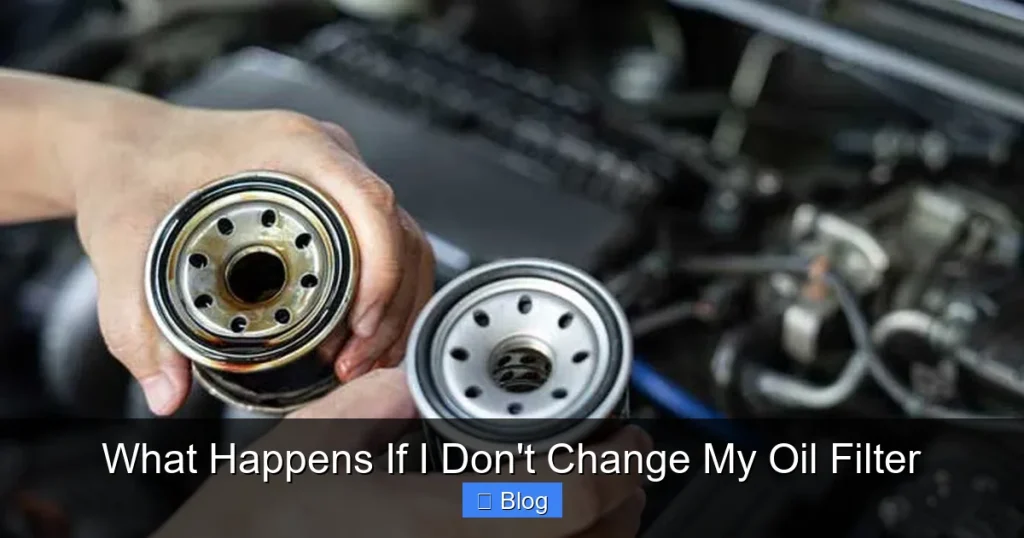
Neglecting to change your oil filter can lead to a cascade of serious engine problems. Initially, the filter clogs, forcing dirty oil to circulate, which then causes increased friction and premature wear on critical engine components. Ultimately, this can result in severe engine damage, overheating, and even complete engine failure, incurring costly repairs that far outweigh the simple maintenance of a filter change.
Ever wondered what’s truly going on under the hood of your car? Specifically, have you ever thought about that small, unassuming canister called the oil filter? It might seem like a minor component, but its role in your vehicle’s health is absolutely critical. Many drivers faithfully get their oil changed but often overlook the equally important task of swapping out the oil filter. This oversight can lead to a surprising number of serious and expensive problems.
If you don’t change your oil filter, it can become clogged and stop removing dirt and metal particles from the oil. Dirty oil circulates through the engine, causing increased wear, poor performance, overheating, and possible engine damage. Over time, this can shorten engine life and lead to costly repairs.
You’re here because you want to know: what happens if I don’t change my oil filter? You’re in the right place. In this comprehensive guide, we’re going to dive deep into the world of engine lubrication. We’ll explain exactly what your oil filter does, why it’s so vital, and most importantly, we’ll walk you through the cascade of negative consequences that can unfold when this small but mighty part is neglected. We’ll cover everything from minor performance dips to catastrophic engine failure. By the end of this read, you’ll have a clear understanding of the risks involved and why regular oil filter changes are non-negotiable for a healthy, long-lasting engine.
Key Takeaways
- Clogged Filtration: A neglected oil filter eventually clogs, forcing unfiltered, dirty oil to bypass it and circulate through your engine.
- Accelerated Engine Wear: Contaminated oil leads to increased friction and abrasion, causing critical engine components to wear out much faster than they should.
- Reduced Engine Performance: Dirty oil and increased friction make your engine work harder, leading to decreased power, poorer fuel efficiency, and a less responsive ride.
- Risk of Overheating: The breakdown of lubrication from dirty oil generates more heat, which, coupled with impaired cooling, significantly increases the risk of your engine overheating.
- Catastrophic Engine Failure: The ultimate consequence of not changing your oil filter is severe internal damage, such as spun bearings or a seized engine, leading to extremely expensive repairs or total engine replacement.
- Warning Signs: Pay attention to symptoms like strange engine noises, dark and gritty oil, reduced performance, or an illuminated check engine light, as these can indicate oil filter or related engine issues.
- Cost-Effective Prevention: Changing your oil filter regularly according to your vehicle’s maintenance schedule is a simple, inexpensive task that prevents far more costly engine damage in the long run.
Quick Answers to Common Questions
Why is my engine oil so dark shortly after an oil change?
If your oil quickly turns dark, it could indicate that your engine is very dirty internally, and the new oil is rapidly cleaning out sludge. It might also mean your oil filter is already struggling or was not changed, allowing old contaminants to circulate. Always ensure the filter is replaced with the oil.
Can a bad oil filter affect my fuel economy?
Yes, indirectly. A clogged oil filter leads to dirty oil, increased friction, and forces your engine to work harder. This extra effort requires more fuel, thus decreasing your overall fuel efficiency. It’s one of the hidden costs of neglecting this simple maintenance.
How often should I change my oil filter?
Generally, you should change your oil filter every time you change your engine oil. Consult your vehicle’s owner’s manual for specific recommendations, as intervals vary based on your car model, oil type (conventional vs. synthetic), and driving conditions.
What’s the difference between a cheap and an expensive oil filter?
More expensive filters typically use higher-quality filtration media (synthetic fibers instead of paper), more robust construction, and better bypass valve designs. This results in superior filtration, longer lifespan, and better overall engine protection compared to cheaper, basic filters.
Is it possible to just change the oil filter without changing the oil?
While technically possible, it is highly discouraged. The filter and oil work together. If you change only the filter, the new filter will immediately be inundated with old, dirty oil. If you change only the oil, the old, clogged filter will quickly contaminate the fresh oil. Always change both concurrently for optimal engine health.
The Unsung Hero: Understanding Your Oil Filter
Before we explore the dangers of neglecting it, let’s briefly understand what an oil filter is and why it’s so important. Think of your engine as the heart of your car. Just like your heart needs clean blood to function, your engine needs clean oil. The oil in your engine isn’t just a lubricant; it’s also a coolant and a cleaner. As it circulates, it picks up tiny metal shavings, dirt, dust, sludge, and other contaminants that are naturally produced during the combustion process or enter the engine from the outside.
What Does an Oil Filter Do?
This is where your oil filter comes in. Its primary job is to remove these harmful particles from the engine oil. Inside the filter is a special pleated paper or synthetic fiber material designed to trap contaminants. This ensures that only clean oil flows back into your engine’s vital components, providing optimal lubrication and preventing wear and tear. Without a functioning oil filter, all that grit and grime would be constantly sloshing around, grinding away at precision-engineered parts.
Why Is Clean Oil So Critical?
- Lubrication: Clean oil reduces friction between moving parts like pistons, crankshafts, and camshafts. This prevents overheating and wear.
- Cooling: Oil helps dissipate heat generated by friction and combustion, maintaining optimal engine temperatures.
- Cleaning: It carries away combustion byproducts and contaminants, keeping the engine interior clean.
- Sealing: Oil helps seal the gap between piston rings and cylinder walls, enhancing combustion efficiency.
When you understand these roles, it becomes clear why clean oil – and by extension, a functioning oil filter – is absolutely indispensable for your engine’s longevity and performance. If you don’t change your oil filter, you compromise every one of these vital functions.
The Cascade of Consequences: What Happens If You Don’t Change Your Oil Filter
Now, let’s get to the core of the matter. What actually happens when you ignore that small but mighty component? The truth is, the consequences unfold in stages, gradually escalating from minor inefficiencies to catastrophic engine failure. Neglecting to change your oil filter isn’t just a minor oversight; it’s an open invitation for serious trouble.
Visual guide about What Happens If I Don’t Change My Oil Filter
Image source: yourbhp.com
Stage 1: Reduced Filtration Efficiency and Contaminant Bypass
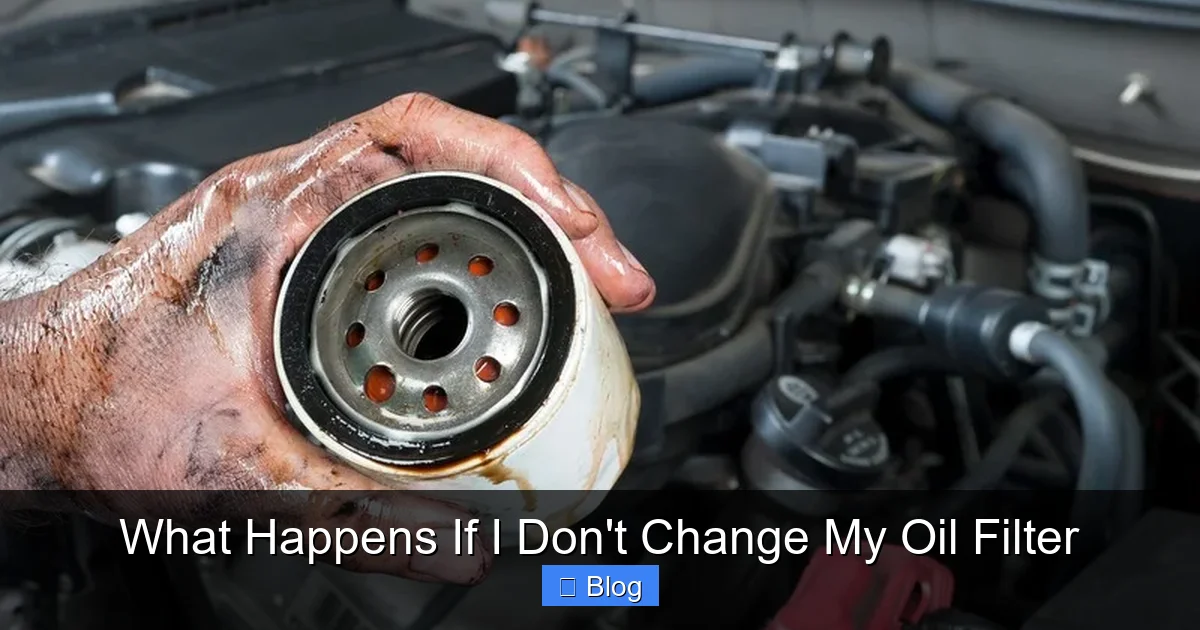
Initially, as your oil filter does its job, it starts to accumulate all the dirt and debris it’s designed to trap. Over time, the filter material becomes saturated and clogged. When this happens, the oil has a harder time passing through the filter media. To prevent oil starvation to the engine – which would be an immediate disaster – oil filters are equipped with a bypass valve. This valve opens when the filter is too clogged or when the oil pressure is too high (like during cold starts with thick oil) to allow oil to flow directly to the engine, bypassing the filter entirely.
This means that instead of clean, filtered oil, your engine is now receiving dirty, unfiltered oil. All those harmful particles that the filter was supposed to catch are now freely circulating. This is the first critical step towards serious engine damage when you don’t change your oil filter.
Stage 2: Accelerated Oil Contamination and Degradation
With contaminants freely flowing, your engine oil quickly becomes dirty and degrades faster than it should. The oil’s ability to lubricate, cool, and clean is severely compromised. Imagine trying to wash dishes with muddy water – it’s counterproductive. Similarly, dirty oil can’t effectively perform its critical functions. The abrasive particles within the oil act like sandpaper, grinding away at the delicate surfaces of your engine’s internal components. This process is exacerbated if you continue to drive and don’t change your oil filter.
Stage 3: Increased Engine Wear and Friction
This is where the real damage begins. As dirty oil circulates, it causes a significant increase in friction between moving parts. Components like camshafts, lifters, bearings, and piston rings begin to suffer premature wear. You might not see it or hear it immediately, but microscopic bits of metal are being scraped off, adding even more abrasive particles to the oil. This vicious cycle accelerates the wear process, leading to looser tolerances and inefficient operation. If you don’t change your oil filter, you are actively introducing wear agents into your engine’s delicate ecosystem.
Stage 4: Decreased Engine Performance and Fuel Efficiency
An engine struggling with increased friction and dirty oil has to work much harder to perform its basic functions. This extra effort translates directly into a noticeable drop in performance. You might experience:
- Reduced horsepower and torque
- Slower acceleration
- Rougher idling
- Overall sluggishness
Furthermore, because the engine is working harder, it will consume more fuel. So, neglecting your oil filter also hits your wallet at the gas pump. The cost of a new filter suddenly seems minuscule compared to the ongoing fuel expenses and the potential for larger repairs down the line. This is a direct consequence if you don’t change your oil filter as recommended.
Stage 5: Engine Overheating
One of oil’s crucial jobs is to help cool the engine by carrying away heat. When the oil is dirty and its lubricating properties are compromised, friction increases, generating even more heat. Simultaneously, the degraded oil is less effective at dissipating this heat. This double whammy can lead to your engine running hotter than it should. Persistent overheating can warp engine components, blow head gaskets, and cause severe, irreversible damage. This is a very real danger if you don’t change your oil filter regularly.
Stage 6: Catastrophic Engine Failure
This is the worst-case scenario, but it’s a very real possibility if you consistently don’t change your oil filter. The cumulative effect of increased wear, friction, and heat eventually takes its toll. Critical components can fail entirely. Common examples include:
- Spun Bearings: The crankshaft or connecting rod bearings seize due to excessive friction and lack of lubrication. This often results in a loud “rod knock” sound.
- Scored Cylinder Walls: Abrasive particles gouge the cylinder walls, leading to loss of compression and significant power loss.
- Valve Train Damage: Lifters, camshafts, and valves can become severely worn, leading to misfires and engine damage.
- Engine Seizure: In the most severe cases, internal components can fuse together due to extreme friction and heat, causing the entire engine to seize up and stop working entirely.
At this point, you’re looking at an extremely expensive repair, potentially requiring a complete engine rebuild or replacement. The cost of these repairs can easily run into thousands of dollars, far exceeding the minimal cost of regular oil and filter changes. This is the ultimate answer to what happens if I don’t change my oil filter.
Recognizing the Red Flags: Warning Signs of a Clogged Oil Filter or Related Damage
While the internal damage occurs subtly, your car will often give you clues that something is amiss. Paying attention to these warning signs can help you prevent total disaster.
Visual guide about What Happens If I Don’t Change My Oil Filter
Image source: berqwp-cdn.sfo3.cdn.digitaloceanspaces.com
Illuminated Check Engine Light
While the “Check Engine” light can indicate a myriad of problems, some advanced vehicle systems can detect issues related to oil pressure or engine performance that might stem from a severely clogged filter or compromised oil. It’s always worth getting diagnosed, especially if you haven’t recently changed your oil filter.
Reduced Engine Performance
As mentioned earlier, if your engine feels sluggish, less responsive, or struggles to accelerate, a dirty oil filter contributing to increased friction could be a factor. This also includes noticeable drops in fuel economy. These symptoms suggest the engine isn’t happy because if you don’t change your oil filter, the engine has to work harder.
Strange Engine Noises
One of the most concerning symptoms is unusual engine noises. A ticking, tapping, or knocking sound (often referred to as “rod knock”) can indicate that parts are not being properly lubricated and are wearing excessively. This is a serious sign of internal damage and demands immediate attention.
Overheating Indicator
If your engine temperature gauge starts to climb into the red zone, or an overheating warning light illuminates, it could be due to a multitude of issues, but compromised oil lubrication from a neglected filter can certainly contribute to or exacerbate the problem. A faulty oil filter can play a part in this.
Dark, Gritty, or Metallic Oil
While checking your oil level, also examine its appearance. If your oil looks unusually dark, feels gritty between your fingers, or worse, you see visible metallic flakes in it, these are strong indicators of severe engine wear and dirty oil circulation. This confirms that if you don’t change your oil filter, the oil’s cleaning function is overwhelmed.
Prevention is Key: Maintaining Your Oil Filter for Engine Health
The good news is that all the dire consequences we’ve discussed are entirely preventable. Regular maintenance, especially timely oil and oil filter changes, is the simplest and most cost-effective way to ensure your engine’s longevity and reliability.
Adhere to Your Vehicle’s Maintenance Schedule
The most important tip is to follow your car manufacturer’s recommendations for oil and filter changes. This information can be found in your owner’s manual. Modern vehicles often have maintenance minder systems that tell you exactly when service is due. Intervals can vary significantly based on vehicle make, model, year, and the type of oil used (conventional vs. synthetic). Generally, filters are changed every time you change your oil. If you don’t change your oil filter according to this schedule, you’re inviting trouble.
- Conventional Oil: Typically every 3,000 to 5,000 miles or 3-6 months.
- Synthetic Oil: Can extend intervals to 7,500 to 10,000 miles or even longer, depending on the oil and vehicle. Always check your manual!
Choose Quality Oil and Filters
Don’t skimp on quality when it comes to oil and filters. A good quality filter will have better filtration media and a more robust bypass valve, providing superior protection. Similarly, using the correct type and viscosity of oil recommended by your manufacturer (conventional, synthetic blend, or full synthetic) is crucial for optimal lubrication and engine health. Think of it as investing in your car’s future. It’s a small expense that prevents significant headaches, unlike if you don’t change your oil filter.
Consider Your Driving Habits
If you engage in “severe driving conditions” – which often includes stop-and-go city driving, frequent short trips, towing, or driving in very dusty environments – you might need to change your oil and filter more frequently than the standard recommendations. These conditions put extra stress on your engine and oil, accelerating contamination and degradation. In these cases, it’s even more critical not to neglect your oil filter.
Don’t Ignore the Warning Signs
If you notice any of the symptoms mentioned earlier, don’t delay. Get your vehicle inspected by a qualified mechanic. Early detection can often prevent minor issues from escalating into major, costly repairs. Ignoring these signs is essentially gambling with your engine’s life, especially if you haven’t recently changed your oil filter.
DIY vs. Professional Service
Changing your oil and filter can be a DIY task for many, provided you have the right tools and knowledge. However, if you’re unsure or prefer not to get your hands dirty, professional service centers can do the job quickly and efficiently. The key is to ensure it gets done, regardless of who does it, and definitely don’t change your oil filter only if you’re feeling adventurous – make it a routine.
The Cost of Neglect vs. The Cost of Prevention
Let’s talk numbers, because often, the financial impact is what truly drives home the importance of maintenance. The cost of an oil filter typically ranges from $5 for a basic conventional filter to $25 for a premium synthetic one. An oil change service, including labor and oil, usually costs between $35 and $100, depending on the oil type and vehicle. Let’s say, on average, you spend $60 every 5,000 miles for an oil and filter change. Over 100,000 miles, that’s roughly $1,200.
Now, consider the cost of neglecting this simple maintenance. If you don’t change your oil filter and it leads to catastrophic engine failure:
- Engine Rebuild: $2,000 – $4,000+
- Used Engine Replacement: $3,000 – $6,000+
- New Engine Replacement: $5,000 – $10,000+
The difference is staggering. A few hundred dollars spent over years for routine maintenance can save you thousands in unexpected repair bills. It’s not just about money, though. It’s about reliability, peace of mind, and the environmental impact of extending your vehicle’s lifespan. The decision not to change your oil filter is truly a costly one.
Troubleshooting: What to Do If You Suspect an Issue
If you’re reading this and suddenly concerned that you might have neglected your oil filter, or if you’re experiencing any of the warning signs, here’s what you should do:
Check Your Maintenance Records
First, try to determine when your last oil and filter change was. If it’s well past the recommended interval, that’s a strong indicator of a potential problem. If you don’t change your oil filter regularly, this is the first thing to review.
Inspect Your Oil
Pull out your dipstick. Does the oil look very dark, thick, or gritty? Do you see any metallic specks? These are red flags. While some darkening is normal, excessively dirty oil means it’s past its prime and the filter likely is too. This is especially telling if you haven’t been vigilant about your oil filter maintenance.
Listen to Your Engine
Pay close attention to any unusual sounds. A ticking, tapping, or knocking noise, especially when cold or at idle, suggests a lack of lubrication and accelerated wear. If you hear this, stop driving as soon as safely possible, as it could be a direct result of not changing your oil filter.
Check for Warning Lights
Is your “Check Engine” light or oil pressure warning light on? Get the codes read at an auto parts store (often free) or by a mechanic. While an oil pressure light is serious and means immediate attention is needed, the check engine light can point to various engine performance issues indirectly linked to lubrication. These lights are your car’s way of telling you that you need to investigate, possibly due to a neglected oil filter.
Consult a Professional Mechanic
If you suspect a problem or are experiencing any of the severe warning signs (like loud noises or overheating), do not delay. Take your car to a trusted mechanic immediately. They can diagnose the issue accurately, perform an oil analysis if necessary, and recommend the appropriate repairs. Continuing to drive a vehicle with these symptoms can quickly turn a repairable problem into total engine destruction, particularly if you don’t change your oil filter.
Conclusion
The humble oil filter is a true unsung hero in your car’s engine. Its small size belies its immense importance in protecting one of your vehicle’s most expensive components. As we’ve explored, deciding “I don’t change my oil filter” can set off a dangerous chain reaction, from simply circulating dirty oil to ultimately causing catastrophic and financially devastating engine failure. The risks associated with neglecting this simple maintenance task are simply not worth it.
Regular oil and oil filter changes are not just recommendations; they are vital requirements for your vehicle’s health, performance, and longevity. They ensure that your engine remains properly lubricated, cooled, and clean, preventing premature wear and keeping you safely on the road. So, next time you’re thinking about your car’s maintenance, remember the oil filter. It’s an inexpensive insurance policy that pays dividends in reliability and peace of mind. Prioritize this simple service, and your engine will thank you with many more miles of smooth, trouble-free driving. Never wonder again what happens if I don’t change my oil filter – just change it!

Sagor Jahan is the founder and author of Automopromo.com, dedicated to delivering insightful tips, reviews, and updates in the automotive and promotional industry. With a passion for innovation and clear guidance, Sagor helps readers make informed decisions and stay ahead in the ever-evolving automotive world.

