
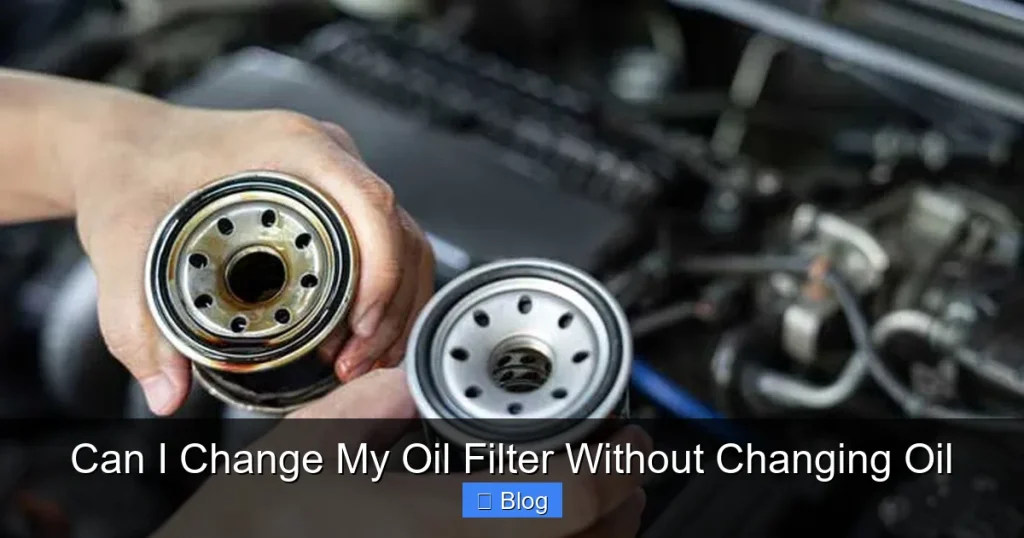
Changing your oil filter without replacing the oil is technically possible, but it’s not always recommended. This guide explains when it’s safe, how to do it properly, and why fresh oil matters for engine health.
Yes, you can change the oil filter without changing the oil, but it’s not ideal. Removing the filter will cause some oil loss and may introduce contaminants into the remaining oil. For best engine protection and performance, it’s recommended to replace both the oil and the filter at the same time, following your vehicle manufacturer’s maintenance schedule.
Key Takeaways
- It’s possible to change just the oil filter, but only under specific conditions like topping off low oil or during short-interval maintenance.
- Old oil degrades over time, losing its ability to lubricate, clean, and protect your engine—even if the filter is new.
- Replacing only the filter won’t remove sludge or contaminants already circulating in the old oil.
- Most mechanics recommend changing both oil and filter together to ensure optimal engine performance and longevity.
- Skipping an oil change while replacing the filter may void warranties or reduce the effectiveness of synthetic oils.
- Always use the correct filter type specified by your vehicle’s manufacturer to avoid leaks or engine damage.
- Proper disposal of used filters is essential—recycle them at auto parts stores or service centers.
Quick Answers to Common Questions
Can I reuse an old oil filter?
No, oil filters are designed for single use. Reusing one can lead to leaks, poor filtration, and engine damage.
How much oil does a filter hold?
Most filters hold between 0.5 to 1 quart of oil. When you change the filter, some oil will spill out—so be prepared.
Should I pre-fill the new filter with oil?
It’s not required, but lightly coating the gasket with oil helps create a better seal. Do not fill the entire filter—it can cause pressure issues.
How often should I change my oil filter?
Typically, every time you change your oil—unless your manual specifies otherwise. Some high-performance vehicles may need more frequent changes.
Can I change the filter with cold oil?
Yes, but warm oil flows more easily and may drain from the filter better. Just avoid working on a hot engine to prevent burns.
Can I Change My Oil Filter Without Changing Oil?
If you’re wondering whether you can change your oil filter without changing the oil, the short answer is: yes, you can. But should you? That’s a more complicated question—and one that depends on your vehicle’s condition, how recently you changed the oil, and your maintenance goals.
Many car owners look for ways to save time and money on routine maintenance. Changing just the oil filter might seem like a smart shortcut, especially if your oil level is still good and the dipstick shows clean, amber-colored oil. However, while it’s physically possible to replace the filter alone, doing so without refreshing the oil may not deliver the full benefits your engine needs.
In this guide, we’ll walk you through everything you need to know about changing your oil filter without changing the oil—including when it’s acceptable, how to do it safely, and why combining both steps is usually the better choice.
Why People Consider Changing Just the Oil Filter
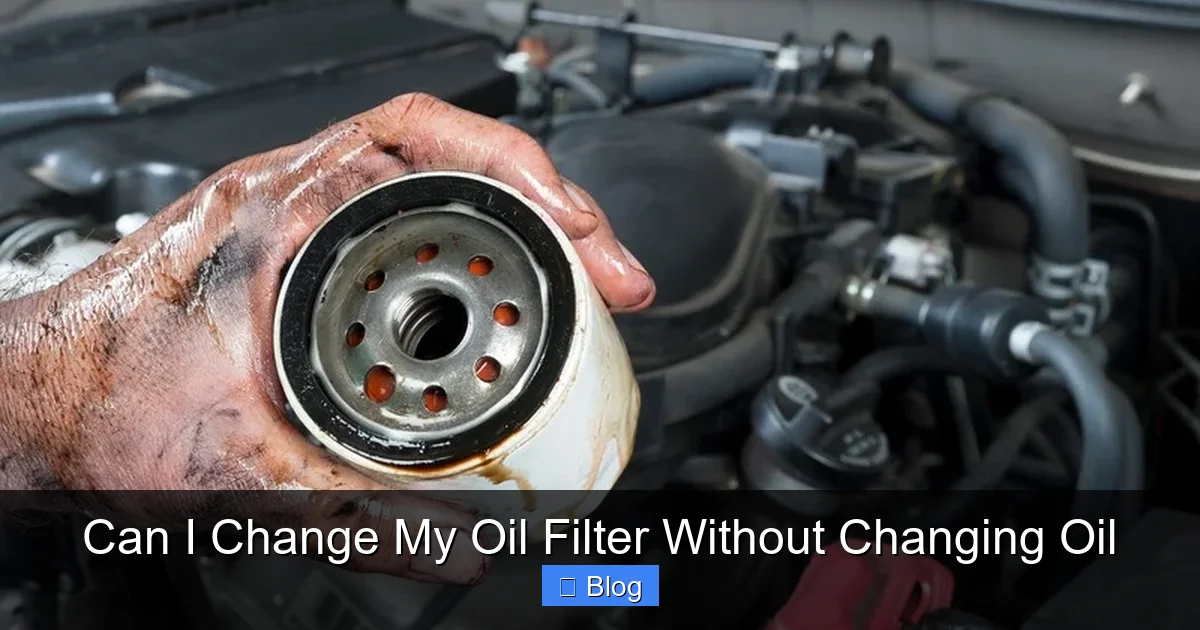
Visual guide about Can I Change My Oil Filter Without Changing Oil
Image source: yourbhp.com
There are a few common reasons why someone might want to change only the oil filter:
– Low oil level: You’ve noticed your oil is slightly low and topped it off, but the oil itself still looks clean.
– Recent oil change: You changed your oil recently, but the filter was damaged or leaking.
– Cost savings: Oil changes can be expensive, especially with synthetic oil, so skipping the oil portion seems economical.
– Time constraints: You’re in a hurry and think replacing just the filter will be faster.
While these reasons make sense on the surface, they don’t always account for how oil and filters work together to protect your engine.
How Oil and Oil Filters Work Together
Visual guide about Can I Change My Oil Filter Without Changing Oil
Image source: bryansgarage.com
To understand why changing just the filter isn’t always ideal, it helps to know how oil and filters function as a team.
Your engine oil does several important jobs:
– Lubricates moving parts to reduce friction and wear
– Cools engine components
– Cleans by carrying away dirt, metal particles, and sludge
– Prevents corrosion
Over time, oil breaks down due to heat, pressure, and contamination. It loses its viscosity (thickness), becomes acidic, and accumulates debris. That’s where the oil filter comes in.
The oil filter traps contaminants like dirt, metal shavings, and carbon deposits, preventing them from circulating through the engine. But the filter has a limited capacity. Once it’s full, it can’t capture more debris—and in some cases, it may even bypass dirty oil to keep the engine running.
So even if you install a brand-new filter, the old oil is still carrying contaminants and lacks the protective additives it once had. You’re essentially filtering dirty water—it helps, but it doesn’t solve the root problem.
When Is It Okay to Change Only the Oil Filter?
There are a few scenarios where changing just the oil filter is acceptable—or even necessary:
1. You Recently Changed the Oil
If you had a full oil change within the last 1,000 miles and the oil is still clean and at the correct level, replacing a damaged or leaking filter makes sense. In this case, the oil is still effective, and the new filter will continue to protect your engine.
2. You’re Topping Off Low Oil
If your oil level is low and you’ve added fresh oil to bring it back up, but the existing oil is still in good condition, you might consider changing the filter to ensure maximum cleanliness. However, this should only be a temporary fix—plan a full oil change soon.
3. The Filter Is Leaking or Damaged
A cracked or improperly installed filter can cause oil leaks, which may lead to low oil pressure and engine damage. If you notice a leak, replace the filter immediately—even if the oil is still good. But monitor the oil level closely and plan a full change soon.
4. You’re Performing Short-Interval Maintenance
Some high-performance or turbocharged engines require more frequent filter changes due to higher stress and contamination. In these cases, manufacturers may recommend changing the filter every other oil change. Always check your owner’s manual for guidance.
Step-by-Step: How to Change Your Oil Filter Without Changing Oil
If you’ve determined that changing just the filter is the right move, follow these steps carefully to avoid spills, leaks, or engine damage.
Gather Your Tools and Supplies
You’ll need:
– A new oil filter (correct model for your vehicle)
– A wrench or oil filter wrench
– A drain pan (just in case)
– Clean rags or paper towels
– Gloves (to protect your hands)
– A funnel (optional, for adding oil if needed)
Prepare Your Vehicle
– Park on a level surface and engage the parking brake.
– Let the engine cool for at least 10–15 minutes. Hot oil can cause burns, and a warm engine helps oil flow more easily.
– Locate the oil filter. It’s usually on the side or bottom of the engine block—consult your owner’s manual if you’re unsure.
Remove the Old Oil Filter
– Place the drain pan underneath the filter to catch any drips.
– Use the wrench to loosen the filter. Turn it counterclockwise.
– Once loose, unscrew it by hand. Be ready—some oil will spill out, even if you’re not draining the oil pan.
– Tip the old filter upside down into the drain pan to drain excess oil.
Prepare the New Oil Filter
– Lightly coat the rubber gasket on the new filter with a thin layer of fresh oil. This helps create a better seal and prevents the gasket from tearing during installation.
– Do not over-grease—just a light smear is enough.
Install the New Oil Filter
– Screw the new filter into place by hand. Turn it clockwise until the gasket makes contact with the engine.
– Give it an additional ¾ to 1 full turn by hand. Do not overtighten—this can damage the gasket or make future removal difficult.
– Wipe away any spilled oil with a rag.
Check Oil Level and Start the Engine
– Start the engine and let it run for 10–15 seconds. This circulates oil through the new filter.
– Turn off the engine and wait a minute, then check the oil level with the dipstick.
– Add oil if needed to bring it back to the full mark.
– Check around the filter for leaks. If you see oil dripping, tighten the filter slightly.
Risks of Changing Only the Oil Filter
While it’s possible to change just the filter, there are risks to consider:
– Contaminated oil remains: The old oil still contains acids, sludge, and wear particles that can harm your engine over time.
– Reduced lubrication: Degraded oil doesn’t protect engine parts as effectively, increasing the risk of wear and overheating.
– Filter bypass: A clogged filter may trigger a bypass valve, allowing unfiltered oil to circulate—even with a new filter in place.
– Warranty issues: Some manufacturers require full oil and filter changes at specified intervals. Skipping the oil portion could void your warranty.
Best Practices for Oil and Filter Maintenance
To keep your engine running smoothly, follow these best practices:
– Change oil and filter together at the intervals recommended in your owner’s manual (typically every 5,000–7,500 miles for conventional oil, or 7,500–10,000 for synthetic).
– Use high-quality filters from reputable brands. Cheap filters may not seal properly or may fail prematurely.
– Check oil level monthly and top off as needed with the same type of oil.
– Dispose of used filters responsibly—most auto parts stores accept them for recycling.
– Keep a maintenance log to track when you last changed the oil and filter.
Troubleshooting Common Issues
Oil Leak After Filter Change
– Cause: Filter not tightened properly, damaged gasket, or double-gasketing (old gasket stuck to engine).
– Fix: Turn off the engine, wipe the area, remove the filter, check for old gasket, clean the surface, and reinstall with a light coat of oil on the new gasket.
Low Oil Pressure Warning
– Cause: Air trapped in the filter or low oil level.
– Fix: Let the engine run for a minute to prime the filter, then check oil level and add if needed.
Filter Won’t Come Off
– Cause: Over-tightened or corroded filter.
– Fix: Use an oil filter wrench or strap. If stuck, carefully puncture the filter with a screwdriver and use it as a lever—but be cautious of oil spray.
Conclusion
So, can you change your oil filter without changing the oil? Yes—but it’s not always the best idea. While there are rare situations where replacing just the filter makes sense, most of the time, your engine benefits most from a full oil and filter change.
Fresh oil provides essential lubrication, cleaning, and protection that a new filter alone can’t replace. Think of it like changing the air filter in your home HVAC system without cleaning the ducts—you’re improving one part, but the system still has hidden contaminants.
If you’re trying to save money or time, consider doing the full oil change yourself. It’s easier than you think, and the long-term benefits for your engine are well worth the effort. When in doubt, consult your owner’s manual or a trusted mechanic.
Your car’s engine is its heart—treat it well, and it’ll keep running strong for years to come.

Sagor Jahan is the founder and author of Automopromo.com, dedicated to delivering insightful tips, reviews, and updates in the automotive and promotional industry. With a passion for innovation and clear guidance, Sagor helps readers make informed decisions and stay ahead in the ever-evolving automotive world.

