
Spark plugs are vital for your engine’s ignition, but they wear out over time, leading to poor performance. This guide shows you exactly what a worn spark plug looks like, from visual cues like fouling and erosion to step-by-step inspection tips. By spotting these signs early, you can avoid bigger problems and keep your vehicle running smoothly.
Key Takeaways
- Spark plugs ignite the air-fuel mixture: They create the spark needed for combustion, but wear shows through visual changes like black soot or white deposits.
- Common worn appearances include fouling and erosion: Fouled plugs look oily or carbon-covered, while eroded ones have a rounded electrode, signaling replacement time.
- Inspect visually after removal: Check the electrode gap, insulator color, and overall condition to diagnose issues like oil leaks or overheating.
- Tools needed are basic: A spark plug socket, ratchet, and gap tool make inspection easy without a mechanic.
- Regular checks prevent breakdowns: Look for these signs every 30,000 miles to maintain fuel efficiency and engine power.
- Troubleshoot symptoms first: Rough idling or misfires often point to worn plugs, confirmed by their appearance.
Quick Answers to Common Questions
How often should I inspect spark plugs?
Check every 30,000 miles or during tune-ups. Early spotting of wear prevents bigger issues.
Can I clean a worn spark plug instead of replacing it?
Sometimes, yes—for light fouling, use a wire brush. But eroded or cracked ones need replacement.
What if only one plug looks worn?
Investigate that cylinder. It could be a local issue like a bad injector, not overall wear.
Does plug type affect appearance?
Yes, iridium lasts longer with less erosion. But all show similar fouling signs when bad.
Is DIY inspection safe for beginners?
Absolutely, with basic tools. Just follow safety steps to avoid shocks or burns.
Introduction: Why Knowing What a Worn Spark Plug Looks Like Matters
Hey there, car enthusiast! If you’ve ever wondered why your engine feels sluggish or guzzles more gas than usual, the culprit might be your spark plugs. These small but mighty components fire up the spark that ignites your engine’s fuel. Over time, they wear out, and spotting the signs early can save you from costly repairs. In this guide, we’ll dive deep into what a worn spark plug looks like. You’ll learn the basics, step-by-step inspection methods, and how to tell if it’s time for a swap. By the end, you’ll feel confident popping the hood and checking things yourself. No fancy tools required—just some basic know-how and a keen eye. Let’s get started!
Understanding Spark Plugs: The Basics Before Inspection
Spark plugs are like the heartbeat of your engine. They sit in the cylinder head and deliver an electric spark to ignite the air-fuel mixture. A healthy one looks clean with a light tan or gray insulator tip and a sharp, squared-off electrode. But as miles add up, heat, fuel, and deposits take a toll. Knowing what a worn spark plug looks like helps you catch problems like misfires or reduced power before they worsen.

Visual guide about What Does a Worn Spark Plug Look Like
Image source: koala.sh
Most vehicles need checks every 30,000 to 100,000 miles, depending on the plug type—copper, platinum, or iridium. Worn plugs don’t just look bad; they hurt performance. For example, a fouled plug might cause your car to stall on hills. Ready to inspect? Let’s break it down step by step.
Step 1: Gather Your Tools and Prepare Safely
Before you peek at your spark plugs, safety first. Park on a flat surface, turn off the engine, and let it cool for at least 30 minutes to avoid burns. Disconnect the battery to prevent shocks.
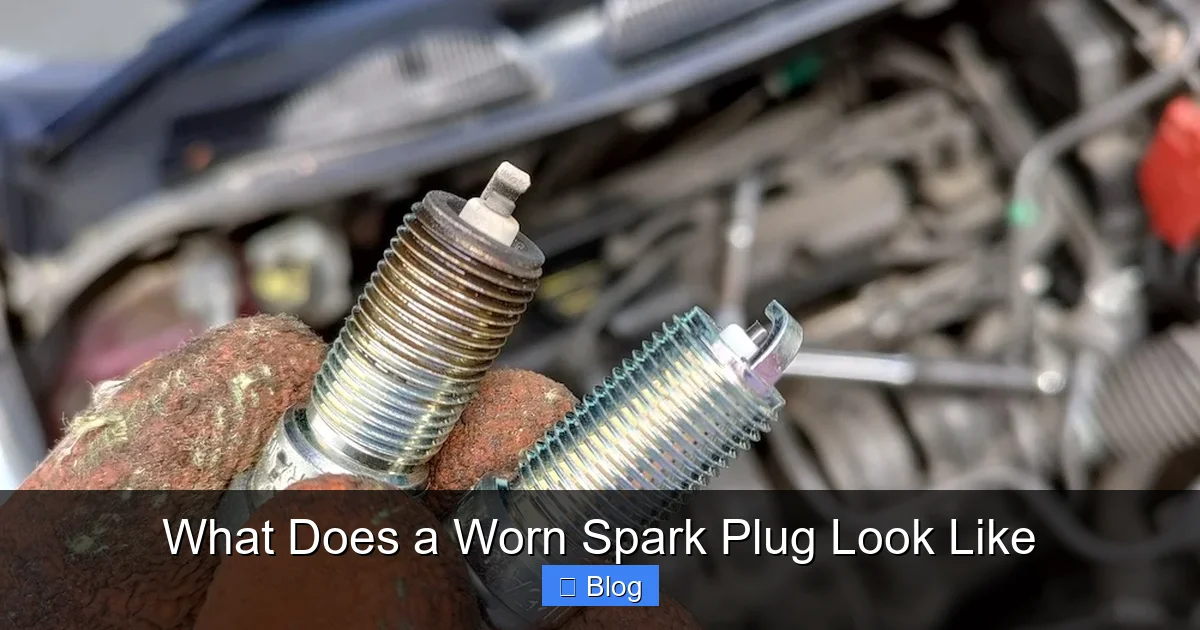
Visual guide about What Does a Worn Spark Plug Look Like
Image source: motorverso.com
Essential Tools You’ll Need
- Spark plug socket (usually 5/8-inch or 13/16-inch)
- Ratchet and extension bar
- Wire brush for cleaning
- Feeler gauge or spark plug gap tool
- Anti-seize compound for reinstallation
- Gloves and flashlight
These basics cost under $50 at any auto store. Pro tip: Label wires with tape as you go to avoid mix-ups during reassembly. Now, locate your plugs—usually under the ignition coils on top of the engine.
Step 2: Removing the Spark Plugs for Inspection
Removing plugs is straightforward but requires care to avoid damaging threads. Start by pulling off the ignition coil or wire from each plug. Use a gentle twist-and-pull motion—no yanking!
Sub-Steps for Safe Removal
- Loosen the coil boot or wire connector with pliers if needed.
- Insert the socket over the plug and attach the ratchet.
- Turn counterclockwise slowly—aim for a steady 1/4 turn at a time.
- Once loose, spin by hand to prevent cross-threading.
- Pull out the plug and lay it on a clean rag for inspection.
Example: On a typical four-cylinder engine, this takes about 10 minutes per plug. If it’s stuck, spray penetrating oil and wait 5 minutes. Always inspect one at a time to keep track.
Common Signs That Your Spark Plug is Wearing Out
Now comes the fun part: examining what you’ve pulled. A worn spark plug doesn’t always scream “replace me,” but subtle clues add up. Look closely under good light. Healthy plugs have even wear, but worn ones show damage from use or engine issues.
| Appearance | Description | Common Cause | What It Means |
|---|---|---|---|
| Carbon Fouling | Black, sooty deposits on electrodes and insulator | Rich fuel mixture or incomplete combustion | Engine runs rich; replace and check air filter |
| Oil Fouling | Shiny black, wet oil coating on plug threads | Leaking valve seals or piston rings | Oil entering combustion chamber; fix engine seals |
| Overheating | White or light gray insulator, melted electrode | Lean fuel mix or cooling issues | Engine too hot; inspect timing and coolant |
| Electrode Erosion | Rounded, worn-down center electrode tip | Normal high-mileage wear | Time for replacement; gap widened beyond spec |
| Blistering | Bubbled or melted insulator top | Pre-ignition from hot spots | Serious issue; check for carbon buildup in chamber |
| Deposits (Ash) | Hard, white or tan buildup on tip | Additives in oil or fuel | Harmless but can bridge gap; clean or replace |
| Cracked Insulator | Visible crack in ceramic body | Over-torquing or heat stress | Immediate replacement; risks misfires |
For instance, if your car has been idling roughly, check for black carbon buildup—that’s a classic worn look from rich fuel mixtures. We’ll cover visuals next.
Visual Guide: What a Worn Spark Plug Looks Like
Let’s zoom in on appearances. Imagine holding a plug: the center electrode (the middle rod) should be sharp, and the ground electrode (the side strap) flat. Worn ones deviate wildly. Here’s how to spot them, with real-world examples.
First, check the electrode gap—the space between electrodes. Use your feeler gauge; it should match your owner’s manual spec, like 0.035 inches for many cars. Too wide? That’s wear from arcing.
Next, inspect the insulator nose (the white ceramic part). Tan is good; other colors signal trouble. Oily black? Possible oil leak. This section is key to answering what a worn spark plug looks like in detail.
Using this chart, you can quickly match what you see. For example, if your plug looks oil-fouled, it might explain that blue exhaust smoke you’ve noticed. Always compare to a new plug for contrast.
Step 3: Detailed Inspection Techniques
With the plug in hand, go deeper. Tilt it to catch light on the threads—look for corrosion or debris. Feel the electrodes; they shouldn’t be pitted.
Advanced Checks
- Color Analysis: Snap a photo for reference. Grayish tan? Normal. Bright white? Overheating alert.
- Gap Measurement: Slide the gauge between electrodes. If it’s off by 0.010 inches, that’s worn.
- Magnifying Glass Tip: Use one to spot micro-cracks invisible to the naked eye.
Practical example: On my old Honda, eroded electrodes caused a slight hesitation. Measuring the gap confirmed it—easy fix with new plugs. If all plugs look similarly worn, it’s routine maintenance. Varied appearances? Dig into engine problems like bad fuel injectors.
Troubleshooting Common Issues When Inspecting Spark Plugs
Sometimes, inspection reveals more than wear. If plugs are hard to remove, threads might be stripped—use a thread chaser tool. Stuck on diagnosis? Cross-reference with symptoms.
Step-by-Step Troubleshooting
- Identify the pattern: All fouled? Check fuel system. One bad? Faulty injector.
- Test resistance: Use a multimeter on the plug wire—high ohms mean wear.
- Reinstall test: Gap a suspect plug and run the engine. Smoother idle? It was the issue.
Tip: If you’re unsure, consult a mechanic. But most times, seeing what a worn spark plug looks like points you right to the fix. For hybrids or electrics, plugs last longer, but inspection principles apply.
Another example: A friend’s truck had misfires from blistered plugs due to a clogged radiator. Inspection caught it early, saving the engine.
When to Replace and Maintenance Tips
If any sign from our guide matches what a worn spark plug looks like, swap them out. Don’t wait—worn plugs slash efficiency by up to 10%. Install new ones torqued to spec (usually 15-20 ft-lbs) with anti-seize on threads.
Pro tips: Match plug type to your manual. Change air filters too for best results. Schedule checks with oil changes. This keeps your ride peppy and reliable.
Conclusion: Take Control of Your Engine Health
There you have it—a full rundown on what a worn spark plug looks like and how to spot it yourself. From gathering tools to troubleshooting, these steps empower you to maintain your vehicle like a pro. Regular inspections prevent breakdowns, boost fuel economy, and extend engine life. Next time your car acts up, grab that socket and check those plugs. You’ve got this! Drive safe, and remember: a little look under the hood goes a long way.

Sagor Jahan is the founder and author of Automopromo.com, dedicated to delivering insightful tips, reviews, and updates in the automotive and promotional industry. With a passion for innovation and clear guidance, Sagor helps readers make informed decisions and stay ahead in the ever-evolving automotive world.