

Does Oil Filter Brand Matter? Yes, the oil filter brand can matter because different brands vary in filtration quality, durability, and overall engine protection. High-quality oil filter brands usually use better filter media and stronger construction, which helps remove more contaminants from engine oil and maintain proper oil flow. Choosing a reliable brand can help protect your engine and extend its lifespan.
Not all oil filters are built the same. Some cheaper filters may have weaker materials, lower filtration efficiency, or poor sealing. This can allow dirt and metal particles to circulate through the engine, which may lead to increased wear over time. Well-known brands often follow stricter quality standards.
However, the most important factor is choosing a filter that matches your vehicle’s specifications. A properly fitting oil filter from a trusted brand, combined with regular oil changes, will help keep your engine running smoothly and efficiently.
Does Oil Filter Brand Matter?
Every time you pull into the auto parts store for an oil change, you’re faced with a wall of oil filters. They come in various colors, prices, and, of course, brands. From the budget-friendly options to the high-performance filters boasting advanced technology, it’s easy to feel overwhelmed. The burning question on many vehicle owners’ minds is: does oil filter brand matter?
It’s a debate as old as the internal combustion engine itself. Some swear by a specific oil filter brand, while others argue that as long as it fits, any filter will do. But what’s the real story? Can a simple component like an oil filter truly impact the longevity and performance of your engine? Or is it just clever marketing?
In this comprehensive guide, we’re going to cut through the noise and provide you with a clear, step-by-step understanding of oil filters. We’ll explore their crucial role, delve into the key differences between brands, and equip you with the knowledge to confidently choose the right oil filter for your vehicle. By the end of this read, you’ll have a definitive answer to “does oil filter brand matter?” and why making an informed choice is so important for your engine’s health.
Key Takeaways
- Quality Varies Significantly: Not all oil filters are created equal; while basic filters meet minimum OEM requirements, premium brands often offer superior filtration, durability, and engine protection.
- Crucial Components Matter: The quality of the filter media, anti-drain back valve (ADBV), and bypass valve are critical indicators of a filter’s performance and impact its ability to protect your engine.
- Match Filter to Driving Conditions: Your driving habits (e.g., heavy towing, frequent short trips, aggressive driving) and oil change intervals should influence your choice of oil filter brand and type.
- Consider Your Oil Type: For synthetic oils and extended drain intervals, a high-efficiency oil filter with synthetic media is often recommended to maintain optimal filtration throughout the longer service life.
- OEM vs. Premium Aftermarket: While Original Equipment Manufacturer (OEM) filters are always a safe bet, many premium aftermarket oil filter brands offer equal or even superior performance.
- Don’t Be Penny-Wise, Pound-Foolish: Extremely cheap, no-name oil filters can compromise your engine’s health and potentially lead to costly repairs down the line due to inadequate filtration or component failure.
- Consult Your Owner’s Manual: Always adhere to your vehicle manufacturer’s specifications for the correct filter type, size, and recommended change intervals to ensure proper fit and function.
Quick Answers to Common Questions
Should I always buy the most expensive oil filter?
Not necessarily. While premium filters offer superior protection, the “best” filter is one that matches your vehicle’s needs, your driving conditions, and your oil type. For basic commuting with conventional oil, a quality mid-tier filter is often sufficient, while extended drain intervals with synthetic oil warrant a premium filter.
Can using the wrong oil filter brand void my warranty?
Using a filter that meets OEM specifications, regardless of the brand, should not void your warranty. However, using a filter of incorrect size or thread pitch, or one that is proven to be defective and directly causes damage, could be an issue. Always stick to recommended specifications.
What’s the difference between a silicone and a nitrile rubber anti-drain back valve?
Silicone ADBVs are generally superior. They retain their flexibility and sealing capabilities much better than nitrile rubber in extreme hot and cold temperatures, and over extended periods. This means better protection against dry starts, especially for vehicles left sitting for a while.
How often should I change my oil filter?
Always change your oil filter every time you change your engine oil. The filter is designed to capture contaminants for the specific life of that oil change interval. Reusing an old filter with new oil defeats the purpose and significantly reduces the effectiveness of the fresh oil.
Are store-brand oil filters any good?
Store-brand filters (e.g., from auto parts chains) can vary greatly. Many are produced by reputable manufacturers like Wix or Purolator and can be decent mid-tier options. It’s best to do a quick search or ask store employees if they can identify the actual manufacturer to gauge quality.
Understanding the Role of an Oil Filter
Before we dive into the specifics of why does oil filter brand matter, let’s first grasp the fundamental job of an oil filter. It’s a small, often overlooked component, but its function is absolutely vital for your engine’s survival.
What Does an Oil Filter Do?
Your engine oil is the lifeblood of your vehicle. It lubricates moving parts, reduces friction, cools components, and even helps to clean the engine. As the oil circulates, it picks up contaminants – tiny metal particles from wear and tear, dirt, dust, combustion byproducts, and sludge. Without a way to remove these impurities, they would circulate endlessly, causing abrasive wear, premature engine damage, and ultimately, engine failure.
That’s where the oil filter comes in. Its primary job is to capture and hold these harmful particles, ensuring that only clean, filtered oil continues to lubricate your engine’s critical components. Think of it as your engine’s kidney, constantly purifying its essential fluid.
Anatomy of an Oil Filter
To understand why the choice of oil filter brand can matter, it helps to know what’s inside. Most spin-on oil filters share a common design:
- Canister: The metal housing that encases all the internal components. It needs to be robust enough to withstand engine pressure and temperature.
- Filter Media: This is the heart of the filter. Made from cellulose (paper), synthetic fibers, or a blend, it’s designed to trap particles of various sizes. Its quality and density directly impact filtration efficiency.
- Anti-Drain Back Valve (ADBV): Often made of rubber or silicone, this valve prevents oil from draining out of the filter and oil passages when the engine is shut off. A good ADBV ensures immediate oil pressure on cold starts, reducing wear.
- Bypass Valve: If the filter media becomes clogged or if the oil is very thick (like during a cold start), the bypass valve opens to allow unfiltered oil to reach the engine. This is a safety mechanism to prevent oil starvation, which is far worse than dirty oil. Its opening pressure is crucial.
- Center Tube: Provides structural support for the filter media and routes filtered oil out of the filter.
- End Caps: Often made of metal or fiber, these seal the ends of the filter media, preventing unfiltered oil from bypassing it.
- Gasket: A rubber ring that provides a leak-proof seal between the filter and the engine block.
The Core Question: Does Oil Filter Brand Matter?
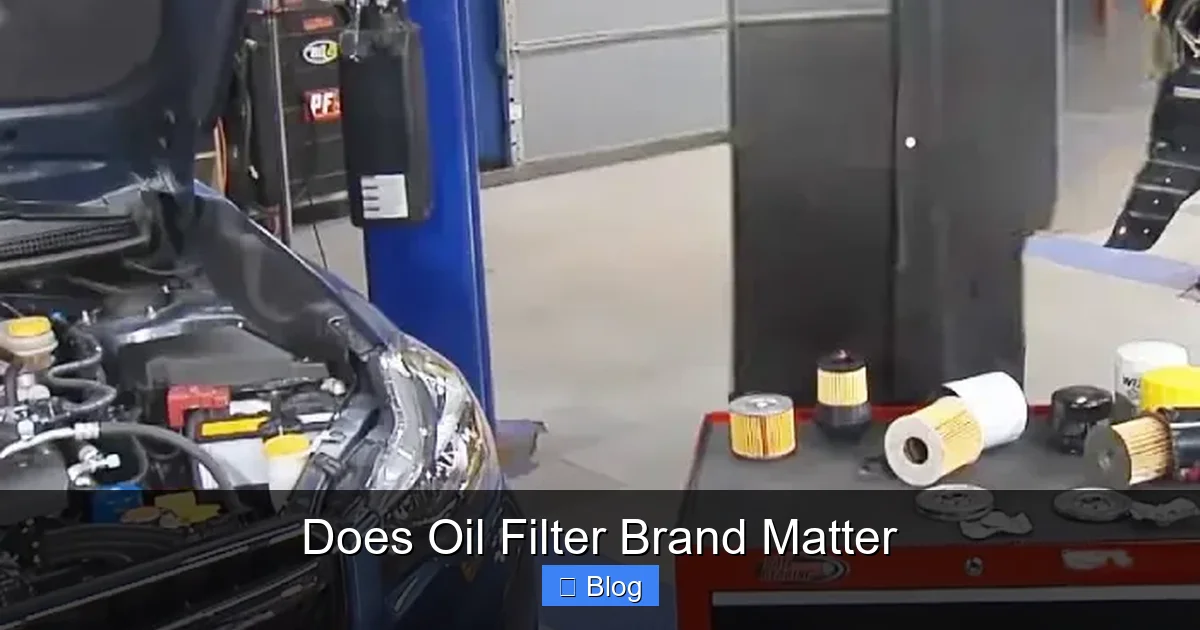
So, back to our central dilemma: does oil filter brand matter? The short answer is, unequivocally, yes. While virtually all oil filters sold today meet the minimum specifications set by vehicle manufacturers, there’s a significant range in quality, performance, and longevity beyond those basic requirements. This is where the choice of oil filter brand truly becomes important.
Visual guide about Does Oil Filter Brand Matter
Image source: mroilguy.com
Why Some Say “No”
The argument that “any filter will do” usually stems from the fact that all filters sold for a specific application are designed to fit correctly and are generally engineered to meet or exceed OEM (Original Equipment Manufacturer) pressure and flow specifications. For everyday driving with standard oil change intervals, a basic, inexpensive filter might seem perfectly adequate. If you change your oil and filter religiously every 3,000-5,000 miles, some argue that even a less robust filter will perform its duty sufficiently before being replaced.
This perspective often focuses on the cost-saving aspect, viewing the oil filter as a commodity. However, it often overlooks the nuances of filtration efficiency, component durability, and the long-term health of your engine.
Why Experts Say “Yes”
Automotive engineers and experienced mechanics will generally agree that yes, oil filter brand matters. The differences might not be immediately apparent, but they manifest over time in several critical ways:
- Superior Filtration: Higher quality filters often use advanced synthetic or blended filter media, which can trap smaller particles more efficiently without restricting oil flow. This means cleaner oil for your engine.
- Better Component Durability: Premium filters use stronger canisters, higher-quality gaskets, and more durable anti-drain back and bypass valves. These components are less likely to fail under stress, ensuring consistent performance.
- Enhanced Engine Protection: A better filter means better protection. Over thousands of miles, the cumulative effect of superior filtration can significantly reduce engine wear, leading to a longer engine lifespan.
- Performance Under Stress: For vehicles that tow, drive in extreme temperatures, or use extended-drain synthetic oils, a higher-quality filter is essential. It needs to maintain integrity and filtration efficiency over longer periods and under more demanding conditions.
Therefore, while a cheap filter might technically “work,” a quality oil filter brand provides a significant advantage in terms of protection and peace of mind. The question isn’t just “does oil filter brand matter?” but “how much does it matter to you and your engine?”
Key Factors Influencing Oil Filter Quality
Understanding the internal components of an oil filter helps us see where differences in an oil filter brand truly come into play. Here are the critical factors that separate a good filter from a great one:
Visual guide about Does Oil Filter Brand Matter
Image source: takeuroil.com
Filter Media Efficiency
This is arguably the most important factor. The filter media determines what particles are trapped and how well.
- Cellulose (Paper) Media: Found in most basic filters. It’s effective at trapping larger particles but can be less efficient for very fine contaminants. It also degrades faster and can lose efficiency as it gets loaded with dirt.
- Synthetic Media: Made from synthetic fibers like fiberglass, polyester, or composite materials. Synthetic media offers superior filtration efficiency, capturing much finer particles while maintaining excellent oil flow. It also has a greater dirt-holding capacity and holds up better over longer oil change intervals, making it ideal for synthetic oils.
- Blended Media: A mix of cellulose and synthetic fibers, offering a balance of performance and cost.
A good oil filter brand will often highlight its media type and micron rating (the smallest particle size it can trap).
Construction Quality
The overall build of the filter affects its durability and ability to withstand engine environments.
- Canister Strength: A robust, thicker steel canister is less prone to damage from impacts or internal pressure surges.
- End Caps: Metal end caps are generally superior to fiber or cardboard, as they provide a better seal and prevent unfiltered oil from bypassing the media.
- Sealing and Adhesive: Quality filters use strong, durable adhesives to seal the media to the end caps, ensuring no bypass.
When you ask yourself, “does oil filter brand matter?”, the construction is a significant part of the answer.
Valve Quality (ADBV & Bypass Valve)
These small components have massive implications for engine protection.
- Anti-Drain Back Valve (ADBV): A good ADBV ensures oil stays in the filter and galleries after shutdown, preventing dry starts. Silicone ADBVs are superior to nitrile rubber as they remain flexible and seal better in extreme temperatures and over time, making them a hallmark of a quality oil filter brand.
- Bypass Valve: The correct opening pressure is vital. Too low, and unfiltered oil might frequently bypass the media; too high, and your engine could starve for oil if the media clogs. Metal bypass valves are typically more reliable than plastic ones.
Gasket Material
The gasket provides the seal against the engine block. A high-quality rubber gasket (often silicone in premium filters) will resist heat and degradation, preventing leaks. A poor quality gasket can harden, crack, and lead to disastrous oil leaks.
Flow Rate
An effective filter must balance filtration with oil flow. If the media is too dense or restrictive, it can impede oil flow, potentially starving the engine. Premium filters use media designed for high flow rates while maintaining excellent filtration efficiency. This balance is a key differentiator when evaluating if oil filter brand matters.
Decoding Oil Filter Brands: Tiers and Recommendations
So, how do different oil filter brands stack up? It’s helpful to think of them in general tiers, though specific models within a brand can vary.
OEM Filters (Original Equipment Manufacturer)
These are the filters sold by your car’s manufacturer (e.g., Honda, Toyota, Ford). They are guaranteed to meet or exceed the exact specifications for your vehicle. Often, these are re-branded filters made by a major manufacturer (like Denso for Toyota, Mann+Hummel for European cars). They are a safe, reliable choice, though not always the cheapest.
Premium Aftermarket Brands
This is where you’ll find some of the best filters available. They often incorporate advanced materials and designs. When pondering “does oil filter brand matter?”, these brands exemplify why it does.
- Wix/NAPA Gold: Widely regarded as excellent filters, known for good construction and cellulose or blended media. NAPA Gold filters are manufactured by Wix.
- Mann-Filter: High-quality filters, especially popular for European vehicles. Known for robust construction and efficient media.
- Mobil 1/K&N/Royal Purple: These brands focus on synthetic media filters, designed for use with synthetic oils and extended drain intervals. They offer superior filtration and dirt-holding capacity.
- Bosch Premium: Offers strong performance with good media and construction.
- PurolatorONE/PureONE (discontinued but still in circulation): Known for good filtration and construction, often using a synthetic blend media. The PurolatorBOSS is their top-tier synthetic offering.
Mid-Tier Brands
These filters offer a good balance of performance and price, meeting or slightly exceeding OEM specs for most driving conditions.
- Fram Extra Guard: A very common oil filter brand. While older versions sometimes received criticism, modern Fram Extra Guard filters generally perform adequately for standard oil change intervals. Their Ultra Synthetic line is a premium offering.
- ACDelco (for GM vehicles): Often a good OEM replacement option.
- Motorcraft (for Ford vehicles): Ford’s OEM line, reliable and well-suited for Ford engines.
- Purolator Classic: A step down from PurolatorONE but still a solid option for conventional oil.
Economy/Budget Brands
These are the cheapest filters available. While they technically “work” and meet minimum requirements, they often use basic cellulose media, less durable valves, and simpler construction. They are generally only recommended for very frequent oil changes on older vehicles where maximum protection isn’t the top priority, but even then, it’s a risk. This is the category where does oil filter brand matter the most, as quality can be severely lacking.
What to Look For Beyond the Brand
Even within a good oil filter brand, there can be different lines (e.g., Fram Extra Guard vs. Fram Ultra Synthetic). Always look for specific features:
- Synthetic or Blended Media: Especially if you use synthetic oil or extended drain intervals.
- Silicone Anti-Drain Back Valve: For superior cold start protection.
- Metal End Caps: For better media sealing.
- Robust Canister: A heavier feel often indicates better construction.
How to Choose the Right Oil Filter for Your Vehicle
Now that we’ve established that does oil filter brand matter, let’s walk through how to make the best choice for your specific needs.
Consult Your Owner’s Manual
This is your first and most important step. Your owner’s manual will specify the correct filter size, thread pitch, and often, a recommended OEM part number or equivalent. Never deviate from these specifications, as an incorrect filter will not fit properly and can lead to leaks or engine damage.
Consider Your Driving Style and Conditions
- Normal Commuting: For average driving with conventional or synthetic blend oil and standard 5,000-7,500 mile intervals, a mid-tier or OEM filter is usually sufficient.
- Heavy Duty/Towing/Performance: If you frequently tow, drive aggressively, or have a performance vehicle, invest in a premium oil filter brand with synthetic media for maximum protection.
- Frequent Short Trips/Stop-and-Go: These conditions can be tough on oil. A higher-quality filter can help manage increased contamination.
- Extreme Temperatures: In very hot or very cold climates, a filter with a silicone ADBV and robust construction is highly beneficial.
Match with Your Oil Type and Change Interval
- Conventional Oil: A standard cellulose or blended media filter from a reputable mid-tier oil filter brand is typically fine for conventional oil.
- Synthetic Blend Oil: A good quality blended media filter or a basic synthetic media filter is a wise choice.
- Full Synthetic Oil & Extended Drain Intervals: If you’re using full synthetic oil and aiming for extended drain intervals (e.g., 10,000+ miles), a premium, full synthetic media oil filter (like Mobil 1, K&N, Fram Ultra Synthetic) is almost a necessity. These filters are designed to maintain efficiency and dirt-holding capacity for longer periods.
Research Reputable Brands
Once you know the type of filter you need, look up the reputable brands listed earlier. Read reviews, check automotive forums specific to your vehicle, and ask trusted mechanics for their recommendations. This due diligence helps confirm that the oil filter brand you choose is reliable.
Don’t Compromise on Critical Components
Even if you’re on a budget, try to avoid filters with known weaknesses in their ADBV, bypass valve, or construction. Saving a few dollars on a filter can cost you thousands in engine repairs down the road.
Practical Tips for Oil Filter Selection and Maintenance
Beyond choosing the right oil filter brand, there are a few practical tips to ensure your oil filter performs optimally.
Understand Filter Cross-References
Most oil filter brands have cross-reference charts that list their equivalent part numbers for various OEM and competitor filters. Use these charts, but double-check fitment and specifications where possible.
Always Use the Correct Size and Thread Pitch
Using a filter that’s too long could hit other engine components, and an incorrect thread pitch will either not screw on or, worse, cross-thread and cause a massive leak.
Inspect the Filter Before Installation
Before installing any new filter, carefully inspect it. Check the gasket for any nicks or deformities. Ensure the bypass valve is not stuck open or closed (though this is harder to confirm visually). A quick visual inspection can catch manufacturing defects.
Change Your Filter with Every Oil Change
Some people try to save money by changing the filter every other oil change. This is a false economy. The filter is designed to work in conjunction with the oil for its specific service interval. A dirty filter will quickly negate the benefits of fresh oil. Always replace both the oil and the filter together.
Beware of Counterfeits
Unfortunately, counterfeit oil filters exist, often mimicking popular oil filter brand packaging. Purchase your filters from reputable auto parts stores, dealerships, or well-known online retailers to avoid fake products that offer virtually no engine protection.
Troubleshooting Common Oil Filter Issues
Even with the best oil filter brand, issues can sometimes arise. Here’s how to troubleshoot common problems related to oil filters:
Oil Leaks
If you notice oil leaking around the filter after an oil change, here’s what to check:
- Improper Installation: The most common cause. The filter might be overtightened (damaging the gasket) or undertightened. Always follow torque specifications or tighten by hand until snug, then an additional 1/2 to 3/4 turn.
- Old Gasket: Ensure the old filter gasket was completely removed from the engine block. If two gaskets are present, it will certainly leak.
- Damaged Gasket: Inspect the new filter’s gasket for any cuts or deformities before installation.
- Wrong Filter: An incorrect size or thread pitch will prevent a proper seal.
Low Oil Pressure Warning
If your low oil pressure light comes on after a filter change:
- Clogged Filter (Rarely Immediately After Change): This is more likely with an old, dirty filter. If it happens with a new filter, it could indicate a defect or extreme contamination elsewhere in the engine.
- Bypass Valve Issue: A faulty bypass valve that stays open can cause low pressure (as oil bypasses the engine) or if stuck closed, can cause oil starvation.
- Incorrect Oil Viscosity: While not a filter issue, using oil that’s too thin for your engine can cause low pressure readings.
Engine Noise on Startup (Ticking/Clatter)
If you hear a brief ticking or clatter, especially on cold starts:
- Failed Anti-Drain Back Valve (ADBV): This is a classic symptom. If the ADBV fails, oil drains out of the filter when the engine is off. On startup, it takes a few seconds for the oil pressure to build up and refill the filter, causing a lack of lubrication and noise. This is a prime example of why investing in a good oil filter brand with a quality silicone ADBV is crucial.
Premature Filter Clogging
If your filter seems to clog well before its recommended service interval:
- Poor Quality Filter: An economy filter might have less dirt-holding capacity.
- Excessive Engine Contamination: This could indicate deeper engine problems, such as sludge buildup, excessive blow-by, or internal wear generating too many particles.
Conclusion
So, does oil filter brand matter? The answer is a resounding yes. While all oil filters must meet basic operational standards, the differences in quality, materials, and design between various oil filter brands can profoundly impact your engine’s protection, performance, and longevity. Choosing a premium or high-quality filter from a reputable oil filter brand is an investment in your engine’s health.
Don’t fall into the trap of viewing the oil filter as a commodity where the cheapest option is always sufficient. For a component that costs only a few dollars, it plays an outsized role in preventing costly engine damage. By understanding the critical factors like filter media, valve quality, and construction, and by aligning your choice with your driving habits and oil type, you can make an informed decision that truly benefits your vehicle.
Next time you’re standing in front of that wall of filters, you’ll know that your decision of which oil filter brand matters significantly. Choose wisely, and your engine will thank you with many miles of reliable performance.

Sagor Jahan is the founder and author of Automopromo.com, dedicated to delivering insightful tips, reviews, and updates in the automotive and promotional industry. With a passion for innovation and clear guidance, Sagor helps readers make informed decisions and stay ahead in the ever-evolving automotive world.