
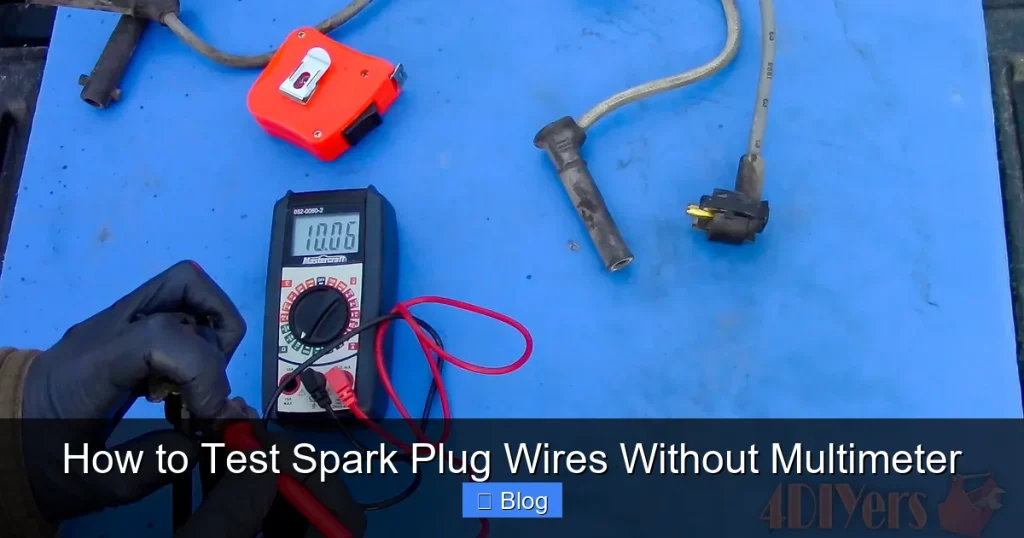
Testing spark plug wires without a multimeter is a straightforward DIY task that can reveal issues like cracks or poor conductivity causing engine misfires. This guide walks you through visual inspections, engine running tests, and swapping techniques to pinpoint faulty wires safely. By following these steps, you’ll maintain your vehicle’s performance without specialized tools.
Key Takeaways
- Visual Inspection is Key: Start by checking for cracks, burns, or corrosion on the wires, as these are common signs of wear that affect spark delivery.
- Safety Comes First: Always disconnect the battery and let the engine cool before handling wires to avoid shocks or burns.
- Engine Running Test Helps: Listen for misfires or rough idling while revving the engine to identify weak wires without tools.
- Swap Method Works Well: Exchange suspected wires with known good ones to confirm if the problem follows the wire.
- Dark Room Arcing Reveals Faults: In a dim garage, look for sparks jumping from wires during operation, indicating insulation breakdown.
- Regular Checks Prevent Breakdowns: Test wires every 30,000 miles to catch issues early and improve fuel efficiency.
Quick Answers to Common Questions
Can I test wires on a running engine safely?
Yes, but use insulated tools and avoid touching live parts. Disconnect the battery first for static checks, then proceed cautiously to prevent shocks.
How often should I inspect my spark plug wires?
Check them every 30,000 miles or during tune-ups. Early detection prevents misfires and extends engine life.
What if I find cracks but no misfires?
Replace them anyway—cracks worsen with heat and moisture, leading to future failures. It’s a cheap fix now versus a tow later.
Do all cars have spark plug wires?
No, coil-on-plug systems in modern vehicles don’t. This guide applies to distributor or coil-pack setups in older cars.
Is dielectric grease necessary?
It’s highly recommended. It prevents corrosion at connections and improves spark transfer during tests and installs.
Introduction
Hey there, fellow car enthusiast! If you’ve ever dealt with a misfiring engine or rough idling, you might suspect your spark plug wires. These crucial components carry high-voltage electricity from the distributor or coil to the spark plugs, igniting the fuel-air mixture in your engine. When they fail, it can lead to poor performance, decreased fuel economy, and even stalling. The good news? You don’t need a fancy multimeter to test them. This guide on how to test spark plug wires without multimeter will show you simple, effective methods using just your eyes, ears, and basic tools.
By the end, you’ll learn to spot damaged wires, perform engine tests, and troubleshoot like a pro. Whether you’re a beginner DIYer or a seasoned mechanic, these steps will save you trips to the shop. We’ll cover safety, visual checks, running tests, and more. Let’s get your engine firing on all cylinders!
Safety Precautions Before Testing
Before diving into how to test spark plug wires without multimeter, prioritize safety. Working with ignition systems involves high voltage, which can give you a nasty shock. Follow these steps to protect yourself and your vehicle.
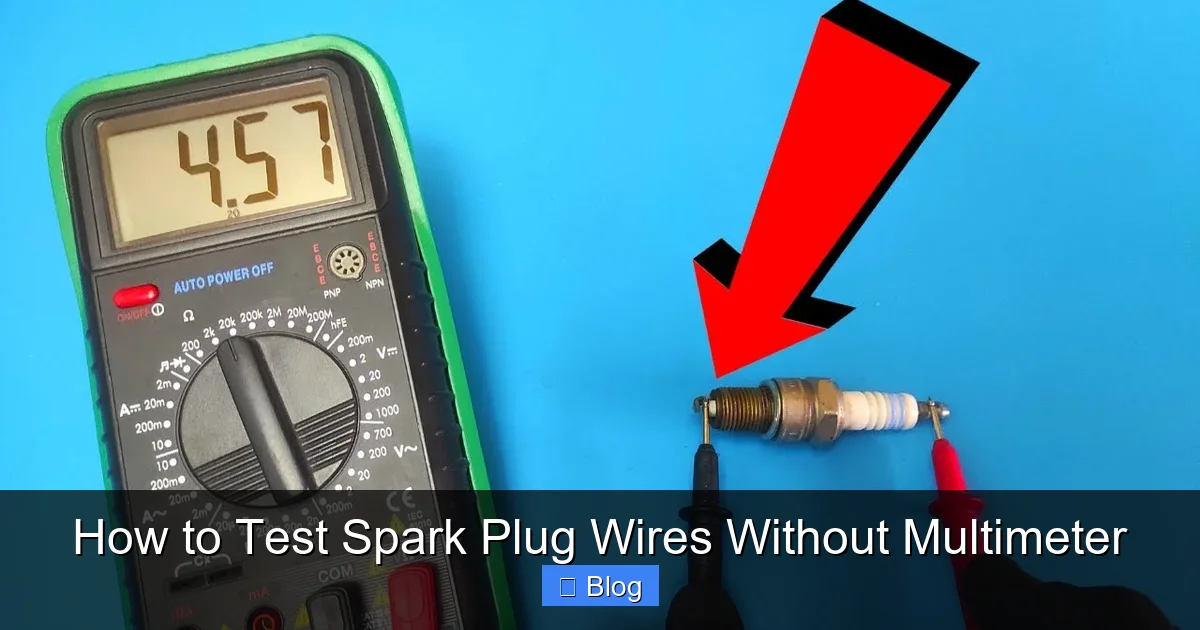
Visual guide about How to Test Spark Plug Wires Without Multimeter
Image source: i.ytimg.com
Prepare Your Workspace
- Park your car on a flat, level surface and engage the parking brake.
- Turn off the engine and let it cool completely—hot parts can burn you.
- Disconnect the negative battery terminal to prevent accidental starts or electrical surges.
Gather Basic Supplies
You won’t need much. Grab gloves for protection, a flashlight for visibility, and dielectric grease if you’re reseating connections. A clean rag helps too. These items make the process smoother and safer.
Pro tip: Wear safety glasses. Sparks or debris could fly during tests. Now that you’re set, let’s move to the first hands-on method.
Visual Inspection: The First Line of Defense
The easiest way to start testing spark plug wires without a multimeter is a thorough visual check. Many faults show up right on the surface. This method catches 80% of problems without starting the engine.
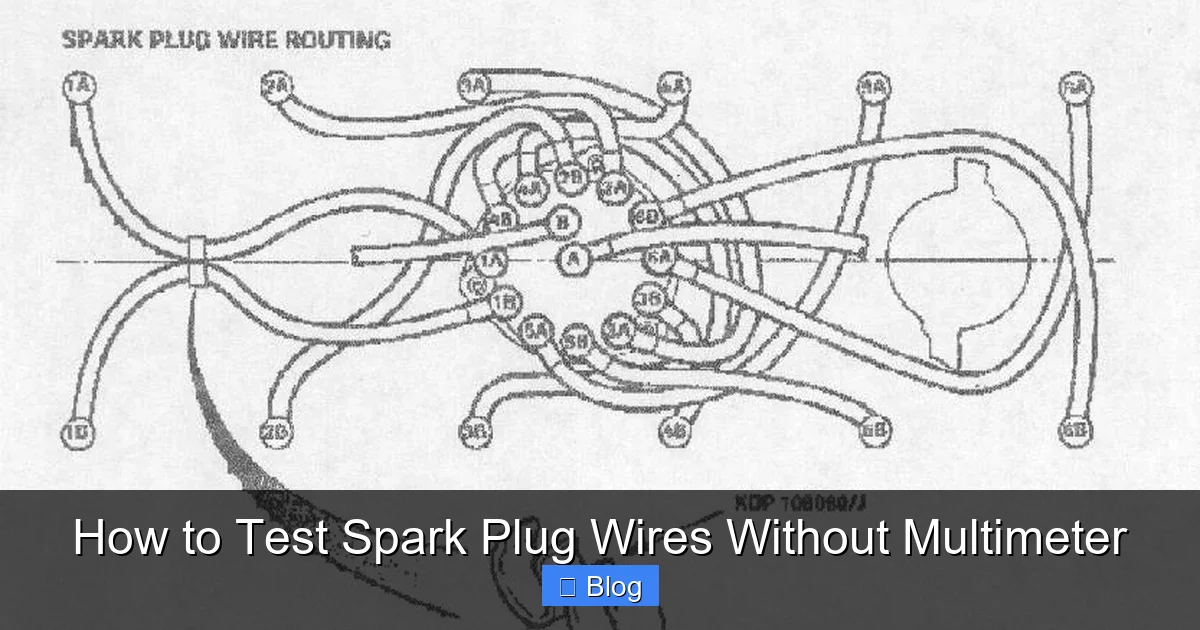
Visual guide about How to Test Spark Plug Wires Without Multimeter
Image source: jag-lovers.org
Locate and Access the Wires
- Open your hood and find the spark plug wires. They run from the distributor cap (older cars) or coil packs (newer models) to each spark plug.
- Remove any plastic covers gently to expose the wires fully.
Check for Physical Damage
Inspect each wire from end to end. Look for cracks in the rubber insulation—these let moisture in and cause misfires. Burn marks or melted spots near the exhaust indicate heat damage. Corrosion at the boots (ends) means poor connections.
For example, on my old Ford truck, I once found a wire with tiny cracks after a long drive in rainy weather. Replacing it fixed the hesitation instantly. Twist the wires lightly; brittle ones might break. If boots are loose, they could arc and fail.
Time estimate: 10-15 minutes. If everything looks good, proceed to dynamic tests. If not, note the damaged ones for replacement.
Engine Running Test for Performance Issues
With visuals done, fire up the engine to test spark plug wires without multimeter dynamically. This reveals how wires perform under load. Listen and feel for clues your eyes might miss.
Warm Up the Engine
- Reconnect the battery if you disconnected it.
- Start the engine and let it idle until warm (about 5 minutes).
Listen and Observe
At idle, a healthy engine purrs smoothly. Rev it gently to 2,000 RPM. Rough idling, popping sounds, or hesitation? That points to weak wires. Pull one boot at a time (with insulated pliers) while idling— if the engine smooths out, that wire is faulty.
Practical example: In a friend’s Chevy, pulling the third cylinder wire made the idle even out, confirming a bad wire. Avoid prolonged pulling to prevent flooding. This test is quick but effective for how to test spark plug wires without multimeter.
Tip: Do this in a well-ventilated area to avoid fumes. If no issues show, try the swap method next.
Quick Reference: Testing Methods Overview
Before we go deeper, here’s a handy table summarizing the key methods for testing spark plug wires without a multimeter. It breaks down each approach, what it checks, and when it’s most useful.
| Method | What It Checks | When to Use |
|---|---|---|
| Visual Inspection | Cracks, burns, corrosion, or loose boots | Initial check on a cool engine; quick and tool-free |
| Engine Running Test | Misfires, rough idle, or performance drops | When visuals pass but engine feels off; during warm-up |
| Wire Swap Test | If fault follows the wire to another cylinder | Suspected single bad wire; compare with known good |
| Dark Room Arcing Test | Sparks or leaks in insulation under voltage | Nighttime or dim garage; for subtle electrical faults |
| Resistance Feel Test | Brittleness or flexibility indicating wear | Hands-on check for older, rubber-heavy wires |
| Boot Pull Test | Connection integrity and spark strength | During idle; confirms if removing wire changes idle |
Swap Test: Confirming Faulty Wires
The swap test is a smart way to test spark plug wires without multimeter by comparison. It isolates issues by moving wires around. This method shines when you suspect one or two bad wires.
Identify a Known Good Wire
- Pick a cylinder that’s running strong—use your ear or a timing light if available, but even intuition works.
- Label wires with tape for easy tracking.
Perform the Swap
Shut off the engine. Swap the suspected wire with the good one. Restart and rev. If the misfire moves to the new position, the wire is bad. If not, the issue might be elsewhere, like plugs or coils.
Example: Swapping on a Honda Civic once showed the problem stayed put, pointing to a fouled plug instead. This test takes 20 minutes and builds confidence in your diagnosis. Always reseat boots firmly after.
Bonus: Apply dielectric grease to ends for better conductivity. It’s cheap insurance against future failures.
Dark Room Arcing Test for Hidden Leaks
For sneaky electrical issues, the dark room test reveals arcing in spark plug wires without multimeter. In low light, voltage leaks show as blue sparks—clear signs of insulation breakdown.
Set Up the Test Area
- Work in your garage at dusk or with lights off. Use a phone flashlight sparingly.
- Have a helper rev the engine if possible.
Observe for Arcing
Start the engine and look closely at each wire. Rev to 2,500 RPM. Sparks jumping to the block or nearby metal? That’s arcing from a compromised wire. No sparks mean they’re likely okay.
I tried this on a rainy day test for a Subaru—saw faint arcs on one wire, replaced it, and the car ran like new. This visual cue is gold for how to test spark plug wires without multimeter. Caution: Don’t touch during operation!
If arcing occurs, mark the wire and replace it soon to avoid further damage.
Additional Hands-On Checks
Beyond the basics, a few tactile tests enhance your approach to testing spark plug wires without multimeter. These focus on feel and resistance without electronics.
Flex and Resistance Test
With the engine off, gently bend each wire. It should flex smoothly without cracking sounds. Stiff or brittle wires have degraded insulation. Push-pull on boots; they should seat snugly without excessive play.
Example: On vintage cars, wires harden over time— this test caught it early on my classic Mustang.
Heat and Age Assessment
Feel for hot spots after a drive (carefully!). Uneven heat suggests resistance buildup. Check manufacture dates on wires; replace if over 5 years old.
These checks take under 10 minutes and complement other methods.
Troubleshooting Common Issues
Even with careful testing, problems can stump you. Here’s how to troubleshoot when testing spark plug wires without multimeter doesn’t fully solve the mystery.
Misfire Persists After Replacement
If swapping doesn’t help, inspect the distributor cap for carbon tracks or the coil for cracks. Moisture might be the culprit—dry everything and retest.
No Obvious Damage But Poor Performance
Contamination from oil leaks can coat wires. Clean with brake cleaner and recheck. Also, verify spark plugs are gapped correctly.
Intermittent Issues
These often tie to heat or vibration. Test in different conditions, like after a highway drive. If arcing shows only then, wires are failing under stress.
Pro example: A intermittent stall in a Toyota traced to loose boots—tightening fixed it. If all else fails, consult a mechanic for deeper scans.
Remember, regular maintenance like this prevents bigger headaches.
Conclusion
There you have it—a complete rundown on how to test spark plug wires without multimeter. From visual inspections to clever swaps and arcing hunts, these methods empower you to diagnose and fix ignition woes at home. You’ll save money, boost your car’s reliability, and gain satisfaction from hands-on work.
Start with safety, methodically check each step, and don’t hesitate to replace suspect wires—they’re inexpensive and easy to swap. Regular testing every oil change keeps your engine purring. Got questions? Dive into the tips and FAQs below. Drive safe, and happy wrenching!

Sagor Jahan is the founder and author of Automopromo.com, dedicated to delivering insightful tips, reviews, and updates in the automotive and promotional industry. With a passion for innovation and clear guidance, Sagor helps readers make informed decisions and stay ahead in the ever-evolving automotive world.

