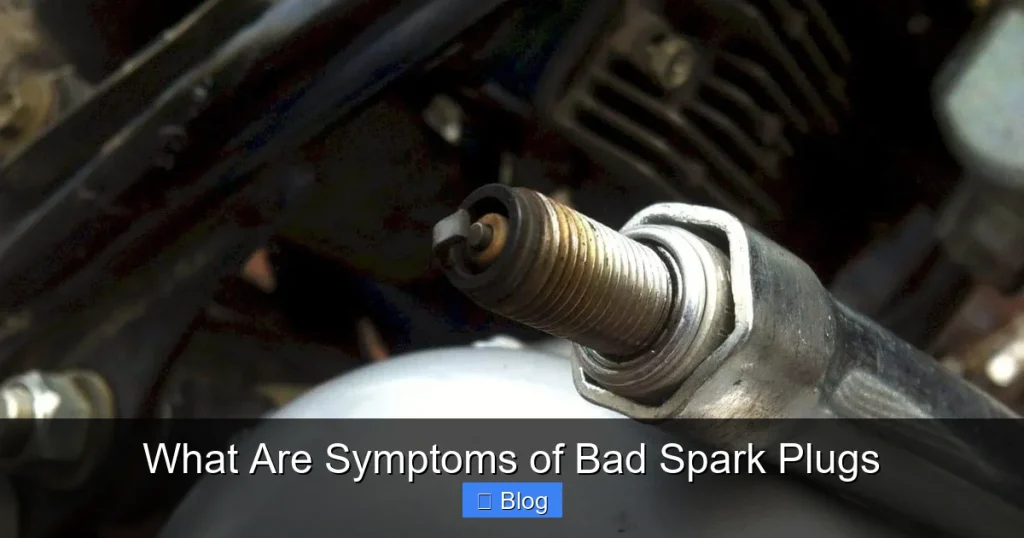
Spark plugs are vital for your engine’s ignition, but when they go bad, you’ll notice clear symptoms of bad spark plugs like misfires and reduced fuel efficiency. This guide breaks down these signs step by step, helping you diagnose problems without a mechanic. By understanding these symptoms of bad spark plugs, you can save time and money on repairs.
Key Takeaways
- Symptoms of bad spark plugs include engine misfires: This feels like jerking or stuttering while driving, often due to poor ignition.
- Rough idling is a common sign: Your engine may shake or vibrate excessively when stopped, signaling worn plugs.
- Poor acceleration happens with bad plugs: The car struggles to speed up, as combustion isn’t efficient.
- Decreased fuel economy points to issues: Bad spark plugs make your engine work harder, burning more gas.
- Check engine light may illuminate: This warning can indicate spark plug problems among other issues.
- Hard starting is another symptom: Your vehicle might crank longer before firing up due to weak sparks.
- Regular inspection prevents bigger problems: Spotting symptoms of bad spark plugs early keeps your engine running smoothly.
Quick Answers to Common Questions
How often should I check for symptoms of bad spark plugs?
Inspect every 30,000 miles or if you notice rough running. Early checks prevent breakdowns.
Can bad spark plugs damage my engine?
Yes, prolonged misfires can harm pistons or the catalytic converter. Address symptoms quickly.
What’s the cost to replace spark plugs?
DIY costs $20-100 for parts. Shop labor adds $100-200, depending on your vehicle.
Do all cars show the same symptoms of bad spark plugs?
Mostly yes, but hybrids or diesels vary. Check your manual for specifics.
Should I replace all plugs at once?
Absolutely—mismatched plugs cause uneven wear. Do them as a set for best results.
Introduction to Symptoms of Bad Spark Plugs
Hey there, fellow driver! If you’ve ever felt your car acting up for no clear reason, you might be dealing with symptoms of bad spark plugs. Spark plugs are small but mighty parts in your engine. They ignite the fuel-air mix to keep things running smoothly. When they wear out, your ride suffers. In this guide, you’ll learn all about the common symptoms of bad spark plugs. We’ll cover how to spot them, what causes them, and simple steps to check your vehicle. No need for fancy tools—just some basic know-how. By the end, you’ll feel confident tackling these issues yourself. Let’s dive in and get your engine purring again!
What Are Spark Plugs and Why Do They Matter?
Before we jump into the symptoms of bad spark plugs, let’s chat about what these little guys do. Spark plugs sit in your engine’s cylinders. They create a spark that ignites the fuel. This powers your pistons and gets you moving. Most cars have four to eight of them, depending on the engine size.
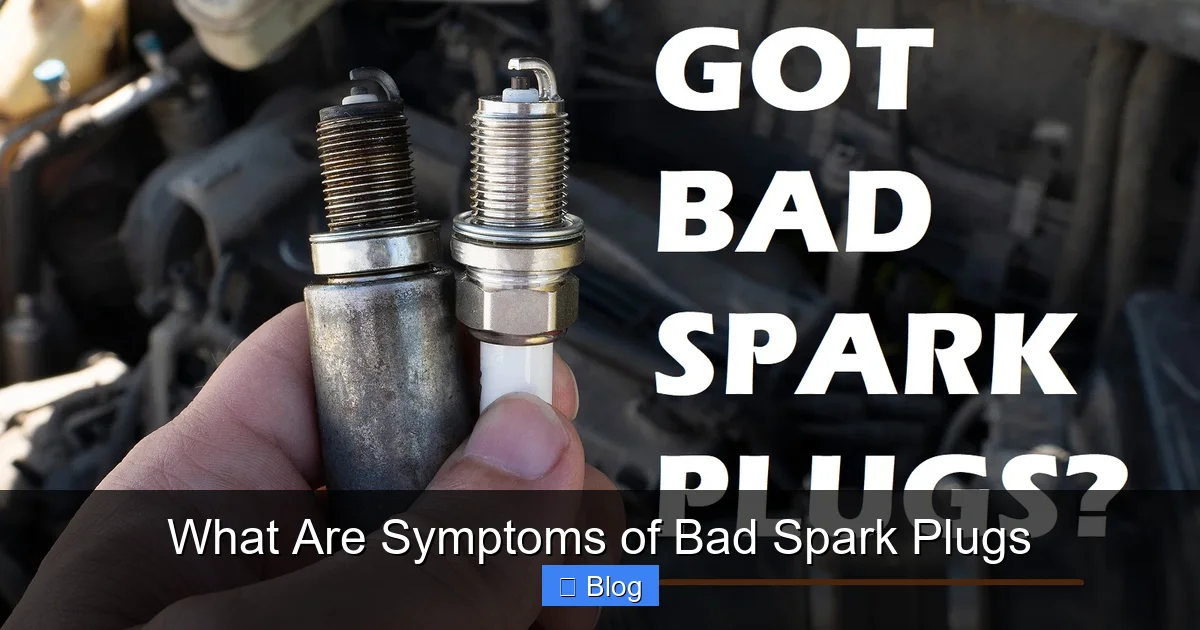
Visual guide about What Are Symptoms of Bad Spark Plugs
Image source: autorepairindy.com
A good spark plug looks clean with a fresh gap. But over time, they foul up with carbon, oil, or wear down the electrode. This leads to weak sparks or none at all. Ignoring symptoms of bad spark plugs can cause bigger headaches like engine damage or failed emissions tests. Regular checks every 30,000 miles help prevent that. Think of them as the spark of life for your car!
How Spark Plugs Wear Out
Spark plugs don’t last forever. Heat, corrosion, and deposits wear them down. Cheap gas or a dirty engine speeds this up. If you drive in stop-and-go traffic, they foul faster. Watch for early symptoms of bad spark plugs to catch it before it’s too late.
Common Symptoms of Bad Spark Plugs
Spotting symptoms of bad spark plugs early saves you from towing your car to the shop. These signs often start subtle but build up. Pay attention during your daily drives. Here’s a breakdown of the most frequent ones.
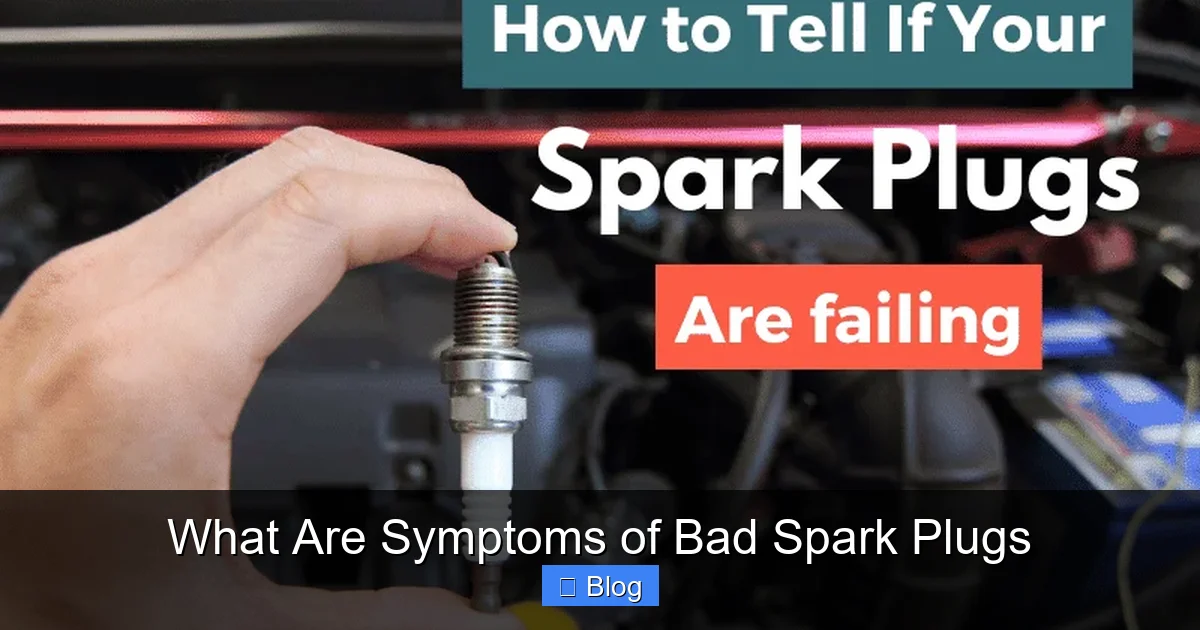
Visual guide about What Are Symptoms of Bad Spark Plugs
Image source: mechanicsdiary.com
First up, engine misfires. This is like your car hiccuping. You feel pops or jerks, especially under load like climbing a hill. It happens when a plug fails to fire properly. Your check engine light might blink too—that’s a red flag for misfires from bad plugs.
Next, rough idling. When you’re at a stoplight, does your engine shake like it’s cold? Bad spark plugs cause uneven combustion. This vibration can make your steering wheel buzz. It’s annoying and a clear symptom of bad spark plugs.
Poor acceleration is another big one. If your car feels sluggish off the line, plugs could be the culprit. Without a strong spark, power drops. You press the gas, but nothing happens fast. This ties into symptoms of bad spark plugs because weak ignition starves the engine of power.
Symptoms at a Glance
To make it easier, here’s a quick reference table for the top symptoms of bad spark plugs. Use this as a cheat sheet when diagnosing your vehicle.
Now that we’ve covered the basics, let’s go deeper into other symptoms of bad spark plugs. Decreased fuel economy sneaks up on you. Bad plugs make the engine inefficient. You might see your MPG drop by 10-20%. Track your gas usage to spot this early.
Hard starting is frustrating, especially in the morning. If it takes extra turns of the key, suspect the plugs. Weak sparks struggle to ignite cold fuel. This symptom of bad spark plugs worsens in winter.
Don’t ignore odd exhaust smells. Unburnt fuel from misfires creates a strong gasoline odor. Or, if plugs are very bad, you might smell sulfur—like rotten eggs—from a clogged catalytic converter. These symptoms of bad spark plugs signal it’s time for action.
Backfiring is rarer but dramatic. You hear bangs from the exhaust or intake. This happens when fuel ignites late due to bad plugs. It’s loud and could scare you, but it’s a definite symptom of bad spark plugs.
How to Diagnose Symptoms of Bad Spark Plugs Step by Step
Ready to play detective? Diagnosing symptoms of bad spark plugs doesn’t require a garage full of tools. Follow these steps safely in your driveway. Park on a flat surface, engine off, and let it cool if hot.
| Symptom | Description | Potential Impact |
|---|---|---|
| Engine Misfire | Jerky motion or popping sounds during acceleration | Reduced power; possible catalytic converter damage |
| Rough Idling | Shaking or vibrating at stops | Uneven engine wear; passenger discomfort |
| Poor Acceleration | Sluggish response to gas pedal | Safety risks in merging traffic |
| Decreased Fuel Economy | More frequent gas station visits | Higher costs; increased emissions |
| Hard Starting | Prolonged cranking before engine fires | Battery strain; morning drive frustration |
| Check Engine Light | Dashboard warning illuminates steadily or blinks | Requires diagnostic scan; ignored issues worsen |
| Exhaust Smells Odd | Fuel-like or rotten egg odor from tailpipe | Environmental harm; failed inspections |
Step 1: Listen and Feel for Misfires
Start the engine and let it idle. Feel for shakes or hear pops? Rev it gently—does it hesitate? These are classic symptoms of bad spark plugs. Note if it worsens when warm or cold.
Drive a short loop. Pay attention to acceleration. If it bogs down, that’s a clue. Safety first—don’t test on busy roads.
Step 2: Check the Check Engine Light
Grab an OBD-II scanner from an auto parts store (they’re cheap!). Plug it into the port under your dash. Codes like P0300 mean misfires, often from bad plugs. This confirms symptoms of bad spark plugs without guessing.
If no scanner, most stores scan for free. Write down the codes for later.
Step 3: Inspect Fuel Economy and Starting
Fill up your tank and reset your trip odometer. Drive normally for a week. If MPG is way off, plugs might be bad. For starting, time how long it cranks. Over 2-3 seconds? Another symptom of bad spark plugs.
Smell the exhaust too. Strong fuel scent? Time to look closer.
Step 4: Visual Inspection of Spark Plugs
This step needs basic tools: ratchet, socket, and gloves. Locate the plugs—check your manual for spots. Disconnect the battery first for safety.
Remove one plug at a time. A good one has a light tan electrode. Bad ones are black (carbon fouled), oily (engine issues), or white (overheating). Gaps wider than spec? Worn out. These visuals scream symptoms of bad spark plugs.
Tip: Label wires to avoid mix-ups. Torque new plugs to spec—too tight damages threads.
Practical Tips for Dealing with Bad Spark Plugs
Once you’ve spotted symptoms of bad spark plugs, what next? Don’t panic. Replacing them is a weekend job for most. Use the right type—iridium or platinum last longer.
Buy quality plugs from trusted brands. Cheap ones fail fast. Gap them correctly with a feeler gauge. Apply anti-seize to threads for easy future removal.
Example: On a 2015 Honda Civic, symptoms like rough idle led me to fouled plugs from old gas. A $20 set fixed it in an hour. Your car might differ, but the process is similar.
If symptoms persist after replacement, check wires, coils, or fuel system. Bad plugs often team up with other issues.
Troubleshooting Common Issues Beyond Spark Plugs
Sometimes, symptoms of bad spark plugs mimic other problems. Rough idle could be a vacuum leak. Misfires? Faulty coil packs. Use process of elimination.
Start with plugs, then test coils by swapping them. If the misfire moves, the coil is bad. For fuel smells, inspect injectors.
Pro tip: Clean your throttle body if idling’s off—it helps alongside new plugs. Always scan codes first to narrow it down.
In hot climates, overheating exacerbates symptoms of bad spark plugs. Coolant checks prevent that. If you’re unsure, a mechanic’s diagnostic runs $50-100—worth it to avoid guesses.
When to Seek Professional Help
DIY is great, but some cases need pros. If your engine knocks loudly or smokes, stop driving. These symptoms of bad spark plugs could mean deeper damage.
Modern cars with tight engines are tricky to access. Pay a shop $200-300 for plug changes if you’re not handy. It’s cheaper than a full engine rebuild from ignored signs.
Conclusion: Keep an Eye on Symptoms of Bad Spark Plugs
There you have it—a full rundown on symptoms of bad spark plugs. From misfires to poor starts, these signs are your car’s way of crying for help. Catching them early keeps drives fun and wallets happy. Schedule tune-ups regularly, and you’ll avoid most issues. Your engine will thank you with smooth performance. Got questions? Hit the comments. Safe driving!

Sagor Jahan is the founder and author of Automopromo.com, dedicated to delivering insightful tips, reviews, and updates in the automotive and promotional industry. With a passion for innovation and clear guidance, Sagor helps readers make informed decisions and stay ahead in the ever-evolving automotive world.