
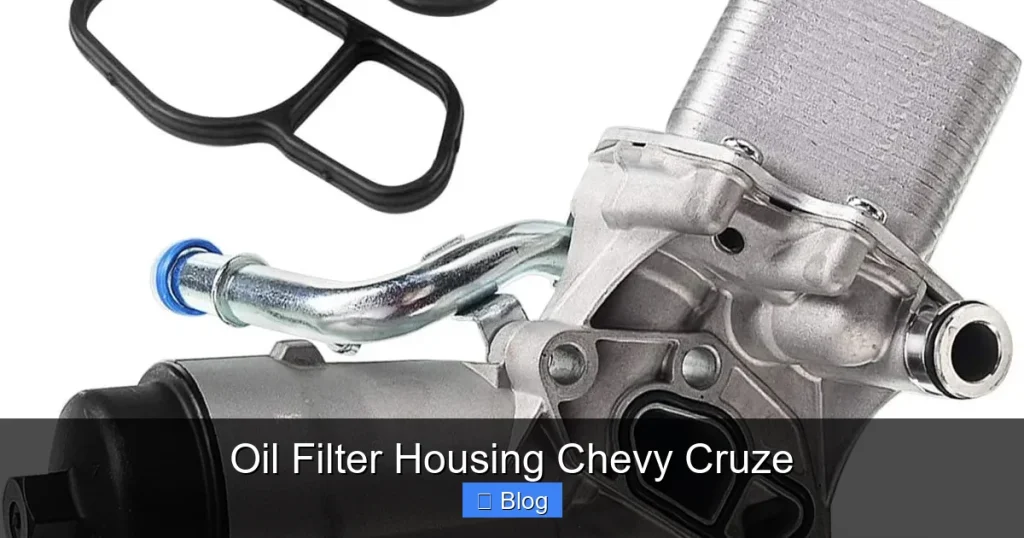
The oil filter housing on a Chevy Cruze plays a vital role in engine health by ensuring clean oil circulation. Understanding its function, common problems, and proper maintenance can save you time, money, and prevent costly engine damage down the road.
If you own a Chevy Cruze, you probably already know that regular maintenance is key to keeping your compact sedan running smoothly. One component that doesn’t always get the spotlight—but absolutely should—is the oil filter housing. This small but mighty part plays a big role in your engine’s health. Think of it as the gatekeeper of clean oil. Without a properly functioning oil filter housing, dirt and debris can circulate through your engine, leading to wear, reduced performance, and even costly repairs.
The oil filter housing on the Chevy Cruze isn’t just a metal bracket—it’s a precision-engineered assembly that holds the oil filter cartridge, seals it tightly, and channels oil through the engine. Unlike older vehicles with external spin-on filters, the Cruze uses a cartridge system housed inside a sealed unit, typically made of aluminum or durable plastic. This design saves space and improves efficiency, but it also means that when something goes wrong, it can be trickier to diagnose and fix. That’s why understanding how this part works—and how to maintain it—is essential for any Cruze owner.
Key Takeaways
- Crucial Engine Component: The oil filter housing protects the engine by holding the oil filter and directing clean oil through the system.
- Common Leak Source: Cracked or warped housings and worn gaskets are frequent causes of oil leaks in Chevy Cruzes.
- Model-Specific Design: The Cruze uses a cartridge-style filter system housed in an aluminum or plastic assembly, which differs from traditional spin-on filters.
- DIY-Friendly Replacement: With basic tools and patience, many Cruze owners can replace the housing and gasket themselves.
- Regular Inspection Recommended: Check the housing during oil changes to catch cracks or leaks early.
- Use OEM or High-Quality Parts: Aftermarket housings may not fit properly or withstand heat and pressure over time.
- Torque Matters: Over-tightening can crack the housing; always follow manufacturer torque specs.
Quick Answers to Common Questions
Where is the oil filter housing located on a Chevy Cruze?
The oil filter housing is typically mounted on the side of the engine block, near the oil pan. It’s easily accessible from underneath the vehicle, often near the front passenger side.
Can I drive with a leaking oil filter housing?
You can drive short distances, but it’s not recommended. A leak can lead to low oil levels, which may cause engine damage. Address the issue as soon as possible.
How often should I replace the oil filter housing?
There’s no set interval. Replace it only if it’s cracked, leaking, or damaged. However, inspect it during every oil change.
Do I need to replace the entire housing if it leaks?
Not always. If only the gasket or O-ring is faulty, you can replace just that part. But if the housing is cracked or warped, a full replacement is necessary.
What type of oil should I use after replacing the housing?
Use the oil type specified in your owner’s manual—usually 5W-30 for most Chevy Cruze models. Always check the dipstick after refilling.
📑 Table of Contents
What Is the Oil Filter Housing on a Chevy Cruze?
The oil filter housing on a Chevy Cruze is a sealed assembly mounted on the engine block, usually near the oil pan. Its main job is to hold the oil filter cartridge securely and ensure that oil flows through the filter before entering the engine. Unlike traditional oil filters that screw onto the engine, the Cruze uses a replaceable filter element (cartridge) that fits inside the housing. The housing itself includes a cap, a base, and a sealing gasket or O-ring to prevent leaks.
This design has several advantages. It reduces waste since you only replace the filter element, not the entire housing. It also allows for more compact engine layouts, which is important in modern, space-efficient vehicles like the Cruze. However, because the housing is exposed to high temperatures and constant oil pressure, it’s prone to wear over time. Cracks, warping, or degraded gaskets can lead to oil leaks, which, if ignored, can cause low oil levels and engine damage.
Common Problems with the Oil Filter Housing
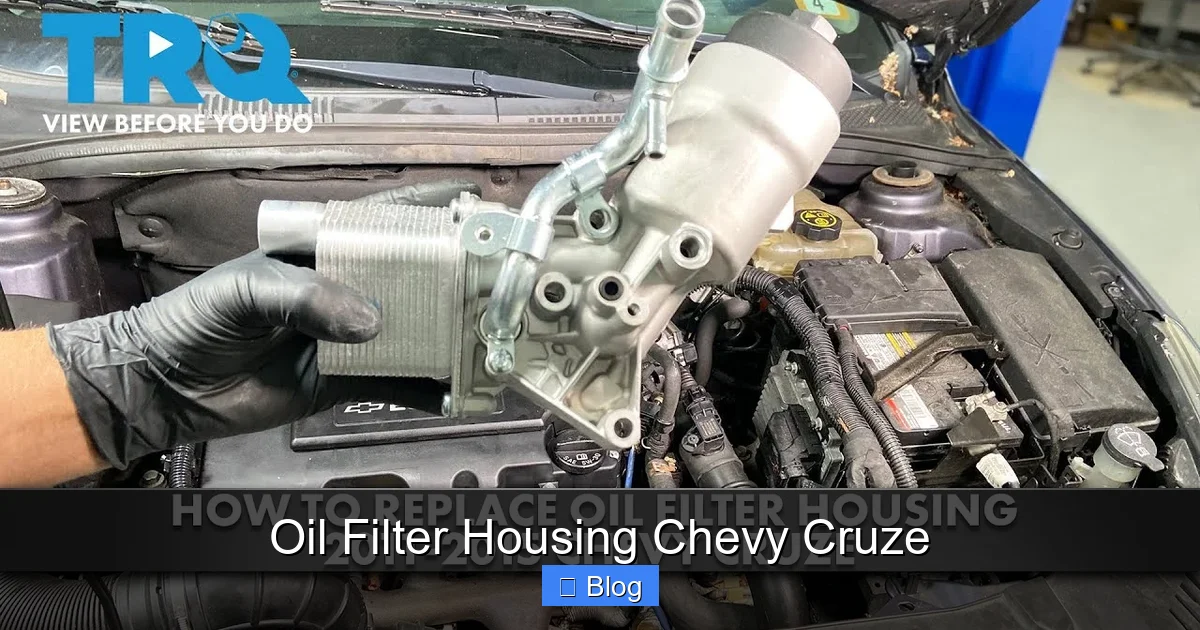
Visual guide about Oil Filter Housing Chevy Cruze
Image source: i.ytimg.com
One of the most frequent issues Chevy Cruze owners face is oil leaks from the filter housing. These leaks often start small—just a few drops under the car—but can quickly escalate if not addressed. The root causes usually fall into a few categories: cracked housings, worn gaskets, or improper installation.
Cracked or Warped Housing
Over time, the repeated heating and cooling cycles can cause the housing material—especially plastic versions—to become brittle and crack. Aluminum housings are more durable but can still warp if over-tightened or exposed to excessive heat. A cracked housing allows oil to seep out, often near the base or around the cap.
Failed Gasket or O-Ring
The gasket or O-ring that seals the housing cap is made of rubber or silicone, which degrades over time. When this seal fails, oil can leak from the top of the housing. This is one of the most common and easiest fixes, but it’s often overlooked because the leak might not be immediately obvious.
Over-Tightening During Installation
Many DIY mechanics make the mistake of tightening the housing cap too much, thinking it will prevent leaks. In reality, over-tightening can crack the housing or distort the seal, causing leaks. Always use a torque wrench and follow the manufacturer’s specifications—usually around 18-22 ft-lbs for the cap.
Improper Filter Cartridge Installation
If the filter cartridge isn’t seated correctly or the old O-ring is left behind, it can cause misalignment and leaks. Always double-check that the old O-ring is removed and the new cartridge is properly aligned before tightening the cap.
Signs You Need to Replace the Oil Filter Housing
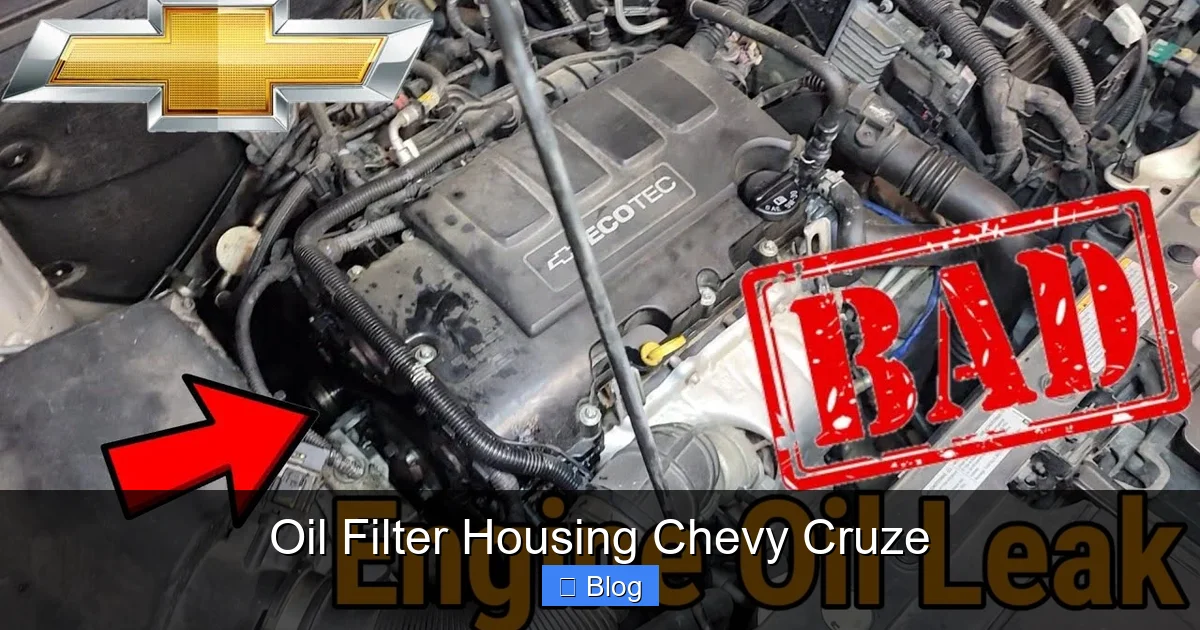
Visual guide about Oil Filter Housing Chevy Cruze
Image source: i.ytimg.com
Knowing when to replace the oil filter housing can save you from bigger engine problems. Here are the most common warning signs:
Visible Oil Leaks
If you notice oil spots under your car, especially near the front of the engine, inspect the oil filter housing. Use a flashlight to look for fresh oil around the housing base, cap, or oil lines.
Low Oil Level
Frequent top-offs between oil changes could indicate a slow leak. Check the dipstick regularly and monitor oil consumption.
Burning Smell
If oil drips onto hot engine parts, it can produce a burning smell. This is a red flag that shouldn’t be ignored.
Engine Performance Issues
Low oil pressure due to leaks can trigger warning lights on your dashboard, such as the oil pressure or check engine light. Reduced lubrication can also cause engine knocking or reduced performance.
Visible Cracks or Damage
During an oil change, take a close look at the housing. Cracks, warping, or discoloration (especially on plastic housings) are signs it needs replacement.
How to Replace the Oil Filter Housing on a Chevy Cruze
Replacing the oil filter housing on a Chevy Cruze is a manageable DIY job if you have basic mechanical skills and the right tools. Here’s a step-by-step guide to help you through the process.
Gather Your Tools and Parts
You’ll need:
– New oil filter housing (OEM or high-quality aftermarket)
– New gasket or O-ring (often included with the housing)
– New oil filter cartridge
– Fresh engine oil (check your owner’s manual for the correct type and amount)
– Socket wrench set
– Torque wrench
– Oil drain pan
– Funnel
– Shop rags
Drain the Oil
Start by warming up the engine for a few minutes to thin the oil, then turn it off. Place the drain pan under the oil pan and remove the drain plug to drain the oil completely. This prevents spills when you remove the housing.
Remove the Old Housing
Locate the oil filter housing—it’s usually on the side of the engine block. Disconnect any attached oil lines if present (some models have coolant lines running through the housing). Use a socket wrench to remove the bolts holding the housing in place. Carefully pull the housing away from the engine.
Install the New Housing
Clean the mating surface on the engine block to remove old gasket material and debris. Install the new gasket or O-ring on the new housing. Position the housing and hand-tighten the bolts. Use a torque wrench to tighten them to the manufacturer’s specification—typically 15-20 ft-lbs. Reconnect any oil or coolant lines.
Replace the Filter Cartridge and Refill Oil
Install the new oil filter cartridge into the housing, making sure the O-ring is properly seated. Tighten the cap to the recommended torque. Refill the engine with the correct amount and type of oil. Start the engine and let it run for a few minutes, checking for leaks. Turn it off, wait a few minutes, then check the oil level and top off if needed.
Tips for Preventing Future Issues
Prevention is always better than repair. Here are some tips to keep your oil filter housing in top shape:
Inspect During Every Oil Change
Make it a habit to visually inspect the housing for cracks, leaks, or loose fittings every time you change the oil.
Use Quality Parts
Cheap aftermarket housings may save money upfront but can fail prematurely. Stick with OEM (Original Equipment Manufacturer) or reputable aftermarket brands.
Don’t Over-Tighten
Always use a torque wrench when tightening the housing cap and bolts. Over-tightening is a leading cause of housing damage.
Replace the Gasket Regularly
Even if the housing looks fine, consider replacing the gasket every 2-3 oil changes to ensure a tight seal.
Monitor Oil Consumption
Keep an eye on your oil level between changes. Unusual consumption could indicate a slow leak.
Conclusion
The oil filter housing on your Chevy Cruze might not be the most glamorous part of your car, but it’s one of the most important. It ensures that clean, filtered oil reaches your engine, protecting it from wear and tear. While issues like leaks and cracks are common, they’re also preventable with regular maintenance and careful attention. Whether you’re tackling a replacement yourself or leaving it to a professional, understanding how this component works empowers you to make smarter decisions about your vehicle’s care. Don’t wait for a major leak or engine trouble—stay proactive, and your Cruze will thank you with years of reliable performance.
Frequently Asked Questions
What causes the oil filter housing to crack on a Chevy Cruze?
Cracks are often caused by thermal stress from repeated heating and cooling, over-tightening during installation, or using low-quality materials. Plastic housings are especially prone to cracking over time.
Is the oil filter housing the same as the oil filter?
No. The oil filter housing holds the replaceable filter cartridge. The housing is a permanent (or semi-permanent) part, while the cartridge is changed during oil changes.
Can I replace just the gasket instead of the whole housing?
Yes, if the housing itself is in good condition. Replacing the gasket or O-ring is a common and cost-effective fix for minor leaks.
How much does it cost to replace the oil filter housing on a Cruze?
Parts typically range from $50 to $150, depending on the material and brand. Labor costs at a shop can add $100–$200, but DIY replacement can save most of that.
Does the oil filter housing affect oil pressure?
Indirectly, yes. A severe leak can cause low oil levels, which may reduce oil pressure. However, the housing itself doesn’t regulate pressure—that’s the job of the oil pump.
Are there different oil filter housings for different Cruze models?
Yes. Housings can vary by engine type (1.4L turbo vs. 1.8L), model year, and whether the vehicle has an integrated coolant line. Always verify compatibility before purchasing.

Sagor Jahan is the founder and author of Automopromo.com, dedicated to delivering insightful tips, reviews, and updates in the automotive and promotional industry. With a passion for innovation and clear guidance, Sagor helps readers make informed decisions and stay ahead in the ever-evolving automotive world.

