
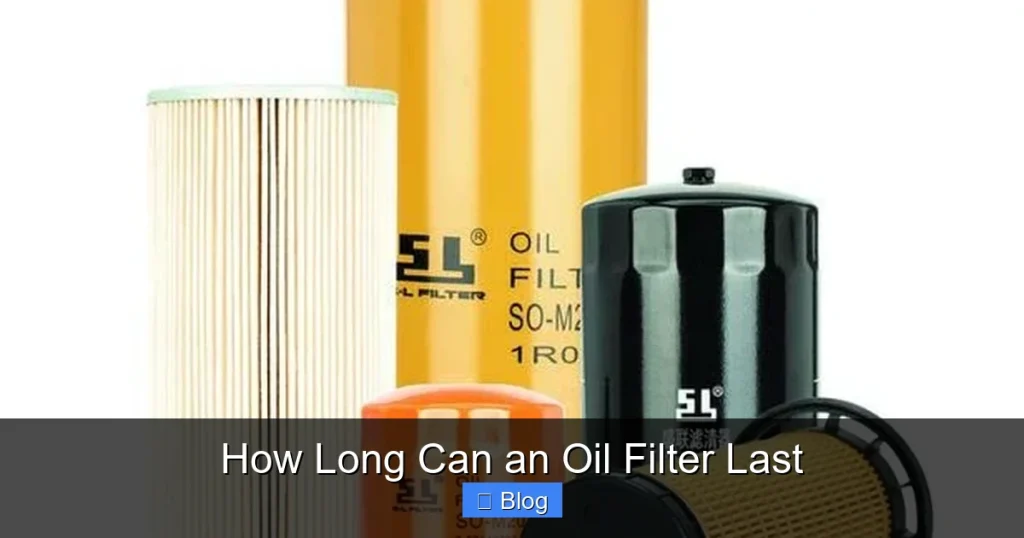
An oil filter typically lasts between 3,000 to 10,000 miles, depending on driving conditions, oil type, and vehicle make. Regular maintenance and knowing the signs of a clogged filter can prevent engine damage and extend your car’s life.
Most oil filters last between 5,000 and 10,000 miles, depending on driving conditions, oil quality, and engine type. Many mechanics recommend replacing the oil filter every time you change the engine oil to ensure proper filtration and engine protection. High performance or heavy duty driving, such as towing or dusty environments, may require more frequent replacement. Always check your vehicle manufacturer’s maintenance schedule for accurate intervals and follow service guidelines.
Key Takeaways
- Standard oil filters last 3,000–5,000 miles with conventional oil: This is the typical range for most drivers using regular oil and following manufacturer guidelines.
- Synthetic oil can extend filter life up to 10,000 miles: High-quality synthetic oil and modern filters are designed for longer intervals, but check your owner’s manual.
- Driving conditions greatly impact filter longevity: Frequent short trips, stop-and-go traffic, or dusty environments can clog filters faster.
- A clogged filter reduces engine performance and fuel efficiency: It restricts oil flow, leading to overheating and potential engine wear.
- Replace the oil filter every time you change the oil: Even if it looks clean, contaminants build up internally and reduce effectiveness over time.
- Use OEM or high-quality aftermarket filters: Cheap filters may fail prematurely or allow unfiltered oil to bypass the system.
- Watch for warning signs like low oil pressure or engine noise: These can indicate a failing filter and should be checked immediately.
Quick Answers to Common Questions
Can I reuse an oil filter?
No, oil filters are designed for single use. Reusing one can lead to leaks, poor filtration, and engine damage. Always install a new filter with every oil change.
Should I change the filter if I only drive short distances?
Yes. Short trips cause moisture and fuel dilution in the oil, leading to sludge. Change the filter more often—every 3,000 miles or every 6 months.
Can a dirty oil filter cause engine overheating?
Indirectly, yes. A clogged filter reduces oil flow, which can lead to increased friction and heat. While not the primary cause, it contributes to overheating.
Is it okay to go 1,000 miles over the recommended interval?
It’s not recommended. Even with synthetic oil, contaminants build up over time. Stick to the schedule to avoid risking engine health.
Do I need a special tool to remove the oil filter?
Most filters can be removed by hand, but if it’s tight, an oil filter wrench or strap tool makes the job easier and safer.
How Long Can an Oil Filter Last? A Complete Guide
If you’re wondering, “How long can an oil filter last?” you’re not alone. Many car owners overlook the oil filter when thinking about engine maintenance, but it plays a crucial role in keeping your engine clean and running smoothly. The oil filter traps dirt, metal particles, and sludge that accumulate in your engine oil, preventing them from circulating and causing damage.
In this guide, you’ll learn exactly how long an oil filter can last, what factors affect its lifespan, and when it’s time to replace it. We’ll also walk you through how to check your filter, choose the right one, and avoid common mistakes. Whether you’re a DIY mechanic or just want to stay on top of car care, this guide will help you protect your engine and save money in the long run.
What Is an Oil Filter and Why Does It Matter?
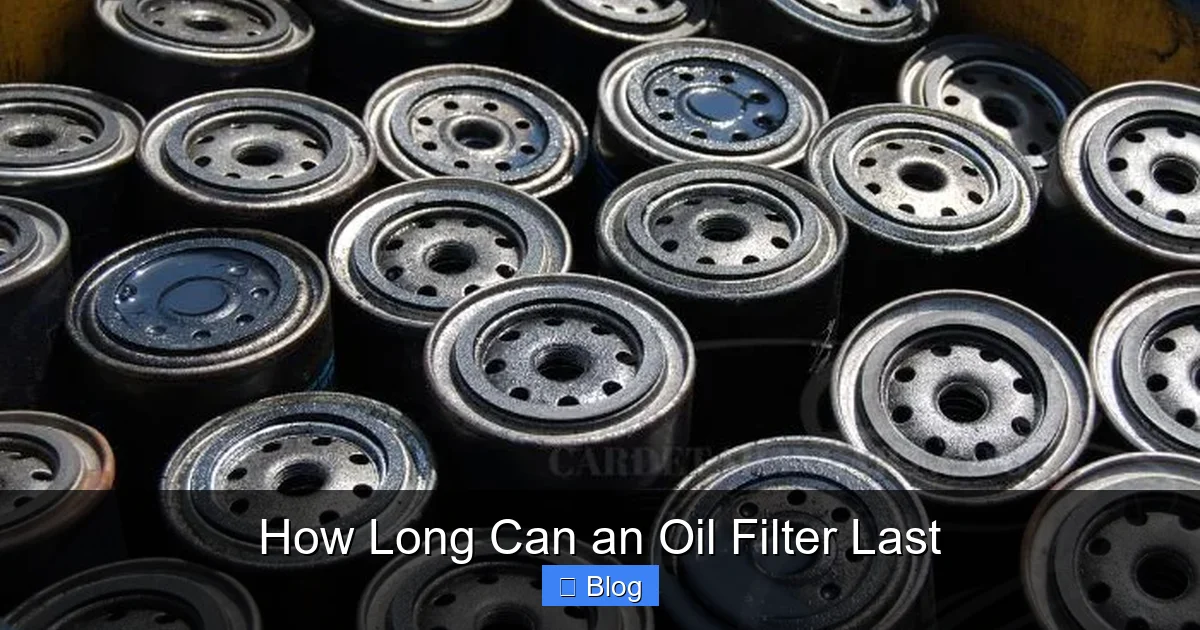
Visual guide about How Long Can an Oil Filter Last
Image source: automotivegearz.com
Your car’s engine relies on oil to lubricate moving parts, reduce friction, and prevent overheating. But over time, that oil picks up contaminants—tiny metal shavings from engine wear, dirt, and carbon deposits. Without a filter, these particles would circulate through the engine, accelerating wear and potentially causing serious damage.
The oil filter acts like a sponge, capturing these impurities while allowing clean oil to flow freely. Think of it as your engine’s immune system—silent but essential. A clean filter ensures optimal oil flow, better fuel efficiency, and longer engine life. Neglecting it can lead to sludge buildup, reduced performance, and costly repairs.
How Long Does an Oil Filter Typically Last?
Visual guide about How Long Can an Oil Filter Last
Image source: automotivegearz.com
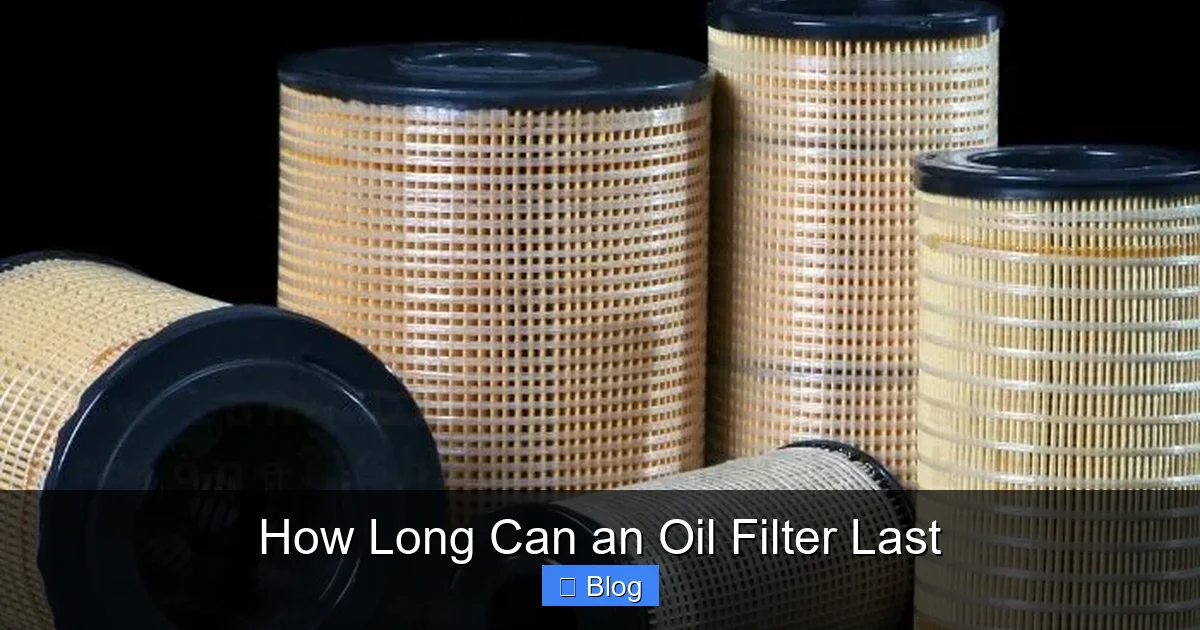
The short answer? Most oil filters last between 3,000 and 10,000 miles, but the exact lifespan depends on several factors.
With Conventional Oil: 3,000–5,000 Miles
If you’re using conventional motor oil and following the standard maintenance schedule, your oil filter should be replaced every 3,000 to 5,000 miles. This is the traditional recommendation and still holds true for many older vehicles or those driven in harsh conditions.
For example, if you drive 12,000 miles a year, that means changing your oil and filter about three times annually. While this may seem frequent, it ensures your engine stays protected, especially if you frequently drive in stop-and-go traffic or extreme temperatures.
With Synthetic Oil: Up to 10,000 Miles
Synthetic oil is more stable, resists breakdown, and flows better in extreme temperatures. Because it stays cleaner longer, it allows for extended oil change intervals—often up to 7,500 or even 10,000 miles, depending on your vehicle.
Many modern cars, especially those from manufacturers like Honda, Toyota, and Ford, are designed to use synthetic oil and extended intervals. In these cases, the oil filter is also built to last longer. However, always consult your owner’s manual before stretching beyond 5,000 miles, even with synthetic oil.
Manufacturer Recommendations Vary
Always check your vehicle’s owner’s manual for specific guidelines. Some manufacturers recommend replacing the oil filter at every oil change, regardless of mileage. Others may allow longer intervals if using high-quality synthetic oil and filters.
For instance, a 2020 Honda Accord with synthetic oil may allow 8,000-mile intervals, while a heavy-duty truck used for towing might need changes every 3,000 miles. Following the manufacturer’s advice is the safest way to protect your engine.
Factors That Affect Oil Filter Lifespan
Not all driving conditions are equal. Here’s what can shorten or extend your oil filter’s life:
Driving Habits and Conditions
Frequent short trips (under 10 miles) don’t allow the engine to reach optimal temperature, leading to moisture buildup and sludge. This accelerates filter clogging. Similarly, driving in dusty environments, heavy traffic, or extreme heat or cold puts extra stress on the filter.
If you mostly drive on highways at consistent speeds, your filter may last closer to the upper end of the range. But if you’re constantly idling in traffic or driving on dirt roads, consider changing it more often.
Oil Quality Matters
High-quality synthetic oil resists thermal breakdown and sludge formation better than conventional oil. When paired with a premium filter, it can significantly extend service life. Cheap or low-grade oil, on the other hand, breaks down faster and leaves more contaminants, clogging the filter sooner.
Filter Quality and Design
Not all oil filters are created equal. Original Equipment Manufacturer (OEM) filters are designed specifically for your vehicle and often outperform generic brands. High-quality aftermarket filters from brands like WIX, K&N, or Mobil 1 also offer excellent protection.
Cheap filters may use inferior materials that collapse under pressure or allow oil to bypass the filter media when clogged. This means dirty oil circulates freely—defeating the purpose of having a filter at all.
Engine Age and Condition
Older engines or those with high mileage tend to produce more sludge and metal particles. This increases the workload on the oil filter, shortening its effective life. If your car has over 100,000 miles, consider more frequent filter changes—even if you’re using synthetic oil.
Signs Your Oil Filter Needs Replacing
Even if you’re following a schedule, it’s smart to watch for warning signs that your filter may be failing:
Low Oil Pressure Warning Light
A clogged filter restricts oil flow, which can trigger the oil pressure warning light on your dashboard. This is a serious sign—don’t ignore it. Low oil pressure can lead to engine damage within minutes.
Engine Noise or Knocking
If you hear unusual ticking or knocking sounds from the engine, it could mean oil isn’t reaching critical components due to a blocked filter. This is especially common at startup.
Dirty or Sludgy Oil
Check your dipstick. If the oil looks thick, dark, or has a gritty texture, the filter may not be trapping contaminants effectively. Sludge buildup is a red flag.
Reduced Fuel Efficiency
A clogged filter forces the oil pump to work harder, reducing efficiency. You might notice your gas mileage dropping without explanation.
Oil Leaks Around the Filter
If you see oil dripping from the filter housing, it could be due to a loose installation, damaged gasket, or a cracked filter. This requires immediate attention.
How to Check and Replace Your Oil Filter
Replacing an oil filter is a simple task that takes about 15–30 minutes. Here’s how to do it safely:
Gather Your Tools and Supplies
You’ll need:
– A new oil filter (check your owner’s manual for the correct part number)
– Fresh motor oil (same type and amount as recommended)
– An oil filter wrench (if the filter is tight)
– A drain pan
– Gloves and safety glasses
– A clean rag
Step 1: Drain the Old Oil
Start by warming up the engine for a few minutes—this helps the oil flow more easily. Turn off the engine, place the drain pan under the oil pan, and remove the drain plug. Let the oil drain completely.
Step 2: Remove the Old Filter
Locate the oil filter (usually on the side or bottom of the engine). Use an oil filter wrench if it’s tight. Turn it counterclockwise to loosen. Be ready—some oil will spill out when you remove it.
Step 3: Prepare the New Filter
Before installing, lightly coat the rubber gasket on the new filter with fresh oil. This ensures a proper seal and prevents leaks.
Step 4: Install the New Filter
Screw the new filter on by hand until it’s snug. Then give it an additional quarter-turn—don’t overtighten, or you’ll damage the gasket.
Step 5: Refill with Fresh Oil
Replace the drain plug and refill the engine with the recommended amount and type of oil. Start the engine and let it run for a minute to circulate the new oil. Check for leaks around the filter and oil pan.
Step 6: Reset the Oil Change Light (if applicable)
Many modern cars have an oil change reminder. Follow your owner’s manual to reset it.
Troubleshooting Common Oil Filter Issues
Filter Won’t Come Off
If the old filter is stuck, use an oil filter wrench or a strap tool. In extreme cases, you can puncture it with a screwdriver and use it as a lever—but be careful not to damage the engine.
Oil Leak After Installation
This is usually due to a damaged gasket or overtightening. Remove the filter, check the gasket, and reinstall with a light coat of oil on the seal.
Filter Collapsed or Damaged
A collapsed filter often means it was low quality or exposed to extreme pressure. Always use a reputable brand and replace it immediately if damaged.
Conclusion
So, how long can an oil filter last? The answer depends on your oil type, driving habits, and vehicle, but most filters should be replaced every 3,000 to 10,000 miles. While it’s tempting to skip the filter change to save time or money, doing so risks engine damage that could cost thousands to repair.
By following your manufacturer’s recommendations, using high-quality oil and filters, and staying alert to warning signs, you’ll keep your engine clean, efficient, and reliable for years to come. Regular maintenance isn’t just about longevity—it’s about peace of mind every time you hit the road.

Sagor Jahan is the founder and author of Automopromo.com, dedicated to delivering insightful tips, reviews, and updates in the automotive and promotional industry. With a passion for innovation and clear guidance, Sagor helps readers make informed decisions and stay ahead in the ever-evolving automotive world.

