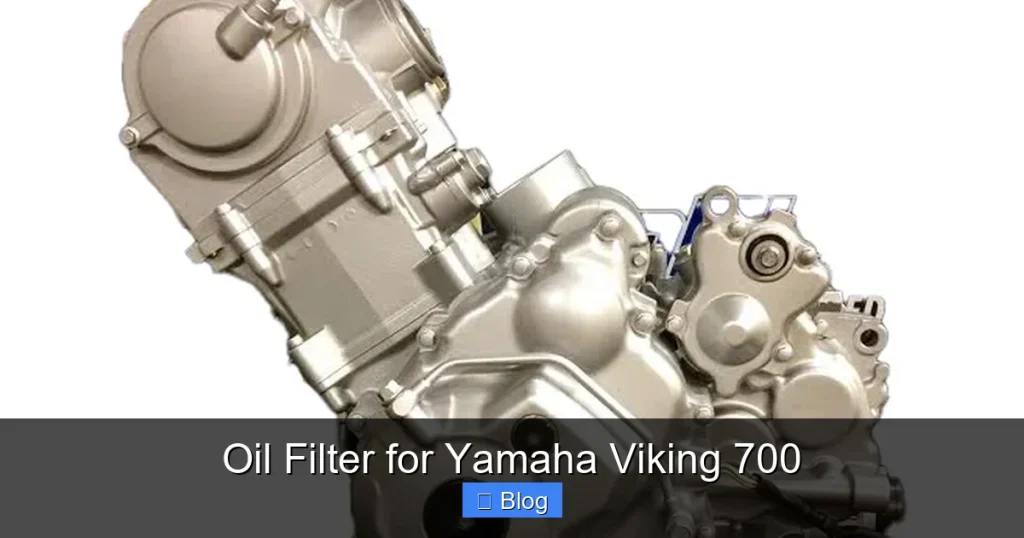
Choosing the right oil filter for your Yamaha Viking 700 is essential for engine longevity and peak performance. This guide covers top-rated filters, proper installation steps, and maintenance tips to keep your UTV running smoothly in any terrain.
If you own a Yamaha Viking 700, you already know it’s built for tough jobs—whether you’re hauling gear across rocky trails, plowing snow, or working on the farm. This rugged side-by-side is known for its durability, power, and reliability. But like any hardworking machine, it needs regular maintenance to keep performing at its best. One of the most critical yet often overlooked components is the oil filter.
The oil filter plays a silent but vital role in protecting your engine. It traps dirt, metal shavings, and other contaminants that can cause wear and damage over time. Without a clean filter, your engine oil can’t do its job effectively, leading to reduced performance, overheating, and even costly repairs. That’s why choosing the right oil filter for your Yamaha Viking 700 isn’t just a suggestion—it’s a necessity.
In this guide, we’ll walk you through everything you need to know about selecting, installing, and maintaining the oil filter on your Viking 700. Whether you’re a seasoned mechanic or a first-time owner, you’ll find practical tips, product recommendations, and expert advice to keep your UTV running strong for years to come.
Key Takeaways
- Correct fit matters: Always use an oil filter designed specifically for the Yamaha Viking 700 to ensure proper sealing and flow.
- OEM vs. aftermarket: OEM filters offer guaranteed compatibility, while quality aftermarket options can provide similar performance at a lower cost.
- Change intervals: Replace the oil filter every time you change the oil—typically every 20–30 hours of use or as recommended in the owner’s manual.
- Check for leaks: After installation, always inspect for leaks during the first few rides to confirm a secure fit.
- Use quality oil: Pair your filter with high-quality synthetic or conventional oil rated for ATV/UTV use.
- Easy installation: Most Viking 700 oil filters are accessible and can be replaced with basic tools in under 30 minutes.
- Performance impact: A clean, properly functioning filter improves engine efficiency, reduces wear, and extends service life.
Quick Answers to Common Questions
What oil filter fits a Yamaha Viking 700?
The Yamaha Viking 700 uses oil filters compatible with part number 5GH-13440-00-00. Popular replacements include the K&N KN-138, HiFlo HF138, and WIX 51358.
How often should I change the oil filter on my Viking 700?
Replace the oil filter every time you change the oil—typically every 20–30 hours of use or at least once per year, whichever comes first.
Can I reuse an oil filter?
No, oil filters are designed for single use. Reusing a filter can lead to poor filtration, leaks, and engine damage.
Do I need special tools to change the oil filter?
Most filters can be removed by hand or with a standard oil filter wrench. Some, like the K&N KN-138, have a hex head for easier removal with a wrench.
What happens if I use the wrong oil filter?
Using an incompatible filter can cause leaks, poor oil flow, or even engine damage due to improper sealing or filtration.
📑 Table of Contents
Why the Oil Filter Matters for Your Yamaha Viking 700
Your Yamaha Viking 700’s engine operates under extreme conditions—high heat, heavy loads, and constant vibration. These factors make clean oil absolutely essential. The oil filter ensures that the oil circulating through your engine stays free of harmful particles. Over time, dirt and debris can build up in the oil, and without filtration, they can scratch cylinder walls, clog oil passages, and damage critical components like bearings and pistons.
A high-quality oil filter does more than just trap contaminants—it also helps maintain proper oil pressure and flow. This is especially important in a UTV like the Viking 700, which often operates in dusty or muddy environments where contamination risks are high. A clogged or low-quality filter can restrict oil flow, leading to increased engine wear and reduced efficiency.
Think of the oil filter as your engine’s first line of defense. Just like you wouldn’t skip changing the air filter in your truck, you shouldn’t neglect the oil filter in your Viking 700. Regular replacement ensures your engine stays clean, cool, and protected—no matter how tough the job gets.
Top Oil Filter Options for the Yamaha Viking 700
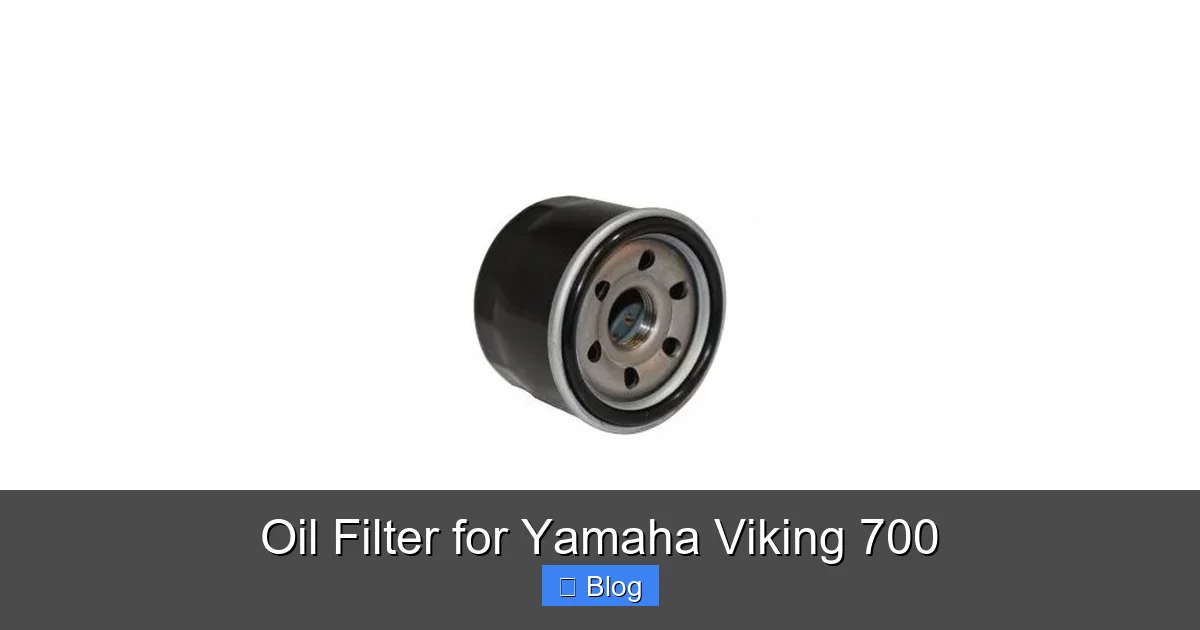
Visual guide about Oil Filter for Yamaha Viking 700
Image source: quadfactors.com
When it comes to choosing an oil filter for your Yamaha Viking 700, you have several solid options. The key is to select a filter that matches your riding style, budget, and maintenance preferences. Below are some of the most trusted and widely used filters for this model.
Yamaha OEM Oil Filter (Part # 5GH-13440-00-00)
The Yamaha OEM (Original Equipment Manufacturer) filter is the gold standard for compatibility and reliability. Designed specifically for Yamaha UTVs, including the Viking 700, this filter ensures a perfect fit and optimal performance. It features a high-quality filtration media, a durable steel casing, and a reliable anti-drainback valve to prevent dry starts.
Many owners prefer OEM parts because they’re tested and approved by Yamaha. While they may cost a bit more than aftermarket alternatives, the peace of mind and guaranteed fit make them a top choice for serious riders and professionals.
K&N KN-138 Oil Filter
K&N is a well-known name in performance filtration, and their KN-138 filter is a popular aftermarket option for the Viking 700. This filter offers excellent flow rates and high dirt-holding capacity, making it ideal for off-road and heavy-duty use. It’s also reusable in some applications, though for UTVs, it’s typically used as a disposable filter.
One advantage of the K&N filter is its ease of removal—thanks to a 17mm hex head, you can use a standard wrench instead of a specialty filter tool. This can be a real time-saver during maintenance.
HiFlo HF138 Oil Filter
HiFlo is another trusted brand in the powersports world. The HF138 is a direct replacement for the Yamaha 5GH filter and is often praised for its affordability and performance. It uses premium filtration media and meets or exceeds OEM specifications.
Many Viking 700 owners report great results with HiFlo filters, especially when paired with synthetic oil. It’s a great middle-ground option—offering near-OEM quality at a lower price point.
WIX 51358 Oil Filter
WIX is a respected name in automotive and industrial filtration, and their 51358 filter is compatible with the Yamaha Viking 700. It features advanced synthetic media for superior particle capture and long service life. WIX filters are known for their robust construction and consistent performance.
This filter is a solid choice if you’re looking for a reliable, high-capacity option that can handle extended use in harsh conditions.
How to Choose the Right Oil Filter
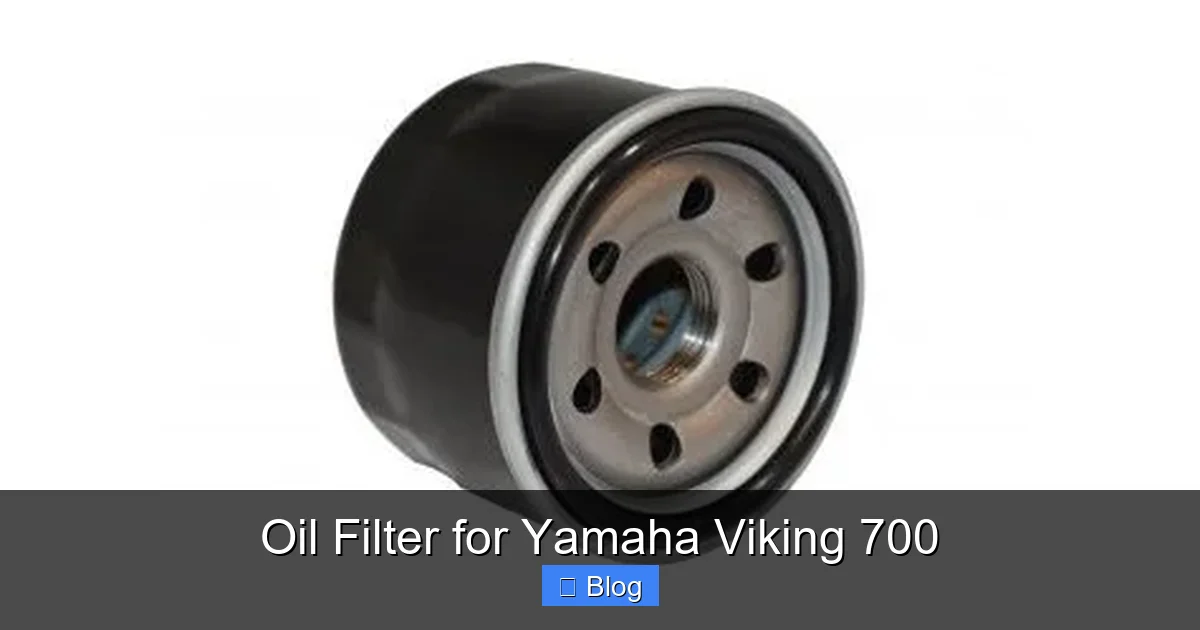
Visual guide about Oil Filter for Yamaha Viking 700
Image source: quadfactors.com
With so many options available, how do you pick the best oil filter for your Yamaha Viking 700? Here are a few key factors to consider:
Compatibility
First and foremost, make sure the filter is compatible with your specific model and year. The Yamaha Viking 700 uses a thread size of M20x1.5 and a gasket diameter of 2.87 inches. Most filters listed as replacements for the 5GH-13440-00 will fit, but always double-check the specifications before purchasing.
Filtration Efficiency
Look for filters that offer high filtration efficiency—typically measured by their ability to capture particles of a certain size (e.g., 20 microns or smaller). Higher efficiency means better protection for your engine, especially in dusty or dirty environments.
Build Quality
A good oil filter should have a sturdy steel casing, a reliable sealing gasket, and a strong anti-drainback valve. Cheap filters may use inferior materials that can fail under pressure or degrade over time.
Ease of Installation
Some filters are easier to install than others. Features like a hex head for wrench use or a textured surface for better grip can make a big difference, especially if you’re doing the job yourself.
Cost vs. Value
While OEM filters tend to be more expensive, they offer guaranteed compatibility. Aftermarket filters can save you money, but make sure you’re buying from a reputable brand. A few extra dollars upfront can prevent costly engine damage down the road.
Step-by-Step Guide to Replacing the Oil Filter
Replacing the oil filter on your Yamaha Viking 700 is a straightforward process that you can complete in about 30 minutes with basic tools. Here’s how to do it safely and correctly.
What You’ll Need
- New oil filter (compatible with Yamaha Viking 700)
- Fresh engine oil (check your owner’s manual for the correct type and amount)
- Oil drain pan
- Socket wrench or oil filter wrench
- Funnel
- Gloves and safety glasses
- Rag or paper towels
Step 1: Warm Up the Engine
Start your Viking 700 and let it run for 2–3 minutes. Warm oil flows more easily, making it easier to drain completely. Turn off the engine and let it sit for a few minutes to avoid burns.
Step 2: Drain the Old Oil
Place the drain pan under the oil drain plug (located on the bottom of the engine). Remove the plug and let the oil drain completely. This usually takes 5–10 minutes.
Step 3: Remove the Old Oil Filter
Locate the oil filter—it’s typically on the side of the engine, near the oil pan. Use an oil filter wrench if needed to loosen it. Turn counterclockwise until it’s free. Be careful—there may still be some oil inside.
Step 4: Prepare the New Filter
Before installing the new filter, lightly coat the rubber gasket with fresh oil. This helps create a better seal and prevents the gasket from sticking or tearing during future changes.
Step 5: Install the New Filter
Screw the new filter into place by hand. Turn it clockwise until the gasket makes contact, then give it an additional ¾ to 1 full turn. Do not overtighten—this can damage the gasket or make future removal difficult.
Step 6: Refill with Fresh Oil
Replace the drain plug and tighten it securely. Use a funnel to add the recommended amount of fresh oil through the fill cap. Check the dipstick to ensure the level is correct.
Step 7: Start and Check for Leaks
Start the engine and let it run for 1–2 minutes. Turn it off and inspect the filter and drain plug for leaks. If everything looks good, you’re all set!
Maintenance Tips for Long-Term Performance
Replacing the oil filter is just one part of a complete maintenance routine. To get the most out of your Yamaha Viking 700, follow these best practices:
- Change the oil and filter together: Always replace the filter when you change the oil—never reuse an old filter.
- Follow the service schedule: Yamaha recommends changing the oil and filter every 20–30 hours of operation or at least once per year.
- Use the right oil: Choose oil that meets Yamaha’s specifications (typically 10W-40 or 10W-50, synthetic or conventional).
- Inspect regularly: Check the oil level and condition frequently, especially after long rides or heavy use.
- Keep it clean: Wipe down the engine and filter area to prevent dirt from entering during changes.
Conclusion
The oil filter may be small, but its impact on your Yamaha Viking 700’s performance and longevity is huge. By choosing the right filter, installing it correctly, and sticking to a regular maintenance schedule, you’ll protect your engine from wear, improve efficiency, and enjoy reliable performance for years to come.
Whether you go with a Yamaha OEM filter, a high-performance K&N, or a budget-friendly HiFlo, the key is consistency and quality. Don’t cut corners when it comes to engine protection—your Viking 700 deserves the best.
Invest a little time and care now, and you’ll avoid costly repairs later. Keep your UTV running strong, no matter where the trail takes you.
Frequently Asked Questions
Can I use a car oil filter on my Yamaha Viking 700?
No, car oil filters are not designed for the high vibration and operating conditions of a UTV. Always use a filter specifically rated for ATV or UTV use.
Is synthetic oil better for the Viking 700?
Yes, synthetic oil offers better protection in extreme temperatures and under heavy loads. It’s especially recommended for off-road and heavy-duty use.
How do I know if my oil filter is clogged?
Signs include reduced engine performance, unusual noises, overheating, or oil pressure warnings. Regular changes prevent clogging.
Can I change the oil filter without changing the oil?
Technically yes, but it’s not recommended. The filter traps contaminants from the oil, so replacing both together ensures maximum cleanliness.
Where is the oil filter located on the Viking 700?
The oil filter is mounted on the side of the engine block, usually near the oil pan. It’s easily accessible from underneath the vehicle.
What torque should I use when installing the oil filter?
Hand-tighten the filter until the gasket contacts the engine, then turn it an additional ¾ to 1 full turn. Do not use a torque wrench—overtightening can damage the seal.

Sagor Jahan is the founder and author of Automopromo.com, dedicated to delivering insightful tips, reviews, and updates in the automotive and promotional industry. With a passion for innovation and clear guidance, Sagor helps readers make informed decisions and stay ahead in the ever-evolving automotive world.