
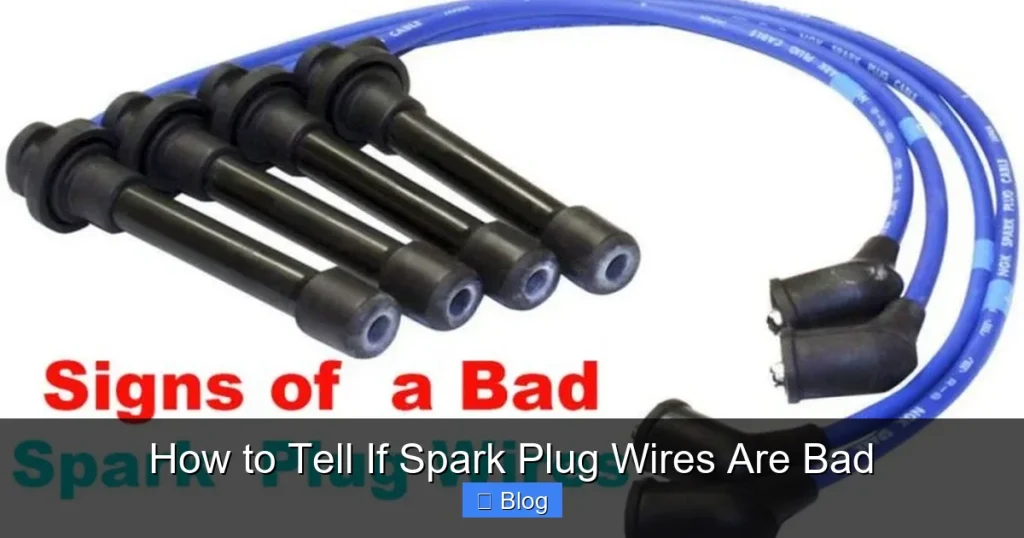
Spark plug wires play a crucial role in delivering electricity to your engine’s spark plugs, but when they’re bad, it can lead to poor performance and breakdowns. This guide shows you how to tell if spark plug wires are bad through simple inspections, tests, and troubleshooting tips. By following these steps, you’ll save time and money on repairs.
Key Takeaways
- Symptoms matter: Look for engine misfires, rough idling, or decreased fuel efficiency as early signs of faulty spark plug wires.
- Visual checks first: Inspect wires for cracks, burns, or corrosion to spot damage without tools.
- Test resistance: Use a multimeter to measure wire resistance; values over 10,000 ohms per foot often indicate replacement is needed.
- Listen to the engine: Unusual popping sounds or hesitation during acceleration can point to bad wires.
- Swap test wires: Rotating wires between cylinders helps confirm if a specific wire is the culprit.
- Prevent future issues: Replace wires every 30,000-60,000 miles and keep the engine bay clean to extend their life.
- Professional help if unsure: If tests are inconclusive, consult a mechanic to avoid misdiagnosis.
Quick Answers to Common Questions
Can I drive with bad spark plug wires?
Short distances might be okay, but it’s risky—misfires can damage your catalytic converter over time. Get it checked ASAP to avoid breakdowns or costly repairs.
What’s the average cost to replace them?
DIY sets run $20-80, depending on your vehicle. Professional install adds $100-200 in labor. It’s a quick job, so shop around if going pro.
Do all cars have spark plug wires?
No, coil-on-plug systems in newer models skip them. But for distributors or older coils, yes—they’re essential for spark delivery.
How often should I inspect them?
Every 10,000 miles or during tune-ups. Visual checks take minutes and catch wear early, saving you headaches down the road.
Are symptoms worse in cold weather?
Yes, brittle wires crack more in the cold, leading to starts issues. Warm up the engine and test resistance for accurate diagnosis.
Introduction
Hey there, fellow car enthusiast! If you’ve ever noticed your engine acting up—maybe it’s stuttering or guzzling more gas than usual—you might be wondering how to tell if spark plug wires are bad. Spark plug wires, also called ignition cables, carry high-voltage electricity from the distributor or coil to the spark plugs. When they’re worn out, they can cause all sorts of headaches, from misfires to poor acceleration.
In this guide, we’ll walk you through everything you need to know. You’ll learn the common signs of bad spark plug wires, step-by-step ways to inspect and test them, and some handy tips to keep your ride running smoothly. Whether you’re a DIY newbie or a seasoned wrench-turner, these instructions are straightforward and safe. By the end, you’ll confidently diagnose the issue and decide if it’s time for a replacement. Let’s dive in and get your engine firing on all cylinders!
Understanding Spark Plug Wires and Why They Fail
Before we jump into diagnostics, it’s helpful to know what makes spark plug wires tick. These rubber-insulated cables are built to handle thousands of volts, but they’re not invincible. Over time, heat, moisture, and engine vibrations take their toll.
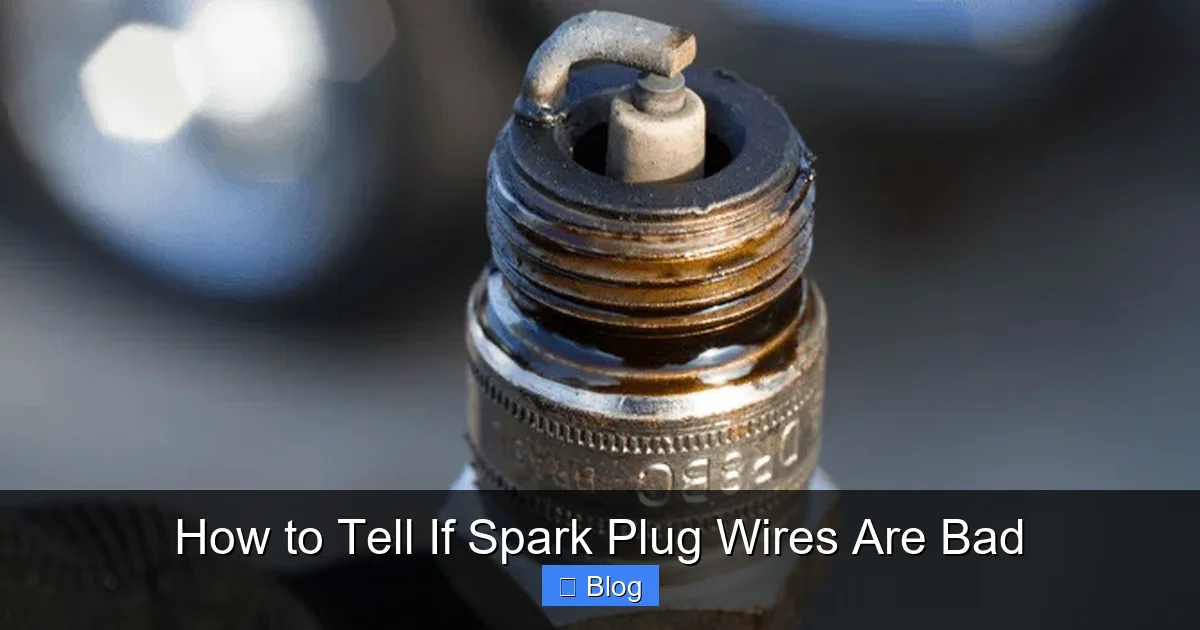
Visual guide about How to Tell If Spark Plug Wires Are Bad
Image source: i1.wp.com
Common culprits for failure include age—most wires last 30,000 to 60,000 miles—and exposure to oil leaks or road salt. If your vehicle is older or you’ve skipped regular maintenance, the risk goes up. Spotting problems early can prevent bigger issues like a damaged catalytic converter. Now, let’s look at the telltale symptoms that scream “something’s wrong.”
Recognizing the Symptoms of Bad Spark Plug Wires
The first clue that your spark plug wires might be bad often comes from how your car drives. Pay attention during your next trip. Is the engine feeling off? Here’s what to watch for.
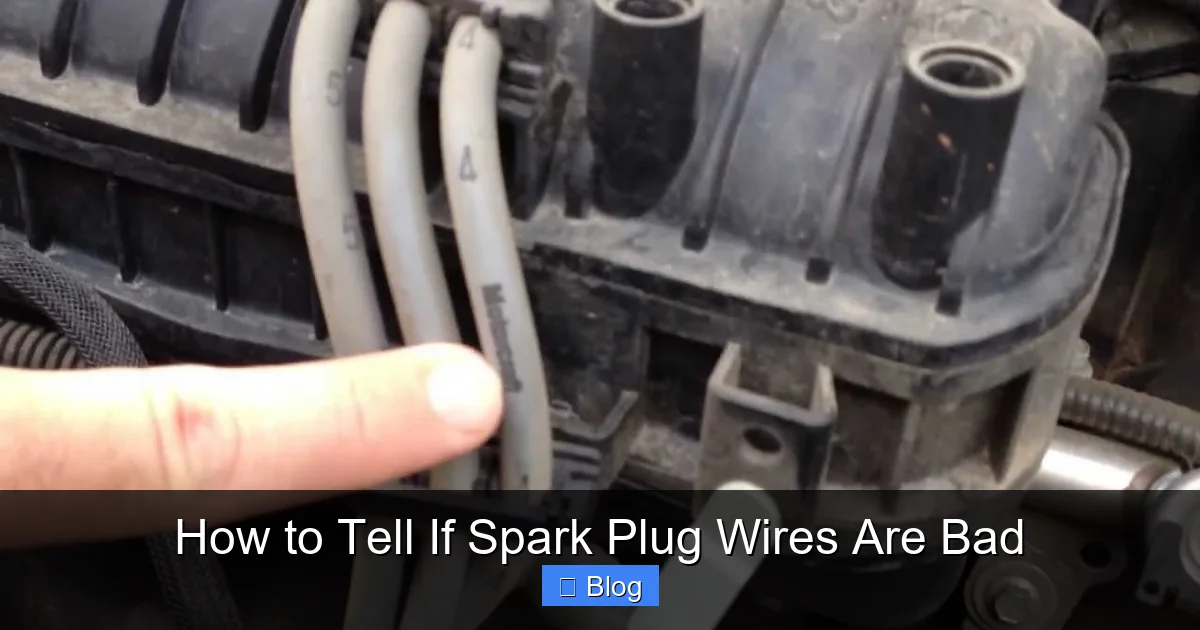
Visual guide about How to Tell If Spark Plug Wires Are Bad
Image source: i.ytimg.com
Engine Misfires and Rough Idling
A classic sign is misfiring, where the engine coughs or jerks, especially at low speeds. This happens because faulty wires can’t deliver a strong spark, so one or more cylinders aren’t igniting fuel properly. Rough idling in park? That’s another red flag. Your RPMs might fluctuate, making the whole car shake.
For example, I once had a friend whose truck started “stumbling” on highways. Turns out, cracked wires were leaking voltage. If you feel this, pull over safely and check it out.
Decreased Acceleration and Power Loss
Does your car hesitate when you hit the gas? Bad wires reduce spark strength, leading to sluggish performance. You might notice it uphill or during quick merges. Fuel economy drops too—expect a hit of 10-20% if wires are shot.
Visible or Audible Clues
Pop open the hood at night and look for arcing—tiny blue sparks jumping from wires. That’s electricity escaping through damage. Listen for popping or sizzling sounds from the engine bay, especially when revving. These are direct hints that insulation is breaking down.
Pro tip: If your check engine light is on with codes like P0300 (random misfire), wires could be the cause. Use an OBD-II scanner to confirm.
Tools You’ll Need for Inspection
Good news: You don’t need fancy gear to start. Grab a flashlight, gloves, and maybe dielectric grease for later. For deeper tests, a multimeter (under $20 at auto stores) is key. Safety first—work on a cool engine and disconnect the battery to avoid shocks.
With basics ready, you’re set to inspect. Let’s move to hands-on steps for how to tell if spark plug wires are bad.
Step-by-Step Guide to Inspecting Spark Plug Wires
Now for the fun part: rolling up your sleeves. We’ll break this into visual, hands-on, and electrical tests. Take your time—rushing leads to mistakes.
Step 1: Visual Inspection
Park on a flat surface, pop the hood, and let the engine cool. Start by tracing each wire from the distributor or coil to the spark plugs. Look for cracks in the rubber casing—these let moisture in and cause shorts.
Check ends for corrosion or loose boots. Burn marks or melted spots near the exhaust? That’s heat damage. Wiggle wires gently; if they feel brittle or hard, they’re likely toast. Do this with the engine off for safety.
Example: On a V6 engine, wires run in a bundle. Separate them carefully to spot hidden wear. If any look frayed, mark them for replacement.
Step 2: Hands-On Feel and Fit Check
With gloves on, squeeze the wires along their length. Good ones are supple; bad ones are stiff or squishy from internal breakdown. Pull boots off plugs—twist and tug evenly to avoid tearing.
Inspect for oil contamination; greasy wires degrade faster. Re-seat everything snugly. Loose connections mimic bad wires, so this step rules that out.
Step 3: Running Engine Test
Reconnect the battery, start the engine, and rev it lightly. Watch for sparks or smoke. Use insulated pliers to probe wires—feel for excessive heat, which signals resistance buildup.
Listen closely: Misfires often worsen under load. If safe, drive a short loop and note any hesitation. This real-world test beats static checks.
Troubleshooting Cheat Sheet
To make diagnosis easier, here’s a quick reference table summarizing common issues, symptoms, and checks. Use this as your go-to while working under the hood.
| Problem | Symptom | Diagnostic Check | Expected Result |
|---|---|---|---|
| Cracked Insulation | Arcing at night, misfires | Visual inspection with flashlight | No cracks; smooth surface |
| Corroded Ends | Rough idle, hard starts | Examine boots and terminals | Clean, shiny contacts |
| High Resistance | Power loss, poor acceleration | Multimeter resistance test | Under 10k ohms per foot |
| Loose Connections | Intermittent stalling | Tug test on boots | Secure fit, no play |
| Heat Damage | Melted spots, popping sounds | Feel for brittleness near exhaust | Firm but flexible texture |
| Oil Contamination | Swollen wires, reduced spark | Wipe and inspect for residue | Dry, non-greasy surface |
| Age/Wear | Overall poor performance | Check mileage and condition | Replace at 60k miles max |
Advanced Testing: Using a Multimeter
If visuals aren’t conclusive, time for electrical testing. This confirms if wires are conducting properly. Set your multimeter to ohms (resistance mode).
Measuring Resistance
Remove one wire at a time. Touch probes to each end—one at the coil/distributor, one at the plug boot. Good wires read 5,000-10,000 ohms per foot of length. Shorter? Under 5k. Longer or infinite? It’s bad.
For a 2-foot wire, aim for 10k-20k ohms total. Test all wires and compare; outliers are suspects. Clean contacts first for accurate reads.
Practical example: On my old sedan, one wire showed 50k ohms—way high. Swapping it fixed the misfire instantly.
Checking for Shorts
With the engine off, set to continuity mode. Probe the wire’s outer casing to ground (engine block). No beep means no short. A beep? Insulation failure—replace it.
This test catches hidden leaks that cause arcing. Do it annually for prevention.
Troubleshooting Common Misdiagnoses
Not every engine quirk points to wires. Sometimes it’s plugs, coils, or even fuel issues. If tests show good wires but symptoms persist, swap plugs next—they’re cheap and easy.
For stubborn cases, rotate wires between cylinders. If the misfire moves, bingo—bad wire. If not, check the distributor cap for carbon tracks. Avoid chasing ghosts; document your findings.
Weather plays a role too. Bad wires worsen in rain due to moisture. Dry everything and retest if needed. If you’re stumped, a mechanic’s scope can pinpoint ignition timing issues.
Replacing Bad Spark Plug Wires: Quick Tips
Once confirmed, replacement is straightforward. Buy quality sets matching your engine—suppression-type for modern cars to reduce radio interference.
Label wires first (photos help), then pull old ones straight out. Apply grease to new boots for easy install. Route them away from heat sources. Torque plugs to spec—overtightening strips threads.
After install, clear codes and test drive. Smooth sailing? You’re done. This DIY job saves $100+ versus shop rates.
Preventive Maintenance for Long-Lasting Wires
Don’t wait for failure. Inspect wires every oil change. Keep the engine bay clean—wipe down after dusty drives. Use wire looms to protect from rubbing.
Upgrade to silicone wires for better heat resistance if you tow or race. Track mileage; proactive swaps beat roadside tows.
Conclusion
There you have it—a complete rundown on how to tell if spark plug wires are bad. From spotting symptoms like misfires and rough idles to hands-on tests with a multimeter, you’re now equipped to tackle this common issue. Remember, early detection keeps your engine healthy and your wallet happy.
Grab your tools, head to the garage, and give it a go. If everything checks out, pat yourself on the back—you’re maintaining your car like a pro. Drive safe, and if questions pop up, forums or a local shop are great resources. Happy wrenching!

Sagor Jahan is the founder and author of Automopromo.com, dedicated to delivering insightful tips, reviews, and updates in the automotive and promotional industry. With a passion for innovation and clear guidance, Sagor helps readers make informed decisions and stay ahead in the ever-evolving automotive world.

