
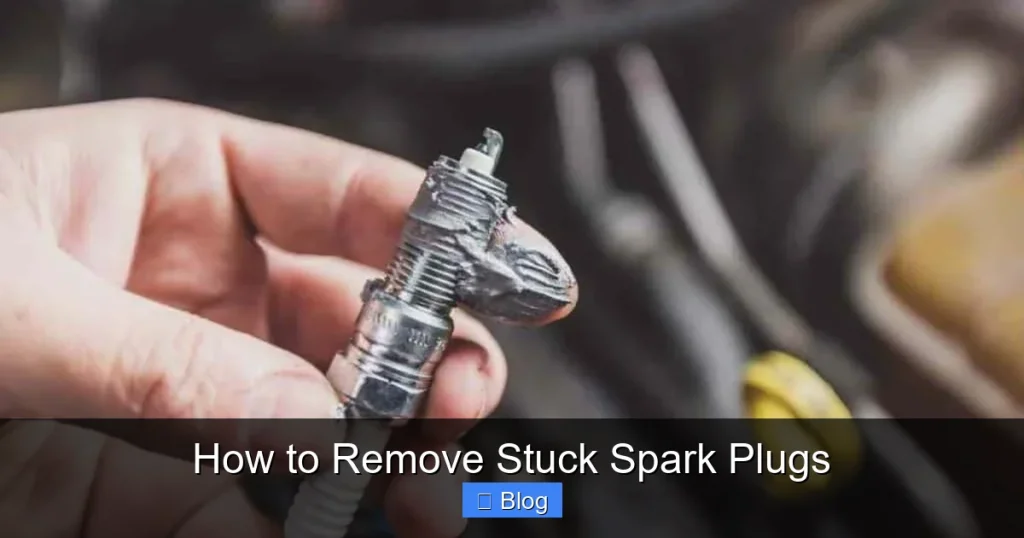
Removing stuck spark plugs can be tricky, but with the right approach, you can do it safely at home. This guide walks you through preparation, tools, and step-by-step methods to extract them without stripping threads or causing harm. Follow these tips to save time and prevent costly repairs.
How to Remove Stuck Spark Plugs
Hey there, fellow car enthusiast! If you’ve ever turned a wrench on your engine and found yourself wrestling with a stuck spark plug, you’re not alone. These little components can seize up due to heat, corrosion, or just plain age, making the task of removing stuck spark plugs feel like a battle. But don’t worry—this guide is here to help. You’ll learn everything from why they get stuck to a detailed, step-by-step process on how to remove stuck spark plugs safely. By the end, you’ll have the confidence to tackle this DIY job, save some cash on mechanic fees, and get your vehicle purring again. Whether you’re a weekend warrior or a first-timer, we’ll keep things simple and straightforward.
Key Takeaways
- Assess the situation first: Stuck spark plugs often result from corrosion or over-tightening, so inspect before forcing anything to avoid engine damage.
- Gather the right tools: Use penetrating oil, a spark plug socket, and torque wrench to make removal easier and safer.
- Apply heat wisely: Gentle heat from a torch can expand metal and loosen plugs, but never overdo it to prevent fire risks.
- Turn counterclockwise slowly: Patience is key—use steady, even pressure to break the seal without breaking the plug.
- Inspect after removal: Check threads for damage and clean the hole to ensure smooth reinstallation of new plugs.
- Seek pro help if needed: If plugs won’t budge after trying basics, a mechanic can use specialized extractors to avoid bigger issues.
Quick Answers to Common Questions
Always cool the engine first?
Yes! Hot spark plugs expand and stick more. Wait at least an hour after driving to avoid burns and make removal easier.
Can I use regular oil instead of penetrating oil?
No, stick to penetrating types like WD-40. They creep into tight spaces and dissolve rust better than motor oil.
What if I don’t have a torque wrench?
Hand-tighten plus a quarter-turn is a rough guide, but invest in one for accuracy. Over-tightening leads to stuck plugs later.
Is heat safe on aluminum heads?
Yes, if brief and targeted. Use medium flame and monitor—aluminum conducts heat fast, but don’t exceed 300°F to prevent warping.
How often should I replace spark plugs?
Every 30,000-100,000 miles, based on type. Check your manual; iridium lasts longer but costs more upfront.
Why Spark Plugs Get Stuck and Why It Matters
Spark plugs are vital for igniting the air-fuel mixture in your engine’s cylinders. Over time, though, they can become “stuck” from carbon buildup, rust, or aluminum threads expanding and contracting with heat cycles. This isn’t just annoying—it can lead to bigger problems like damaged cylinder heads if you force it. Understanding this helps you approach the job with patience.
For example, in older cars or those driven in humid areas, corrosion is the main culprit. I’ve seen it firsthand on a buddy’s ’90s pickup where the plugs hadn’t been changed in years. The key? Prevention through regular maintenance, but if you’re here, it’s time to fix it now.
Tools and Materials You’ll Need
Before diving in, round up your gear. Having the right tools makes removing stuck spark plugs way less frustrating and safer. Start with basics like a ratchet set, but don’t skip the specifics for this job.
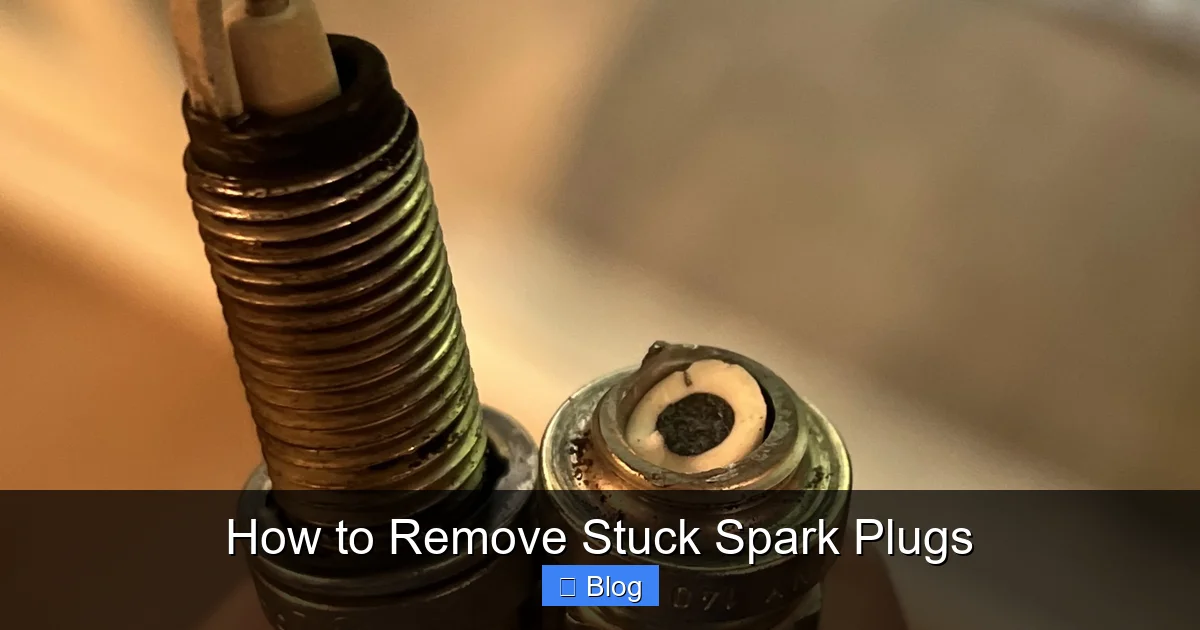
Visual guide about How to Remove Stuck Spark Plugs
Image source: i.redd.it
Here’s a quick reference table to organize what you’ll need. It lists essential items, their purposes, and handy notes to keep things smooth.
Pro tip: Work in a well-ventilated garage with your car on a level surface. Safety glasses and gloves are a must—spark plug wells can be oily and sharp.
Preparing Your Vehicle for the Job
Preparation sets you up for success when learning how to remove stuck spark plugs. Start by parking your car on a flat surface and letting the engine cool completely. Hot engines make plugs expand, worsening the stickiness.
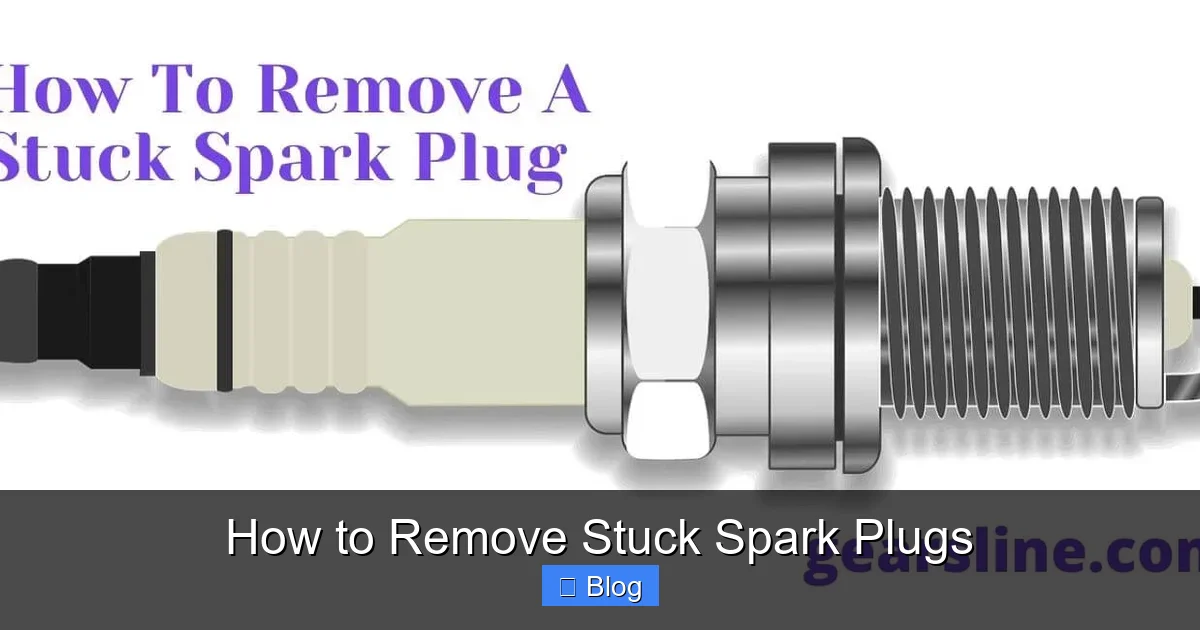
Visual guide about How to Remove Stuck Spark Plugs
Image source: gearsline.com
| Tool/Material | Purpose | Notes |
|---|---|---|
| Spark plug socket (e.g., 5/8-inch or 13/16-inch) | Fits over the plug for a secure grip without damaging porcelain | Use a thin-wall version for tight spaces; rubber insert helps hold the plug |
| Ratchet wrench with extensions | Provides leverage to turn the plug counterclockwise | Get a 3/8-inch drive for most cars; extensions reach deep wells |
| Penetrating oil (e.g., WD-40 or PB Blaster) | Loosens rust and corrosion on threads | Apply generously and let soak for 15-30 minutes |
| Torque wrench | Ensures proper tightening when reinstalling new plugs | Set to manufacturer specs, usually 10-20 ft-lbs |
| Heat source (propane torch or heat gun) | Expands metal to break the seal | Use cautiously; avoid open flames near fuel lines |
| Anti-seize compound | Prevents future sticking on new plugs | Apply a thin layer to threads before installation |
| Wire brush and compressed air | Cleans debris from plug wells | Keep the area dry to avoid water in the engine |
Disconnect the negative battery terminal to avoid electrical shocks. Then, remove any covers or coils over the plugs. For most sedans, this means popping the hood and labeling ignition wires if they’re not coil-on-plug style.
Locating the Spark Plugs
Consult your owner’s manual for exact locations—usually along the valve cover. In a four-cylinder engine, expect four plugs; V6 or V8 will have more. Use a flashlight to peer into the wells.
Safety Checks
Ensure no fuel vapors linger by waiting 30 minutes post-shutdown. If your car has an alarm, disable it. This step prevents accidents and makes the process smoother.
I’ve prepped a rusty old Honda this way, and it made all the difference—cool engine, clean workspace, zero surprises.
Step-by-Step Guide to Removing Stuck Spark Plugs
Now, the main event: how to remove stuck spark plugs. We’ll break it down into clear steps. Go slow—rushing leads to stripped threads or broken plugs, which means towing to a shop.
Step 1: Apply Penetrating Oil
Spray penetrating oil into each plug well, aiming for the threads. Let it soak for at least 15 minutes, or overnight for severe cases. Tap the plug lightly with a rubber mallet to help the oil penetrate.
Why this works: The oil breaks down rust without harsh chemicals. In my experience with a seized Ford plug, two applications did the trick after initial stubbornness.
Step 2: Remove Ignition Components
Gently pull off the spark plug wires or coils. Twist and tug straight up—never yank sideways to avoid damaging seals. Label each one with tape (e.g., “Cylinder 1”) for easy reinstallation.
- Inspect wires for cracks while you’re at it.
- If coils are stuck, use a flathead screwdriver carefully.
Step 3: Use the Spark Plug Socket
Slide the socket over the plug, attach your ratchet with an extension if needed, and turn counterclockwise slowly. Apply steady pressure—about 10-15 foot-pounds at first.
If it budges, keep going until it’s free. For really stuck ones, rock it back and forth gently to loosen. Example: On a Chevy V8, the rear plugs often need longer extensions due to tight engine bays.
Step 4: Apply Heat if Necessary
If the plug won’t move after oil and turning, heat the area around the well with a propane torch for 1-2 minutes. Focus on the metal, not the plug itself—this expands the aluminum head, contracting the steel plug.
Caution: Keep a fire extinguisher nearby. Once hot, try turning again immediately. This method saved me on an old Toyota where cold methods failed.
Step 5: Extract and Inspect
Once loose, unscrew fully and pull out. Wipe the plug clean and check for wear—black soot means rich fuel, white ash means lean.
Clean the well with a wire brush and blow out debris with compressed air. If threads are damaged, stop and call a pro.
Step 6: Install New Plugs
Gap new plugs per specs (usually 0.030-0.060 inches). Apply anti-seize to threads, hand-tighten, then torque to 10-20 ft-lbs. Reattach wires or coils securely.
Start the engine and listen for smooth idling. If not, double-check connections.
Throughout these steps, patience is your best friend. The whole process might take 1-2 hours for a full set, depending on your vehicle’s access.
Troubleshooting Common Issues
Even with careful work, things can go sideways when trying to remove stuck spark plugs. Here’s how to handle hiccups.
Problem: Plug breaks off. The porcelain shatters, leaving the base stuck. Solution: Use an easy-out extractor set. Drill a small pilot hole, insert the extractor, and turn counterclockwise. If unsure, tow to a mechanic—they have magnetic tools to fish it out.
Problem: Threads strip. You feel it giving way without turning. Stop immediately! Apply thread chaser or use a tap-and-die set to recut. For deep damage, a heli-coil insert kit repairs it—costs about $20 but saves the head.
Problem: No movement after heat and oil. Let it cool, reapply oil, and try a longer soak. If still stuck, vice grips on the base can work as a last resort, but gently. Real-life example: A neighbor’s Subaru needed this after 100k miles; it freed up without harm.
Other tips: If your car smokes or misfires post-install, recheck gaps. Always torque properly—over-tightening causes future sticks.
Prevention is better: Change plugs every 30k-100k miles, depending on type (copper vs. iridium). Use quality parts from brands like NGK or Bosch.
Final Thoughts
Congrats—you now know how to remove stuck spark plugs like a pro! This job boosts your DIY skills and keeps your engine healthy. Remember, safety first, take your time, and if it feels overwhelming, a trusted mechanic is just a call away.
Next time you’re under the hood, you’ll handle it with ease. Got a success story or tip? Share in the comments. Drive safe!

Sagor Jahan is the founder and author of Automopromo.com, dedicated to delivering insightful tips, reviews, and updates in the automotive and promotional industry. With a passion for innovation and clear guidance, Sagor helps readers make informed decisions and stay ahead in the ever-evolving automotive world.

