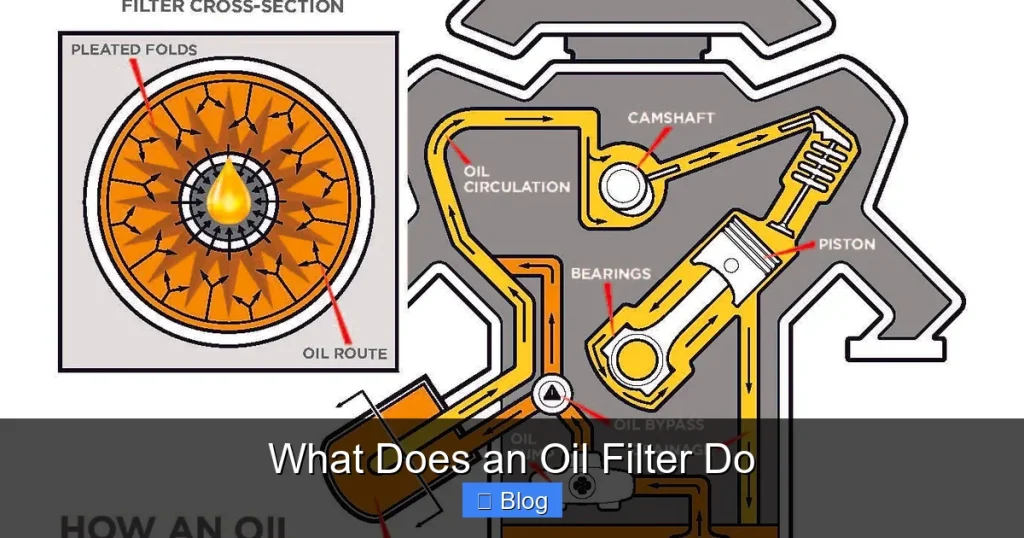
An oil filter removes contaminants from engine oil, ensuring clean lubrication and protecting critical engine parts. Without a functioning oil filter, dirt and debris can cause serious engine damage over time. This guide explains how it works, why it matters, and how to maintain it properly.
What does an oil filter do? An oil filter removes dirt, metal particles, sludge, and other contaminants from engine oil. As oil circulates through the engine, it picks up debris that can cause wear and damage. The oil filter traps these impurities, keeping the oil clean so it can properly lubricate engine parts, reduce friction, prevent overheating, and help extend engine life.
Key Takeaways
- Oil filters trap harmful contaminants: They capture dirt, metal particles, and sludge to prevent engine wear.
- Clean oil improves engine performance: Proper lubrication reduces friction, heat, and component damage.
- Filters have a limited lifespan: Most need replacement every 3,000 to 7,500 miles, depending on driving conditions.
- Using the wrong filter can cause leaks or failure: Always check your vehicle’s manual for the correct part.
- A clogged filter reduces oil flow: This can lead to low oil pressure and engine overheating.
- Regular oil changes include filter replacement: Skipping the filter during an oil change defeats its purpose.
- High-quality filters offer better protection: Investing in a reputable brand ensures longer engine life.
Quick Answers to Common Questions
Tip/Question?
Can I reuse an oil filter?
No, oil filters are designed for single use. Reusing a filter can lead to leaks, poor filtration, and engine damage.
Tip/Question?
How often should I change my oil filter?
Replace the oil filter every time you change your oil—typically every 3,000 to 7,500 miles, or as recommended by your vehicle’s manufacturer.
Tip/Question?
What happens if I don’t change the oil filter?
A clogged filter restricts oil flow, leading to increased engine wear, overheating, and potentially catastrophic engine failure.
Tip/Question?
Can I change just the oil and not the filter?
Technically yes, but it’s not recommended. The filter collects contaminants over time, and skipping its replacement reduces the effectiveness of your oil change.
Tip/Question?
Is a more expensive oil filter always better?
Not necessarily, but higher-quality filters often use better materials and offer superior protection. Choose a reputable brand that matches your vehicle’s needs.
What Does an Oil Filter Do? A Complete How-To Guide
If you’ve ever wondered, “What does an oil filter do?” you’re not alone. Many car owners know they need to change their oil regularly, but few understand the vital role the oil filter plays in keeping their engine healthy. In this guide, we’ll break down exactly how an oil filter works, why it’s so important, and how to maintain it properly. Whether you’re a seasoned DIYer or a first-time car owner, this step-by-step guide will help you protect your engine and extend your vehicle’s lifespan.
How an Oil Filter Works
At its core, an oil filter is a small but powerful component that cleans your engine oil as it circulates. Think of it like a coffee filter—just as it keeps grounds out of your morning brew, an oil filter keeps contaminants out of your engine oil.
Step 1: Oil Circulation
When your engine runs, oil is pumped from the oil pan through the engine’s moving parts. This oil lubricates components like pistons, crankshafts, and camshafts, reducing friction and preventing overheating.
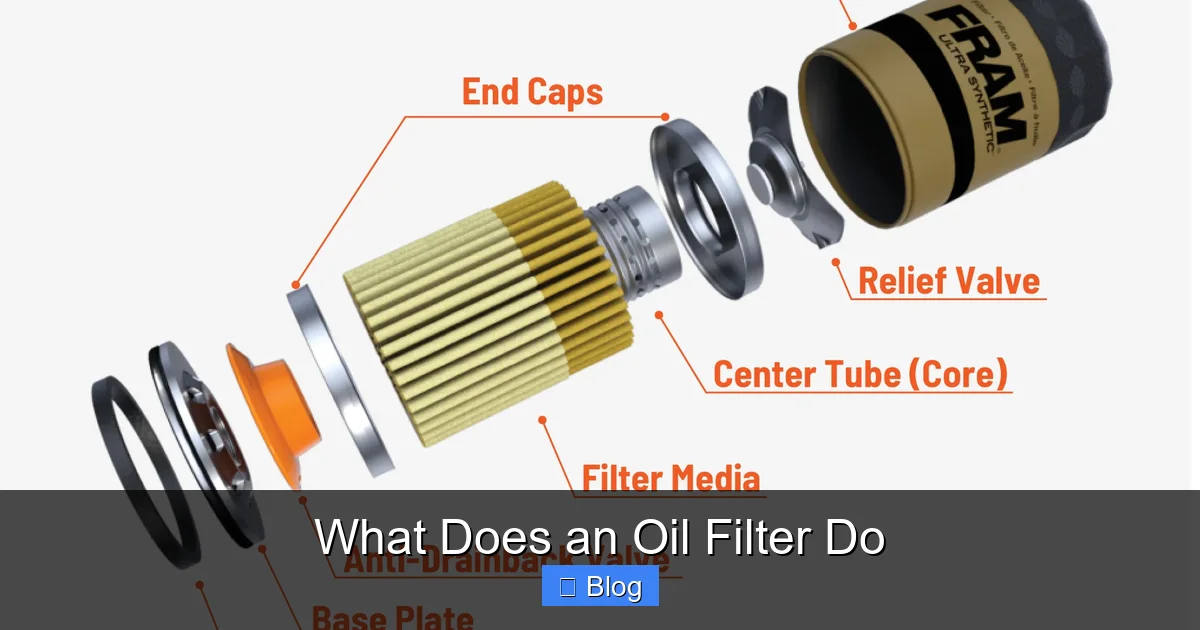
Visual guide about What Does an Oil Filter Do
Image source: fram.com
Step 2: Oil Enters the Filter
As oil flows through the engine, it passes through the oil filter. Most filters are located near the engine block and connected via threaded ports. The oil enters the filter housing under pressure.
Step 3: Filtration Process
Inside the filter, the oil flows through a pleated filter media—usually made of synthetic fibers or cellulose. This material traps dirt, metal shavings, carbon deposits, and other debris while allowing clean oil to pass through.
Step 4: Clean Oil Returns to the Engine
Once filtered, the clean oil exits the filter and continues circulating through the engine. This cycle repeats thousands of times during a single drive, ensuring consistent lubrication and protection.
Step 5: Bypass Valve Activation (If Needed)
In cold weather or if the filter becomes clogged, a bypass valve opens to allow unfiltered oil to flow. This prevents oil starvation, but it also means contaminants may enter the engine—highlighting why timely filter changes are crucial.
Why the Oil Filter Is Essential
You might think, “Can’t the oil clean itself?” The truth is, no—oil collects contaminants over time. Without a filter, these particles would circulate freely, causing abrasion and wear on engine parts.
Protects Engine Components
Metal particles from normal engine wear can act like sandpaper inside your engine. The oil filter captures these tiny shavings before they can damage bearings, cylinders, or valves.
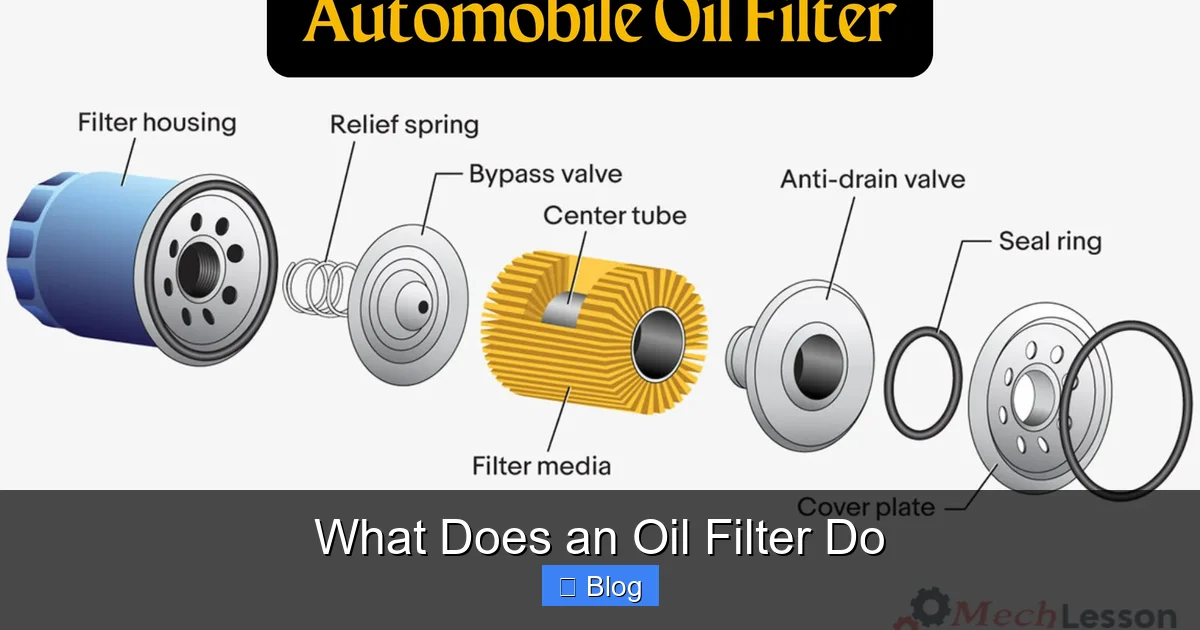
Visual guide about What Does an Oil Filter Do
Image source: mechlesson.com
Maintains Oil Viscosity
Clean oil maintains its proper thickness (viscosity), which is essential for effective lubrication. Contaminated oil becomes sludge-like, reducing its ability to flow and protect.
Prevents Overheating
Friction generates heat. Clean oil reduces friction, helping the engine stay cool. A clogged filter restricts oil flow, leading to increased heat and potential engine damage.
Extends Engine Life
Engines are expensive to repair or replace. A simple oil filter—costing as little as $5–$15—can prevent thousands of dollars in damage by keeping the oil clean and the engine running smoothly.
Signs Your Oil Filter Needs Replacing
Even the best oil filter won’t last forever. Here’s how to tell when it’s time for a change.
Low Oil Pressure Warning Light
If your dashboard shows a low oil pressure light, it could mean the filter is clogged and restricting oil flow. Don’t ignore this—check your oil level and filter immediately.
Dirty or Dark Oil
Pull the dipstick and inspect the oil. If it’s thick, gritty, or has visible particles, the filter may no longer be trapping contaminants effectively.
Engine Noise or Knocking
Increased engine noise, especially a knocking sound, can indicate poor lubrication due to restricted oil flow from a clogged filter.
Oil Leaks Around the Filter
If you notice oil dripping near the filter housing, the seal may be damaged or the filter may be over-tightened. This can lead to oil loss and engine damage.
Mileage-Based Replacement
Even if you don’t notice symptoms, most manufacturers recommend replacing the oil filter every time you change your oil—typically every 3,000 to 7,500 miles, depending on your vehicle and driving habits.
How to Replace an Oil Filter (Step-by-Step)
Replacing an oil filter is a straightforward task that takes about 15–30 minutes. Here’s how to do it safely and correctly.
Step 1: Gather Your Tools
You’ll need:
- New oil filter (check your owner’s manual for the correct part number)
- Oil filter wrench (if the filter is tight)
- Drain pan
- Funnel
- New engine oil (check your manual for the right type and amount)
- Gloves and safety glasses
- Rag or paper towels
Step 2: Warm Up the Engine
Run the engine for 2–3 minutes to warm the oil. Warm oil flows more easily, helping drain more completely. But don’t let it get too hot—burns are a real risk.
Step 3: Lift the Vehicle (If Needed)
Use a jack and jack stands or ramps to lift the front of the car. Always work on a level surface and engage the parking brake for safety.
Step 4: Drain the Old Oil
Place the drain pan under the oil drain plug (usually on the bottom of the oil pan). Use a wrench to loosen the plug, then remove it by hand. Let the oil drain completely—this may take 5–10 minutes.
Step 5: Remove the Old Oil Filter
Position the drain pan under the oil filter. Use an oil filter wrench if it’s tight. Turn the filter counterclockwise until it loosens. Be ready—some oil will spill out when you remove it.
Step 6: Prepare the New Filter
Before installing, lightly coat the rubber gasket on the new filter with fresh oil. This ensures a proper seal and prevents leaks.
Step 7: Install the New Filter
Screw the new filter into place by hand. Turn it clockwise until the gasket makes contact, then give it an additional ¾ to 1 full turn. Do not overtighten—this can damage the gasket or make future removal difficult.
Step 8: Replace the Drain Plug
Once the oil has drained, clean the drain plug and reinstall it. Tighten it securely, but avoid over-tightening.
Step 9: Add New Oil
Use a funnel to pour the recommended amount and type of oil into the engine. Check the dipstick to ensure the level is correct.
Step 10: Start the Engine and Check for Leaks
Start the engine and let it run for 30 seconds. Turn it off and inspect the filter and drain plug for leaks. If everything looks good, you’re done!
Troubleshooting Common Oil Filter Issues
Even with proper installation, problems can occur. Here’s how to handle common issues.
Oil Leaking from the Filter
This is usually caused by a damaged gasket, improper installation, or using the wrong filter. Turn off the engine, clean the area, and reinstall the filter correctly. If the leak persists, replace the filter.
Filter Won’t Come Off
If the old filter is stuck, use an oil filter wrench or strap wrench. In extreme cases, you may need to puncture the filter with a screwdriver and use it as a lever—but be careful not to damage surrounding components.
New Filter Seems Loose
If the filter feels loose after installation, it may not be the correct size. Double-check the part number and ensure it matches your vehicle’s specifications.
Engine Still Runs Rough After Replacement
If performance doesn’t improve, the issue may not be the filter. Check oil level, oil quality, and other engine components. Consider a professional inspection if problems persist.
Choosing the Right Oil Filter
Not all oil filters are created equal. Here’s what to look for.
OEM vs. Aftermarket
OEM (Original Equipment Manufacturer) filters are made by your vehicle’s manufacturer and are guaranteed to fit and perform correctly. Aftermarket filters can be cheaper but vary in quality—choose reputable brands like Fram, Bosch, or Mobil 1.
Filter Media Quality
High-quality filters use synthetic media that captures more contaminants and lasts longer. Look for filters with high efficiency ratings (e.g., 99% contaminant removal).
Anti-Drainback Valve
This feature prevents oil from draining out of the filter when the engine is off, ensuring immediate lubrication at startup. Essential for engines with long oil galleries.
Compatibility
Always verify the filter fits your make, model, and engine type. Using the wrong filter can lead to leaks, poor performance, or engine damage.
Conclusion
So, what does an oil filter do? In short, it’s your engine’s first line of defense against wear and damage. By trapping harmful contaminants and ensuring clean oil circulates through your engine, the oil filter plays a critical role in performance, efficiency, and longevity.
Regular oil and filter changes are one of the simplest and most effective ways to maintain your vehicle. By understanding how the filter works and following proper replacement procedures, you can save money, avoid costly repairs, and keep your car running smoothly for years to come.
Don’t wait for warning lights or strange noises—stay proactive. Mark your calendar, keep spare filters on hand, and make filter replacement a non-negotiable part of your maintenance routine. Your engine will thank you.

Sagor Jahan is the founder and author of Automopromo.com, dedicated to delivering insightful tips, reviews, and updates in the automotive and promotional industry. With a passion for innovation and clear guidance, Sagor helps readers make informed decisions and stay ahead in the ever-evolving automotive world.