
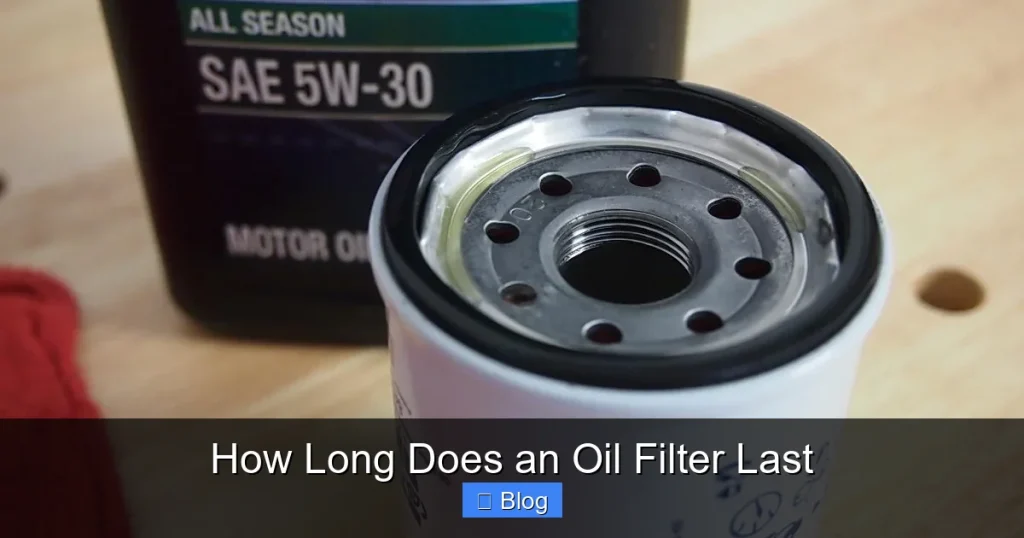
How long does an oil filter last? An oil filter typically lasts between 3,000 to 10,000 miles, depending on driving conditions, oil type, and vehicle make. Regular oil changes are the best way to ensure your filter works properly and protects your engine from harmful contaminants.
Key Takeaways
- Oil filters last 3,000–10,000 miles: Most manufacturers recommend replacing the oil filter with every oil change, which usually falls within this range.
- Driving conditions matter: Frequent short trips, stop-and-go traffic, or extreme temperatures can shorten filter life.
- Use quality filters and oil: High-quality synthetic oil and premium filters often last longer and perform better.
- Follow your owner’s manual: Always check your vehicle’s recommended maintenance schedule for accurate guidance.
- Don’t skip the filter during oil changes: Reusing an old filter reduces engine protection and can lead to sludge buildup.
- Watch for warning signs: Poor fuel economy, engine noise, or dirty oil may indicate a clogged filter.
- DIY or professional service: You can replace the filter yourself with basic tools or have it done during routine maintenance.
Quick Answers to Common Questions
Tip/Question?
Can I reuse an oil filter to save money?
No, you should never reuse an oil filter. Once it’s been used, the filter media is saturated with contaminants and may not seal properly when reinstalled. Always replace it with a new one during oil changes.
Tip/Question?
Does synthetic oil really extend filter life?
Yes, synthetic oil resists breakdown and stays cleaner longer than conventional oil, which can help your filter last longer—especially when paired with a high-quality filter.
Tip/Question?
How do I know which oil filter to buy?
Check your owner’s manual or use an online parts finder. Make sure the filter matches your vehicle’s make, model, and engine size.
Tip/Question?
Can a clogged oil filter cause engine damage?
Yes. A clogged filter restricts oil flow, leading to increased friction, overheating, and potential engine failure if not addressed.
Tip/Question?
Is it okay to change the oil but not the filter?
No. Even if the oil is new, a dirty filter can quickly contaminate it. Always replace both at the same time for maximum protection.
How Long Does an Oil Filter Last? A Complete Guide
If you’re wondering, “How long does an oil filter last?” you’re not alone. It’s one of the most common questions car owners ask—and for good reason. Your oil filter plays a critical role in keeping your engine clean and running smoothly. But unlike tires or brake pads, it’s easy to forget about until something goes wrong.
In this guide, we’ll walk you through everything you need to know about oil filter lifespan, including how long they typically last, what affects their performance, and when it’s time to replace them. Whether you’re a seasoned DIY mechanic or a first-time car owner, this guide will help you make smart decisions to protect your engine and extend your vehicle’s life.
What Does an Oil Filter Do?
Visual guide about How Long Does an Oil Filter Last
Image source: img.philkotse.com
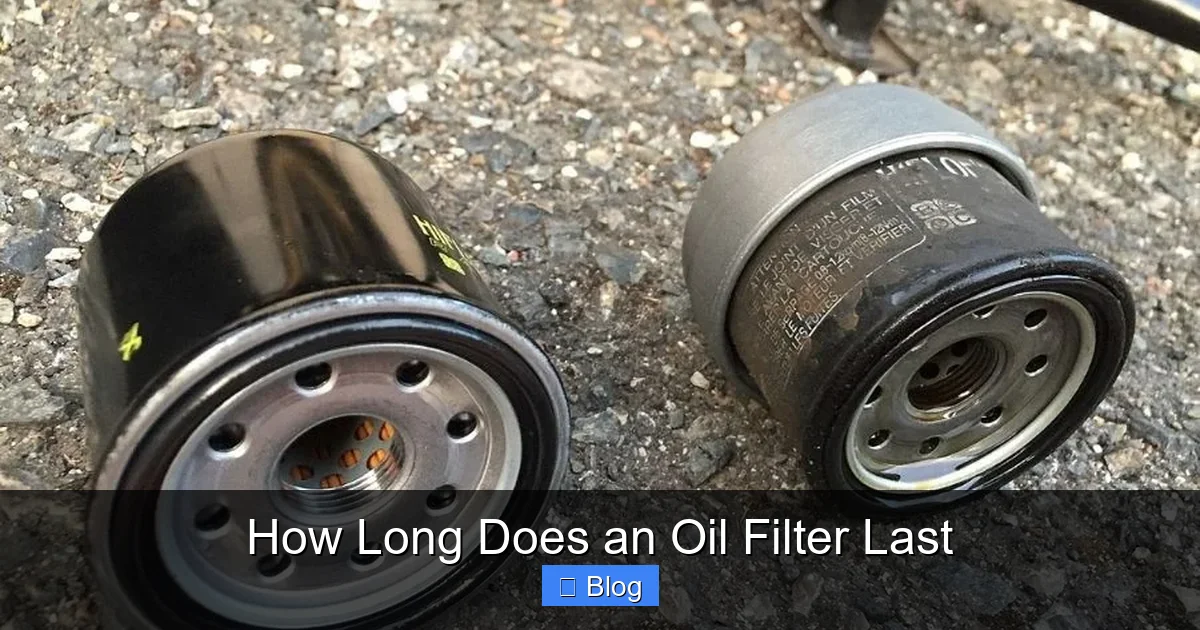
Before diving into lifespan, it helps to understand what an oil filter actually does. Your engine’s oil circulates through various components, lubricating moving parts and reducing friction. But as it does its job, the oil picks up dirt, metal shavings, carbon deposits, and other contaminants.
That’s where the oil filter comes in. It traps these harmful particles, preventing them from circulating back into the engine. Over time, the filter becomes saturated with debris. If it’s not replaced, it can become clogged, reducing oil flow and potentially causing engine damage.
Think of it like a coffee filter: it works great when it’s clean, but once it’s full of grounds, the water (or oil) can’t pass through properly.
How Long Does an Oil Filter Last?
Visual guide about How Long Does an Oil Filter Last
Image source: segalcorp.com
So, how long does an oil filter last? The short answer: most oil filters are designed to last between 3,000 and 10,000 miles. But that’s a wide range—and the exact lifespan depends on several factors.
Standard Recommendations
Most vehicle manufacturers and mechanics recommend replacing the oil filter every time you change your oil. Here’s a general breakdown:
- Conventional oil changes: Every 3,000 to 5,000 miles — replace the filter each time.
- Synthetic oil changes: Every 7,500 to 10,000 miles — replace the filter with each change.
Some high-end synthetic oils and premium filters claim to last up to 15,000 miles, but this is rare and usually requires ideal driving conditions.
Why the Range?
The lifespan varies because not all driving is the same. A filter in a car that’s driven mostly on highways will last longer than one in a vehicle used for city driving with frequent stops and starts. We’ll explore these factors in detail next.
Factors That Affect Oil Filter Lifespan
Understanding what impacts your oil filter’s life helps you make better maintenance decisions. Here are the top factors:
1. Driving Conditions
Your daily driving habits play a big role. If you frequently drive in stop-and-go traffic, take short trips, or drive in dusty or dirty environments, your filter will clog faster. Short trips don’t allow the engine to reach optimal operating temperature, leading to moisture buildup and sludge—both of which increase contamination.
2. Oil Type
The type of oil you use directly affects filter life. Conventional oil breaks down faster and carries more contaminants, so it requires more frequent changes—and filter replacements. Synthetic oil, on the other hand, resists breakdown, stays cleaner longer, and can extend both oil and filter life.
3. Filter Quality
Not all oil filters are created equal. Cheap, low-quality filters may use inferior materials that degrade faster or fail to capture fine particles. Premium filters often have better filtration media, stronger housings, and anti-drain back valves that prevent oil from leaking out when the engine is off.
4. Vehicle Age and Engine Condition
Older engines or those with high mileage tend to produce more sludge and metal particles. This increases the load on the oil filter, shortening its effective life. If your engine burns oil or has known issues, you may need to change the filter more often.
5. Climate and Environment
Extreme temperatures—both hot and cold—can affect oil viscosity and filter performance. In very cold climates, oil thickens, making it harder for the filter to do its job. In hot climates, oil can break down faster, increasing contamination.
When Should You Replace Your Oil Filter?
Now that you know how long an oil filter lasts and what affects it, let’s talk about when to replace it.
Follow the Manufacturer’s Schedule
Your vehicle’s owner’s manual is the best source for maintenance guidelines. It will specify recommended oil change intervals and whether the filter should be replaced each time. Stick to this schedule unless your driving conditions suggest otherwise.
Replace It with Every Oil Change
Even if your filter looks clean, it’s smart to replace it every time you change the oil. Why? Because:
- The filter may be partially clogged even if it doesn’t look dirty.
- Old filters can develop internal leaks or fail under pressure.
- It’s a low-cost part compared to engine repairs.
Think of it as a small investment in long-term engine health.
Watch for Warning Signs
Sometimes, a filter fails before its scheduled replacement. Watch for these signs:
- Dirty or dark oil: If your oil looks gritty or unusually dark between changes, the filter may be clogged.
- Engine noise: A lack of proper lubrication can cause knocking or ticking sounds.
- Reduced fuel economy: A clogged filter can restrict oil flow, making the engine work harder.
- Oil pressure warning light: This could indicate low oil flow due to a blocked filter.
If you notice any of these, have your oil and filter checked immediately.
Can You Extend Your Oil Filter’s Life?
While you can’t make a filter last forever, there are ways to maximize its lifespan:
Use High-Quality Oil and Filters
Investing in synthetic oil and a reputable filter brand (like Mobil 1, Fram, K&N, or WIX) can improve performance and longevity. These products are designed to handle more contaminants and last longer under stress.
Drive Smart
Avoid short trips when possible. Let your engine warm up fully before driving hard. Combine errands to reduce cold starts. This helps the oil and filter stay cleaner longer.
Check Oil Levels Regularly
Low oil levels force the filter to work harder and can lead to overheating. Check your dipstick monthly and top off if needed.
Consider an Oil Analysis
If you’re unsure about your oil or filter condition, some shops offer oil analysis services. They test your oil for contaminants, viscosity, and wear metals, giving you insight into whether your filter is still doing its job.
DIY Oil Filter Replacement: Step-by-Step
Replacing your oil filter is a simple task you can do at home with basic tools. Here’s how:
What You’ll Need
- New oil filter (correct model for your vehicle)
- New oil (check your manual for type and amount)
- Oil filter wrench (if needed)
- Drain pan
- Gloves and rags
- Funnel
Step 1: Warm Up the Engine
Run the engine for a few minutes to warm the oil. Warm oil flows more easily, making it easier to drain.
Step 2: Drain the Old Oil
Place the drain pan under the oil drain plug. Remove the plug and let the oil drain completely. Replace the plug once done.
Step 3: Remove the Old Filter
Locate the oil filter (usually on the side or bottom of the engine). Use an oil filter wrench if it’s tight. Turn it counterclockwise to remove. Be ready—some oil will spill out.
Step 4: Prep the New Filter
Dip your finger in new oil and lightly coat the rubber gasket on the new filter. This helps create a better seal and prevents leaks.
Step 5: Install the New Filter
Screw the new filter on by hand until it’s snug. Do not overtighten—this can damage the gasket.
Step 6: Add New Oil
Use a funnel to pour the correct amount of new oil into the engine. Check the dipstick to ensure proper level.
Step 7: Start the Engine and Check for Leaks
Run the engine for 10–15 seconds, then turn it off. Check under the car for leaks. Recheck the oil level and top off if needed.
Troubleshooting Common Issues
Even with proper care, problems can arise. Here’s how to handle them:
Oil Leak After Replacement
This is usually due to a damaged gasket or overtightening. Turn off the engine, drain the oil, remove the filter, and inspect the gasket. Replace if necessary.
Filter Won’t Come Off
Use an oil filter wrench or strap. If it’s stuck, carefully puncture it with a screwdriver and twist. Be cautious not to damage surrounding parts.
Engine Noise After Change
This could mean air got into the system. Let the engine run for a minute, then recheck the oil level. If noise persists, have a mechanic inspect it.
Conclusion
So, how long does an oil filter last? While the answer varies, the rule of thumb is clear: replace your oil filter with every oil change. Whether you drive 3,000 or 10,000 miles between changes, the filter is a small but vital part of your engine’s health.
By understanding the factors that affect filter life—like driving habits, oil type, and filter quality—you can make informed decisions that protect your engine and save money in the long run. Don’t wait for warning signs. Stay proactive, follow your maintenance schedule, and your car will thank you with reliable performance for years to come.

Sagor Jahan is the founder and author of Automopromo.com, dedicated to delivering insightful tips, reviews, and updates in the automotive and promotional industry. With a passion for innovation and clear guidance, Sagor helps readers make informed decisions and stay ahead in the ever-evolving automotive world.

