Driving with low tire pressure is incredibly risky and should be avoided whenever possible. While a very slight drop might allow a short, slow drive to a service station, significant underinflation or a flat tire demands immediate attention. Prioritize safety by checking your tires regularly and addressing low pressure promptly to prevent accidents and costly damage. Never ignore your vehicle’s warnings, as neglecting tire pressure can have severe consequences for both your safety and your wallet.
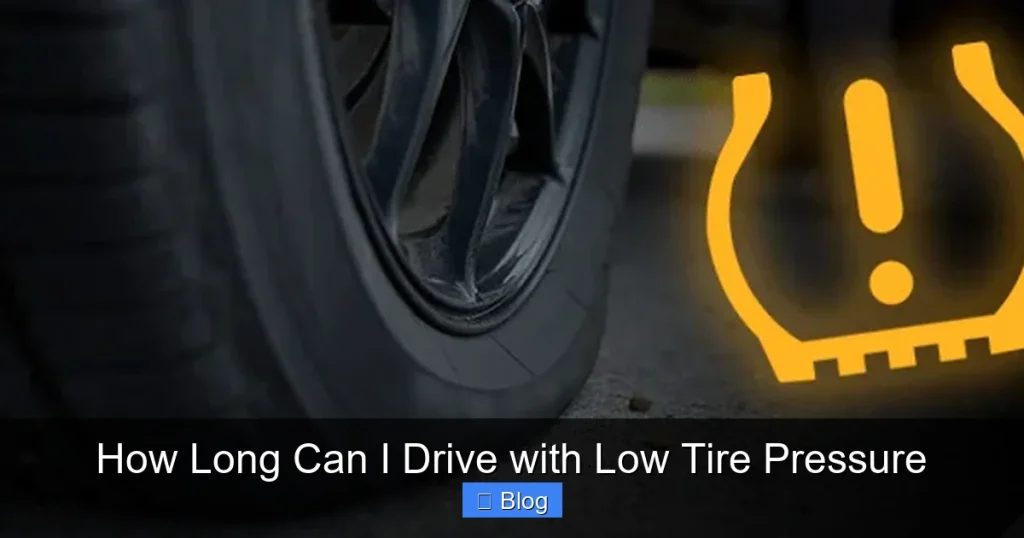
Picture this: You’re driving along, minding your own business, when suddenly, a little light illuminates on your dashboard – the dreaded horseshoe symbol with an exclamation mark. Your Tire Pressure Monitoring System (TPMS) is telling you that one or more of your tires are running low on air. Or maybe you just notice that one of your tires looks a little flatter than the others. Your immediate thought might be, “How long can I drive with low tire pressure?”
It’s a common question, and one that often receives a dangerously simple answer. The truth is, driving with low tire pressure is almost never a good idea. While there might be very limited exceptions for extremely short distances, understanding the risks, knowing what to look for, and taking the right actions is crucial for your safety and the longevity of your tires. This comprehensive guide will walk you through everything you need to know about low tire pressure, helping you make informed decisions and stay safe on the road.
Key Takeaways
- Avoid Driving When Possible: The safest action is to address low tire pressure immediately. Driving with an underinflated tire significantly compromises safety and can lead to severe damage.
- Severity Matters: A slightly underinflated tire (a few PSI below recommended) is less critical than a significantly underinflated or completely flat tire. Always assess the level of pressure loss before deciding to drive.
- Serious Safety Risks: Driving with low tire pressure increases the risk of blowouts, reduces vehicle handling and braking performance, and causes premature tire wear. These factors can lead to dangerous accidents.
- Prioritize Prevention: Regular tire pressure checks (at least monthly) and visual inspections are crucial. Maintaining proper tire inflation is the best way to avoid the dangers and inconveniences of low tire pressure.
- Understand Your TPMS: Your Tire Pressure Monitoring System (TPMS) light is a critical warning. When it illuminates, it means one or more tires are significantly underinflated (typically 25% below recommended PSI).
- Emergency Driving is Extremely Limited: If absolutely necessary, driving a very short distance (1-2 miles) at very low speeds (under 20 mph) with a *slightly* underinflated tire might be an option to reach a safe service point. This is a last resort and not recommended for severe low pressure.
- Seek Professional Help: For persistent low pressure, visible damage, or a puncture, a professional tire shop or roadside assistance is the best solution. Don’t attempt to repair complex issues yourself.
Quick Answers to Common Questions
Should I check my tire pressure when my tires are hot or cold?
Always check your tire pressure when your tires are “cold.” This means the vehicle hasn’t been driven for at least three hours or more than a mile. Driving heats up the tires and increases the air pressure, leading to an inaccurate reading.
Where can I find my vehicle’s recommended tire pressure?
You can usually find your vehicle’s recommended tire pressure (PSI) on a sticker located on the driver’s side door jamb, in your owner’s manual, or sometimes inside the glove compartment or fuel filler door. Never use the “max pressure” listed on the tire’s sidewall.
Is it bad to overinflate my tires slightly?
Yes, overinflating your tires can be just as detrimental as underinflating them. Overinflation reduces the contact patch with the road, leading to reduced grip, harsher ride quality, and accelerated wear in the center of the tread. Always stick to the manufacturer’s recommended PSI.
My TPMS light comes on only when it’s cold outside. Why?
Tire pressure drops about 1 PSI for every 10-degree Fahrenheit decrease in ambient temperature. So, if your tires were just barely at the recommended PSI during warmer weather, they might dip below the TPMS threshold when temperatures drop, causing the light to illuminate. It’s a natural phenomenon, but still indicates low tire pressure that needs to be addressed.
What should I do if my tire keeps losing air after I fill it?
If your tire consistently loses air after being inflated, it indicates a leak. You should take it to a professional tire shop immediately. They can inspect for punctures, valve stem issues, bead leaks, or even a damaged rim, and safely repair or replace the tire.
Understanding Your Tires and Low Pressure
Before we dive into how long you can (or can’t) drive, let’s quickly understand what low tire pressure actually means for your vehicle.
What is “Low Tire Pressure”?
Simply put, low tire pressure means your tire has less air inside it than recommended by the vehicle manufacturer. This recommended pressure, often measured in pounds per square inch (PSI), is usually found on a sticker inside your driver’s side door jamb, or in your owner’s manual. When the pressure drops significantly below this recommendation, your tire is considered underinflated.
Why Does Tire Pressure Matter So Much?
Your tires are the only part of your car that touches the road. They are meticulously engineered to perform optimally within a specific pressure range. When a tire has low tire pressure, several critical functions are immediately compromised:
- Contact Patch: The area of the tire that touches the road changes shape, leading to less grip.
- Heat Buildup: The tire’s sidewalls flex more, generating excessive heat.
- Structural Integrity: The internal components of the tire are put under abnormal stress.
- Vehicle Dynamics: The way your car handles, brakes, and corners is negatively affected.
How Your Vehicle Warns You: The TPMS Light
Most modern vehicles are equipped with a Tire Pressure Monitoring System (TPMS). This system uses sensors in each tire to monitor their inflation levels. If one or more tires drop to a certain percentage (typically 25%) below the recommended PSI, the TPMS light will illuminate on your dashboard. This isn’t just a suggestion; it’s a direct warning that you have low tire pressure and need to act.
Immediate Actions When You Notice Low Tire Pressure
Whether it’s the TPMS light or a visual cue, the moment you suspect you have low tire pressure, your actions are critical.
Visual guide about How Long Can I Drive with Low Tire Pressure
Image source: upgradedvehicle.com
Stay Calm and Find a Safe Spot
The first rule is not to panic. Find the nearest safe place to pull your vehicle over. This could be a gas station, a parking lot, or a wide shoulder on the road. Avoid stopping in high-traffic areas or places where you might obstruct others.
Initial Visual Inspection
Once safely stopped, get out and visually inspect all four tires. Look for:
- Obvious Flatness: Does one tire look significantly squashed or completely flat?
- Sidewall Damage: Are there any bulges, cuts, or tears on the side of the tire?
- Foreign Objects: Can you see a nail, screw, or other debris embedded in the tread?
This initial check will give you a better idea of the severity of your low tire pressure situation.
Assessing the Severity: How Low is “Low”?
Not all instances of low tire pressure are created equal. The degree of underinflation dictates your next steps.

Visual guide about How Long Can I Drive with Low Tire Pressure
Image source: mycarmakesnoise.com
Slightly Underinflated Tires (A Few PSI Down)
If your TPMS light just came on, but the tire doesn’t look visibly flat, you might only be a few PSI below the recommended level. This often happens due to temperature changes (tires lose about 1 PSI for every 10-degree Fahrenheit drop in temperature) or a very slow leak. In this scenario, the risks are lower, but still present.
Significantly Underinflated Tires (Visibly Sagging)
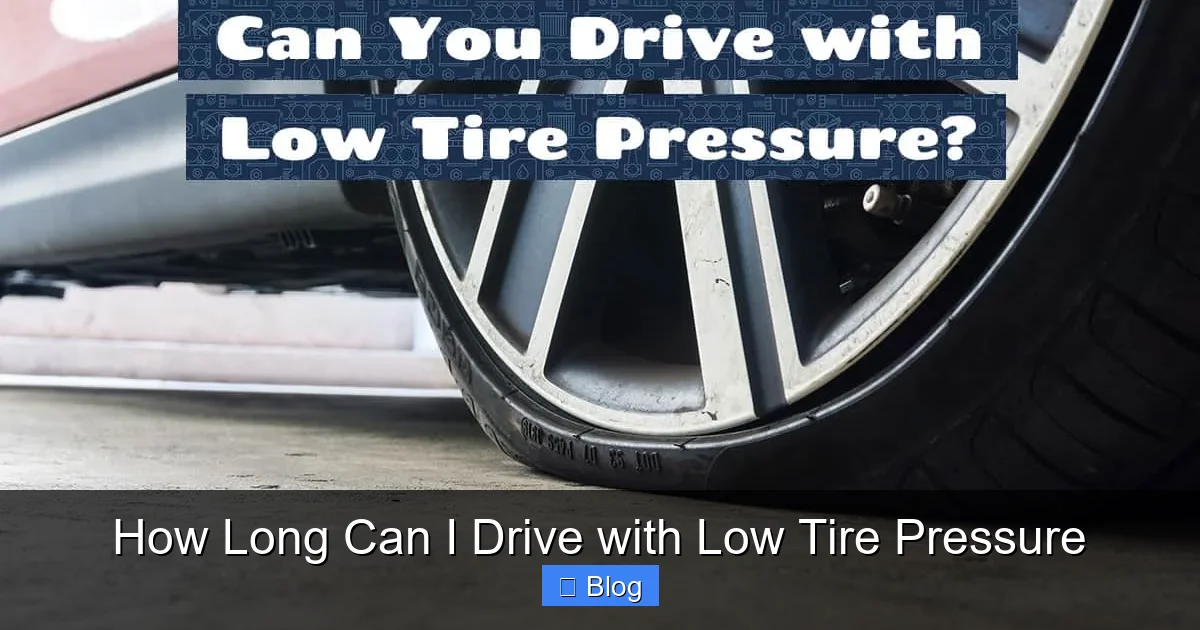
If the tire looks noticeably soft, sagging, or bulging at the bottom, it’s significantly underinflated – likely 10 PSI or more below the recommended pressure. This condition is much more dangerous and requires immediate attention.
Completely Flat or Damaged Tire
If the tire is completely flat, resting on its rim, or if you see significant sidewall damage (like a bulge or tear), driving is almost certainly out of the question. This indicates a severe issue that has compromised the tire’s structural integrity.
Using a Tire Pressure Gauge
The most accurate way to assess low tire pressure is with a reliable tire pressure gauge. If you don’t have one, it’s a good item to keep in your glove compartment. Check the pressure in all tires, including your spare if you have one. Compare the readings to the recommended PSI for your vehicle.
The Serious Dangers of Driving with Low Tire Pressure
Let’s be unequivocally clear: driving with low tire pressure is dangerous. It’s not just an inconvenience; it can lead to accidents and costly damage to your vehicle. Here’s why you should avoid it whenever possible:
Reduced Handling and Braking Performance
When a tire is underinflated, its shape changes, and the contact patch with the road becomes less effective. This leads to:
- Sloppy Steering: Your vehicle may feel less responsive, requiring more effort to steer.
- Longer Braking Distances: Reduced grip means it takes longer for your car to stop, especially in emergency situations.
- Compromised Cornering: The tire can flex excessively in turns, leading to a loss of control or the feeling that your car is “wallowing.”
Increased Risk of Tire Blowout
This is perhaps the most critical danger. An underinflated tire generates excessive heat due to increased friction and sidewall flexing. This heat weakens the tire’s internal structure, and at highway speeds or over extended periods, it can cause the tire to fail catastrophically – a blowout. A blowout can lead to a sudden loss of control, especially at high speeds, and can cause a severe accident.
Accelerated Tire Wear and Structural Damage
Driving on low tire pressure puts undue stress on the tire’s sidewalls and shoulders, causing them to wear out much faster than the center tread. This uneven wear shortens the lifespan of your tires significantly. More importantly, it can cause irreversible internal damage, even if the tire is later reinflated. Once the internal structure is compromised, the tire’s integrity is permanently weakened, making it prone to future failure.
Decreased Fuel Efficiency
While less critical than safety, low tire pressure also hurts your wallet. Underinflated tires have increased rolling resistance, meaning your engine has to work harder to move the vehicle. This leads to reduced fuel economy, costing you more at the pump over time. The U.S. Department of Energy estimates that you can improve your gas mileage by up to 3% by keeping your tires properly inflated.
When Driving is Absolutely NOT an Option
There are certain situations where attempting to drive, even a short distance, with low tire pressure is simply too risky and should be avoided at all costs. In these cases, your only safe options are to install a spare tire or call for roadside assistance.
Completely Flat Tire
If your tire is resting on its rim, it is completely flat. Driving on a flat tire will quickly destroy the tire beyond repair and can cause significant damage to your wheel rim, brake components, and even your vehicle’s suspension. Never drive on a completely flat tire.
Visible Sidewall Damage or Bulge
The sidewall is the thinnest and most vulnerable part of the tire. Any visible damage, such as a large cut, tear, or a bulge (which indicates internal structural failure), means the tire is critically compromised. Driving on it is extremely dangerous and almost guarantees a blowout.
Large Puncture or Foreign Object
If you can clearly see a large nail, screw, or piece of debris deeply embedded in the tire, especially near the sidewall, the damage is likely severe. Even if the tire isn’t completely flat yet, the object could shift or the damage could worsen rapidly while driving, leading to a quick blowout.
Vehicle Pulling Severely
If your vehicle is suddenly pulling strongly to one side, especially at speed, it’s a strong indicator of a severely underinflated tire or a rapidly deflating tire. This loss of control is a major safety hazard, and you should pull over immediately.
If You Must Drive a Very Short Distance (Emergency Only)
We’ve established that driving with low tire pressure is generally a bad idea. However, in rare, unavoidable circumstances – perhaps you’re on a dangerous stretch of road and need to reach a safer location, or the nearest service station is just around the corner – you might consider driving an extremely short distance. This is a last resort and comes with significant caveats.
Drive Slowly
If you absolutely must move, keep your speed very low. We’re talking 10-20 mph, no faster. This reduces heat buildup and the stress on the underinflated tire.
Minimize Distance
Limit your travel to the absolute minimum necessary – ideally no more than 1-2 miles. The goal is to get to a gas station with an air pump, a safe parking lot, or a place where you can call for help.
Avoid Sudden Maneuvers
Steer gently, brake slowly and smoothly, and avoid any sudden turns or swerves. Your vehicle’s handling is severely compromised, so aggressive driving will only increase the risk of losing control.
Stay Hyper-Vigilant
Pay extremely close attention to how the car is handling. Listen for unusual noises, and feel for vibrations. If anything feels or sounds worse, pull over immediately, even if it’s not ideal.
Crucial Reminder: Even with these precautions, driving on a significantly underinflated tire can cause irreversible damage to the tire’s internal structure, potentially leading to a blowout later, even after it’s been reinflated. This emergency driving should be seen as a “get out of immediate danger” solution, not a long-term fix.
Steps to Rectify Low Tire Pressure
Once you’ve safely assessed the situation, here’s how to address the low tire pressure.
Locate a Gas Station or Service Center
Most gas stations have air pumps, either free or for a small fee. Service centers and tire shops also have air compressors. Use your phone’s GPS or look for signs to find the nearest one.
Inflate the Tire to Recommended PSI
Use the air pump to inflate the underinflated tire to the PSI specified on your vehicle’s door jamb sticker. Do not inflate to the “max pressure” listed on the tire’s sidewall; this is the maximum safe pressure for the tire itself, not the recommended operating pressure for your specific vehicle. Check the pressure with a gauge frequently during inflation to avoid overinflating.
Inspect for Leaks After Inflation
Once the tire is at the correct pressure, check for any rapid air loss. If it’s a slow leak, you might not notice immediate deflation, but if there’s a puncture, you might hear a hiss or see the pressure drop quickly. A simple trick is to spray the tire (especially the tread and valve stem) with soapy water; bubbles will appear where air is escaping.
What if You Have a Puncture?
If you find a small puncture (e.g., a nail in the tread, not the sidewall), some tire shops can repair it. However, if the puncture is large, near the sidewall, or if the tire has been driven on while severely underinflated for too long, it will likely need to be replaced. Always consult a tire professional for puncture assessment and repair.
Using Your Spare Tire
If your tire is completely flat, severely damaged, or you can’t get it inflated, your next option is to install your spare tire. Refer to your vehicle’s owner’s manual for instructions on how to do this safely. Remember that many modern vehicles come with a “doughnut” or temporary spare, which has strict speed and distance limitations (usually around 50 mph and 50-100 miles). Full-size spares have fewer restrictions, but you should still get the damaged tire addressed as soon as possible.
Calling for Roadside Assistance
If you’re unsure how to change a tire, don’t have a spare, or the situation feels unsafe, call for roadside assistance. Services like AAA or your car manufacturer’s roadside assistance program can help you inflate the tire, change it, or tow your vehicle to a service center.
Preventative Measures: Keeping Your Tires Properly Inflated
The best way to deal with low tire pressure is to prevent it in the first place.
Check Tire Pressure Monthly
Make it a habit to check all your tires, including your spare, at least once a month and before any long road trips. Always check pressure when the tires are “cold” – meaning the vehicle hasn’t been driven for at least three hours or more than a mile.
Perform Visual Inspections Regularly
Quickly walk around your car before driving. Look for any noticeable sag, bulges, or embedded objects. This takes seconds and can save you a lot of trouble.
Understand the Impact of Temperature Changes
Tire pressure fluctuates with temperature. As mentioned, a drop in ambient temperature will cause your tire pressure to decrease. During seasonal changes, especially from warm to cold, be extra diligent about checking your tires.
Rotate and Balance Your Tires
Regular tire rotation and balancing (as recommended by your vehicle manufacturer) ensure even wear, prolonging the life of your tires and helping to catch potential issues early.
Troubleshooting Common Low Tire Pressure Issues
Sometimes, addressing low tire pressure isn’t as straightforward as just adding air.
TPMS Light Stays On After Inflation
If you’ve inflated your tires to the correct PSI and the TPMS light remains on, there are a few possibilities:
- Need to Drive: Some systems require you to drive a few miles at a certain speed for the system to “relearn” the new pressure and reset.
- Manual Reset: Your vehicle might have a manual TPMS reset button (check your owner’s manual).
- Faulty Sensor: A TPMS sensor might be damaged or have a dead battery. This requires professional diagnosis and replacement.
- Spare Tire Issue: If you’ve just put on a spare, and it’s not a full-size spare with its own TPMS sensor, the light might remain on.
Tire Keeps Losing Air After Inflation
If you’ve inflated a tire and it continues to lose air quickly (within a day or two), you have a persistent leak. This could be due to:
- Puncture: A nail, screw, or other sharp object.
- Valve Stem Leak: The small rubber or metal stem where you add air can degrade and leak.
- Bead Leak: The seal between the tire and the wheel rim can sometimes leak, often due to corrosion or damage to the rim.
- Cracked Wheel: In rare cases, the wheel itself might be cracked.
In any of these cases, take your vehicle to a tire professional immediately. They have the tools and expertise to properly diagnose and repair the leak.
Conclusion
The answer to “How long can I drive with low tire pressure?” is almost always “as little as possible.” While a slightly underinflated tire for a very short, slow emergency drive might be permissible to reach a safe location, it should never be seen as a routine practice. The dangers of reduced handling, increased blowout risk, and accelerated tire damage far outweigh any minor convenience.
Your safety, and the safety of everyone on the road, depends on properly maintained tires. Make regular tire pressure checks a priority. Understand the warnings your car gives you, and always address low tire pressure promptly and correctly. By doing so, you’ll ensure a safer, more efficient, and more reliable driving experience for years to come.

Sagor Jahan is the founder and author of Automopromo.com, dedicated to delivering insightful tips, reviews, and updates in the automotive and promotional industry. With a passion for innovation and clear guidance, Sagor helps readers make informed decisions and stay ahead in the ever-evolving automotive world.