When an outlet sparks as you plug in an appliance, it can range from a normal, harmless electrical arc to a sign of a serious underlying problem. This guide helps you understand the causes, recognize dangerous sparks, and take appropriate steps to ensure your safety and the proper functioning of your electrical system. Knowing when to act or call a professional is crucial.
Why Does Outlet Spark When I Plug Something In?
Have you ever gone to plug in your phone charger or a toaster, and suddenly, you see a quick flash or hear a small crackle from the outlet? It can be startling! For many of us, this sight makes us wonder, “Why does outlet spark when I plug something in?” Is it normal, or is it a sign of danger?
You’re not alone in asking this question. Outlet sparks are a common electrical phenomenon. Sometimes, they are perfectly normal and nothing to worry about. Other times, however, they can be a serious warning sign of an electrical problem that needs immediate attention. Understanding the difference is key to keeping your home safe.
This comprehensive guide will help you understand exactly why your outlet sparks when you plug something in. We’ll cover the basic science behind sparks, differentiate between normal and dangerous sparks, explore the common causes, and provide clear, step-by-step instructions on what to do when you encounter a spark. You’ll learn how to identify potential hazards, troubleshoot common issues, and know when it’s time to call in a professional electrician. By the end, you’ll feel much more confident about your home’s electrical safety.
Key Takeaways
- Normal vs. Dangerous Sparks: Not all sparks are created equal. A small, momentary flash when plugging in a high-power device is often normal, but a loud pop, continuous sparking, smoke, or a burning smell indicates a dangerous issue.
- Initial Power Surge: Many modern electronics contain capacitors that draw a brief surge of electricity upon connection, causing a small, harmless spark at the outlet.
- Loose Connections are a Major Culprit: Whether it’s a loose connection within the appliance plug, the outlet itself, or the wiring behind the wall, loose connections generate heat and sparks, posing a fire risk.
- Overloaded Circuits are Dangerous: Plugging too many high-draw devices into one circuit can lead to overheating, sparking, and frequent circuit breaker trips, signaling an unsafe condition.
- Inspect and React Safely: Always unplug the device and turn off power if you suspect a dangerous spark. Inspect the outlet, plug, and cord for damage or discoloration.
- When to Call an Electrician: If sparking is persistent, accompanied by smoke or burning smells, results in frequent breaker trips, or if you’re unsure about the cause or solution, it’s always best to contact a qualified electrician.
- Prevention is Key: Regularly inspect outlets and cords, avoid overloading circuits, use surge protectors, and ensure plugs are inserted fully and correctly to prevent sparking issues.
Quick Answers to Common Questions
What’s a common, harmless reason for an outlet spark?
Often, a small, brief spark occurs when plugging in electronics with capacitors (like chargers or computers) due to an initial, harmless surge of electricity needed to charge the device’s internal components.
How can I quickly tell if a spark is dangerous?
A dangerous spark is usually accompanied by a loud pop, continuous sparking, smoke, a burning smell, or discoloration around the outlet. If you see any of these, consider it dangerous.
Should I use an outlet that sparks dangerously?
No, absolutely not. If an outlet produces dangerous sparks (loud, continuous, smoky), unplug anything connected, turn off the circuit breaker for that outlet, and do not use it until it has been inspected and repaired by a professional.
Can a damaged appliance cause an outlet to spark?
Yes, a faulty appliance with a damaged plug, frayed cord, or an internal short circuit can definitely cause an outlet to spark when plugged in. Always inspect your appliance cords and plugs for damage.
What’s one easy way to prevent outlets from sparking?
Always ensure you insert appliance plugs fully and firmly into the outlet. Loose or partial connections are a common cause of minor sparks and can lead to wear and tear on the outlet over time.
Understanding the Spark: The Basics of Electrical Arcs
Before we dive into the “why,” let’s quickly understand what a spark actually is in an electrical context. An electrical spark is essentially a small, visible electrical arc. This arc happens when electricity jumps across a gap between two conductors.
When you plug an appliance into an outlet, you are completing an electrical circuit. Ideally, the connection should be immediate and solid. However, if there’s a tiny gap or a brief moment of incomplete contact as the prongs slide into the outlet, electricity can bridge that gap by ionizing the air. This ionization creates a plasma channel, which we see as a brief flash of light – a spark.
Normal vs. Dangerous Sparks: How to Tell the Difference
The most important thing to learn is how to distinguish a normal spark from a dangerous one. Your ability to tell them apart could prevent a fire or other electrical hazard.
What a Normal Spark Looks Like:
A normal spark is usually:
- Small and quick: It’s a tiny, brief flash, often lasting less than a second.
- Silent or a faint crackle: You might hear a very soft “zip” or “crackle” sound.
- Occasional: It happens only sometimes, especially with certain types of appliances.
- Harmless: There’s no smoke, burning smell, or discoloration around the outlet.
What a Dangerous Spark Looks Like:
A dangerous spark, on the other hand, is a serious concern. Look out for:
- Loud pop or bang: A distinct, sharp sound.
- Continuous sparking: The spark doesn’t go away immediately; it keeps flashing.
- Large, bright flash: Much more intense than a small, fleeting spark.
- Smoke or burning smell: This is a critical warning sign of overheating.
- Discoloration or scorching: The outlet or plug looks burned, brown, or black.
- Circuit breaker trips: If the circuit breaker immediately trips after the spark.
- Sparking without plugging anything in: If the outlet sparks on its own, without any interaction.
If you see any of these signs, you likely have a serious issue that needs immediate attention.
Common Reasons Your Outlet Sparks (And What to Do)
Now that we know the difference, let’s explore the common reasons why an outlet sparks when you plug something in. We’ll categorize them into generally harmless and potentially dangerous causes.
1. Initial Power Surge (Normal and Harmless)
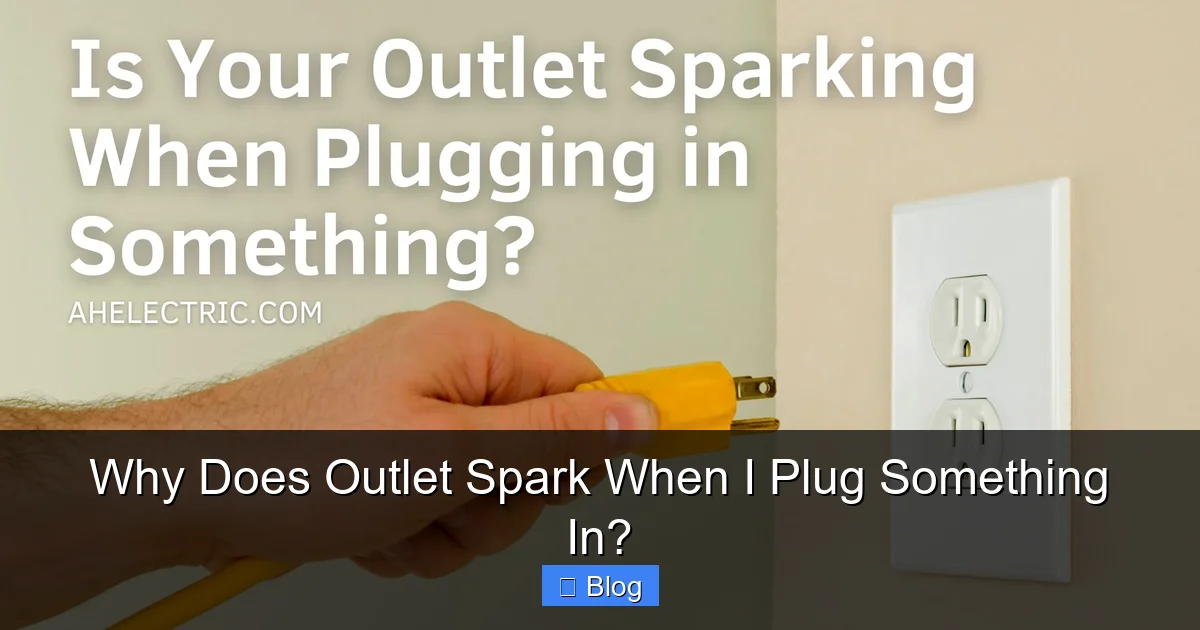
Cause: Many modern electronic devices, like computers, TVs, chargers, and anything with a transformer or capacitor, draw a brief surge of electricity when first connected. This surge is needed to charge internal components. When this initial surge occurs just as the plug makes contact, it can create a small, momentary arc. This is often the most common reason for a normal, quick spark.
Visual guide about Why Does Outlet Spark When I Plug Something In?
Image source: ahelectric.com
What to do: Usually, nothing is needed. If the spark is small, quick, and doesn’t cause any other issues, it’s likely just the appliance drawing its initial power. It’s a normal part of the electrical connection process for many devices. You can try plugging the item into a different outlet to confirm it’s not the outlet itself.
2. Loose Plug Connection (Potentially Dangerous)
Cause: If the plug of your appliance doesn’t fit snugly into the outlet, or if it’s slightly wiggled as you plug it in, it can create a brief, incomplete connection. This momentary gap allows electricity to jump, causing a spark. Over time, repeated loose connections can also cause the outlet itself to wear out, leading to larger and more frequent sparks.
What to do:
- Inspect the plug: Check the appliance plug for bent or dirty prongs. Straighten bent prongs carefully with pliers (unplugged!), or clean dirty ones.
- Inspect the outlet: Look inside the outlet for any obvious damage or if the internal contacts look loose or spread apart.
- Try another outlet: Plug the appliance into a different, known-good outlet. If it still sparks, the problem might be with the appliance plug or cord. If it doesn’t spark, the original outlet might be faulty.
- Replace the outlet: If the outlet feels loose or appears damaged, it’s best to replace it. This is a task that an experienced DIYer can handle, but if you’re unsure, call an electrician.
3. High-Power Appliances (Often Normal, but Can Stress Outlets)
Cause: Appliances that draw a lot of power, like hair dryers, toaster ovens, vacuum cleaners, or power tools, can sometimes produce a slightly larger or more noticeable spark when plugged in. This is due to the higher current demand upon initial connection. While often normal, consistent large sparks with high-power devices can indicate that the outlet or wiring is struggling to handle the load, or that the outlet is aging.
What to do:
- Observe: Pay attention to the size and duration of the spark. If it’s brief and doesn’t involve any other warning signs (smoke, burning smell), it might be acceptable.
- Dedicated circuits: Consider if the appliance should be on a dedicated circuit. Heavy-duty appliances often benefit from their own circuit to prevent overloading.
- Outlet condition: Check the outlet for signs of wear. If it feels loose or looks discolored, it might be time for a replacement.
4. Worn-Out or Damaged Outlet (Dangerous)
Cause: Outlets don’t last forever. Over time, the internal contacts that grip the appliance prongs can become loose, corroded, or damaged. This wear and tear creates an inconsistent connection, leading to frequent and potentially larger sparks. A worn-out outlet can also generate heat, which is a fire hazard.
What to do:
- Safety First: If you suspect a worn-out outlet, immediately stop using it.
- Turn off power: Go to your electrical panel and turn off the circuit breaker for that outlet.
- Inspect: Look closely at the outlet’s slots. Are they widened? Do you see any scorching or discoloration?
- Replace the outlet: This is the most common solution. You can purchase replacement outlets at any hardware store. Ensure you buy the correct type (e.g., standard 15-amp, GFCI if in a wet area). If you’re not comfortable replacing it yourself, call an electrician.
5. Faulty Appliance Plug or Cord (Potentially Dangerous)
Cause: Damage to the appliance’s plug (bent, loose, or broken prongs) or the power cord (frayed wires, exposed conductors) can create a short circuit or an unstable connection. This instability can cause significant sparking when you try to plug it in. A damaged cord is a serious shock and fire hazard.
What to do:
- Do NOT use: If you see any damage to the plug or cord, do NOT attempt to use the appliance.
- Inspect: Carefully examine the plug for damage and the cord for any signs of fraying, cuts, or exposed wires.
- Repair or replace: Depending on the severity, you might be able to replace the plug itself (for some devices) or the entire cord. Often, it’s safer and more cost-effective to replace the appliance itself if the cord is integrated.
- Consult a professional: For expensive or complex appliances, a qualified repair technician might be able to fix the cord safely.
6. Shorted Appliance (Dangerous)
Cause: An internal short circuit within the appliance itself can cause a significant spark, a loud pop, and often trip the circuit breaker immediately upon plugging it in. This means that the electricity is finding an unintended, low-resistance path inside the device, often due to faulty wiring or component failure.
What to do:
- Unplug immediately: If the appliance sparked loudly and tripped the breaker, it likely has an internal short.
- Do NOT use: Do not attempt to plug that appliance back in. It is dangerous and could cause further damage or fire.
- Professional repair or discard: The appliance will need professional repair by a qualified technician or should be discarded and replaced.
7. Overloaded Circuit (Dangerous)
Cause: While an overloaded circuit doesn’t directly cause a spark when plugging in, it’s a related issue that can exacerbate existing problems or lead to sparks and tripped breakers. If a circuit is drawing too much power, the wiring can overheat. This increased heat can weaken outlet connections over time, making them more prone to sparking. When a high-draw appliance is added to an already overloaded circuit, the surge can be too much.
What to do:
- Reduce load: Unplug some devices from the circuit. Distribute high-power appliances across different circuits in your home.
- Identify circuit capacity: Know which outlets are on which circuits. Your electrical panel should have labels.
- Upgrade if necessary: If you frequently overload circuits despite careful use, you might need an electrical panel upgrade or additional circuits installed by an electrician.
8. Moisture in the Outlet (Extremely Dangerous)
Cause: Water and electricity are a deadly combination. Any moisture inside an outlet can create a conductive path, leading to a severe short circuit, large sparks, arcing, and a very high risk of electric shock or fire. This can happen from spills, leaks, or even high humidity in an unsealed outdoor outlet.
What to do:
- Extreme Caution: If you suspect moisture, do NOT touch the outlet or anything plugged into it.
- Turn off power IMMEDIATELY: Go to your main electrical panel and turn off the circuit breaker that controls that outlet. If you’re unsure which one it is, turn off the main breaker to your entire house.
- Call an electrician: This is not a DIY fix. A professional electrician needs to safely assess the situation, dry out the components, and replace any damaged parts.
- Prevent future issues: For outdoor outlets, ensure they have proper weather-resistant covers (in-use covers). Address any leaks or sources of moisture.
Troubleshooting and Prevention: Keeping Your Home Safe
Knowing the causes is the first step. Here’s how to troubleshoot safely and prevent future sparks.
Step 1: Prioritize Safety
Whenever you encounter a spark, especially a dangerous one, your first priority is safety. If there’s smoke, a burning smell, or continuous sparking, immediately:

Visual guide about Why Does Outlet Spark When I Plug Something In?
Image source: rdelectrical.biz
- Unplug the device (if safe to do so): Only do this if you can do it without touching a hot or continuously sparking area. Use a dry, non-conductive object if necessary.
- Turn off the power: Go to your electrical panel and switch off the circuit breaker for the affected outlet. If you can’t identify it, turn off the main breaker for your home.
- Keep clear: Do not touch the outlet or the appliance until the power is off and the situation is assessed.
Step 2: Identify the Source
Once power is safely off:
- Inspect the plug and cord: Look for bent prongs, discoloration, burn marks, fraying, or exposed wires.
- Inspect the outlet: Look into the slots for discoloration, burn marks, widened openings, or foreign objects.
- Test with another appliance: Plug a different, known-good appliance into the outlet (after restoring power, but be ready to shut it off again). If it sparks again, the outlet is likely the problem. If it doesn’t spark, the original appliance was likely the issue.
- Test the original appliance elsewhere: Plug the original appliance into a different, known-good outlet. If it sparks again, the appliance is definitely the problem.
Step 3: Implement Solutions
Based on your findings:
- For a faulty appliance: Repair or replace the appliance. Do NOT continue to use a device with a damaged plug, cord, or internal short.
- For a faulty outlet: Replace the outlet. Ensure the power is OFF at the breaker before you begin. If you’re uncomfortable doing this, call an electrician.
- For overloaded circuits: Rearrange your appliances to distribute the load across different circuits. Use power strips with surge protection, but remember they don’t prevent circuit overload – they just provide more receptacles.
- For moisture: Do not use the outlet until an electrician has inspected and repaired it.
Step 4: Prevent Future Sparks
- Regular Inspections: Periodically check your outlets, plugs, and cords for signs of wear and tear, discoloration, or damage.
- Proper Plug Insertion: Always insert plugs firmly and completely into the outlet. Avoid wiggling them in or out.
- Avoid Overloading: Be mindful of how many high-power devices you plug into a single outlet or circuit. If your circuit breaker trips frequently, it’s a clear sign of overload.
- Use Quality Products: Invest in good quality surge protectors and appliances.
- Keep Outlets Dry: Ensure outlets, especially in bathrooms, kitchens, and outdoors, are kept dry. Use GFCI (Ground Fault Circuit Interrupter) outlets in these areas for added safety.
- Replace Old Outlets: If you have very old, loose, or discolored outlets, consider replacing them proactively.
When to Call an Electrician
While some minor sparks are normal, it’s always better to be safe than sorry when it comes to electricity. You should definitely call a qualified electrician if:
- The sparking is persistent or continuous.
- You see smoke, smell burning, or notice scorch marks.
- Your circuit breaker trips repeatedly after a spark.
- The outlet sparks even when nothing is being plugged in.
- You suspect moisture is involved.
- You’re uncomfortable or unsure about diagnosing or fixing the problem yourself.
- You have very old wiring or frequently experience electrical issues.
An electrician can safely diagnose the root cause, repair or replace faulty components, and ensure your home’s electrical system is safe and up to code.
Conclusion
Seeing an outlet spark when you plug something in can be alarming, but as you’ve learned, not every spark is a cause for panic. A small, quick flash with certain devices is often a normal occurrence due to initial power surges. However, distinguishing these harmless flashes from the dangerous signals of a serious electrical problem – such as a loud pop, continuous sparking, smoke, or burning smells – is absolutely vital for your safety.
By understanding the common causes, from worn-out outlets and faulty appliance cords to overloaded circuits and dangerous moisture, you are now equipped to react appropriately. Always prioritize safety by unplugging the device and turning off the power if you suspect a dangerous spark. Regular inspections, proper usage, and avoiding circuit overloads are your best defenses against electrical hazards. Remember, if you’re ever in doubt, or if the problem persists, do not hesitate to call a qualified electrician. Your safety and the integrity of your home’s electrical system are paramount.

Sagor Jahan is the founder and author of Automopromo.com, dedicated to delivering insightful tips, reviews, and updates in the automotive and promotional industry. With a passion for innovation and clear guidance, Sagor helps readers make informed decisions and stay ahead in the ever-evolving automotive world.