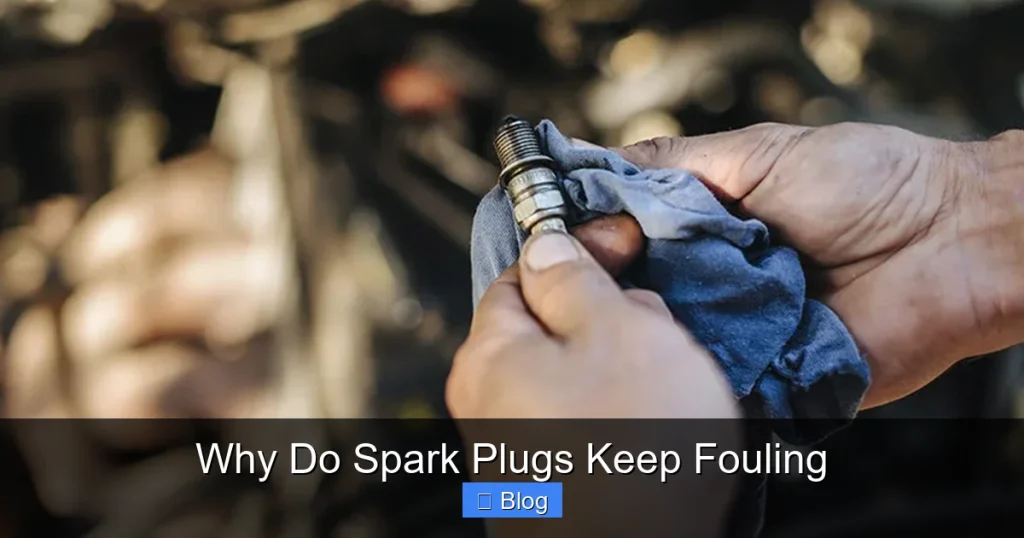
Spark plugs keep fouling mainly due to excess fuel, oil leakage, or incomplete combustion inside the engine. Why do spark plugs keep fouling? It usually happens when the air-fuel mixture is too rich, the engine burns oil, or the spark plugs are not firing properly. This buildup of carbon, oil, or fuel deposits prevents the plug from creating a strong spark.
Another common reason is short driving trips where the engine doesn’t reach its optimal temperature. This can cause deposits to form more quickly on the spark plugs. Faulty components like a clogged air filter, worn piston rings, or a malfunctioning fuel injector can also lead to repeated fouling issues.
Fixing the root cause is essential to prevent ongoing problems. Regular maintenance, correct spark plug selection, and proper engine tuning can help keep your spark plugs clean and ensure smooth engine performance over time.
Key Takeaways
- Fouled spark plugs are often caused by oil leaks, rich fuel mixtures, or carbon buildup from short driving cycles.
- Worn piston rings or valve seals can let oil seep into the combustion chamber, coating the spark plugs.
- Incorrect spark plug heat range or poor-quality plugs may overheat or fail to burn off deposits.
- Frequent short trips prevent the engine from reaching optimal temperature, leading to incomplete combustion and carbon buildup.
- Rich air-fuel mixture—too much fuel, not enough air—leads to wet fouling and black, sooty deposits.
- Regular maintenance, including timely oil changes and using the right spark plugs, helps prevent fouling.
- Diagnosing the type of fouling (wet, dry, oil, or carbon) is key to finding the right solution.
Quick Answers to Common Questions
Tip/Question?
Can I clean fouled spark plugs instead of replacing them?
While you can clean light carbon deposits with a wire brush or plug cleaner, it’s usually better to replace heavily fouled plugs. Cleaning won’t fix underlying mechanical issues.
Tip/Question?
How often should I check my spark plugs?
Inspect them every 15,000 miles or during oil changes. High-performance or older engines may need more frequent checks.
Tip/Question?
Do colder plugs prevent fouling?
No—colder plugs dissipate heat faster and may not burn off deposits. Use the heat range specified by your vehicle manufacturer.
Tip/Question?
Can bad gas cause spark plug fouling?
Yes, contaminated or low-octane fuel can lead to incomplete combustion and carbon buildup. Always use quality fuel.
Tip/Question?
Is fouling more common in older cars?
Yes, due to worn components like piston rings and valve seals. Regular maintenance helps delay these issues.
Why Do Spark Plugs Keep Fouling? A Complete How-To Guide
If your car is hard to start, runs rough, or has poor fuel economy, fouled spark plugs could be the culprit. Spark plug fouling happens when deposits build up on the electrode and insulator, preventing a proper spark. This common issue affects performance and can lead to engine damage if ignored.
In this guide, you’ll learn what causes spark plugs to foul, how to identify different types of fouling, and—most importantly—how to fix and prevent the problem. Whether you’re a DIY mechanic or just want to understand your car better, this step-by-step guide will help you keep your engine running smoothly.
What Is Spark Plug Fouling?
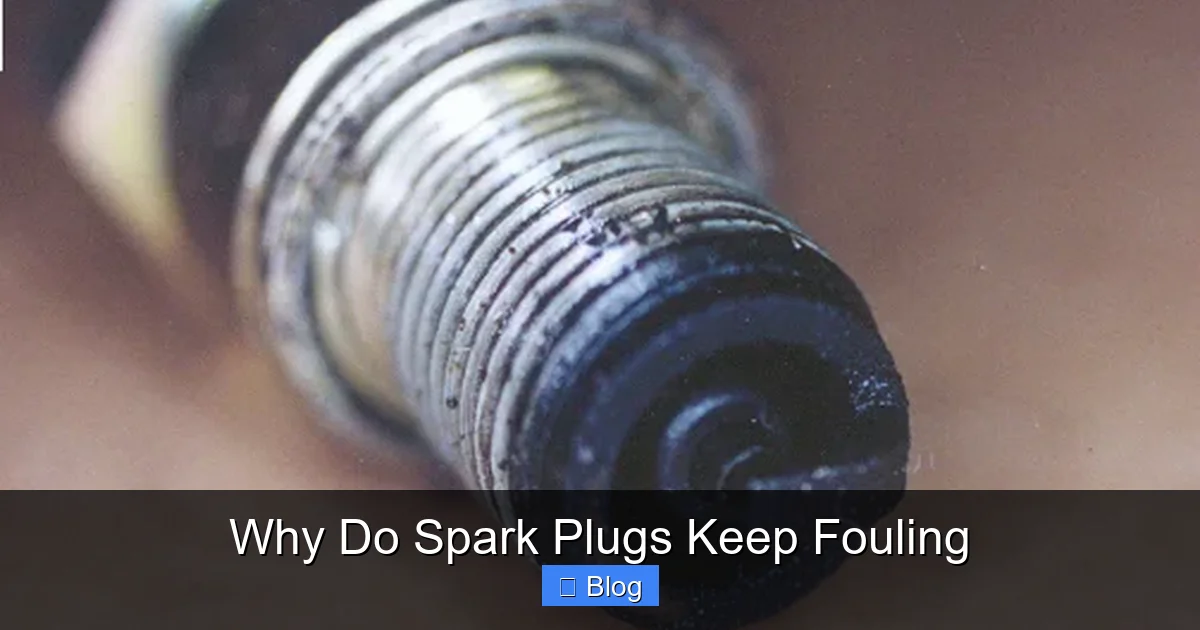
Visual guide about Why Do Spark Plugs Keep Fouling
Image source: motocrosshideout.com
Spark plug fouling occurs when unwanted materials coat the spark plug’s firing end. These deposits interfere with the spark needed to ignite the air-fuel mixture in the combustion chamber. Without a strong spark, your engine may misfire, stall, or fail to start.
Fouling can be dry (black, sooty carbon) or wet (oily or fuel-soaked). Each type points to a different underlying issue. Identifying the kind of fouling is the first step toward a proper fix.
Common Causes of Spark Plug Fouling
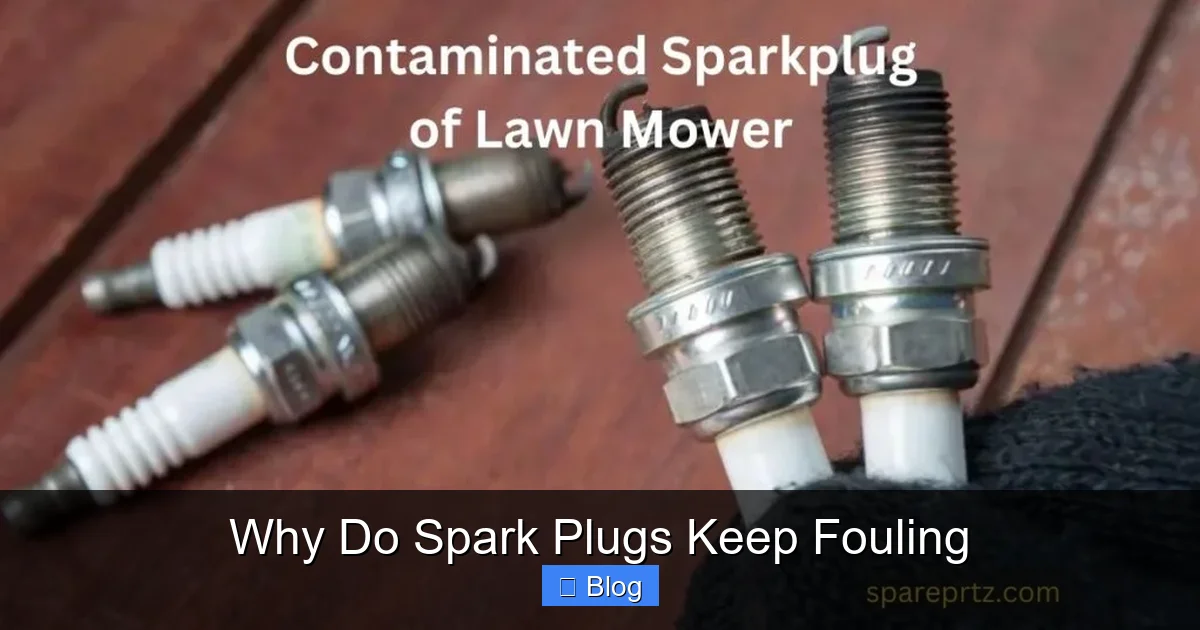
Visual guide about Why Do Spark Plugs Keep Fouling
Image source: spareprtz.com
Understanding why spark plugs keep fouling starts with knowing the root causes. Here are the most common culprits:
1. Oil Leaking into the Combustion Chamber
Oil can enter the combustion chamber through worn piston rings, valve stem seals, or a damaged head gasket. When oil burns, it leaves behind a dark, greasy deposit on the spark plugs.
Signs: Black, oily residue on the plug tip; blue smoke from the exhaust; low compression in one or more cylinders.
How to check: Remove the spark plug and inspect the electrode. If it’s coated in oil, suspect internal engine wear. A compression test can confirm ring or valve issues.
2. Rich Air-Fuel Mixture
A rich mixture means too much fuel is entering the engine relative to air. This can happen due to a faulty oxygen sensor, clogged air filter, malfunctioning fuel injectors, or a stuck choke.
Signs: Black, sooty deposits; strong smell of unburned fuel; poor fuel economy; black smoke from the tailpipe.
How to check: Inspect the spark plug for dry, black carbon buildup. Use an OBD2 scanner to check for trouble codes related to fuel trim or oxygen sensors.
3. Short Driving Cycles
Frequent short trips prevent the engine from reaching its optimal operating temperature. As a result, fuel doesn’t burn completely, leading to carbon buildup on the spark plugs.
Signs: Plugs appear dry and black with carbon; engine runs rough at startup; reduced performance.
How to check: Look for dry, sooty deposits. If you mostly drive short distances, this is a likely cause.
4. Incorrect Spark Plug Heat Range
Spark plugs are designed to operate within a specific temperature range. If the heat range is too low, the plug won’t get hot enough to burn off deposits. If it’s too high, it can cause pre-ignition.
Signs: Plugs show signs of overheating (white deposits, melted electrodes) or fouling (black buildup).
How to check: Compare your current plugs to the manufacturer’s specifications. Use a plug with the correct heat range for your engine and driving conditions.
5. Poor-Quality or Worn Spark Plugs
Cheap or old spark plugs may not perform well under stress. Over time, electrodes wear down, and insulators can crack, leading to misfires and fouling.
Signs: Cracked porcelain; eroded electrodes; inconsistent engine performance.
How to check: Replace plugs at the recommended interval (usually every 30,000 to 100,000 miles, depending on type). Use high-quality plugs from reputable brands.
How to Diagnose Fouled Spark Plugs
Before replacing your spark plugs, it’s important to confirm fouling and identify the type. Here’s how:
Step 1: Remove the Spark Plugs
– Let the engine cool completely.
– Disconnect the negative battery terminal for safety.
– Label and disconnect the spark plug wires or ignition coils.
– Use a spark plug socket and ratchet to carefully remove each plug.
Step 2: Inspect the Electrodes and Insulator
Look closely at the tip of each plug:
– Dry black soot: Indicates a rich fuel mixture or short trips.
– Wet, oily residue: Suggests oil leakage from worn components.
– Glazed, shiny deposits: May point to overheating or incorrect heat range.
– White, blistered insulator: Sign of overheating or pre-ignition.
Step 3: Check for Other Symptoms
– Listen for misfires or rough idling.
– Check the air filter for dirt or clogs.
– Use an OBD2 scanner to read trouble codes.
How to Fix Fouled Spark Plugs
Once you’ve identified the cause, take targeted action:
Fix 1: Address Oil Leaks
If oil is fouling the plugs, the engine needs mechanical repair:
– Replace worn valve stem seals or piston rings.
– Check and replace the head gasket if damaged.
– Use a compression or leak-down test to pinpoint the issue.
Tip: For older engines, consider using a high-mileage oil with seal conditioners to reduce minor leaks.
Fix 2: Correct the Air-Fuel Mixture
– Replace a dirty air filter.
– Clean or replace clogged fuel injectors.
– Check and replace faulty oxygen sensors or mass airflow (MAF) sensors.
– Reset the engine control unit (ECU) after repairs.
Example: A clogged air filter restricts airflow, causing the engine to run rich. Replacing it often resolves the issue.
Fix 3: Adjust Driving Habits
– Combine short trips into longer drives when possible.
– Let the engine warm up fully before shutting it off.
– Use a block heater in cold climates to help the engine reach temperature faster.
Fix 4: Install the Correct Spark Plugs
– Refer to your vehicle’s owner manual for the correct plug type and heat range.
– Choose iridium or platinum plugs for longer life and better performance.
– Gap the plugs correctly before installation.
Fix 5: Replace Worn Components
– Replace old spark plug wires or ignition coils if they’re cracked or damaged.
– Ensure the distributor cap (if applicable) is in good condition.
Troubleshooting Persistent Fouling
If spark plugs keep fouling even after repairs, dig deeper:
Check for Vacuum Leaks
A vacuum leak can cause a lean mixture, leading the ECU to compensate by adding more fuel—resulting in a rich condition.
How to test: Use a smoke machine or spray carb cleaner around intake gaskets while the engine runs. If RPMs change, you’ve found a leak.
Inspect the PCV System
A clogged Positive Crankcase Ventilation (PCV) valve can cause oil to be drawn into the intake manifold.
How to fix: Replace the PCV valve and inspect hoses for cracks or blockages.
Verify Fuel Quality
Low-quality or contaminated fuel can leave deposits. Use a fuel system cleaner periodically and buy gas from reputable stations.
How to Prevent Spark Plug Fouling
Prevention is easier than repair. Follow these best practices:
– Replace spark plugs at the recommended interval.
– Use high-quality engine oil and change it regularly.
– Avoid excessive idling and short trips when possible.
– Keep the air filter clean.
– Use the correct fuel and add a fuel injector cleaner every 3,000–5,000 miles.
Conclusion
Spark plug fouling is more than just a nuisance—it’s a warning sign that something is wrong with your engine. Whether it’s oil leaks, a rich fuel mixture, or short driving habits, identifying the root cause is essential.
By inspecting your spark plugs regularly, addressing mechanical issues promptly, and maintaining good driving and maintenance habits, you can keep your engine running clean and efficient. Don’t ignore fouled plugs—fix the problem early to avoid costly repairs down the road.

Sagor Jahan is the founder and author of Automopromo.com, dedicated to delivering insightful tips, reviews, and updates in the automotive and promotional industry. With a passion for innovation and clear guidance, Sagor helps readers make informed decisions and stay ahead in the ever-evolving automotive world.