How does a tire pressure monitoring system work? A tire pressure monitoring system (TPMS) uses sensors inside each tire or wheel to measure air pressure. When pressure drops below a safe level, the system sends data to the car’s computer, which activates a warning light on the dashboard.
A tire pressure monitoring system (TPMS) is a vital safety feature in modern vehicles, constantly monitoring your tires’ inflation levels. It works through either direct sensors inside each tire or indirectly via the anti-lock braking system’s wheel speed sensors, alerting you to underinflation. Understanding how your TPMS operates helps maintain optimal tire pressure, enhancing safety, fuel efficiency, and tire longevity.
How Does a Tire Pressure Monitoring System Work?
Ever noticed that little horseshoe-shaped light with an exclamation mark on your dashboard? That’s your car’s way of telling you something important about your tires. It’s the indicator for your Tire Pressure Monitoring System (TPMS), a crucial safety feature designed to keep you safe and your vehicle running efficiently.
But how does this clever system actually work? How does your car know when a tire is losing air, and what happens behind the scenes to trigger that warning light? If you’ve ever wondered about the magic behind this essential technology, you’re in the right place. This comprehensive guide will demystify the tire pressure monitoring system, breaking down its components, operational methods, and why it’s so vital for every driver.
We’ll explore the two main types of TPMS, walk you through their step-by-step processes, highlight the benefits of maintaining proper tire pressure, and even cover some common troubleshooting tips. By the end of this guide, you’ll have a clear understanding of how your car watches over its tires, empowering you to drive more safely and economically.
Key Takeaways
- TPMS Types: There are two main types: Direct TPMS (sensors in tires for real-time data) and Indirect TPMS (uses ABS sensors to infer pressure changes).
- Direct TPMS Accuracy: Direct systems offer highly accurate, real-time pressure and temperature readings directly from each tire.
- Indirect TPMS Functionality: Indirect systems detect underinflation by monitoring changes in wheel rotation speed, which occurs when a tire loses pressure and its circumference shrinks.
- Safety & Efficiency: A working tire pressure monitoring system significantly enhances driving safety by preventing blowouts, improves fuel efficiency, and extends the lifespan of your tires.
- Maintenance Matters: Regular maintenance, including sensor battery checks for direct TPMS and calibration for indirect systems, is crucial for accurate operation.
- Alert Interpretation: A solid TPMS light indicates low pressure, while a flashing light usually signals a system malfunction or sensor issue.
- Beyond the Light: Even with TPMS, manual tire pressure checks remain important, as TPMS alerts you after a problem develops, not before.
Quick Answers to Common Questions
What’s the ideal tire pressure?
Always refer to the sticker inside your driver’s side door jamb or your owner’s manual. Do NOT use the maximum pressure listed on the tire sidewall.
Should I check tire pressure even with TPMS?
Yes, absolutely! TPMS alerts you to significant pressure loss, usually 25% below recommended. Manual checks ensure your tires are always at their optimal level for best performance and safety.
Can cold weather affect TPMS?
Yes, tire pressure drops in colder temperatures (about 1 PSI for every 10°F drop). This can often trigger the TPMS light on chilly mornings, even if your tires aren’t leaking.
What does a flashing TPMS light mean?
A flashing TPMS light (often after starting the car) indicates a malfunction with the system itself, such as a dead sensor battery or a communication error, rather than just low tire pressure.
How often should TPMS sensors be replaced?
Direct TPMS sensors typically last 5-10 years, or around 100,000 miles, as their batteries are sealed and not replaceable. They are usually replaced when they fail or during a major tire service.
Understanding the Basics of a Tire Pressure Monitoring System
Before we dive into the specifics, let’s establish what a tire pressure monitoring system is and why it became standard equipment in vehicles. The TPMS is an electronic system that monitors the air pressure inside pneumatic tires. Its primary goal is to warn the driver of low tire pressure, which can create unsafe driving conditions, compromise fuel economy, and shorten the lifespan of tires. In the United States, the TREAD Act mandated TPMS in all new vehicles starting in 2007, a direct response to concerns about tire-related accidents.
Maintaining correct tire pressure is not just about avoiding a flat tire. Properly inflated tires are essential for:
- Safety: Incorrect pressure can lead to poor handling, increased stopping distances, and a higher risk of tire blowouts, especially at highway speeds.
- Fuel Efficiency: Underinflated tires create more rolling resistance, meaning your engine has to work harder, consuming more fuel.
- Tire Longevity: Tires with improper pressure wear out unevenly and prematurely, costing you money in replacements.
The Two Main Types of Tire Pressure Monitoring Systems
There are two primary types of tire pressure monitoring systems: Direct TPMS and Indirect TPMS. While both achieve the same goal – alerting you to low tire pressure – they do so using very different technologies.

Visual guide about How Does a Tire Pressure Monitoring System Work?
Image source: cdn.shopify.com
Direct Tire Pressure Monitoring System (Direct TPMS)
Direct TPMS is the more common and generally more accurate system. It uses physical sensors located inside each tire, usually mounted to the valve stem or strapped to the wheel rim. These sensors are dedicated to monitoring tire pressure.
- How it Works: Each sensor directly measures the air pressure and often the temperature within its respective tire. This data is then transmitted wirelessly (via radio frequency) to a central receiver, typically located in the vehicle’s electronic control unit (ECU). The ECU processes this information, and if any tire’s pressure falls below a predetermined safe level (usually 25% below the manufacturer’s recommended pressure), it triggers the TPMS warning light on your dashboard.
- Components:
- Tire Sensors: Small, battery-powered devices inside each tire, measuring pressure and temperature.
- Transmitter: Built into each sensor, sending data wirelessly.
- Receiver Module: Located in the car, collecting data from all sensors.
- Electronic Control Unit (ECU): Interprets the data and determines if an alert is needed.
- Dashboard Indicator: The warning light that illuminates.
- Pros: Highly accurate, provides real-time pressure readings for specific tires, can detect sudden pressure drops quickly, some systems even display individual tire pressures.
- Cons: More expensive to replace sensors (due to battery life, damage during tire changes), requires reprogramming or “relearning” after tire rotations or replacements, batteries are usually sealed and non-replaceable.
Indirect Tire Pressure Monitoring System (Indirect TPMS)
Indirect TPMS relies on components already present in your vehicle, primarily the Anti-lock Braking System (ABS) and Electronic Stability Control (ESC) wheel speed sensors.
- How it Works: This system doesn’t directly measure tire pressure. Instead, it monitors the rotational speed of each wheel. When a tire loses pressure, its overall diameter slightly decreases. A smaller diameter means the tire will spin faster to cover the same distance as a properly inflated tire. The indirect TPMS compares the rotational speeds of all four wheels. If one wheel is consistently spinning faster than the others, the system infers that its tire is underinflated and triggers the dashboard warning light.
- Components:
- ABS/Wheel Speed Sensors: Already part of your vehicle’s safety systems, these sensors monitor how fast each wheel is turning.
- ECU: Analyzes the speed data from the ABS sensors.
- Dashboard Indicator: The warning light.
- Pros: Less expensive, requires less maintenance (no sensor batteries to replace), simpler design.
- Cons: Less accurate, slower to detect pressure changes, cannot tell you the exact pressure or which specific tire is low, requires manual recalibration after tire rotations or inflation adjustments, can be affected by uneven tire wear.
Step-by-Step: How a Direct Tire Pressure Monitoring System Works
Let’s trace the journey of information in a direct TPMS from the tire to your dashboard.

Visual guide about How Does a Tire Pressure Monitoring System Work?
Image source: smlease.com
1. Sensor Measures Pressure and Temperature
Inside each tire, a small, battery-powered sensor is constantly at work. This sensor uses a pressure transducer to measure the exact air pressure within the tire. Many advanced sensors also measure the tire’s internal temperature, as temperature affects pressure. This data is collected several times per minute.
2. Data Transmission
The sensor then wirelessly transmits this pressure and temperature data using radio frequency (RF) signals. Each sensor has a unique ID, so the car’s system knows which tire the data is coming from. These signals are typically short-range.
3. Receiver and ECU Processing
A receiver module, usually part of the vehicle’s body control module or a dedicated TPMS receiver, picks up these radio signals. The receiver then forwards the data to the vehicle’s main Electronic Control Unit (ECU). The ECU stores the factory-recommended tire pressure specifications for your specific vehicle.
4. Dashboard Alert
The ECU compares the received pressure data from each tire with the programmed threshold. If any tire’s pressure falls below a pre-set safe limit (typically 25% below the recommended cold inflation pressure, as mandated), the ECU immediately triggers the TPMS warning light on your dashboard. In some advanced systems, an audible chime might also sound, and the vehicle’s infotainment screen might display the individual pressure of each tire, pinpointing the problematic one.
5. Driver Action
Upon seeing the warning light, the driver should safely pull over and check all tire pressures using a reliable gauge. The low tire should then be inflated to the manufacturer’s recommended pressure (found on a sticker inside the driver’s door jamb or in the owner’s manual). Once the tire pressure is corrected, the TPMS light should extinguish after a few miles of driving. If it doesn’t, or if the light was flashing, further investigation is needed.
Step-by-Step: How an Indirect Tire Pressure Monitoring System Works
The indirect system takes a more inferential approach, using existing data rather than direct measurements.
1. Wheel Speed Sensor Data
Your vehicle’s Anti-lock Braking System (ABS) and Electronic Stability Control (ESC) already use sensors at each wheel to monitor its rotational speed. These sensors send continuous data to the vehicle’s ECU.
2. ECU Analyzes Rotation Speed
The ECU constantly compares the rotational speeds of all four wheels. Under normal driving conditions, all wheels should be rotating at roughly the same speed when traveling in a straight line.
3. Detection of Underinflation
If a tire begins to lose air pressure, its overall diameter slightly decreases. A smaller diameter means that tire has to rotate more times to cover the same distance as the other, properly inflated tires. The ECU detects this discrepancy – one wheel consistently spinning faster than its counterparts – and interprets it as an indicator of underinflation.
4. Dashboard Alert
Once the ECU detects a significant and sustained difference in rotational speeds that exceeds a pre-set threshold, it triggers the TPMS warning light on your dashboard. Unlike direct systems, it cannot tell you which specific tire is low or its exact pressure.
5. Driver Action
Similar to direct TPMS, when the light comes on, the driver should safely check all tire pressures manually and inflate any underinflated tires to the recommended levels. For indirect systems, it’s crucial to recalibrate the system after adjusting tire pressures, rotating tires, or replacing tires. This is usually done by pressing a button inside the car or through a menu on the infotainment system, which “resets” the system to the new, correct wheel speeds.
Benefits of a Functioning Tire Pressure Monitoring System
Regardless of whether your vehicle uses a direct or indirect system, a properly functioning tire pressure monitoring system offers significant advantages:
- Enhanced Safety: By warning you of low pressure, TPMS helps prevent tire failures and blowouts, which are major causes of accidents. It ensures better vehicle handling, braking performance, and overall stability.
- Improved Fuel Efficiency: Properly inflated tires reduce rolling resistance. The U.S. Department of Energy estimates that maintaining proper tire pressure can improve gas mileage by up to 3.3%. Over time, this adds up to significant savings at the pump.
- Extended Tire Lifespan: Underinflated tires wear out faster and unevenly. By alerting you to correct pressure, TPMS helps maximize the lifespan of your tires, delaying costly replacements.
- Environmental Impact: Better fuel efficiency means fewer emissions, and longer-lasting tires mean less waste, contributing to a greener environment.
- Convenience: It provides a proactive warning, saving you the hassle of manually checking tire pressure as frequently (though regular checks are still recommended).
Maintaining Your Tire Pressure Monitoring System
A tire pressure monitoring system is a great safety net, but it’s not entirely maintenance-free. Here’s how to ensure it works correctly:
Regular Tire Checks
Even with TPMS, it’s a good habit to manually check your tire pressure with a reliable gauge at least once a month and before long trips. TPMS typically only alerts you when pressure drops significantly (around 25%), not necessarily when it’s slightly off optimal levels. Always check tires when they are “cold” (driven less than a mile).
Sensor Battery Life (Direct TPMS)
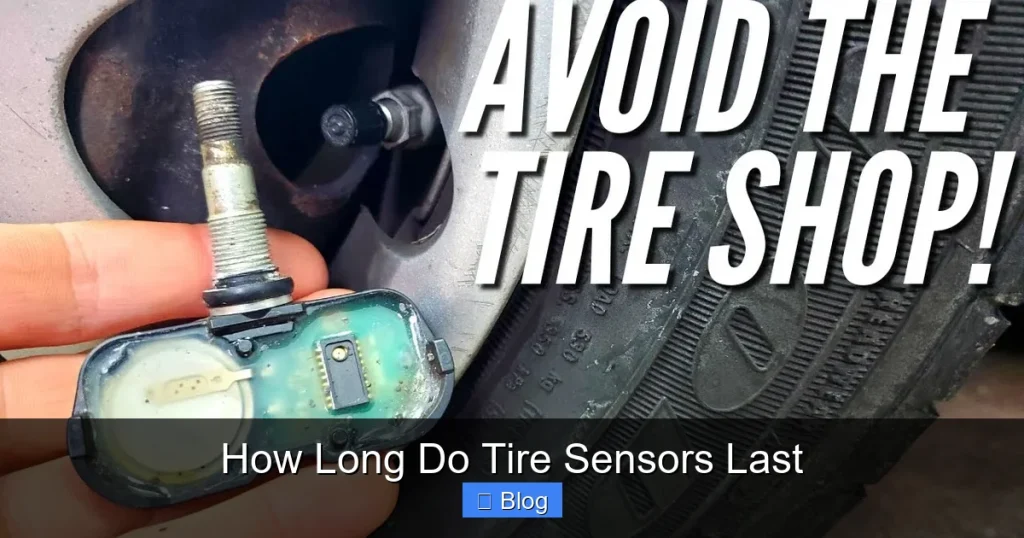
For direct TPMS, the sensors are powered by small, sealed batteries. These typically last 5-10 years, or around 100,000 miles. When a sensor battery dies, the TPMS warning light will likely flash and then stay solid, indicating a system malfunction rather than just low pressure. Replacing these sensors usually requires professional help during a tire service.
Calibration (Indirect TPMS)
If you have an indirect TPMS, remember to recalibrate it after you’ve adjusted tire pressures, rotated your tires, or replaced them. This “resets” the system to learn the new, correct rotational speeds of your wheels. Failing to do so can lead to false alarms or prevent the system from accurately detecting underinflation.
TPMS Relearning
For direct TPMS, after replacing a sensor, rotating tires, or sometimes even after a tire repair, the vehicle’s ECU may need to “relearn” the location and ID of each sensor. This process ensures that the system correctly associates each sensor’s data with its physical position on the car. This often requires special tools or a specific driving procedure.
Troubleshooting Common TPMS Issues
The TPMS light can be confusing sometimes. Here’s what different alerts mean and how to troubleshoot common problems:
Solid TPMS Light
A solid (not flashing) TPMS light means one or more of your tires are significantly underinflated. This is the most common alert.
Action: Immediately and safely check all your tire pressures with a gauge and inflate them to the recommended PSI. Drive for a few miles; the light should turn off. If it doesn’t, there might be a slow leak or an issue that needs professional attention.
Flashing TPMS Light
A flashing TPMS light (usually for 60-90 seconds upon startup, then staying solid) indicates a malfunction within the TPMS itself. This usually means a sensor battery has died (for direct TPMS), a sensor is faulty, or the system isn’t communicating correctly. The system is telling you it cannot monitor tire pressure effectively.
Action: While you should still check your tire pressures manually to ensure they are safe, a flashing light means the system needs professional diagnosis. A mechanic can use a scan tool to identify the specific sensor or module causing the error.
False Alarms
Sometimes, the TPMS light might come on unexpectedly, even when your tires seem fine.
- Temperature Changes: Tire pressure drops in cold weather and increases in hot weather. A significant temperature drop overnight can trigger the light, only for it to turn off as the tires warm up during driving.
- Recent Service: If the light comes on shortly after a tire rotation or replacement, the system might need recalibration or relearning.
Action: Always check your tire pressure first. If they are correct and the light persists, consider recalibrating (for indirect TPMS) or having a professional inspect it.
Sensor Replacement
Direct TPMS sensors have a finite lifespan due to their batteries. When a sensor fails, it needs to be replaced. This involves dismounting the tire, installing the new sensor, remounting and balancing the tire, and then performing a TPMS relearn procedure.
Action: If a diagnostic tool confirms a faulty sensor, plan for replacement during your next tire service appointment.
Conclusion
The tire pressure monitoring system is far more than just another dashboard light; it’s a critical safety and efficiency feature that constantly works to protect you and your vehicle. By understanding how a tire pressure monitoring system works, whether it’s a direct or an indirect system, you gain valuable insight into your car’s intelligent design.
Properly inflated tires are fundamental to safe driving, optimal fuel economy, and getting the most life out of your tires. So, the next time that little horseshoe light illuminates, you’ll know exactly what it means and how to respond. Stay proactive, check your tire pressures regularly, and ensure your TPMS is always in top working condition. Your safety, your wallet, and your tires will thank you.

Sagor Jahan is the founder and author of Automopromo.com, dedicated to delivering insightful tips, reviews, and updates in the automotive and promotional industry. With a passion for innovation and clear guidance, Sagor helps readers make informed decisions and stay ahead in the ever-evolving automotive world.