
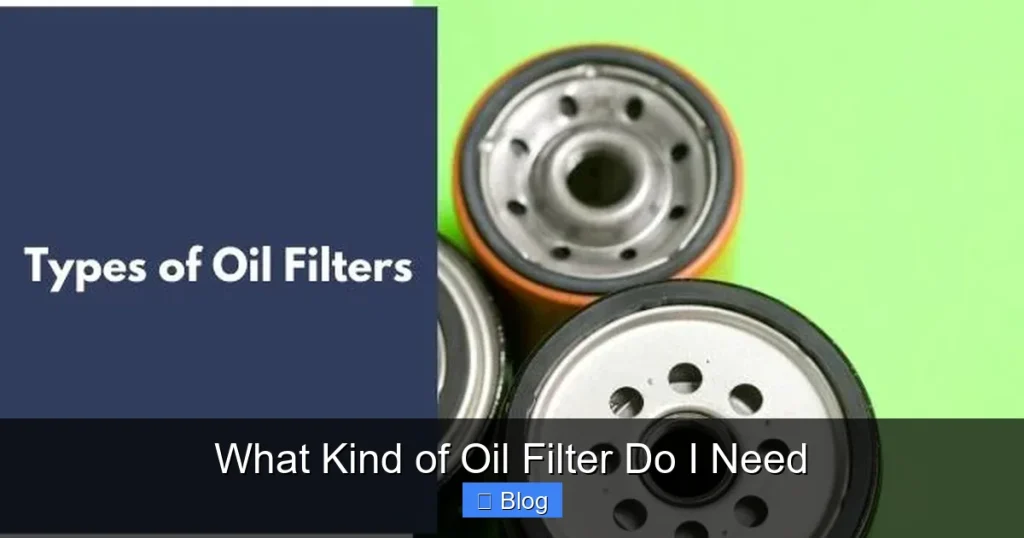
Choosing the correct oil filter is essential for engine health and performance. This guide walks you through every step—from checking your owner’s manual to understanding filter types—so you can make a confident, informed decision.
To choose the right oil filter, check your vehicle’s owner’s manual for the exact size and specifications. Most cars use spin-on or cartridge-type filters. Match the filter to your engine type, oil viscosity, and driving conditions. You can also use an auto parts store lookup tool by entering your car’s make, model, and year to find the correct filter quickly and safely.
Key Takeaways
- Check your owner’s manual first: It lists the exact oil filter part number and specifications recommended by your vehicle’s manufacturer.
- Match the filter to your oil type: Conventional, synthetic, and high-mileage oils may require different filter designs for optimal performance.
- Consider your driving conditions: Frequent short trips, towing, or extreme temperatures may call for a premium filter with better durability.
- Don’t skip the anti-drainback valve: This feature prevents dry starts by keeping oil in the filter when the engine is off.
- Brand matters—but so does compatibility: Stick with reputable brands, but always verify fitment for your specific make, model, and engine.
- Replace the O-ring too: Always install a new O-ring when changing your filter to prevent leaks.
- When in doubt, use an online lookup tool: Most auto parts stores offer free filter finders based on your vehicle’s year, make, and model.
Quick Answers to Common Questions
Tip/Question?
Can I use a cheaper filter if it fits?
While it may fit, cheaper filters often use lower-quality materials and may not meet OEM standards. Stick with reputable brands for reliable performance.
Tip/Question?
How often should I change my oil filter?
Always change the filter with every oil change—even if the oil looks clean. A clogged filter reduces oil flow and engine protection.
Tip/Question?
Is a reusable oil filter worth it?
Reusable filters (like K&N) can save money long-term and reduce waste, but they require proper cleaning and maintenance. Best for experienced users.
Tip/Question?
Can I reuse an oil filter?
No. Oil filters are designed for single use. Reusing one risks contamination, leaks, and engine damage.
Tip/Question?
What if my filter is hard to reach?
Use a filter wrench or strap tool for tight spaces. Some filters come with built-in grips or sockets for easier removal.
What Kind of Oil Filter Do I Need? A Complete How-To Guide
If you’ve ever stood in the auto parts aisle staring at rows of oil filters, you’re not alone. With so many brands, sizes, and features, it’s easy to feel overwhelmed. But choosing the right oil filter isn’t just about picking one that fits—it’s about protecting your engine, ensuring smooth performance, and extending your vehicle’s lifespan.
In this guide, you’ll learn exactly how to determine what kind of oil filter you need. We’ll walk you through checking your vehicle specs, understanding filter types, matching filters to your oil and driving habits, and even troubleshooting common mistakes. By the end, you’ll feel confident selecting the perfect filter—every time.
Step 1: Check Your Owner’s Manual
The very first place to look is your vehicle’s owner’s manual. This document is your car’s official instruction guide and contains the manufacturer-recommended oil filter part number, size, and specifications.
Why the Manual Matters
Car manufacturers design engines with specific tolerances and oil flow requirements. Using the wrong filter can restrict oil flow, reduce filtration efficiency, or even cause leaks. The manual ensures you get a filter that meets OEM (Original Equipment Manufacturer) standards.
What to Look For
- Part number: Often listed under “Maintenance” or “Specifications.”
- Thread size and gasket diameter: Critical for proper fit.
- Anti-drainback valve and bypass valve specs: These features affect performance.
Example: A 2020 Honda Civic with a 2.0L engine uses filter part number 15400-PLMA-003. This exact match ensures compatibility.
Step 2: Use an Online Filter Lookup Tool
Don’t have your manual handy? No problem. Most major auto parts retailers—like AutoZone, O’Reilly, Advance Auto Parts, and NAPA—offer free online filter finders.
How to Use the Tool
- Go to the retailer’s website.
- Enter your vehicle’s year, make, model, and engine size.
- The tool will display compatible filters with part numbers, images, and prices.
These tools cross-reference vast databases to ensure accuracy. They’re especially helpful if you’ve modified your vehicle or are working on an older model with hard-to-find parts.
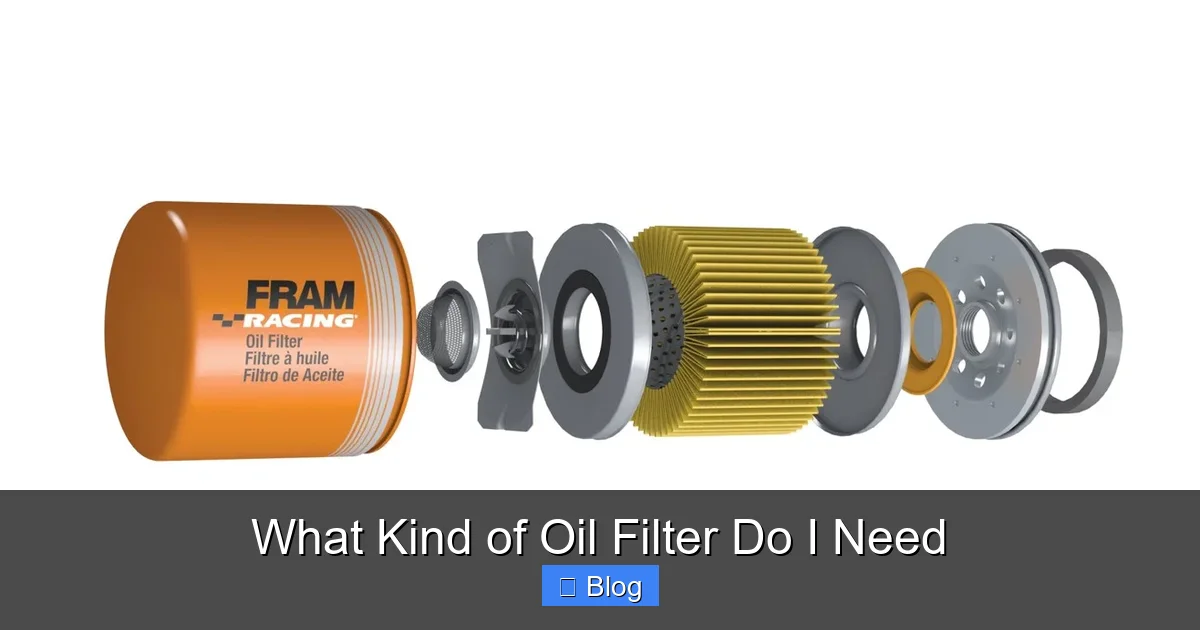
Visual guide about What Kind of Oil Filter Do I Need
Image source: brandperformance.net
Pro Tip
Save the results! Bookmark the page or take a screenshot so you can easily reorder the same filter next time.
Step 3: Understand Oil Filter Types
Not all oil filters are created equal. Here’s a breakdown of the main types and what they’re best for.
Conventional (Standard) Filters
These are the most common and affordable options. They use cellulose or mixed media to trap contaminants and are ideal for drivers who follow regular oil change intervals (every 3,000–5,000 miles).
High-Efficiency (Synthetic) Filters
Designed for synthetic oils and extended drain intervals (7,500–10,000+ miles), these filters use synthetic media that captures smaller particles and lasts longer. Great for modern engines and high-performance vehicles.
High-Mileage Filters
Built for vehicles with over 75,000 miles, these filters often include additives that condition seals and reduce oil burn-off. They’re a smart choice if you’re maintaining an older car.
Racing or Heavy-Duty Filters
Used in performance or towing applications, these filters have reinforced housings, higher flow rates, and superior heat resistance. Overkill for daily drivers but essential for extreme conditions.
Step 4: Match the Filter to Your Oil Type
Your oil and filter should work as a team. Using the wrong combination can reduce efficiency and engine protection.
Conventional Oil + Standard Filter
This classic pairing works well for most everyday vehicles. Just make sure to change both every 3,000–5,000 miles.
Synthetic Oil + High-Efficiency Filter
Synthetic oil flows better and lasts longer, so it needs a filter that can keep up. High-efficiency filters have finer media and better durability, making them the ideal match.
High-Mileage Oil + High-Mileage Filter
These products are formulated together to protect aging engines. The filter may include seal conditioners that complement the oil’s additives.
Example: If you’re using Mobil 1 Extended Performance synthetic oil, pair it with a Mobil 1 M1-113 filter for maximum protection.
Step 5: Consider Your Driving Conditions
Your driving habits play a big role in filter selection. Harsh conditions demand more from your engine—and your filter.
Short Trips and Stop-and-Go Traffic
Frequent cold starts and idling create more contaminants. A high-efficiency filter with superior dirt-holding capacity is a smart upgrade.
Towing or Heavy Loads
Extra strain increases engine heat and oil degradation. Choose a heavy-duty filter with a robust bypass valve and reinforced canister.
Extreme Temperatures
In very hot or cold climates, oil viscosity changes. A filter with excellent flow characteristics and thermal stability helps maintain protection.
Dusty or Dirty Environments
If you drive on gravel roads or in dusty areas, your filter will clog faster. Opt for a filter with high contaminant capacity and consider changing it more often.
Step 6: Check Key Filter Features
Not all filters include the same internal components. Here’s what to look for.
Anti-Drainback Valve
This valve keeps oil in the filter when the engine is off, preventing dry starts. Essential for engine longevity—especially in colder climates.
Bypass Valve
If the filter clogs, this valve opens to allow oil to bypass the media and keep circulating. A must-have feature that protects your engine during cold starts or when using thick oil.
Relief Valve (Pressure Relief)
Prevents excessive pressure buildup in the oil system. Common in high-performance filters.
End Cap Design
Look for filters with a sturdy steel end cap (not cardboard) for better durability and seal integrity.
Step 7: Choose a Reputable Brand
While generic filters may seem like a bargain, they often lack the quality control of name-brand options.
Top Brands to Consider
- WIX: Known for high-quality media and precise fit.
- FRAM: Offers a range from budget-friendly to premium (e.g., FRAM Ultra Synthetic).
- Motorcraft: OEM supplier for Ford vehicles—great for Ford, Lincoln, and Mercury.
- ACDelco: GM’s official parts brand—ideal for Chevrolet, GMC, and Cadillac.
- K&N: Popular for reusable filters and high-flow performance models.
Stick with brands that meet or exceed OEM standards. Avoid no-name filters from unknown sources—they may not pass safety tests.
Step 8: Install Correctly and Replace the O-Ring
Even the best filter won’t work if it’s installed wrong.
Installation Tips
- Lightly coat the new O-ring with fresh oil before installing.
- Hand-tighten only—do not use a wrench unless specified.
- Over-tightening can damage the gasket or filter housing.
- Always replace the O-ring—never reuse the old one.
A leaking filter can lead to low oil pressure and engine damage. Taking 30 seconds to install the O-ring correctly saves hours of trouble later.
Troubleshooting Common Oil Filter Problems
Filter Leaks After Installation
Cause: Old O-ring left in place, over-tightening, or damaged gasket.
Solution: Remove the filter, check for dual O-rings, replace the O-ring, and reinstall properly.
Oil Pressure Warning Light Comes On
Cause: Clogged filter, wrong filter size, or defective bypass valve.
Solution: Replace the filter with the correct OEM-spec part and check oil level.
Filter Collapsed or Warped
Cause: Excessive pressure or poor-quality materials.
Solution: Upgrade to a heavy-duty filter and verify oil viscosity is correct for your engine.
Conclusion
Choosing the right oil filter doesn’t have to be confusing. Start with your owner’s manual or an online lookup tool, match the filter to your oil type and driving conditions, and always prioritize quality and compatibility. A small investment in the correct filter pays off in engine protection, performance, and peace of mind.
Remember: your engine relies on clean oil flowing freely. The oil filter is your first line of defense against dirt, metal particles, and sludge. Don’t cut corners—your car will thank you with years of reliable service.

Sagor Jahan is the founder and author of Automopromo.com, dedicated to delivering insightful tips, reviews, and updates in the automotive and promotional industry. With a passion for innovation and clear guidance, Sagor helps readers make informed decisions and stay ahead in the ever-evolving automotive world.

