
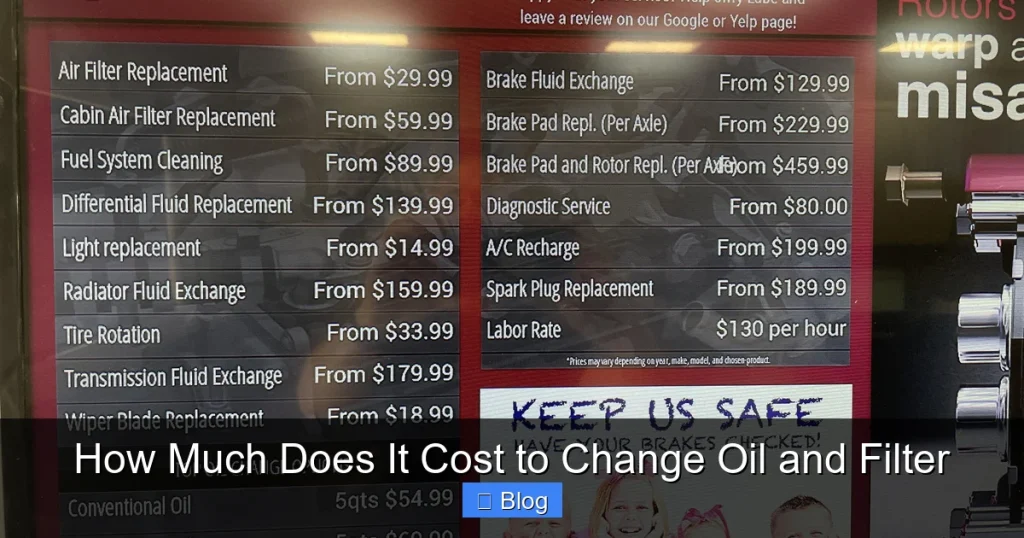
Understanding how much it costs to change oil and filter involves considering several factors: the type of oil (conventional, synthetic), your vehicle’s make and model, whether you opt for a DIY approach, and your chosen service provider. While a DIY oil change can save significantly on labor, it requires an initial tool investment and some mechanical know-how. Professional services, on the other hand, offer convenience and expertise for a higher price. Ultimately, budgeting for this essential maintenance depends on your choices, but regular oil changes are crucial for your car’s longevity and performance.
Ever wondered, “how much does it cost to change oil and filter?” You’re not alone! It’s one of the most common and crucial car maintenance tasks, but the price tag isn’t always straightforward. From DIY options to professional services, and various oil types in between, the cost can vary quite a bit. Don’t worry, we’re here to demystify it all for you.
Regular oil and filter changes are the lifeblood of your vehicle. They ensure your engine runs smoothly, efficiently, and lasts for years to come. Neglecting this simple service can lead to costly repairs down the line, so understanding what you’re paying for – or what you need to buy – is super important. In this comprehensive guide, we’ll break down all the factors influencing the cost, compare DIY vs. professional services, share tips to save money, and help you make an informed decision about your next oil change.
Key Takeaways
- Cost Varies Widely: The price you pay for an oil and filter change can range from $25 for a DIY conventional change to over $150 for a full synthetic service at a dealership, depending on several key factors.
- Oil Type is a Major Factor: Conventional oil is the cheapest, synthetic blend is moderate, and full synthetic oil is the most expensive, significantly impacting the overall cost of your oil change.
- DIY Saves on Labor: Doing it yourself cuts out labor costs, but requires an initial investment in tools and your time. It’s generally the most budget-friendly option if you’re comfortable with basic car maintenance.
- Professional Service Offers Convenience: Dealerships and independent shops provide convenience, expertise, proper disposal of old oil, and often include multi-point inspections, though at a higher price point.
- Vehicle Specifics Matter: Luxury vehicles, those requiring specialty oils or filters, or cars with larger engines will typically incur higher oil change costs due to increased material expenses.
- Smart Shopping Can Save Money: Always look for coupons, ask about loyalty programs, consider package deals, and understand your car’s actual oil requirements to avoid unnecessary spending.
Quick Answers to Common Questions
Should I always use full synthetic oil?
Not necessarily. Always check your car’s owner’s manual. Many modern vehicles require full synthetic, but if your car is older and only specifies conventional or synthetic blend, using full synthetic might be an unnecessary expense, though it won’t harm your engine.
How often should I change my oil?
The traditional 3,000-mile rule is largely outdated for most modern cars. Consult your owner’s manual; many vehicles now recommend oil changes every 5,000 to 10,000 miles, or even longer, depending on the oil type and driving conditions.
Can I mix different types of oil?
While generally not recommended, mixing a small amount of different oils (e.g., conventional and synthetic) in an emergency won’t cause immediate damage. However, for optimal performance and protection, stick to one type of oil and brand if possible for a complete change.
What should I do with old motor oil?
Never pour old motor oil down the drain or into the ground. It’s a hazardous waste. Most auto parts stores, quick lube centers, and local recycling facilities accept used motor oil for free. Store it in a sealed container until you can drop it off.
Is it worth paying extra for a premium oil filter?
Often, yes. A high-quality oil filter can offer better filtration and last longer, providing superior protection for your engine. The slight extra cost is usually negligible compared to the benefits for your engine’s longevity.
Understanding the Importance of Regular Oil Changes
Before we dive into the numbers, let’s briefly touch upon why this maintenance is non-negotiable. Your engine oil lubricates moving parts, reduces friction, cleans the engine by picking up dirt and debris, helps cool the engine, and prevents corrosion. Over time, oil breaks down, gets contaminated, and loses its effectiveness. A fresh oil change ensures your engine continues to perform optimally, prevents premature wear, and helps maintain fuel efficiency.
Ignoring regular oil changes can lead to sludge buildup, increased engine friction, overheating, reduced performance, and eventually, expensive engine damage. So, while you’re thinking about how much does it cost to change oil and filter, remember it’s an investment in your car’s longevity, not just an expense.
Key Factors Influencing Oil Change Costs
The question of how much does it cost to change oil and filter doesn’t have a single answer because several variables come into play. Let’s explore the main ones:

Visual guide about How Much Does It Cost to Change Oil and Filter
Image source: engineeringlearn.com
Type of Oil
This is arguably the biggest factor influencing the cost of an oil change. Different vehicles require different types of oil, and the prices vary significantly.
- Conventional Oil: This is the standard, most affordable option, made from crude oil. It’s suitable for older car models and those with simpler engine designs. A conventional oil change is typically the least expensive.
- Synthetic Blend Oil: A mix of conventional and synthetic oils, offering some of the benefits of synthetic oil (like better performance in extreme temperatures and enhanced protection) at a more moderate price point.
- Full Synthetic Oil: Engineered in a lab, full synthetic oil provides superior lubrication, protection, and performance. It’s required for many newer, high-performance, and luxury vehicles. It lasts longer between changes but comes with the highest price tag.
- High-Mileage Oil: Designed for cars with over 75,000 miles, this oil contains additives to help reduce oil burn-off and leaks in older engines. Its cost usually falls between synthetic blend and full synthetic.
Type of Vehicle
Your car’s make, model, and engine size also play a significant role in determining how much does it cost to change oil and filter.
- Engine Size and Oil Capacity: Larger engines require more oil, which directly increases the material cost. A small four-cylinder might take 4-5 quarts, while a V8 could need 6-8 quarts or more.
- Specialty Filters and Specific Requirements: Some vehicles, especially European luxury brands, require specific types of oil filters or oil that meets certain manufacturer specifications, which can be more expensive.
- Vehicle Complexity: Accessing the oil filter or drain plug might be more involved on certain vehicles, increasing labor time if you’re paying for a professional service.
Location and Service Provider
Where you get your oil changed and by whom also impacts the cost.
- Geographic Location: Costs for services tend to be higher in urban areas and regions with a higher cost of living compared to rural areas.
- Independent Mechanic Shops: Often offer competitive pricing and personalized service. They can be a great middle-ground for quality and affordability.
- Quick Lube Chains: Places like Jiffy Lube, Valvoline Instant Oil Change, or Pep Boys often have promotions and aim for speed. Their prices are usually reasonable, but be wary of potential upsells.
- Dealerships: Typically the most expensive option. They use OEM (Original Equipment Manufacturer) parts and highly trained technicians. While reliable, you pay a premium for the brand and specialized knowledge.
Additional Services
Many professional oil changes come bundled with other services, which can affect the overall price.
- Multi-Point Inspection: Often included for free, checking tire pressure, fluid levels, belts, hoses, etc.
- Tire Rotation: Some packages include tire rotation, which adds value but might increase the base price.
- Fluid Top-Offs: Windshield washer fluid, power steering fluid, etc., might be topped off as part of the service.
DIY Oil Change: Breaking Down the Costs
If you’re looking to minimize how much does it cost to change oil and filter, doing it yourself is often the cheapest route, especially after the initial tool investment. You’ll save significantly on labor costs.
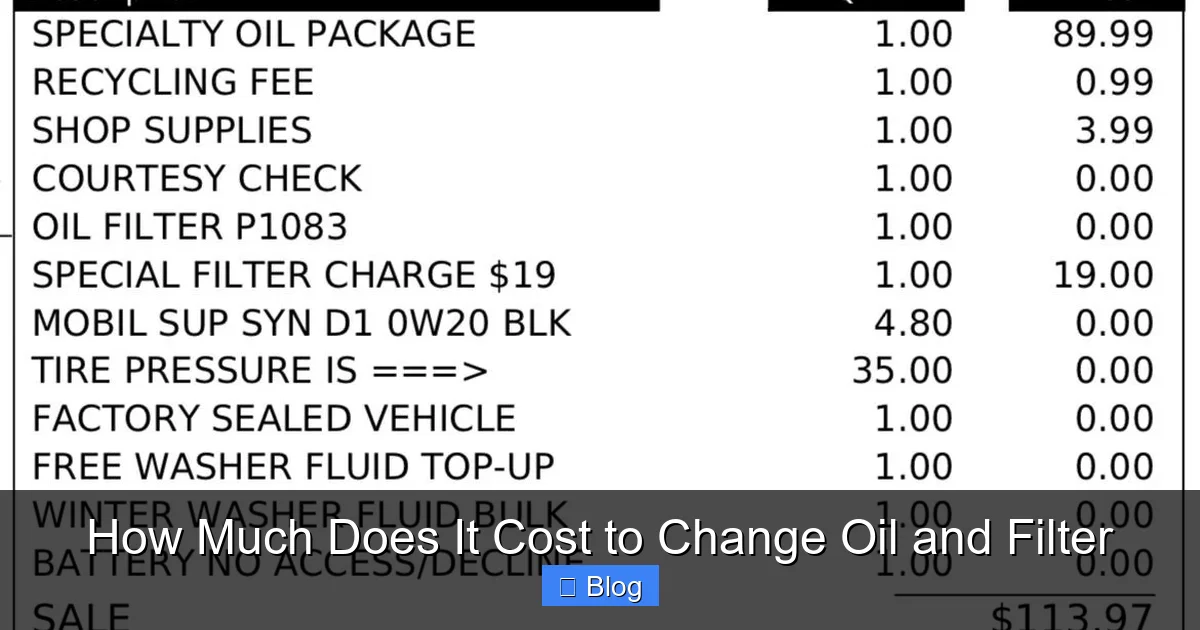
Visual guide about How Much Does It Cost to Change Oil and Filter
Image source: i.redd.it
Tools You’ll Need (Initial Investment)
For a basic DIY oil change, you’ll need:
- Socket Wrench Set or Combination Wrenches: To remove the drain plug (around $20-$50).
- Oil Filter Wrench: Essential for removing the old filter (around $5-$15, specific to your filter size).
- Drain Pan: To collect the old oil (around $10-$20).
- Funnel: For adding new oil neatly (around $3-$10).
- Jack and Jack Stands or Ramps: To safely lift your car (around $50-$100 for a decent set). Never work under a car supported only by a jack.
- Gloves: To keep your hands clean (disposable, inexpensive).
- Shop Rags or Old Towels: For spills.
Total initial tool cost: Approximately $90-$205. This is a one-time investment that will serve you for many oil changes.
Consumables (Per Change)
These are the items you’ll purchase for each oil change:
- Engine Oil:
- Conventional: $20-$35 for 5 quarts
- Synthetic Blend: $30-$50 for 5 quarts
- Full Synthetic: $40-$80 for 5 quarts
- Oil Filter: $5-$25 (standard to premium/specialty)
- Drain Plug Crush Washer/Gasket: $1-$3 (often recommended to replace)
Total DIY consumables cost: $26-$108 per change, depending heavily on oil type.
Pros and Cons of DIY Oil Change
Pros:
- Significant Cost Savings: You eliminate labor charges, which can be $30-$70 or more.
- Learning Experience: A great way to get to know your car and gain basic mechanical skills.
- Convenience (on your schedule): Do it whenever you have time, no waiting at a shop.
- Control Over Parts: You choose the exact oil and filter you want to use.
Cons:
- Time and Effort: Takes personal time and can be messy.
- Initial Tool Investment: Although it pays for itself over time.
- Proper Disposal: You’re responsible for safely disposing of old oil and filters, typically at an auto parts store or hazardous waste facility.
- Risk of Mistakes: Overtightening/undertightening the drain plug, using the wrong oil, or improper lifting can lead to serious issues.
Professional Oil Change: What to Expect
For many, the convenience and expertise of a professional service outweigh the DIY cost savings. Here’s a look at what you can expect when considering how much does it cost to change oil and filter professionally.
Typical Price Ranges
Prices can vary by location and provider, but here are general estimates:
- Conventional Oil Change: $35-$75
- Synthetic Blend Oil Change: $50-$90
- Full Synthetic Oil Change: $70-$150+ (especially for premium vehicles at dealerships)
These prices usually include the oil, the filter, and the labor. Luxury or specialized vehicles will almost always be at the higher end of these ranges, sometimes exceeding $150 for a full synthetic change at a dealership.
What’s Included in a Professional Service
Beyond just the oil and filter, professional services often add value:
- Labor: The cost of the technician’s time and expertise.
- New Oil and Filter: Quality products suitable for your vehicle.
- Multi-Point Inspection: Checking tire pressure, fluid levels, belts, hoses, lights, etc.
- Fluid Top-Offs: Windshield washer fluid, power steering fluid, etc.
- Proper Disposal: The shop handles the environmentally responsible disposal of old oil and filters.
- Service Records: Important for warranty and resale value.
Pros and Cons of Professional Oil Change
Pros:
- Convenience: Quick, easy, and no mess for you.
- Expertise: Trained technicians perform the service correctly and can spot other potential issues.
- Proper Disposal: Shops handle the environmentally friendly disposal of used oil and filters.
- Warranty Protection: Many new car warranties require scheduled maintenance by certified professionals.
- Thorough Inspection: Often includes a complimentary multi-point inspection.
Cons:
- Higher Cost: You’re paying for labor, overhead, and convenience.
- Potential for Upsells: Some quick lube places are notorious for recommending additional, sometimes unnecessary, services.
- Wait Times: Especially without an appointment.
Comparing DIY vs. Professional Costs (Examples)
Let’s put some numbers to the “how much does it cost to change oil and filter” question with a few common scenarios:
Scenario 1: Conventional Oil Change for an Older Sedan
- DIY: $20 (oil) + $5 (filter) + $1 (washer) = $26 (after initial tool investment)
- Professional: $35-$50
Scenario 2: Full Synthetic Oil Change for a Newer SUV
- DIY: $50 (oil) + $15 (filter) + $2 (washer) = $67 (after initial tool investment)
- Professional: $80-$120 (independent shop) to $150+ (dealership)
As you can see, the savings for DIY are quite substantial, especially for synthetic oil changes. However, the initial tool cost for DIY needs to be factored in, which typically pays for itself after 2-4 oil changes.
Smart Strategies to Save Money on Oil Changes
Even if you opt for professional service, there are ways to reduce how much does it cost to change oil and filter.
- Look for Coupons and Promotions: Many quick lube chains and independent shops regularly offer discounts. Check their websites or local mailers.
- Utilize Loyalty Programs: Some shops offer discounts or free services after a certain number of visits.
- Bundle Services: If your tires need rotating or other fluids need checking, look for package deals that combine these services with an oil change for overall savings.
- Bring Your Own Oil/Filter: Some independent shops might allow you to bring your own high-quality oil and filter, only charging you for labor. Always call ahead and ask.
- Understand Your Car’s Specific Oil Needs: Don’t automatically opt for full synthetic if your manufacturer recommends conventional or synthetic blend. Overspending on oil that isn’t necessary is a common mistake.
- Stick to the Manufacturer’s Recommended Schedule: Changing your oil too frequently (e.g., every 3,000 miles for a modern car that can go 7,500-10,000 miles) wastes money and resources. Check your owner’s manual.
Troubleshooting Common Oil Change Issues (and their cost implications)
While an oil change is routine, sometimes things can go wrong, potentially adding to the cost or causing headaches.
Oil Leaks After Change
If you notice oil spots after a DIY or professional change, it’s usually due to:
- Improperly Tightened Drain Plug: The drain plug might be loose or overtightened (damaging the threads). A new crush washer is crucial here. Cost: If DIY, just a new crush washer and your time. If professional, they should fix it for free.
- Improperly Installed Oil Filter: The old gasket might still be stuck, or the new filter isn’t tight enough. Cost: Similar to the drain plug issue, usually an easy fix by the responsible party.
Check Engine Light or Low Oil Pressure Light
These lights can come on if the wrong type or amount of oil was used, or if the oil pressure sensor is faulty.
- Wrong Oil Type/Level: Can cause performance issues or damage. Cost: Draining and refilling with the correct oil.
- Faulty Sensor: A less common issue directly related to the change, but worth checking. Cost: Sensor replacement ($50-$200+).
Stripped Drain Plug or Oil Pan Threads
This is a more serious (and costly) issue, usually caused by overtightening the drain plug.
- Cost: Can range from a drain plug repair kit ($20-$50) to replacing the entire oil pan ($200-$500+ for parts and labor, depending on the car). This is a strong argument for using a torque wrench if doing DIY.
Conclusion
So, how much does it cost to change oil and filter? As we’ve explored, there’s no single answer. The price depends on whether you choose DIY or professional service, the type of oil your car needs, your vehicle’s make and model, and where you live. For a DIY conventional oil change, you might spend as little as $25-$30 on materials, while a full synthetic change at a dealership for a luxury car could easily exceed $150.
Regardless of your chosen method, remember that regular oil changes are a fundamental part of responsible car ownership. They safeguard your engine’s health, prolong your vehicle’s lifespan, and save you from much more expensive repairs down the road. By understanding these factors and implementing smart saving strategies, you can ensure your car gets the care it needs without breaking the bank. Make an informed decision that balances cost, convenience, and peace of mind, and your engine will thank you for it!

Sagor Jahan is the founder and author of Automopromo.com, dedicated to delivering insightful tips, reviews, and updates in the automotive and promotional industry. With a passion for innovation and clear guidance, Sagor helps readers make informed decisions and stay ahead in the ever-evolving automotive world.

