
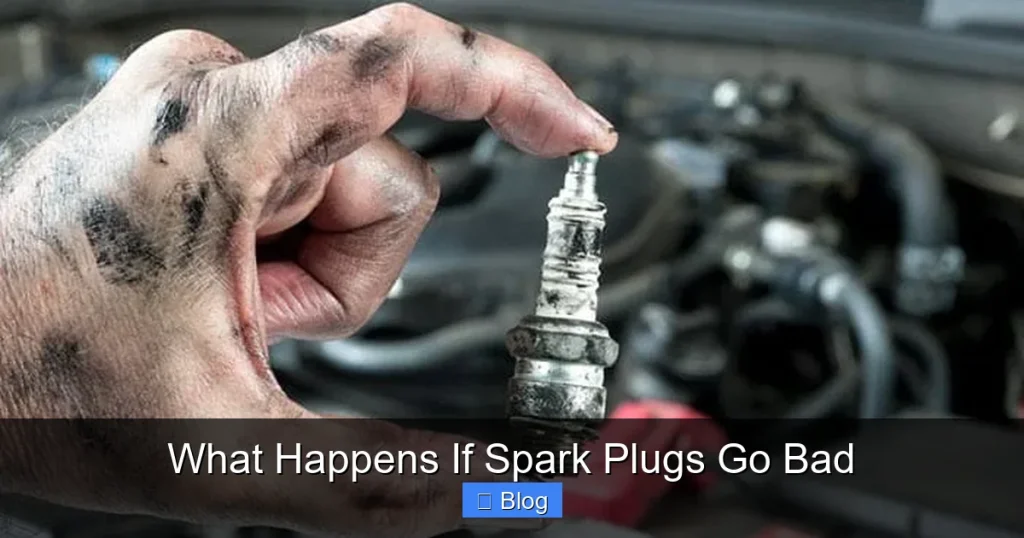
If you’ve ever wondered what happens if spark plugs go bad, you’re not alone—faulty plugs can lead to poor performance, reduced fuel efficiency, and even serious engine trouble. This guide breaks down the symptoms, consequences, and step-by-step solutions to diagnose and replace them. Stay proactive to avoid costly repairs and keep your vehicle humming.
Key Takeaways
- Spark plugs ignite fuel: They create the spark needed to power your engine; when bad, combustion fails, causing misfires and power loss.
- Early signs include rough idling: If your car shakes at stops or accelerates poorly, bad plugs are often the culprit—don’t ignore it.
- Fuel economy drops: Worn plugs waste gas, potentially increasing costs by 10-20%; regular checks prevent this.
- Engine damage risks: Prolonged issues can harm pistons and catalytic converters, leading to expensive fixes over $1,000.
- DIY replacement is feasible: With basic tools, you can swap plugs in under an hour, saving on mechanic fees.
- Maintenance schedule matters: Check plugs every 30,000 miles or as per your manual to catch problems early.
- Professional help when needed: If symptoms persist after replacement, it could signal deeper issues like wiring faults.
Quick Answers to Common Questions
How often should I replace spark plugs?
Most iridium plugs last 60,000-100,000 miles, while copper ones need changing every 30,000. Check your owner’s manual and inspect during tune-ups for best results.
Can bad spark plugs cause my car to stall?
Yes, severe misfires can lead to stalling, especially at low speeds. It’s a safety issue, so pull over if it happens and diagnose quickly.
What’s the cost of new spark plugs?
Expect $5-15 per plug, plus $50-100 for tools if you don’t have them. DIY saves $200+ over shop labor.
Do bad plugs affect AC performance?
Indirectly, yes—engine strain from misfires makes the compressor work harder, reducing cooling efficiency on hot days.
Should I replace all plugs at once?
Absolutely, for even performance. Mixing old and new can cause imbalances and uneven wear.
Introduction: Understanding the Impact of Bad Spark Plugs
Hey there, fellow driver! If you’ve noticed your car acting up—maybe it’s sputtering during acceleration or guzzling more gas than usual—you might be dealing with bad spark plugs. In this guide, we’ll dive deep into what happens if spark plugs go bad. You’ll learn the signs to watch for, the chain reactions they trigger in your engine, and practical steps to fix the issue yourself. By the end, you’ll feel confident diagnosing and replacing them, saving time and money. Whether you’re a weekend warrior or just want to understand your ride better, this step-by-step how-to will keep things simple and straightforward. Let’s spark some knowledge!
What Are Spark Plugs and Why Do They Matter?
Spark plugs are small but mighty components in your car’s engine. They sit at the top of each cylinder and deliver the electric spark that ignites the air-fuel mixture. This explosion powers your pistons, crankshaft, and ultimately, your wheels. Without healthy spark plugs, your engine can’t run efficiently.

Visual guide about What Happens If Spark Plugs Go Bad
Image source: cdn.globalcarsbrands.com
Over time, these plugs wear out due to heat, carbon buildup, or oil contamination. Factors like poor fuel quality or extreme driving conditions speed up the process. Ignoring them? That’s when things get dicey. What happens if spark plugs go bad starts with subtle hiccups but can escalate to major breakdowns. Regular maintenance is key—most manufacturers recommend inspections every 30,000 miles.
How Spark Plugs Work in Your Engine
Picture this: Your engine compresses a mix of air and fuel in the cylinder. The spark plug’s electrode gaps create a high-voltage arc, igniting the mixture. This controlled burn pushes the piston down, repeating thousands of times per minute. If the plug is fouled or worn, the spark weakens, leading to incomplete combustion.
- Clean plugs fire reliably: They ensure smooth power delivery.
- Bad ones misfire: Fuel burns inefficiently, wasting energy and producing harmful emissions.
Pro tip: In modern cars with electronic ignition, bad plugs can confuse the computer system, triggering warning lights. Stay ahead by checking them during oil changes.
Common Signs That Your Spark Plugs Are Failing
Spotting trouble early can prevent a roadside headache. The first clues often appear during everyday driving. Listen and feel for these tells.

Visual guide about What Happens If Spark Plugs Go Bad
Image source: cdn.globalcarsbrands.com
Your engine might idle roughly, like it’s coughing or shaking. Acceleration could feel sluggish, as if you’re in a higher gear than you should be. And don’t overlook the check engine light—it’s your car’s way of waving a red flag.
Visual and Audible Clues
Pop the hood and inspect. Worn plugs show blackened tips, erosion, or gaps wider than specs (usually 0.03-0.05 inches). You might hear popping from the exhaust or smell unburned fuel.
- Hard starts: Cranking longer than usual? Plugs aren’t sparking strong enough.
- Reduced power: Hills that were easy now strain the engine.
Example: My buddy’s old Honda started hesitating on the freeway. Turns out, fouled plugs from cheap gas were the issue— a quick swap fixed it.
Symptoms and Their Impacts: A Quick Reference
Now that we’ve covered the basics, let’s break down how bad spark plugs affect your drive. These issues don’t just annoy; they compound, stressing other parts. Below is a handy table summarizing common symptoms, what they mean, and why you shouldn’t wait to act.
This reference shows how interconnected everything is. For instance, misfiring not only feels bad but can overheat your exhaust system. Address it pronto!
What Happens If Spark Plugs Go Bad? The Chain Reaction
So, what happens if spark plugs go bad? It starts small but snowballs. Incomplete combustion means unburned fuel enters the exhaust, fouling your catalytic converter. Over time, this clogs it, forcing the engine to work harder and guzzling more gas—up to 30% less efficiency in severe cases.
| Symptom | Description | Potential Impact |
|---|---|---|
| Rough Idling | Engine shakes or vibrates at stops | Wastes fuel; strains mounts, leading to premature wear |
| Misfiring | Jerky acceleration or hesitation | Damages catalytic converter; reduces power by up to 20% |
| Poor Fuel Economy | MPG drops noticeably | Increases costs; higher emissions and failed inspections |
| Engine Knocking | Pinging or rattling sounds | Harms pistons and valves; could require full rebuild |
| Hard Starting | Takes multiple tries to fire up | Drains battery; indicates weak spark overall |
| Check Engine Light | Dashboard warning illuminates | Triggers limp mode; ignores deeper wiring issues |
| Exhaust Smells | Strong gas or rotten egg odor | Pollutes air; risks fire in extreme cases |
Power loss is another biggie. Your car might feel underpowered, especially under load like towing. Emissions rise too, potentially failing smog tests. Worst case? Prolonged neglect leads to pre-ignition, where hot spots in the cylinder damage pistons or even bend rods. Repair bills? Think $500 for plugs alone, or $2,000+ for engine work.
Real-world example: A driver I know ignored rough running in their Ford F-150. Months later, the cat converter failed, costing $1,200. Lesson learned—early action pays off.
Short-Term vs. Long-Term Effects
Short-term: You’ll notice hesitation and noise, but the car still drives. Long-term: Heat buildup erodes cylinder walls, and carbon deposits choke the intake. Fuel-injected engines suffer more, as bad plugs confuse sensors.
- Environmental hit: More pollutants mean you’re not eco-friendly.
- Safety risk: Sudden power dips on highways are dangerous.
Tip: Track your symptoms in a notebook. Patterns like worse performance in rain point to moisture on plugs.
How to Diagnose Bad Spark Plugs Step by Step
Diagnosis doesn’t require a mechanic’s degree. Start with basics and escalate if needed. This process takes 20-30 minutes and costs nothing but time.
Step 1: Check for Warning Lights and Codes
Scan your dashboard. A steady check engine light often means misfires (code P0300 series). Use an OBD-II scanner—affordable ones cost $20. Plug it in under the dash, and read the codes. P0301-0306 pinpoint specific cylinders.
Step 2: Listen and Feel the Engine
With the car warm, rev the engine. Feel for vibrations or hear pops? Park safely and note if idling smooths out or worsens. Compare to normal operation.
Step 3: Visual Inspection
Turn off the engine. Locate the plugs (consult your manual—front-wheel drives are easier). Remove the ignition coils or wires carefully. Pull one plug with a ratchet. Inspect for:
- Color: Black (carbon), white (overheating), oily (leaks).
- Condition: Cracked porcelain or worn electrodes.
Example: If all plugs look uneven, it could be a tune-up time. Clean with a wire brush if mildly dirty, but replace if damaged.
Step 4: Test Spark Strength
Reattach the coil, ground the plug against the engine block, and crank the starter (safely, with help). Look for a blue spark. Weak or yellow? Plugs or wires are bad.
Practical tip: Wear gloves—high voltage can shock. If unsure, visit an auto parts store for free checks.
Step-by-Step Guide to Replacing Spark Plugs
Replacing bad spark plugs is a satisfying DIY job. It restores pep and efficiency. You’ll need 1-2 hours, depending on access. Always work on a cool engine to avoid burns.
Step 1: Gather Tools and Materials
Essentials: Spark plug socket (usually 5/8-inch), ratchet, torque wrench, anti-seize compound, new plugs (match your model’s gap), and dielectric grease. Gap the new ones if not pre-gapped—use a feeler gauge.
Step 2: Prepare the Vehicle
Park on level ground. Disconnect the battery negative terminal for safety. Remove any plastic covers over the valve cover.
Step 3: Remove Old Plugs
Label and disconnect ignition coils or wires. Use the socket to loosen each plug counterclockwise. Wiggle gently—don’t force. Inspect removed plugs for clues to other issues, like coolant leaks (wet tips).
Tip: Blow out debris from the hole with compressed air to avoid contamination.
Step 4: Install New Plugs
Apply a thin anti-seize layer to threads (sparingly). Hand-tighten new plugs, then torque to spec (typically 10-20 ft-lbs—check manual). Reattach coils, greased for good contact.
Step 5: Reassemble and Test
Reconnect the battery. Start the engine and let it idle. Listen for smoothness. Take a short drive to confirm. Clear any codes with your scanner.
Example: On a Toyota Camry, rear plugs are trickier due to tight space—use extensions. If it runs rough post-swap, double-check torque.
Troubleshooting Common Issues After Replacement
Sometimes, new plugs don’t fully solve it. Here’s how to troubleshoot.
If misfires persist, check wires or coils for cracks—replace if brittle. Poor starts? Verify fuel pressure or battery health. Overheating? Inspect for head gasket leaks.
When to Call a Pro
If you’re dealing with a V8 engine or symptoms like smoke, it’s wise to get help. Mechanics use oscilloscopes for deeper diagnostics. Cost: $100-200 for inspection.
- Stuck plugs: Soak with penetrating oil; tap lightly.
- Cross-threading risk: Go slow on install.
Bonus: After replacement, reset your maintenance minder if your car has one.
Conclusion: Keep Your Engine Firing on All Cylinders
There you have it—a full rundown on what happens if spark plugs go bad and how to handle it. From spotting shaky idles to swapping in fresh plugs, you’re now equipped to tackle this common car woe. Remember, proactive care not only boosts performance but extends your engine’s life. Next time your ride feels off, don’t delay—pop those plugs and get back on the road with confidence. Drive safe, and happy wrenching!

Sagor Jahan is the founder and author of Automopromo.com, dedicated to delivering insightful tips, reviews, and updates in the automotive and promotional industry. With a passion for innovation and clear guidance, Sagor helps readers make informed decisions and stay ahead in the ever-evolving automotive world.

