
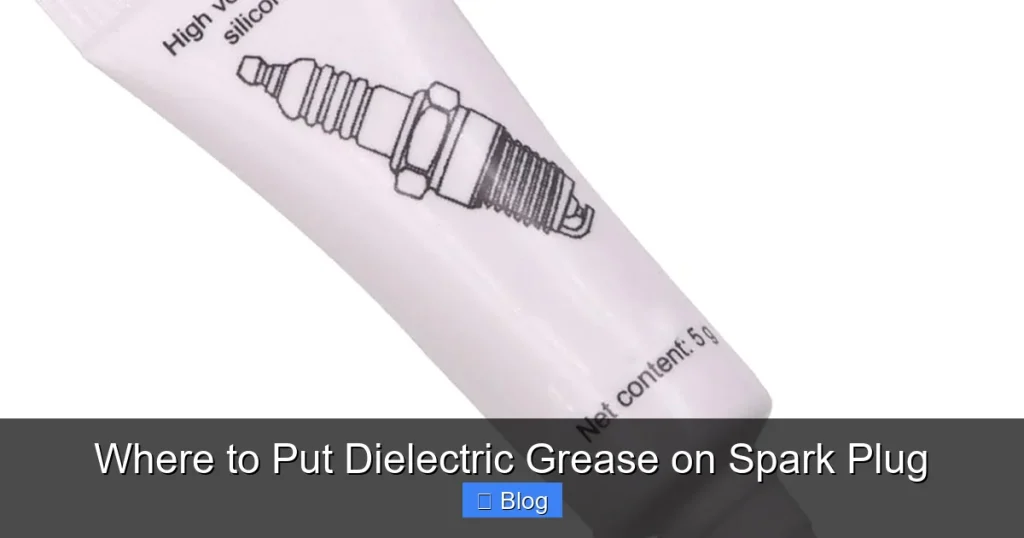
Where to put dielectric grease on spark plug? You should apply dielectric grease inside the spark plug boot (the rubber part of the ignition coil or wire), not directly on the metal tip or electrode of the spark plug. This helps create a moisture barrier, improves insulation, and ensures a secure connection without interfering with the electrical spark.
Applying dielectric grease in the correct place prevents issues like misfires, corrosion, and difficult removal of the spark plug boot later. A small amount inside the boot is enough—too much can cause poor contact. It also helps keep out dirt and water, which is especially useful in humid or wet conditions.
Using dielectric grease properly can extend the life of your ignition components and improve engine performance. Always apply it carefully during installation to keep your vehicle running smoothly and efficiently.
Key Takeaways
- Apply grease only inside the spark plug boot: This prevents moisture and corrosion without interfering with electrical conductivity.
- Never coat the spark plug electrode or threads: Grease here can cause misfires or damage the engine.
- Use a small amount—pea-sized is plenty: Too much grease can trap air or create pressure during installation.
- Choose high-quality dielectric grease: Look for silicone-based, non-conductive formulas rated for high temperatures.
- Reapply during routine maintenance: Check and re-grease boots every 30,000 miles or during tune-ups.
- Wear gloves and work in a clean area: Prevents contamination and protects your skin from chemicals.
- Test after installation: Ensure proper seating and no engine warning lights before driving.
Quick Answers to Common Questions
Tip/Question?
Can I use dielectric grease on coil-on-plug systems?
Yes! The same rules apply. Apply a small amount inside the coil boot where it connects to the spark plug terminal. Avoid the electrode and threads.
Tip/Question?
Is dielectric grease conductive?
No, it’s non-conductive. That’s why it’s safe to use on electrical connections—it protects without interfering with current flow.
Tip/Question?
Can I use Vaseline instead of dielectric grease?
No. Vaseline is petroleum-based and can degrade rubber boots over time. Always use silicone-based dielectric grease.
Tip/Question?
How do I remove old dielectric grease?
Use isopropyl alcohol and a clean cloth. Gently wipe the boot and terminal until all residue is gone before reapplying.
Tip/Question?
Will dielectric grease fix a misfire?
Only if the misfire is caused by moisture or corrosion in the boot. If the spark plug or coil is faulty, grease won’t help—replace the damaged part.
Common Mistakes to Avoid
Even experienced mechanics make these errors. Avoid them to keep your ignition system in top shape.
Applying Grease to the Spark Plug Tip
This is the #1 mistake. Grease on the electrode prevents the spark from jumping properly, leading to misfires and poor fuel economy. Always keep the tip clean.
Using Too Much Grease
Excess grease can be forced into the combustion chamber during installation, causing deposits or even hydraulic lock. A thin, even layer is all you need.
Using the Wrong Type of Grease
Not all greases are dielectric. Avoid petroleum-based or conductive greases. Only use silicone-based dielectric grease rated for automotive use.
Skipping the Cleaning Step
Dirt and oil reduce the effectiveness of the grease. Always clean the boot and terminal before applying.
Forgetting to Reconnect the Battery
Some vehicles require an ECU reset after disconnecting the battery. Reconnect it and drive for a few minutes to allow the system to recalibrate.
Troubleshooting After Application
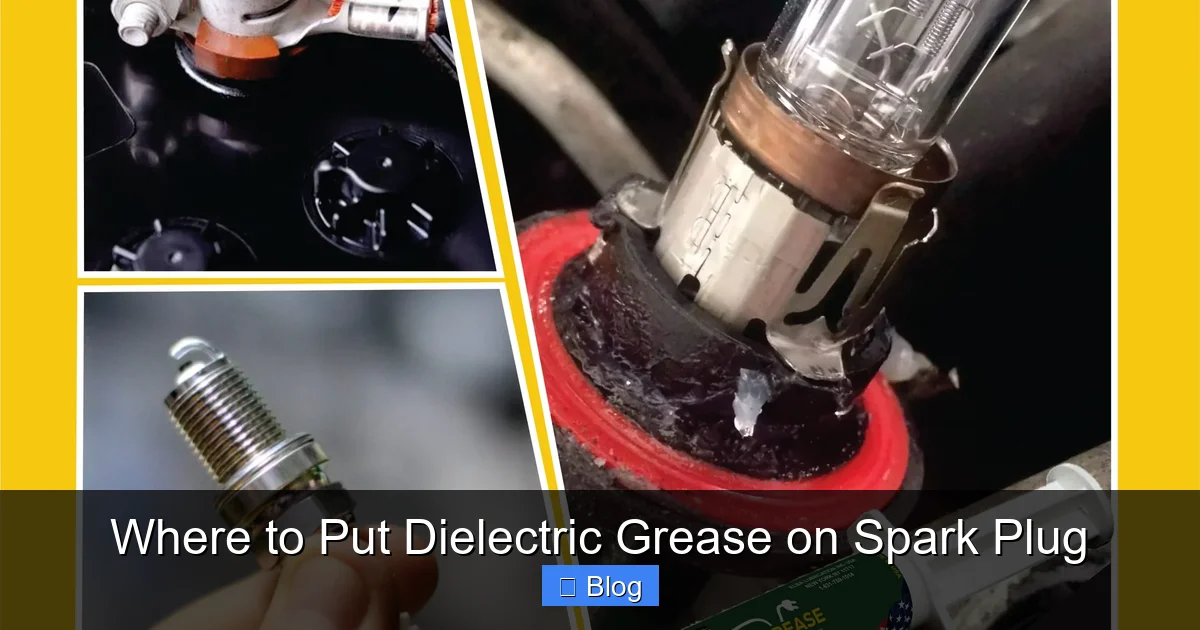
Visual guide about Where to Put Dielectric Grease on Spark Plug
Image source: m.media-amazon.com
Why Dielectric Grease Matters for Spark Plugs

Visual guide about Where to Put Dielectric Grease on Spark Plug
Image source: carstale.com
Spark plugs are the heart of your engine’s ignition system. They create the spark that ignites the air-fuel mixture, powering your vehicle. But over time, moisture, dirt, and corrosion can sneak into the connection between the spark plug wire (or coil boot) and the spark plug terminal. This leads to poor conductivity, misfires, hard starts, and even check engine lights.
That’s where dielectric grease comes in. It’s a silicone-based, non-conductive compound that seals out moisture and prevents corrosion—without blocking the electrical current. But here’s the catch: you must apply it in the right place. Put it in the wrong spot, and you could do more harm than good.
In this guide, you’ll learn exactly where to put dielectric grease on spark plugs, how much to use, and how to avoid common mistakes. Whether you’re a DIY mechanic or a first-time tinkerer, these steps will help you maintain a reliable ignition system and extend the life of your spark plugs.
What Is Dielectric Grease and How Does It Work?
Dielectric grease is a thick, translucent gel made from silicone and other insulating compounds. It’s designed to resist water, heat, and oxidation—making it perfect for automotive electrical connections. Unlike conductive greases, dielectric grease does not carry electricity. Instead, it protects the connection by forming a barrier against moisture and dirt.
When applied correctly to spark plug boots, it:
- Prevents corrosion on metal terminals
- Keeps water and road grime out of the connection
- Makes future removal easier
- Reduces the chance of arcing or short circuits
But remember: because it’s non-conductive, it must never go where electricity needs to flow—like on the spark plug’s center electrode or ground strap.
When Should You Use Dielectric Grease on Spark Plugs?
You should apply dielectric grease:
- When installing new spark plugs
- During routine maintenance or tune-ups
- If you notice corrosion or moisture in the spark plug wells
- After replacing spark plug wires or ignition coils
- In humid or wet climates where moisture buildup is common
It’s a simple step that takes less than a minute per plug but can save you from costly repairs down the road.
Tools and Materials You’ll Need
Before you begin, gather these items:
- Dielectric grease (silicone-based, high-temperature rated)
- Clean lint-free cloth or paper towels
- Rubber gloves (optional but recommended)
- Spark plug socket and ratchet
- Torque wrench (for proper tightening)
- Compressed air (to clean spark plug wells)
- Small brush or cotton swab (for precise application)
Having the right tools ensures a clean, safe, and effective job.
Step-by-Step: Where to Put Dielectric Grease on Spark Plugs
Follow these steps carefully to apply dielectric grease the right way.
Step 1: Let the Engine Cool Down
Never work on a hot engine. Allow it to cool for at least 30–60 minutes after driving. Hot components can cause burns, and expanding metal can make spark plug removal difficult.
Step 2: Disconnect the Battery (Recommended)
For safety, disconnect the negative terminal of your car’s battery. This prevents accidental shorts or electrical shocks while handling ignition components.
Step 3: Remove Spark Plug Wires or Coils
Gently pull the spark plug wire boot or ignition coil straight off the spark plug. Do not yank on the wire itself—this can damage the internal conductor. If it’s stuck, twist it slightly before pulling.
Step 4: Clean the Spark Plug and Boot
Use compressed air to blow out any dirt or debris from the spark plug well. Wipe the spark plug terminal and the inside of the boot with a clean cloth. Any contamination can interfere with the electrical connection.
Step 5: Apply Dielectric Grease—The Right Way
This is the most important step. Here’s where to put the grease:
- Inside the spark plug boot only: Use a small brush, cotton swab, or your clean finger (with glove) to apply a thin layer to the inner rubber surface of the boot—especially where it contacts the spark plug terminal.
- Do NOT apply to the spark plug electrode: Never coat the tip, center electrode, or ground strap. These areas must remain clean for proper sparking.
- Do NOT apply to the threads: Grease on the threads can alter torque readings and may lead to over-tightening or seizing.
A pea-sized amount is usually enough for each boot. Spread it evenly but sparingly.
Step 6: Reinstall the Spark Plug (If Replacing)
If you’re installing a new spark plug, hand-tighten it first, then use a torque wrench to tighten to the manufacturer’s specification (usually 15–20 ft-lbs for most passenger vehicles). Over-tightening can crack the insulator.
Step 7: Reconnect the Boot or Coil
Push the boot or coil firmly onto the spark plug until you hear or feel a click. Make sure it’s fully seated. The dielectric grease will help create a snug, moisture-resistant seal.
Step 8: Repeat for All Spark Plugs
Work on one cylinder at a time to avoid mixing up wires or coils. Label them if needed.
Step 9: Reconnect the Battery and Test
Reconnect the negative battery terminal. Start the engine and listen for smooth operation. If the engine runs rough or a misfire code appears, double-check your connections.
Quick Reference: Dielectric Grease Application Guide
| Component | Apply Grease? | Reason |
|---|---|---|
| Inside spark plug boot | Yes | Seals out moisture, prevents corrosion |
| Spark plug terminal (top) | No | Must remain clean for electrical contact |
| Center electrode & ground strap | Never | Grease blocks spark, causes misfires |
| Spark plug threads | No | Can affect torque and cause seizing |
| Boot exterior | Optional (light coat) | Helps with future removal, not critical |
If your engine doesn’t run smoothly after applying dielectric grease, check these issues:
- Engine misfire: Likely caused by grease on the spark plug tip or a loose connection. Recheck all boots.
- Check engine light: Could indicate a loose wire or damaged coil. Use an OBD2 scanner to read the code.
- Difficulty removing boots later: You used too much grease. In the future, apply less and avoid the exterior unless necessary.
- Grease leaking from boot: Over-application. Wipe excess and ensure proper seating.
Most issues are preventable with careful application and attention to detail.
How Often Should You Reapply Dielectric Grease?
There’s no strict rule, but a good practice is to inspect and re-grease during every spark plug replacement—typically every 30,000 to 100,000 miles, depending on your vehicle and plug type. If you live in a rainy or salty environment, consider checking it every 15,000 miles.
Regular maintenance keeps your ignition system reliable and prevents unexpected failures.
Final Thoughts
Knowing where to put dielectric grease on spark plugs is a small but powerful skill that protects your engine from moisture, corrosion, and electrical issues. By applying it only inside the boot—and nowhere else—you ensure a strong, clean connection that lasts.
Take your time, use the right materials, and follow the steps in this guide. Your car will thank you with smoother starts, better fuel economy, and fewer trips to the mechanic.

Sagor Jahan is the founder and author of Automopromo.com, dedicated to delivering insightful tips, reviews, and updates in the automotive and promotional industry. With a passion for innovation and clear guidance, Sagor helps readers make informed decisions and stay ahead in the ever-evolving automotive world.

