
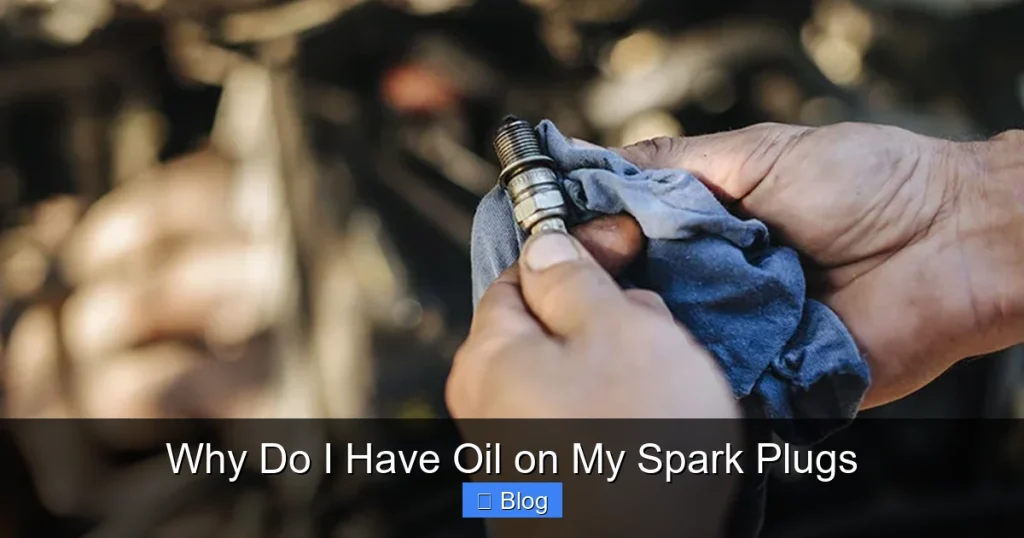
Why do I have oil on my spark plugs? The most common reason is a leak in the engine, usually from worn valve cover gaskets, faulty O-rings, or damaged piston rings. These issues allow engine oil to enter the spark plug wells or combustion chamber, leading to oil buildup on the plugs and affecting engine performance.
Oil on spark plugs can cause several noticeable problems, such as engine misfires, rough idling, poor acceleration, and increased fuel consumption. In some cases, you might also see blue smoke from the exhaust, which indicates that oil is burning inside the engine. Ignoring these symptoms can lead to more serious engine damage over time.
Regular inspection and timely repairs are essential to prevent further issues. Replacing worn seals or gaskets and ensuring proper engine maintenance can keep your spark plugs clean and your engine running smoothly.
Key Takeaways
- Oil on spark plugs often signals internal engine leaks: It usually means oil is entering the combustion chamber, which can harm performance and damage components.
- Worn valve cover gaskets are a top culprit: Over time, these gaskets degrade and allow oil to seep into the spark plug tubes.
- Damaged O-rings or spark plug tube seals can cause leaks: These small rubber seals harden or crack with age, letting oil drip onto the plugs.
- Piston ring or cylinder wall wear is a serious concern: If oil is burning in the combustion chamber, it may indicate internal engine wear requiring professional repair.
- Ignoring the issue leads to misfires and poor fuel economy: Oil-fouled plugs can’t ignite fuel properly, reducing power and increasing emissions.
- Regular maintenance helps prevent recurrence: Replacing gaskets and seals during routine service can stop oil leaks before they start.
- DIY fixes are possible for minor leaks: With the right tools and patience, you can replace valve cover gaskets yourself.
Quick Answers to Common Questions
Tip/Question?
Can I drive with oil on my spark plugs?
It’s not recommended. Oil-fouled plugs can cause misfires, reduced power, and damage to the catalytic converter. Fix the leak and replace the plugs as soon as possible.
Tip/Question?
How often should I check my valve cover gasket?
Inspect it during every oil change. Look for oil stains or wet spots around the valve cover. Replace the gasket if you notice leaks or cracking.
Tip/Question?
Will adding engine oil stop seal leaks?
No—adding oil won’t fix a leak. In fact, overfilling can make it worse. Use a high-mileage oil with seal conditioners to help rejuvenate old seals, but replace damaged gaskets.
Tip/Question?
Can I clean oil off spark plugs instead of replacing them?
You can try cleaning them with brake cleaner, but it’s not reliable. Oil-soaked plugs often have internal damage. Replace them for best performance.
Tip/Question?
Is it normal to see a little oil on spark plugs?
No. Even a small amount of oil is a sign of a leak. Spark plugs should be dry and clean. Address the issue promptly to avoid engine problems.
Why Do I Have Oil on My Spark Plugs? A Complete How-To Guide
If you’ve recently pulled out your spark plugs and noticed a shiny, greasy coating of oil, you’re not alone—and you shouldn’t panic. But you also shouldn’t ignore it. Oil on spark plugs is a symptom of an underlying issue that, if left unchecked, can lead to engine misfires, reduced performance, and costly repairs. In this guide, we’ll walk you through what causes oil to end up on your spark plugs, how to diagnose the problem, and what you can do to fix it—whether you’re a seasoned DIYer or just getting started with car maintenance.
What Does Oil on Spark Plugs Mean?
Spark plugs are designed to ignite the air-fuel mixture in your engine’s combustion chamber. They should be clean, dry, and free of contaminants. When oil coats the electrodes or threads of a spark plug, it interferes with the spark, leading to weak or failed ignition. This can cause rough idling, hesitation during acceleration, and even engine stalling.

Visual guide about Why Do I Have Oil on My Spark Plugs
Image source: i.ytimg.com
More importantly, oil on spark plugs is a red flag. It means oil is getting where it doesn’t belong—into the combustion chamber or spark plug wells. While a small amount might not cause immediate damage, persistent oil contamination can foul the plugs, damage the catalytic converter, and indicate deeper engine problems.
Common Causes of Oil on Spark Plugs
Several issues can lead to oil accumulating on your spark plugs. Let’s break down the most common culprits.
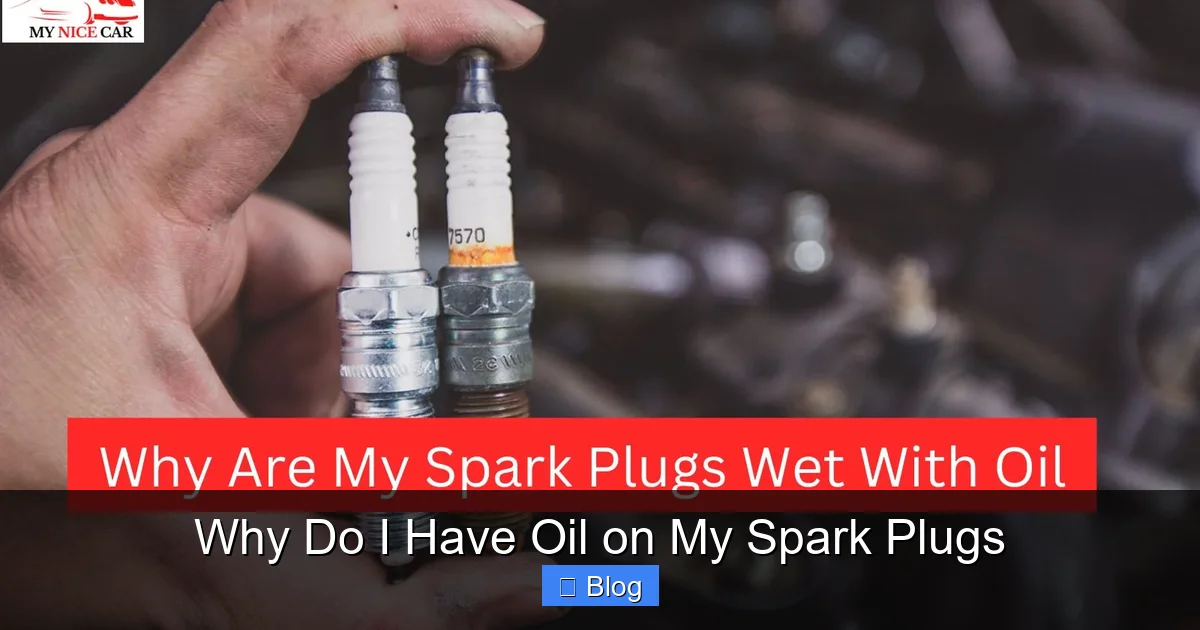
Visual guide about Why Do I Have Oil on My Spark Plugs
Image source: nissankaengine.com
1. Worn or Damaged Valve Cover Gasket
The valve cover sits on top of the engine and seals the cylinder head. It’s held in place by a rubber or cork gasket that prevents oil from leaking out. Over time, this gasket can harden, crack, or shrink due to heat and age. When that happens, oil can seep past the seal and drip down into the spark plug tubes.
This is one of the most frequent causes of oil on spark plugs, especially in older vehicles or those with high mileage. You might also notice oil stains around the valve cover or a burning oil smell when the engine is running.
2. Failed Spark Plug Tube Seals (O-Rings)
Inside the valve cover, each spark plug tube has a small rubber O-ring that seals the gap between the tube and the cylinder head. These O-rings are exposed to high temperatures and constant vibration, which can cause them to deteriorate. When they fail, oil can leak down the tube and coat the spark plug.
Unlike the valve cover gasket, these seals are often overlooked during routine maintenance. But they’re just as important—and relatively inexpensive to replace.
3. Worn Piston Rings or Cylinder Walls
If oil is burning inside the combustion chamber, it may appear as oil residue on the spark plugs. This is a more serious issue, often caused by worn piston rings or damaged cylinder walls. These components are responsible for sealing the combustion chamber and keeping oil out.
When they wear down, oil can seep past the rings and burn during combustion. You’ll likely notice blue smoke from the exhaust, especially during acceleration, along with increased oil consumption.
4. Excessive Crankcase Pressure
A healthy engine maintains proper crankcase pressure. But if the Positive Crankcase Ventilation (PCV) system fails, pressure can build up inside the engine. This forces oil past seals and gaskets, including those around the spark plug tubes.
A clogged PCV valve is a common cause. It’s a simple part, but it plays a big role in engine health. Replacing it is usually quick and inexpensive.
5. Overfilling the Engine Oil
Adding too much oil during an oil change can also lead to oil on spark plugs. Excess oil increases pressure in the crankcase, which can push oil past seals and into the spark plug wells. Always check your oil level with the dipstick and follow the manufacturer’s recommended capacity.
How to Diagnose Oil on Spark Plugs
Before you start replacing parts, it’s important to confirm the source of the oil. Here’s a step-by-step process to help you diagnose the issue.
Step 1: Remove the Spark Plugs
Start by disconnecting the negative battery terminal for safety. Then, remove the spark plug wires or ignition coils (depending on your vehicle). Use a spark plug socket and extension to carefully unscrew each plug.
Inspect the plugs for oil residue. Note which cylinders are affected—this can help pinpoint the problem. For example, if only one plug is oily, it’s likely a localized issue like a damaged tube seal. If multiple plugs are affected, the valve cover gasket or PCV system may be to blame.
Step 2: Check the Valve Cover and Spark Plug Tubes
Look inside the spark plug wells. If you see oil pooling at the bottom, the tube seals or valve cover gasket are likely leaking. Also inspect the exterior of the valve cover for oil stains or wet spots.
Use a flashlight to check for cracks or warping in the valve cover itself. A warped cover can prevent the gasket from sealing properly, even if the gasket is new.
Step 3: Inspect the PCV Valve
Locate the PCV valve—usually on the valve cover or intake manifold. Remove it and shake it. You should hear a rattle. If it’s silent or stuck, replace it. Also check the hose for cracks or blockages.
Step 4: Perform a Compression Test (Optional)
If you suspect internal engine wear (like worn piston rings), a compression test can confirm it. Low compression in one or more cylinders may indicate that oil is bypassing the rings and entering the combustion chamber.
This test requires a compression gauge and some mechanical know-how. If you’re not comfortable doing it yourself, take your vehicle to a mechanic.
How to Fix Oil on Spark Plugs
Once you’ve identified the cause, it’s time to fix the problem. The solution depends on the source of the leak.
Fixing a Leaking Valve Cover Gasket
This is a common DIY repair. Here’s how to do it:
- Remove the valve cover: Disconnect any hoses or brackets attached to the cover. Unscrew the bolts in a crisscross pattern to avoid warping the cover.
- Clean the mating surfaces: Use a scraper and brake cleaner to remove old gasket material from the valve cover and cylinder head.
- Install the new gasket: Place the new gasket into the groove on the valve cover. Apply a small amount of RTV silicone at the corners if recommended by the manufacturer.
- Reinstall the valve cover: Tighten the bolts in the correct sequence and to the specified torque. Over-tightening can crack the cover or damage the gasket.
While the cover is off, inspect the spark plug tube seals. If they’re cracked or brittle, replace them now to prevent future leaks.
Replacing Spark Plug Tube Seals
These small O-rings are often sold as a kit. To replace them:
- Remove the valve cover as described above.
- Use needle-nose pliers to gently pull out the old O-rings from the spark plug tubes.
- Lubricate the new seals with a bit of engine oil or silicone grease before installing.
- Press them into place evenly to avoid tearing.
This is a quick fix that can save you from repeated oil leaks.
Addressing Internal Engine Wear
If the problem is worn piston rings or cylinder walls, the repair is more complex. It may require engine disassembly, honing or boring the cylinders, and replacing the rings. This is typically a job for a professional mechanic and can be costly.
In some cases, using a high-mileage engine oil with seal conditioners can help reduce oil consumption and slow further wear—but it won’t fix the root issue.
Fixing PCV System Issues
Replacing a clogged PCV valve is simple:
- Locate the valve (usually threaded into the valve cover).
- Unscrew the old valve and install the new one.
- Check the hose for cracks and replace if necessary.
This small fix can restore proper crankcase ventilation and reduce oil leaks.
Troubleshooting Tips
- Don’t ignore the check engine light: Oil-fouled spark plugs can trigger misfire codes (like P0300). Use an OBD2 scanner to check for trouble codes.
- Replace all spark plugs if they’re oily: Even if only one is visibly contaminated, oil can migrate. Install new plugs after fixing the leak.
- Use the correct torque specs: Over-tightening valve cover bolts is a common mistake that leads to leaks. Always follow the manufacturer’s guidelines.
- Check oil level regularly: Keep your oil at the proper level to avoid excess pressure in the crankcase.
Conclusion
Finding oil on your spark plugs is unsettling, but it’s often fixable—especially if caught early. Whether it’s a worn valve cover gasket, failed O-rings, or a clogged PCV valve, most causes can be resolved with basic tools and some patience. Ignoring the problem, however, can lead to misfires, poor fuel economy, and even engine damage.
By diagnosing the issue correctly and taking prompt action, you can restore your engine’s performance and prevent future oil leaks. And remember: regular maintenance is your best defense. Inspect gaskets and seals during oil changes, and don’t skip those small repairs—they can save you big in the long run.

Sagor Jahan is the founder and author of Automopromo.com, dedicated to delivering insightful tips, reviews, and updates in the automotive and promotional industry. With a passion for innovation and clear guidance, Sagor helps readers make informed decisions and stay ahead in the ever-evolving automotive world.

