
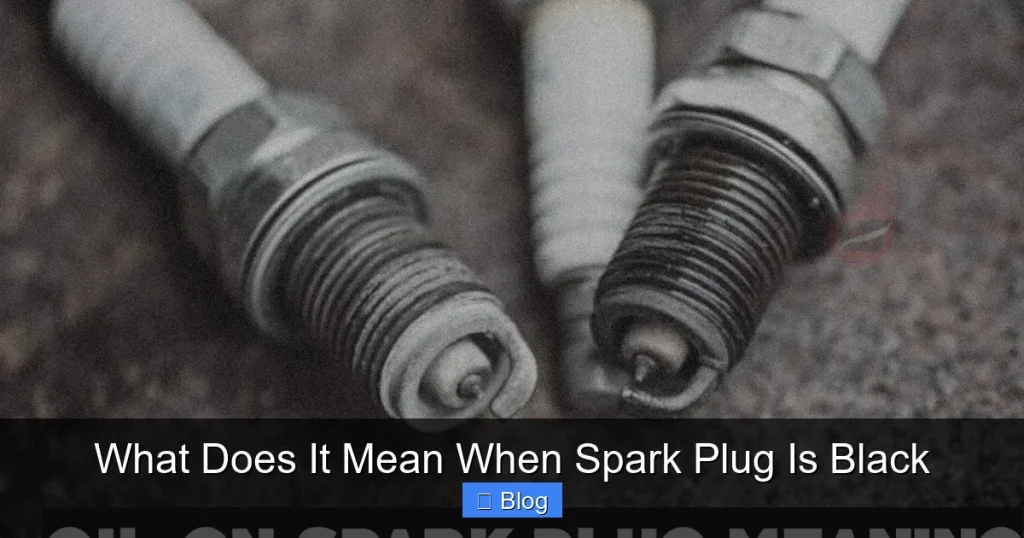
If you’ve ever wondered what does it mean when spark plug is black, it often signals issues like a rich fuel mix or oil burning that can hurt performance. This guide breaks down the causes, shows you how to inspect and diagnose, and offers simple fixes to get your engine back on track. Don’t ignore it—early action saves money and prevents bigger problems.
Key Takeaways
- Black spark plugs indicate excess fuel or oil: This usually points to a rich air-fuel mixture, oil leaks, or ignition problems affecting engine efficiency.
- Inspect regularly: Check spark plugs every 30,000 miles or during tune-ups to catch issues early and avoid costly repairs.
- Common causes include carburetor issues: Faulty carburetors or fuel injectors can lead to black, sooty deposits on plugs.
- Diagnosis involves removal and visual check: Pull the plug and look for dry black soot versus wet oily black to pinpoint the problem.
- Fixes range from simple to complex: Adjust fuel mixture for minor issues or replace seals for oil problems—always test drive after.
- Prevention is key: Use quality fuel, maintain air filters, and follow manufacturer service schedules to keep plugs clean.
Quick Answers to Common Questions
How often should I check spark plugs?
Inspect them every 30,000 miles or during routine maintenance. If you notice black exhaust smoke, check sooner to catch issues early.
Can I clean black spark plugs instead of replacing?
Yes, for light soot—wire brush and carb cleaner work wonders. But if oily or damaged, always replace to avoid misfires.
Does fuel type affect spark plug color?
Absolutely—low-quality gas with ethanol can cause faster carbon buildup. Stick to premium or treated fuel for cleaner burns.
What if only one plug is black?
It points to a cylinder-specific problem, like a bad injector. Test that cylinder’s compression to diagnose accurately.
Is black always bad?
Not entirely—mild tan-black is normal after heavy loads. But deep black means inefficiency; address it promptly.
Introduction: Unlocking the Mystery of Black Spark Plugs
Hey there, fellow car enthusiast! If you’ve popped open your engine and noticed a spark plug that’s turned black, you might be scratching your head wondering what does it mean when spark plug is black. Don’t worry—this is a common issue that many drivers face, and it doesn’t have to spell disaster for your ride. In this guide, we’ll dive deep into the world of spark plugs, explain why they get black, and walk you through everything from diagnosis to fixes. By the end, you’ll feel confident tackling this yourself or knowing when to call in a pro. Whether you’re a DIY newbie or a seasoned mechanic, we’ve got practical steps, tips, and examples to make it all straightforward. Let’s rev up and get started!
Understanding Spark Plugs and Their Role in Your Engine
Spark plugs are like the heartbeat of your car’s engine. They ignite the air-fuel mixture in the cylinders, powering your pistons and getting you down the road. A healthy spark plug looks clean with a light tan or gray color on the electrode—that’s a sign of perfect combustion.
Visual guide about What Does It Mean When Spark Plug Is Black
Image source: i.sstatic.net
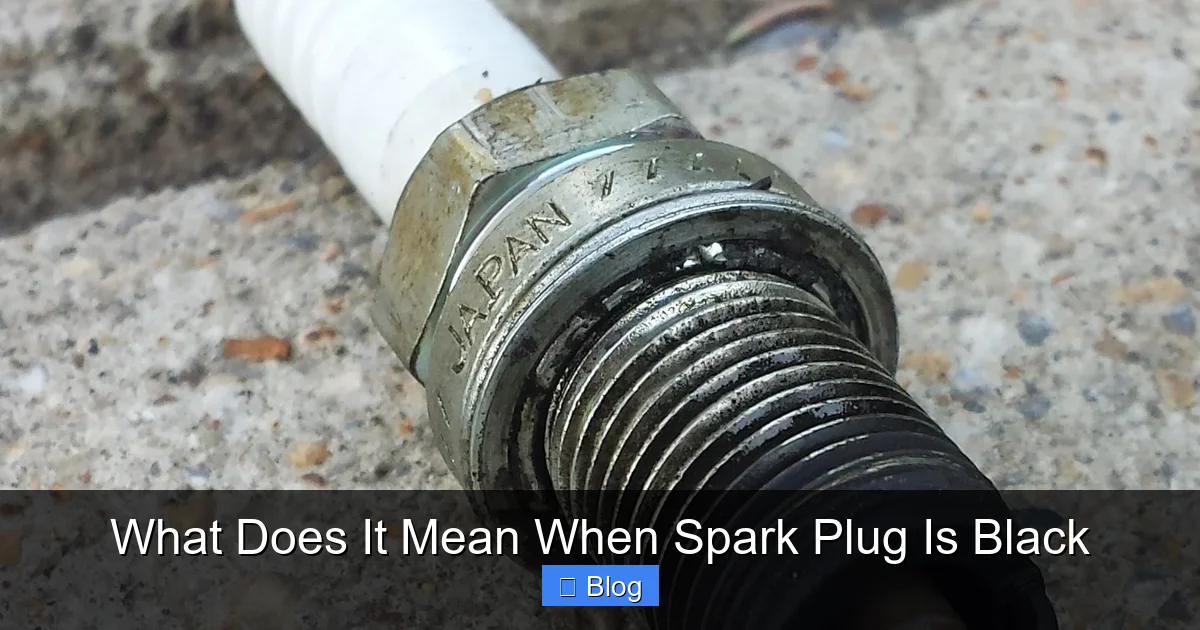
But when what does it mean when spark plug is black comes into play, it’s a red flag. Black deposits can be dry and sooty (from too much fuel) or wet and oily (from engine oil sneaking in). Either way, it means your engine isn’t burning fuel efficiently, which can lead to poor gas mileage, rough idling, or even stalling. Ignoring it? That could mean bigger headaches like fouled plugs or damaged components.
Common Causes of Black Spark Plugs
So, why do spark plugs turn black? It boils down to a few culprits messing with the combustion process. Let’s break them down step by step.

Visual guide about What Does It Mean When Spark Plug Is Black
Image source: engineerfix.com
Rich Air-Fuel Mixture
The most frequent reason for a black spark plug is a rich mixture—too much fuel and not enough air. This happens when your carburetor or fuel injectors are out of whack, flooding the chamber. The unburned fuel leaves behind black carbon soot. For example, if you’re driving an older car with a faulty choke, it might stay closed too long, causing this exact issue during cold starts.
Oil Leaks or Burning
Another big one: oil entering the combustion chamber. Worn piston rings, valve seals, or even a bad head gasket can let oil slip past. When it burns, it coats the plug in a black, oily film. Picture this—you’re on a long highway drive, and suddenly your exhaust smells like burnt oil. That’s a classic sign tying back to what does it mean when spark plug is black from oil issues.
Ignition Problems
Sometimes, it’s not fuel at all. Weak spark from bad wires, coils, or the plug itself can cause incomplete burning, leading to black buildup. If your engine misfires, that’s often the clue here.
Other less common causes include a clogged air filter starving the engine of oxygen or even using the wrong plug type for your vehicle. Pro tip: Always check your owner’s manual for the right specs to avoid these pitfalls.
How to Inspect Your Spark Plugs
Ready to play detective? Inspecting is the first step in figuring out what does it mean when spark plug is black. It’s easier than you think and doesn’t require fancy tools. Aim to do this every oil change or if you notice symptoms like sluggish acceleration.
Gather Your Tools
You’ll need a ratchet set, spark plug socket (usually 13/16-inch), extension bar, torque wrench, and anti-seize compound. Safety first—work on a cool engine and disconnect the battery.
Step-by-Step Removal
- Locate the spark plugs under the hood—usually along the valve cover.
- Label the ignition wires or coils to avoid mix-ups later.
- Loosen each plug with the socket, turning counterclockwise. If it’s stuck, spray a bit of penetrating oil.
- Gently pull it out and examine it under good light.
Look closely: Dry black means fuel issues; oily black screams oil leak. Compare all plugs—if only one is black, the problem might be cylinder-specific.
Diagnosing the Exact Problem
Once you’ve got the plug in hand, diagnosis gets more precise. This is where you narrow down what does it mean when spark plug is black for your specific setup.
| Condition | Likely Cause | Quick Fix |
|---|---|---|
| Dry, sooty black | Rich fuel mixture | Adjust carburetor or clean fuel injectors |
| Wet, oily black | Oil leak from seals/rings | Replace valve seals or piston rings |
| Black with white ash | Anti-freeze leak | Fix head gasket and flush coolant |
| Uniform black on all plugs | Clogged air filter | Replace air filter and check intake |
| Black only on one plug | Cylinder-specific ignition fault | Test and replace coil or wire for that cylinder |
| Black and corroded | Wrong plug heat range | Install correct spark plug type |
| Black with carbon buildup | Low engine temp or short trips | Drive at highway speeds to burn off deposits |
Visual and Smell Test
Hold the plug up: Sooty and dry? Sniff for fuel odor—that points to rich mixture. Oily and wet? It might smell like oil, indicating leaks. Use a plug reading chart (free online) for visual matches.
Run Engine Tests
Reinstall temporarily and start the engine. Listen for misfires or watch for black smoke from the tailpipe. A scan tool can read error codes, like P0172 for rich conditions, to confirm.
Example: On my buddy’s Ford truck, all plugs were black and dry. Turns out, a dirty mass airflow sensor was the villain, tricking the computer into adding extra fuel.
Troubleshooting Cheat Sheet
To make diagnosis quicker, here’s a handy reference for common black spark plug scenarios. Use this table to match symptoms and get straight to solutions.
Fixing Black Spark Plugs: Step-by-Step Solutions
Diagnosis done? Time to fix it. We’ll cover solutions based on the cause, keeping things simple and safe. Remember, if you’re not comfy with engines, a mechanic is your best bet.
Addressing Rich Fuel Mixture
Start here if soot is the issue. Clean or adjust the carburetor: Remove it, spray with carb cleaner, and tweak the idle mixture screw per your manual. For fuel-injected cars, add a fuel system cleaner to your tank and reset the ECU by disconnecting the battery for 10 minutes. Test by reinstalling new plugs (gapped to spec—usually 0.035 inches) and taking a drive. Expect better throttle response right away.
Handling Oil-Related Blackness
Oily plugs need more elbow grease. Check for external leaks first—look under the valve cover for seepage. Tighten bolts or replace gaskets if needed. For internal issues like worn rings, a compression test helps (under 10% variance between cylinders is good). Fixes might involve an engine rebuild, but start small: Swap plugs and monitor oil levels. In one case, a simple valve cover gasket swap cleared up black plugs on a Honda Civic without major work.
Fixing Ignition Faults
If misfires are present, swap out wires and coils one by one. Use dielectric grease on connections to prevent future issues. Always torque new plugs to 15-20 ft-lbs to avoid stripping threads.
Practical tip: Buy plugs in bulk—they’re cheap insurance. Brands like NGK or Bosch are reliable for most vehicles.
Advanced Troubleshooting for Stubborn Issues
Sometimes, black plugs persist despite basic fixes. Dive deeper with these steps.
Check Sensors and ECU
A bad oxygen sensor can throw off the fuel mix, leading to ongoing black deposits. Use an OBD-II scanner to check live data—oxygen readings should fluctuate. Replace if they’re stuck lean or rich.
Exhaust and Vacuum Leaks
A leak in the exhaust can cause incomplete combustion. Spray carb cleaner around hoses while idling—if RPM changes, you’ve found a vacuum leak. Seal it with new parts.
Example: In a Subaru with chronic black plugs, it was a cracked intake manifold letting in unmetered air. A $50 replacement fixed it for good.
If all else fails, a professional compression or leak-down test can reveal hidden engine wear.
Preventing Black Spark Plugs in the Future
Prevention beats cure every time. To avoid wondering what does it mean when spark plug is black again, follow these habits.
- Change air filters every 15,000 miles—dirty ones choke your engine.
- Use high-quality fuel and additives to keep injectors clean.
- Warm up your engine properly; short trips build up deposits fast.
- Schedule tune-ups: Replace plugs every 30,000-100,000 miles based on type (iridium lasts longer).
- Monitor for early signs like rough idle or poor MPG—catch it before plugs turn black.
Bonus: If you modify your car, like adding a cold air intake, recalibrate the fuel system to maintain balance.
Conclusion: Keep Your Engine Firing Clean
There you have it—a full roadmap to understanding and solving what does it mean when spark plug is black. From spotting the sooty culprit to applying fixes and preventing comebacks, you’re now equipped to keep your engine humming smoothly. Remember, a little maintenance goes a long way in saving fuel, boosting performance, and extending your car’s life. If symptoms persist after DIY efforts, swing by a trusted shop—they’ve got the tools for deeper dives. Drive safe, and enjoy the ride!

Sagor Jahan is the founder and author of Automopromo.com, dedicated to delivering insightful tips, reviews, and updates in the automotive and promotional industry. With a passion for innovation and clear guidance, Sagor helps readers make informed decisions and stay ahead in the ever-evolving automotive world.