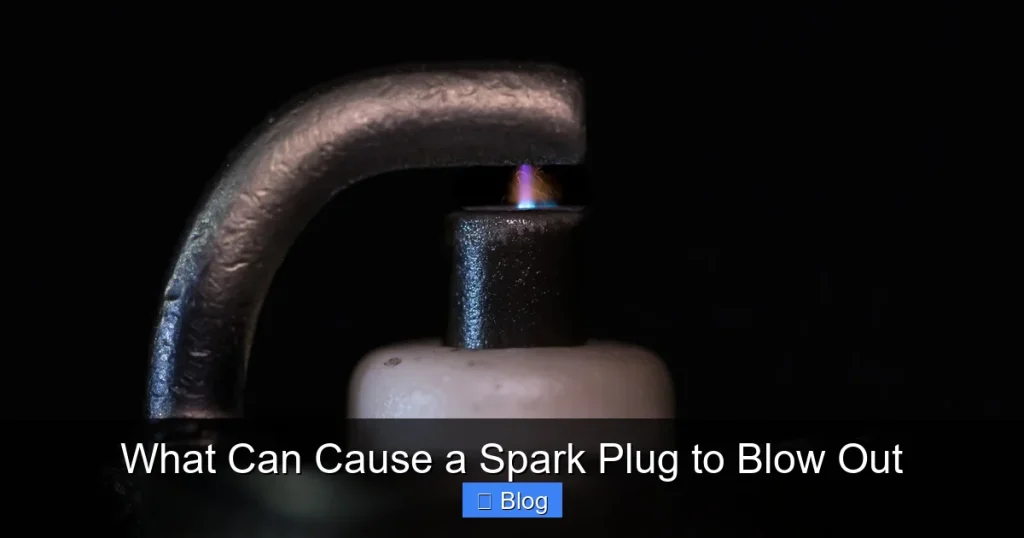
If you’ve ever heard a loud bang from your engine or noticed poor performance, a spark plug blowout might be the culprit. This guide explores what can cause a spark plug to blow out, including detonation, overheating, and manufacturing defects. You’ll learn how to spot symptoms, diagnose the problem, and prevent future issues to save on repairs.
What Can Cause a Spark Plug to Blow Out
Hey there, fellow car enthusiast! If you’re dealing with engine troubles and wondering what can cause a spark plug to blow out, you’ve come to the right place. This guide will walk you through everything you need to know. We’ll cover the basics of spark plug blowouts, dive into the most common causes, and share step-by-step tips on how to diagnose and prevent them. By the end, you’ll feel confident tackling this issue and keeping your ride reliable. Let’s get started!
This table gives you a fast way to match symptoms to causes. Use it as a starting point for troubleshooting what can cause a spark plug to blow out in your setup.
Cause 3: Improper Installation
Ever rushed a spark plug change? If you don’t torque it right, it can loosen over time. Engine vibes do the rest, leading to a blowout.
Step 1: Always use a torque wrench. Specs vary by vehicle—check your manual for the exact foot-pounds.
Step 2: Clean the threads before installing. Debris can prevent a snug fit.
Practical tip: Anti-seize compound on the threads helps, but don’t overdo it to avoid false torque readings.
Cause 4: Carbon Deposits and Fouling
Buildup from oil or fuel residue raises cylinder pressure. This extra force can eject the plug.
Step 1: Pull the plugs for inspection. Black, sooty ones mean rich mixtures or oil issues.
Step 2: Fix the root cause, like a clogged PCV valve for oil burning.
Example: Older engines with worn rings often see this. A tune-up clears it up nicely.
Cause 5: Manufacturing Defects or Wear
Not common, but cheap plugs or damaged ones fail fast. Cracked insulators or bad threads spell trouble.
Step 1: Buy quality brands like NGK or Bosch. Stick to OEM specs.
Step 2: Replace plugs every 30,000 to 100,000 miles, depending on type.
Tip: If one blows out with no other signs, check the batch for recalls.
Key Takeaways
- Detonation is a top cause: Abnormal combustion creates shock waves that can force a spark plug to blow out, often due to low-octane fuel or faulty sensors.
- Overheating leads to failure: Excessive heat from lean mixtures or cooling system problems can weaken the spark plug, causing it to eject from the cylinder head.
- Loose installation risks blowouts: If a spark plug isn’t torqued properly, engine vibrations can loosen it over time, leading to expulsion.
- Manufacturing defects matter: Rare but possible, poor-quality plugs or damaged threads can fail prematurely under normal operation.
- Carbon buildup contributes: Deposits from oil leaks or rich fuel mixtures can increase pressure, exacerbating other issues and causing a spark plug to blow out.
- Prevention is key: Regular maintenance, like using the right plug type and checking torque specs, can avoid most blowout scenarios.
Quick Answers to Common Questions
How often should I check my spark plugs?
Inspect them every 10,000 miles or during oil changes. This catches wear early and prevents a spark plug blowout from sneaking up on you.
Can low-quality fuel cause this?
Yes, low-octane fuel leads to detonation, a major cause of spark plug blowouts. Always use the grade your manual recommends for best results.
What’s the cost of fixing a blowout?
It ranges from $50 for a simple plug swap to $500+ if threads are damaged. Prevention saves money in the long run.
Do electric vehicles have this issue?
No, EVs don’t use spark plugs at all. This problem is strictly for gas or diesel engines.
Should I DIY the repair?
If you’re handy with tools, yes—start with basic inspections. For complex fixes like thread repairs, see a mechanic.
Diagnosing a Spark Plug Blowout
Suspect a blowout? Follow these steps to confirm what can cause a spark plug to blow out in your engine.
Step 1: Visual Inspection
Pop the hood and look for obvious damage. Check around the valve covers for oil or debris from a recent blowout.
Use a flashlight to peer into plug wells. Loose or missing plugs are a dead giveaway.
Step 2: Listen and Feel for Symptoms
Start the engine. Rough idle or knocking? That’s classic.
Drive it gently. Power dips or backfires point to pressure issues.
Pro tip: Record any noises on your phone for a mechanic if needed.
Step 3: Use Diagnostic Tools
Grab an OBD-II scanner. Codes related to misfires (P0300 series) often tie to blowouts.
Test compression with a gauge. High readings might indicate buildup or detonation risks.
Example: I once diagnosed a buddy’s truck this way. A simple scan revealed a sensor fault causing pre-ignition.
Troubleshooting and Fixes
Found the cause? Here’s how to fix it and avoid repeats.
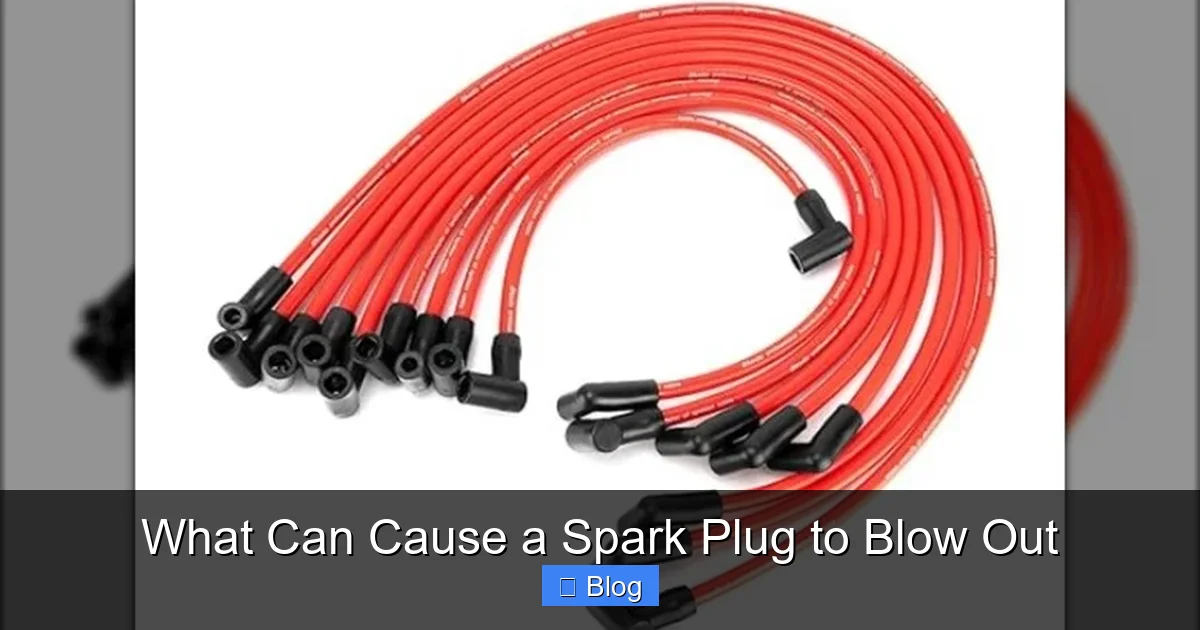
Visual guide about What Can Cause a Spark Plug to Blow Out
Image source: jalopnik.com
Understanding Spark Plug Blowouts
Spark plugs are small but mighty parts in your engine. They ignite the air-fuel mixture to power your vehicle. A blowout happens when a spark plug gets forced out of its seat in the cylinder head. It’s not just messy—it can damage your engine and leave you stranded.
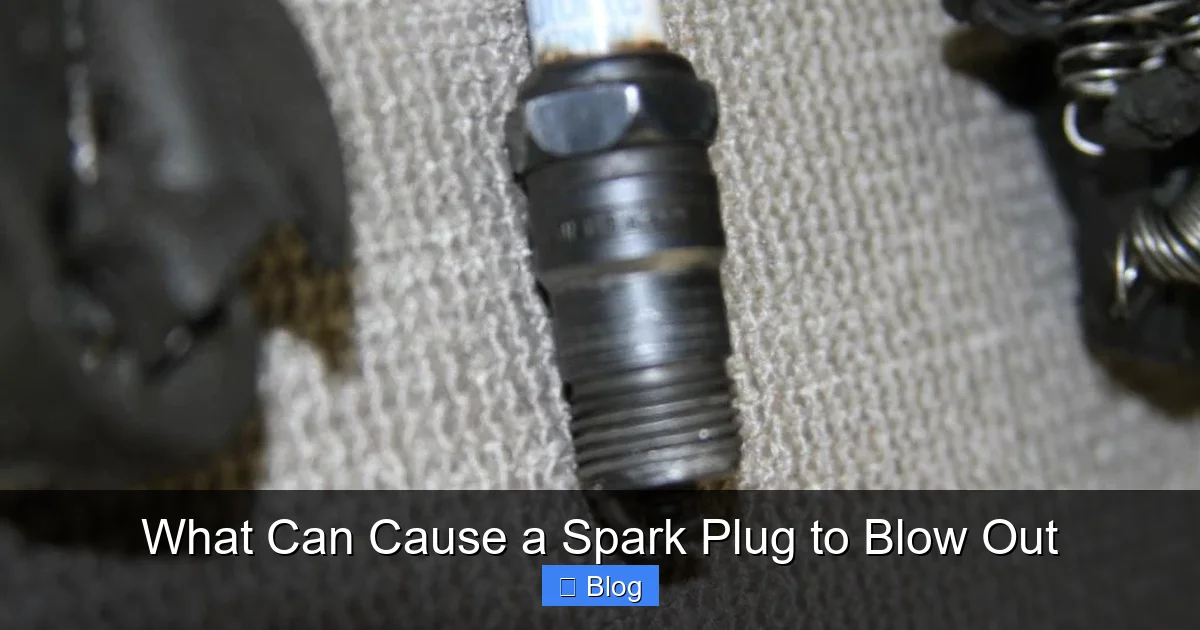
Visual guide about What Can Cause a Spark Plug to Blow Out
Image source: cdn.carcomplaints.com
Picture this: You’re driving along, and suddenly there’s a loud pop. That’s often a sign of a spark plug to blow out. It might happen due to high pressure or heat building up inside the cylinder. Don’t worry, though. Most causes are fixable with some know-how.
What Does a Blowout Look Like?
When a spark plug blows out, you might see smoke from the exhaust or oil leaks around the valve cover. The engine could misfire, lose power, or even stall. In severe cases, threads in the head get damaged, leading to costly repairs.
Real-life example: A friend of mine ignored a knocking sound in his old sedan. Turns out, it was a spark plug blowout from bad fuel. He fixed it quickly once he knew the signs.
Common Causes of Spark Plug Blowouts
Now, let’s break down what can cause a spark plug to blow out. We’ll look at the big ones step by step. Understanding these helps you spot problems early.
Cause 1: Detonation or Pre-Ignition
Detonation is like an explosion in your cylinder instead of a smooth burn. It creates shock waves that push the spark plug right out. This often stems from using the wrong fuel octane or a timing issue.
Step 1: Check your fuel. If it’s too low-octane for your engine, switch to the recommended type right away.
Step 2: Inspect the ignition timing. Use a timing light to verify it’s spot on. Misadjusted timing can spark this problem.
Tip: Listen for pinging noises while accelerating. That’s a red flag for detonation leading to a spark plug blowout.
Cause 2: Overheating
Heat is a spark plug’s enemy. If the engine runs too hot, the plug can expand and pop loose. Common culprits include a failing cooling system or a lean air-fuel mixture.
Step 1: Test your coolant level and radiator. Low coolant means overheating, which stresses the plugs.
Step 2: Scan for error codes with an OBD-II tool. Codes like P0171 point to lean mixtures that cause excessive heat.
Example: In hot climates, trucks pulling heavy loads often face this. Regular radiator flushes prevent it.
Quick Reference: Causes and Symptoms
| Cause | Symptoms | Quick Check |
|---|---|---|
| Detonation | Pinging noise, power loss | Fuel octane level |
| Overheating | High engine temp, smoke | Coolant and radiator |
| Loose Installation | Vibrations, gradual leak | Torque wrench reading |
| Carbon Buildup | Misfires, rough idle | Visual plug inspection |
| Manufacturing Defect | Sudden failure, no warning | Plug brand and age |
| High Compression | Knocking under load | Compression test |
| Oil Leaks | Blue smoke, fouled plugs | Valve cover gasket |
Fixing After a Blowout
Step 1: Remove debris from the hole. Use a thread chaser if damaged.
Step 2: Install a new plug with proper torque. Consider a helicoil for stripped threads.
Step 3: Address the root cause, like flushing the cooling system for heat issues.
Warning: Don’t drive with a blown plug—it can wreck pistons or rings.
Preventive Maintenance Tips
Stay ahead by changing plugs on schedule. Use the right gap and heat range for your engine.
Monitor fuel quality and keep up with tune-ups. This cuts blowout risks big time.
Real-world advice: For performance cars, upgrade to iridium plugs—they handle heat better.
Conclusion
There you have it—a full rundown on what can cause a spark plug to blow out. From detonation to simple install errors, knowing these keeps your engine happy. Take action early: Inspect regularly, use quality parts, and follow maintenance basics. Your car will thank you with smooth runs and fewer headaches. If issues persist, chat with a pro. Safe driving!

Sagor Jahan is the founder and author of Automopromo.com, dedicated to delivering insightful tips, reviews, and updates in the automotive and promotional industry. With a passion for innovation and clear guidance, Sagor helps readers make informed decisions and stay ahead in the ever-evolving automotive world.