
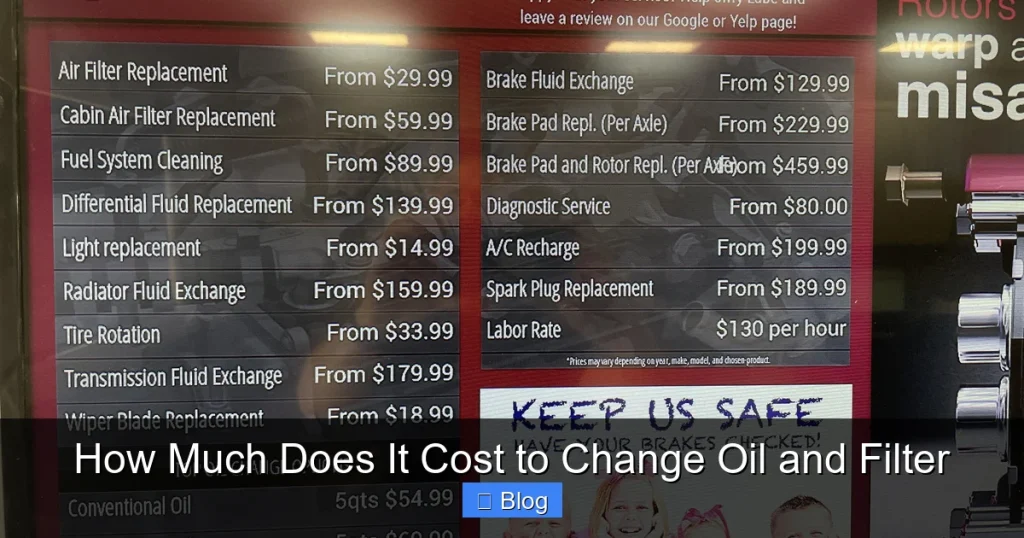
How much is an oil change at Jiffy Lube? On average, an oil change at Jiffy Lube costs between $45 and $100, depending on the type of oil and your vehicle. Conventional oil changes are usually around $45–$50, while synthetic blend or full synthetic services can range from $65 to $100 or more. The final price may vary by location, vehicle type, and any additional services included.
Jiffy Lube offers several oil change options such as conventional, high-mileage, synthetic blend, and full synthetic oil. Each option is designed for different vehicle needs and engine conditions, which is why the price can change. Larger engines or vehicles that require extra oil may also increase the total cost.
Many locations also provide a Signature Service Oil Change, which includes extra checks like fluid top-offs, filter inspections, and basic maintenance checks. Because of these added services, Jiffy Lube is popular for quick and convenient oil changes for many drivers.
How Much Is an Oil Change at Jiffy Lube?
Hey there, fellow car owner! Are you wondering, “how much does it cost to change oil and filter?” You’re not alone. This is one of the most common and essential maintenance questions for any vehicle owner. Whether you’re a seasoned DIYer or prefer to leave it to the pros, understanding the expenses involved helps you budget effectively and keep your car running smoothly.
In this comprehensive guide, updated for 2026, we’re going to break down everything you need to know about the cost of changing your oil and filter. We’ll cover the factors that influence the price, compare DIY options with professional services, offer tips to save money, and explain why this routine task is so critical for your vehicle’s health. By the end, you’ll have a clear picture of what to expect and how to make the best decision for your wallet and your car.
Key Takeaways
- Cost Varies Widely: The price of an oil and filter change depends heavily on your vehicle, oil type (conventional vs. synthetic), service provider (DIY vs. professional), and geographic location.
- DIY Can Save Money: Performing the oil and filter change yourself typically ranges from $30-$85 for parts (in 2026), offering significant savings compared to professional services, but requires tools and time.
- Professional Services Offer Convenience: Quick lube centers, independent mechanics, and dealerships range from $50-$150+ for conventional to full synthetic changes, providing convenience and often additional inspections.
- Synthetic Oil Costs More Initially: Full synthetic oil changes are pricier, usually $70-$150+ (in 2026), but often offer extended change intervals and superior engine protection.
- Always Change the Filter: While the primary cost often seems to be the oil, changing the oil filter simultaneously is non-negotiable for proper engine health and is always included in professional service prices.
- Shop Around and Look for Deals: Don’t settle for the first quote. Many establishments offer coupons, promotions, or loyalty programs that can significantly reduce the overall cost of your oil and filter change.
- Regular Maintenance is Key: Despite the cost, consistent oil and filter changes are vital for engine longevity, fuel efficiency, and maintaining your vehicle’s warranty.
Quick Answers to Common Questions
What’s the difference between conventional and synthetic oil?
Conventional oil is refined crude oil, suitable for older engines or standard driving conditions. Synthetic oil is chemically engineered for superior performance, extreme temperatures, and longer intervals, often recommended for modern, high-performance engines.
Can I extend my oil change interval with synthetic oil?
Yes, many full synthetic oils are designed for extended intervals, often 7,500 to 10,000 miles or even more. However, always refer to your vehicle’s owner manual and the specific oil manufacturer’s recommendations for the most accurate guidance.
Is it really necessary to change the oil filter every time?
Absolutely. The oil filter traps contaminants and debris that accumulate in your engine oil. Skipping a filter change means that new oil will quickly circulate through a dirty filter, becoming contaminated itself and compromising its effectiveness, which can harm your engine over time. It’s a small cost for a big benefit.
What tools do I need for a DIY oil change?
For a DIY oil change, you’ll need essential tools such as an oil drain pan, a wrench for the drain plug, an oil filter wrench, a funnel, shop rags, and gloves. For safety and easier access, a jack and jack stands are highly recommended to elevate your vehicle securely.
Do quick lube places offer good value?
Quick lube places offer unparalleled convenience and speed, often at competitive prices for basic oil changes. They can be a good value for routine service, but it’s always wise to review their recommendations carefully and ensure they use the correct oil and filter type specified for your specific vehicle.
Understanding the Factors That Influence Oil Change Costs
The simple question of “how much does it cost to change oil and filter” doesn’t have a single answer. Several variables play a significant role in determining the final price you’ll pay. Let’s explore them.
Vehicle Make and Model
Different cars have different needs. A compact sedan will likely cost less to service than a luxury SUV or a high-performance sports car. Some vehicles require specialized filters, specific oil capacities, or more complex access to drain plugs and filters, all of which can increase labor time and part costs.
Type of Oil
This is one of the biggest cost differentiators. There are three main types of engine oil, and their prices vary considerably:
- Conventional Oil: This is the most basic and least expensive option, made from refined crude oil. It’s suitable for older vehicles or those with less demanding engines.
- Synthetic Blend Oil: A mix of conventional and synthetic oils, offering better protection than conventional at a moderate price.
- Full Synthetic Oil: Chemically engineered for optimal performance, superior protection, and longer drain intervals. It’s the most expensive but often provides the best benefits for modern engines, especially those with turbochargers or direct injection.
Filter Quality
Just like oil, not all filters are created equal. A basic filter will be cheaper than a premium or OEM (Original Equipment Manufacturer) filter designed for higher efficiency and longer life. When you ask, “how much does it cost to change oil and filter,” remember that the filter is a small but crucial part of that equation.
Location (Geographic)
Service prices can vary significantly depending on where you live. Labor rates in major metropolitan areas are typically higher than in rural regions. This applies whether you’re getting a professional service or even just buying parts for a DIY job, as local taxes and supply chain costs can differ.
Service Provider
Where you get your oil changed matters a lot. Dealerships usually charge the most, while independent mechanics offer a middle ground, and quick lube chains often provide the most budget-friendly options. Each has its pros and cons, which we’ll discuss shortly.
Additional Services
Sometimes, an oil change is part of a larger service package. For instance, a “full service” oil change might include tire rotation, fluid checks, and a multi-point inspection. While these add to the overall bill, they can offer good value by addressing other maintenance needs simultaneously.
DIY vs. Professional Service
This is arguably the most impactful factor on how much does it cost to change oil and filter. Doing it yourself can save on labor costs, but you need to invest in tools and your own time. Professional services charge for labor, convenience, and expertise.
Cost Breakdown: DIY Oil Change (2026 Estimates)
If you’re comfortable getting under your car and have some basic mechanical skills, a DIY oil change is often the most economical choice. Let’s look at what you’ll need and the estimated costs for 2026.
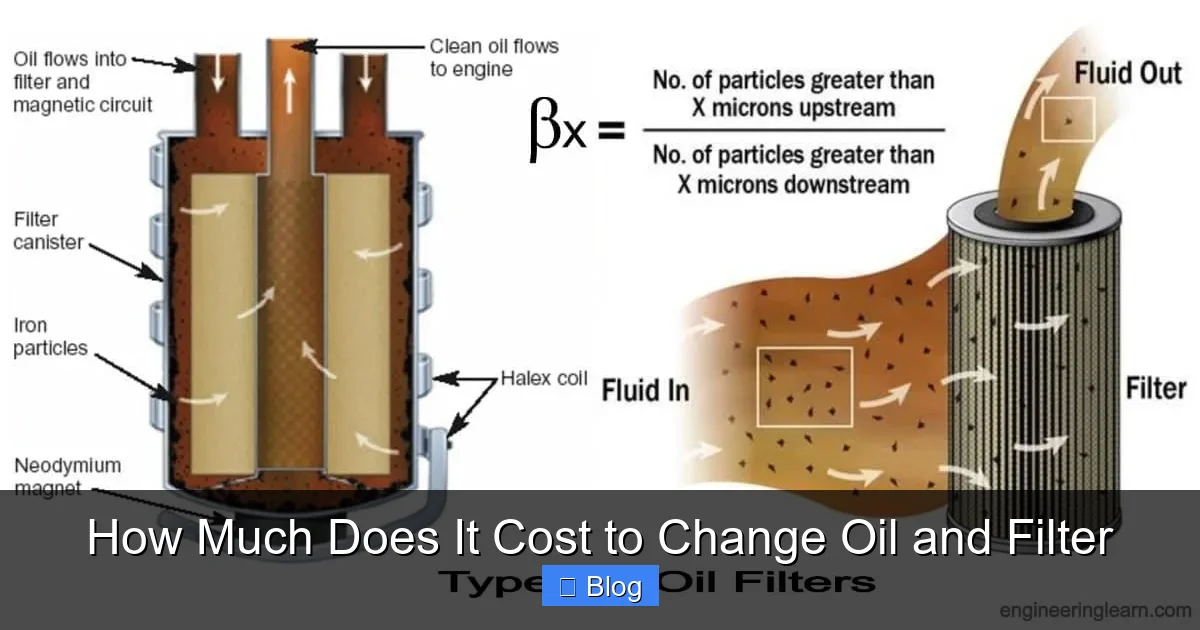
Visual guide about How Much Does It Cost to Change Oil and Filter
Image source: engineeringlearn.com
Required Materials and Tools
Before you begin, you’ll need a few essential items:
- Engine Oil: The correct type and amount for your vehicle.
- Oil Filter: A new filter compatible with your car.
- Oil Drain Pan: To collect the old oil.
- Socket Wrench/Box-End Wrench: For the drain plug.
- Oil Filter Wrench: To remove the old filter.
- Funnel: To pour new oil without spills.
- Shop Rags/Paper Towels: For cleanup.
- Gloves: To protect your hands.
- Jack and Jack Stands (Optional but Recommended): For safely lifting your car for better access.
- Safety Glasses: Always protect your eyes.
Estimated DIY Costs (2026)
Here’s a rough breakdown of what you might pay for parts in 2026:
- Conventional Oil (5 quarts): $25 – $40
- Synthetic Blend Oil (5 quarts): $35 – $55
- Full Synthetic Oil (5 quarts): $45 – $70
- Oil Filter: $10 – $25 (depending on quality and vehicle)
- Other Supplies (rags, gloves, etc.): Minimal, perhaps $5 – $10 if you don’t already have them.
Total Estimated DIY Cost for Materials:
- Conventional Oil Change: $35 – $65
- Synthetic Blend Oil Change: $45 – $80
- Full Synthetic Oil Change: $55 – $95
Remember, these are estimates. Initial tool investments (jack, stands, wrenches) can add to your upfront cost, but these are one-time purchases that pay for themselves over time.
Pros and Cons of DIY
- Pros: Significant cost savings, learning valuable mechanical skills, satisfaction of doing it yourself, control over parts quality.
- Cons: Requires tools and time, potential for mess, need to properly dispose of used oil and filter, risk of improper installation if inexperienced.
Cost Breakdown: Professional Oil Change (2026 Estimates)
For those who prefer convenience or lack the tools/time for a DIY job, professional services are the way to go. The question of “how much does it cost to change oil and filter” professionally depends on the type of service provider.
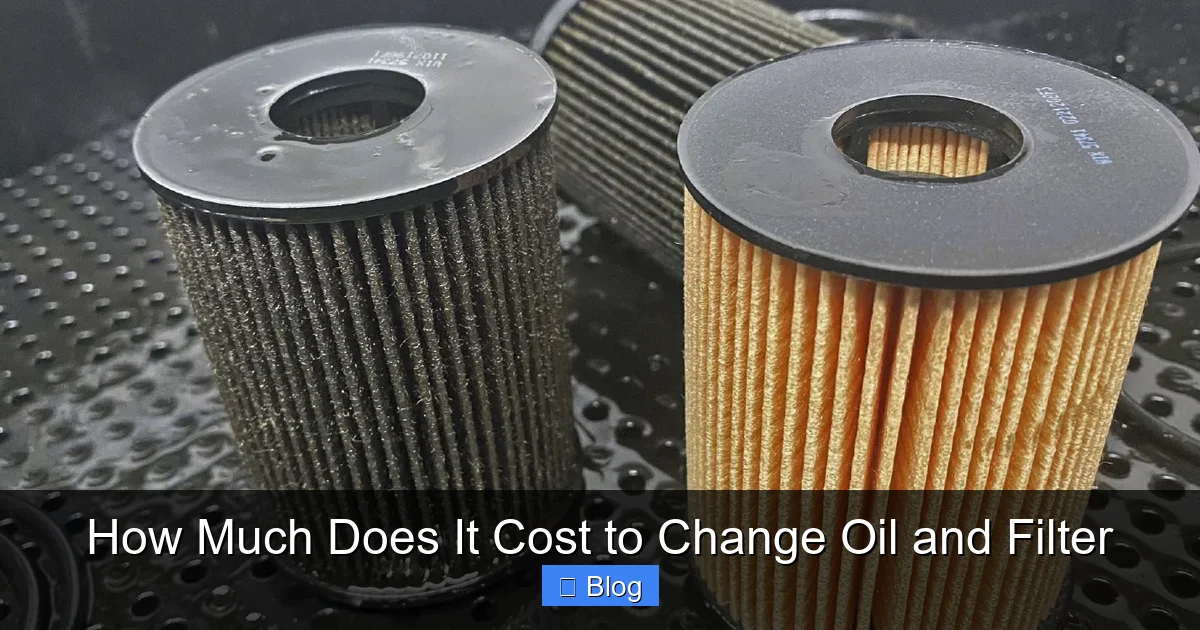
Visual guide about How Much Does It Cost to Change Oil and Filter
Image source: s19539.pcdn.co
Quick Lube Chains (e.g., Jiffy Lube, Valvoline Instant Oil Change)
These places specialize in fast, high-volume oil changes. They are known for speed and often have competitive pricing, especially for basic services.
- Conventional Oil Change: $50 – $80
- Synthetic Blend Oil Change: $70 – $100
- Full Synthetic Oil Change: $80 – $130
These prices often include a basic filter, a multi-point inspection, and fluid top-offs. Always watch out for upselling of additional services.
Independent Mechanic Shops
Your local mechanic often provides a good balance between cost and personalized service. They might be a bit slower than quick lube places but often offer more thorough inspections and build a trusting relationship with customers.
- Conventional Oil Change: $60 – $90
- Synthetic Blend Oil Change: $80 – $110
- Full Synthetic Oil Change: $90 – $140
Independent shops may use specific brands of oil or filters and often include a more comprehensive vehicle check.
Dealership Service Centers
Dealerships generally charge the most, but they offer factory-trained technicians, genuine OEM parts, and specialized knowledge of your specific vehicle make. This can be particularly reassuring for newer cars still under warranty.
- Conventional Oil Change: $70 – $100
- Synthetic Blend Oil Change: $90 – $130
- Full Synthetic Oil Change: $100 – $150+
Dealership services often come with extensive multi-point inspections and may maintain detailed service records important for warranty claims or resale.
What’s Included in a Professional Service?
Beyond the oil and filter, most professional oil changes include:
- Draining old oil and replacing it with new oil.
- Replacing the oil filter.
- Checking and topping off other fluids (windshield washer, power steering, brake fluid, coolant).
- Inspecting belts, hoses, and lights.
- Checking tire pressure.
- A multi-point visual inspection of key components.
Pros and Cons of Professional Service
- Pros: Convenience, speed (especially quick lube), expert service, proper disposal of waste, often includes additional checks.
- Cons: Higher cost, potential for upselling, less control over specific oil/filter brands (unless requested and paid extra).
Comparing Costs: DIY vs. Professional
So, exactly how much does it cost to change oil and filter when comparing DIY versus professional options in 2026? Let’s summarize the ranges:
DIY Oil Change (Parts Only):
- Conventional: $35 – $65
- Synthetic Blend: $45 – $80
- Full Synthetic: $55 – $95
Professional Oil Change (Includes Parts & Labor):
- Conventional: $50 – $100
- Synthetic Blend: $70 – $130
- Full Synthetic: $80 – $150+
As you can see, DIY is consistently the cheaper option if you only consider the cost of materials. However, the value of your time, the convenience, and the peace of mind offered by professional service are factors that can outweigh the pure monetary savings for many.
When is DIY worth it? If you enjoy working on your car, have the necessary tools, and value saving money, DIY is a great choice. You also gain a deeper understanding of your vehicle. The question of how much does it cost to change oil and filter becomes very clear when you’re buying the components yourself.
When is professional service better? If you’re short on time, lack the tools, or prefer to have a professional eye on other aspects of your car’s health, a professional service is invaluable. For new vehicles under warranty, dealership service can provide an extra layer of protection.
Tips for Saving Money on Oil Changes
Regardless of whether you go DIY or professional, there are ways to minimize how much does it cost to change oil and filter.
Look for Coupons and Promotions
Many quick lube centers and even dealerships regularly offer coupons, online discounts, or seasonal promotions. A quick search before you go can save you $10-$30 or more.
Consider Loyalty Programs
Some service providers have loyalty programs where you earn points or get discounts after a certain number of visits. If you stick with one shop, these can add up.
Buy Oil and Filters in Bulk (DIY)
If you perform your own oil changes, buying larger quantities of oil when it’s on sale or buying multi-packs of filters can reduce your per-change cost.
Understand Your Vehicle’s Needs
Don’t blindly pay for full synthetic if your car only requires conventional oil. Consult your owner’s manual. Overpaying for unnecessary premium products increases how much does it cost to change oil and filter for no added benefit.
Perform Other Maintenance Yourself
If a professional service tries to upsell you on something simple like an air filter or cabin filter replacement, consider if you can do it yourself. These are often easy tasks that require minimal tools and can save you a good chunk of change.
The Importance of Regular Oil Changes
While discussing how much does it cost to change oil and filter, it’s easy to focus solely on the expense. However, regular oil changes are not an option; they’re a necessity for your vehicle’s health and longevity. Skipping them to save a few dollars now can lead to much more expensive repairs later.
Engine Longevity
Engine oil lubricates moving parts, reduces friction, cools the engine, and cleans away sludge and deposits. Fresh oil ensures these critical functions are performed optimally, preventing premature wear and tear on expensive engine components.
Fuel Efficiency
Dirty, old oil increases friction within the engine, making it work harder. A well-lubricated engine runs more efficiently, translating to better gas mileage and more savings at the pump.
Performance
Your car’s engine performance relies on clean oil. Regular changes help maintain optimal horsepower and torque, ensuring your vehicle responds as it should.
Warranty Protection
Most vehicle warranties require adherence to a regular maintenance schedule, which includes timely oil and filter changes. Failing to provide proof of maintenance could void your warranty, leaving you on the hook for major repair costs.
Common Misconceptions
Let’s clear up a few common myths about oil changes that can affect how much does it cost to change oil and filter.
“All Oil is the Same”
Absolutely not. As discussed, there are conventional, synthetic blend, and full synthetic oils, each with different properties and performance characteristics. Always use the type and viscosity recommended in your owner’s manual.
“Synthetic Oil Lasts Forever”
While full synthetic oil offers extended change intervals (often 7,500 to 10,000 miles or even more), it doesn’t last forever. It still degrades over time and collects contaminants. Always follow the manufacturer’s recommended service schedule.
“You Don’t Need to Change the Filter Every Time”
This is a dangerous misconception. The oil filter traps harmful particles and debris from circulating in your engine. If you only change the oil and reuse an old, saturated filter, the new, clean oil will quickly become contaminated, negating the benefits of the fresh oil. Always change the oil filter simultaneously with the oil – it’s a non-negotiable part of the process and crucial to understanding how much does it cost to change oil and filter correctly.
Conclusion
Understanding “how much does it cost to change oil and filter” in 2026 involves more than just a single price tag. It’s a calculation based on your vehicle, oil choice, preferred service method, and location. Whether you choose to get your hands dirty with a DIY project (costing $35-$95 for materials) or opt for the convenience of professional service (ranging from $50-$150+), consistent oil and filter changes are a non-negotiable aspect of responsible car ownership.
By staying informed, shopping smart, and prioritizing this vital maintenance task, you’re not just spending money; you’re investing in the longevity, performance, and reliability of your vehicle. Keep your engine happy, and it will keep you on the road for years to come!

Sagor Jahan is the founder and author of Automopromo.com, dedicated to delivering insightful tips, reviews, and updates in the automotive and promotional industry. With a passion for innovation and clear guidance, Sagor helps readers make informed decisions and stay ahead in the ever-evolving automotive world.

