
Choosing the right oil filter for your Honda Foreman 500 is essential for engine protection and long-term reliability. This guide covers everything from OEM vs. aftermarket options to installation tips and maintenance schedules, helping you make smart decisions for your ATV’s health.
If you own a Honda Foreman 500, you already know it’s a workhorse. Whether you’re hauling gear through the woods, plowing snow, or tackling tough trails, this ATV is built to handle it all. But like any hardworking machine, it needs regular care—and one of the most important parts of that care is using the right oil filter.
The oil filter plays a quiet but critical role in your Foreman’s engine health. It traps dirt, metal particles, and other contaminants that can wear down internal components over time. Without a functioning filter, your engine oil becomes less effective, leading to increased friction, overheating, and potentially costly repairs. That’s why selecting the correct oil filter for your Honda Foreman 500 isn’t just a suggestion—it’s a necessity.
In this guide, we’ll walk you through everything you need to know about oil filters for the Honda Foreman 500. From understanding OEM specifications to choosing reliable aftermarket options, plus step-by-step installation tips, you’ll be equipped to keep your ATV running strong for years to come.
Key Takeaways
- Use the correct oil filter model: The Honda Foreman 500 typically uses filter models like 15410-HP5-605 or equivalent aftermarket versions—always verify compatibility.
- OEM vs. aftermarket filters: OEM filters offer guaranteed fit and quality, while reputable aftermarket brands can provide similar performance at a lower cost.
- Change the oil filter with every oil change: For optimal engine protection, replace the oil filter every time you change the oil—typically every 1,500 miles or 6 months.
- Proper installation prevents leaks: Always lubricate the rubber gasket with fresh oil before installing and hand-tighten only—overtightening can damage the seal.
- Check for signs of failure: Look for oil leaks, reduced performance, or unusual engine noise, which may indicate a failing or improperly installed filter.
- Use quality engine oil: Pair your oil filter with the recommended 10W-40 or 10W-30 4-stroke motorcycle oil for best results in varying temperatures.
- Keep spare filters on hand: If you ride frequently or in remote areas, carrying an extra oil filter ensures you’re never stranded during maintenance.
Quick Answers to Common Questions
What oil filter fits a Honda Foreman 500?
The Honda Foreman 500 typically uses the OEM filter part number 15410-HP5-605. Compatible aftermarket options include K&N HP-1005 and Fram PH6055.
Can I reuse an oil filter on my Foreman 500?
No, oil filters are designed for single use. Reusing a filter can lead to poor filtration, leaks, and engine damage.
How often should I change the oil filter on my Foreman 500?
Replace the oil filter every time you change the oil—usually every 1,500 miles or 6 months, depending on usage.
What happens if I use the wrong oil filter?
Using an incompatible filter can cause leaks, poor oil flow, or engine damage due to inadequate filtration or improper fit.
Do I need special tools to change the oil filter?
A basic socket wrench or oil filter wrench is helpful, but most filters can be removed by hand if they’re not over-tightened.
📑 Table of Contents
Why the Right Oil Filter Matters for Your Honda Foreman 500
Your Honda Foreman 500 relies on clean oil to lubricate its engine, cool internal parts, and reduce wear. The oil filter is the gatekeeper of that system. Every time the engine runs, oil circulates through the filter, which captures harmful debris before it can circulate back into the engine.
A clogged or low-quality filter can’t do its job properly. Over time, this leads to sludge buildup, reduced oil flow, and increased engine stress. In extreme cases, a failed filter can even allow unfiltered oil to bypass the system entirely—defeating the whole purpose of changing your oil in the first place.
Using the correct oil filter ensures that your engine stays protected, especially under demanding conditions like high heat, heavy loads, or dusty environments. Whether you’re riding in the desert or mudding through wetlands, a reliable filter gives you peace of mind that your Foreman is operating at its best.
OEM vs. Aftermarket Oil Filters: Which Is Best?
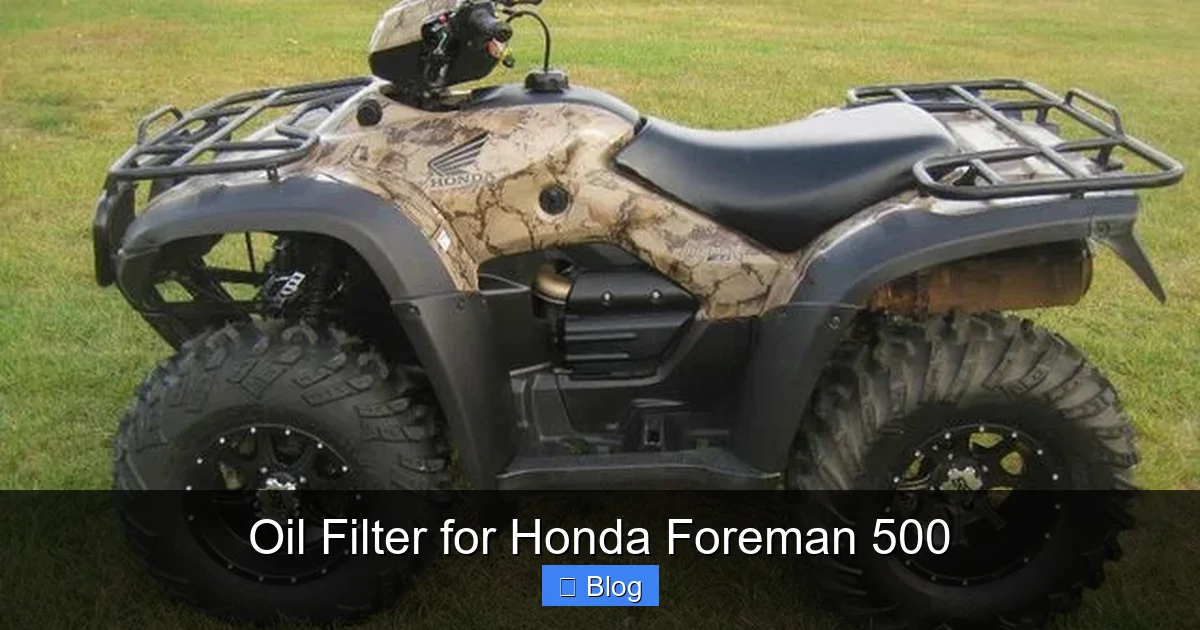
Visual guide about Oil Filter for Honda Foreman 500
Image source: databikes.com
When it comes to replacing your oil filter, you’ll likely face a choice: stick with Honda’s original equipment manufacturer (OEM) filter or go with an aftermarket alternative. Both have pros and cons, and the right choice depends on your budget, riding habits, and maintenance preferences.
OEM Oil Filters: The Gold Standard
Honda’s OEM oil filter (part number 15410-HP5-605) is designed specifically for the Foreman 500. It meets exact specifications for flow rate, filtration efficiency, and durability. Because it’s made by the same company that built your ATV, you can trust it to fit perfectly and perform reliably.
One major advantage of OEM filters is consistency. You know exactly what you’re getting every time—no guesswork about quality or compatibility. This is especially important if you’re performing maintenance yourself and want to avoid surprises.
However, OEM filters tend to be more expensive than aftermarket options. For some riders, the added cost is worth it for the assurance of quality. For others, especially those on a tight budget, aftermarket filters offer a compelling alternative.
Aftermarket Oil Filters: Value and Performance
Many reputable aftermarket brands—such as K&N, Fram, and WIX—offer oil filters that are compatible with the Honda Foreman 500. These filters often meet or exceed OEM standards and can cost significantly less.
For example, the K&N HP-1005 is a popular aftermarket choice that fits the Foreman 500 and is known for high flow rates and excellent filtration. Some riders even prefer aftermarket filters because they’re easier to remove during future changes, thanks to features like wrench-off nuts.
That said, not all aftermarket filters are created equal. Cheap, no-name brands may use inferior materials or inconsistent manufacturing processes. To avoid problems, stick with well-known brands and check customer reviews before purchasing.
How to Choose the Right Oil Filter for Your Foreman 500
With so many options available, how do you pick the best oil filter for your Honda Foreman 500? Here are a few key factors to consider.
Check Your Owner’s Manual
The first step is always to consult your owner’s manual. Honda specifies the correct oil filter part number and replacement interval for your Foreman 500. Most models from 2005 to 2013 use the 15410-HP5-605 filter, but it’s always smart to double-check.
If you’ve lost your manual, you can usually find a digital copy on Honda’s official website or through online ATV forums.
Match the Thread Size and Gasket Diameter
Even if a filter claims to be “compatible,” it must match the thread size and gasket diameter of your Foreman’s engine. The OEM filter has a 3/4″-16 thread and a 2.6-inch gasket diameter. Using a filter with the wrong dimensions can lead to leaks or improper sealing.
When shopping online, look for filters that list these specifications clearly. Most reputable sellers will include compatibility charts to help you find the right match.
Consider Your Riding Conditions
If you ride in extreme conditions—like dusty trails, muddy terrain, or high heat—you may benefit from a high-performance filter. These filters often have better filtration media and stronger housings to handle tough environments.
For casual riders or those who stick to paved paths, a standard OEM or quality aftermarket filter should be more than sufficient.
Step-by-Step Guide to Replacing the Oil Filter
Replacing the oil filter on your Honda Foreman 500 is a straightforward process, but doing it correctly is crucial. Here’s a simple guide to help you get it right every time.
What You’ll Need
Before you begin, gather these tools and supplies:
– New oil filter (OEM or compatible aftermarket)
– Fresh engine oil (10W-40 or 10W-30, 2.1 quarts total)
– Oil drain pan
– Socket wrench or oil filter wrench
– Clean rag or paper towels
– Funnel (optional)
Step 1: Warm Up the Engine
Start your Foreman and let it run for 2–3 minutes. Warm oil flows more easily, helping you drain more completely. Be careful—the engine and oil will be hot.
Step 2: Drain the Old Oil
Place the drain pan under the oil drain plug (located on the bottom of the engine). Remove the plug and let the oil drain completely. This usually takes 5–10 minutes.
Step 3: Remove the Old Filter
Once the oil has drained, locate the oil filter on the side of the engine. Use an oil filter wrench if it’s tight. Turn it counterclockwise to remove. Be ready—some oil may still drip out.
Step 4: Prepare the New Filter
Before installing the new filter, lightly coat the rubber gasket with fresh oil. This helps create a better seal and makes future removal easier.
Step 5: Install the New Filter
Hand-tighten the new filter only. Turn it about 3/4 to 1 full turn after the gasket makes contact. Do not overtighten—this can damage the seal and cause leaks.
Step 6: Refill with Fresh Oil
Replace the drain plug and tighten it securely. Use a funnel to add the recommended amount of oil (usually 2.1 quarts). Check the dipstick to ensure the level is correct.
Step 7: Start and Check for Leaks
Start the engine and let it run for 30–60 seconds. Turn it off and check around the filter and drain plug for leaks. If everything looks good, you’re all set!
Maintenance Tips to Extend Filter and Engine Life
Replacing the oil filter is just one part of a complete maintenance routine. Here are a few tips to keep your Foreman 500 running smoothly between changes.
Follow the Recommended Schedule
Honda recommends changing the oil and filter every 1,500 miles or 6 months, whichever comes first. If you ride in harsh conditions, consider shortening this interval to every 1,000 miles.
Inspect the Filter During Changes
When you remove the old filter, cut it open (if possible) and inspect the media for excessive debris or metal shavings. This can give you early warning signs of engine wear.
Use High-Quality Oil
Pair your filter with a premium 4-stroke motorcycle oil. Synthetic blends offer better protection in extreme temperatures and last longer than conventional oils.
Store Spare Filters Properly
If you keep extra filters on hand, store them in a cool, dry place away from direct sunlight. This prevents the gasket from drying out or cracking.
Common Mistakes to Avoid
Even experienced riders can make mistakes when changing the oil filter. Here are a few common pitfalls to watch out for.
Overtightening the Filter
This is the #1 mistake. Overtightening can warp the filter housing or damage the gasket, leading to leaks. Always hand-tighten only.
Using the Wrong Filter
Double-check part numbers before purchasing. A filter that looks similar may not fit or function correctly.
Skipping the Gasket Lubrication
Failing to oil the gasket can cause it to bind or tear during installation, resulting in leaks.
Not Draining the Oil First
Always drain the oil before removing the filter. Otherwise, you’ll have a messy—and wasteful—situation on your hands.
Conclusion
The oil filter may be a small component, but it plays a big role in the health of your Honda Foreman 500. Choosing the right filter, installing it correctly, and maintaining it on schedule can save you from expensive repairs and keep your ATV performing at its peak.
Whether you go with an OEM filter for guaranteed quality or a trusted aftermarket option for better value, the key is consistency and attention to detail. Follow the steps in this guide, stick to a regular maintenance routine, and your Foreman will reward you with years of reliable service.
Remember: a little effort now prevents big problems later. So next time you’re due for an oil change, don’t overlook the filter. Your engine will thank you.
Frequently Asked Questions
Can I use a car oil filter on my Honda Foreman 500?
No, car oil filters are not designed for ATV engines and may not fit or function properly. Always use a filter made for motorcycles or ATVs.
Is it okay to change just the oil and not the filter?
It’s not recommended. The filter traps contaminants that accumulate over time. Skipping the filter change reduces overall engine protection.
How do I know if my oil filter is failing?
Signs include oil leaks around the filter, low oil pressure, engine noise, or reduced performance. Replace the filter immediately if you notice these issues.
Can I install the oil filter without draining the oil?
Technically yes, but it’s messy and inefficient. Draining the oil first ensures a cleaner change and prevents spills.
What type of oil should I use with my new filter?
Use a high-quality 10W-40 or 10W-30 4-stroke motorcycle oil. Synthetic blends offer better protection in extreme conditions.
Where is the oil filter located on the Honda Foreman 500?
The oil filter is mounted on the left side of the engine, near the oil pan. It’s a cylindrical component with a rubber gasket around the base.

Sagor Jahan is the founder and author of Automopromo.com, dedicated to delivering insightful tips, reviews, and updates in the automotive and promotional industry. With a passion for innovation and clear guidance, Sagor helps readers make informed decisions and stay ahead in the ever-evolving automotive world.

