
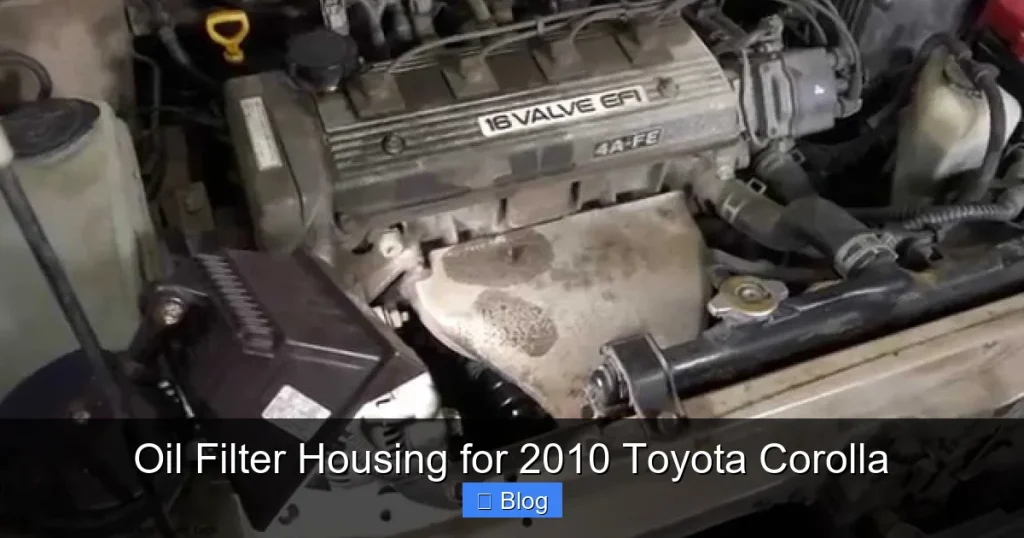
Replacing the oil filter housing on a 2010 Toyota Corolla is essential for preventing leaks and maintaining engine health. This guide covers everything you need—from part identification to DIY installation tips—so you can tackle the job confidently and save on repair costs.
Key Takeaways
- Proper oil filter housing prevents leaks: A damaged or worn housing can lead to oil seepage, low oil levels, and potential engine damage.
- Compatible with 1.8L 4-cylinder engines: The 2010 Corolla uses a specific housing design for the 2ZR-FE engine—ensure parts match this model.
- DIY-friendly replacement: With basic tools and 30–60 minutes, most owners can replace the housing without a mechanic.
- Use OEM or high-quality aftermarket parts: Stick to trusted brands like Toyota Genuine, Dorman, or Beck/Arnley for reliability.
- Replace gaskets and O-rings every time: Never reuse old seals—new ones ensure a tight, leak-free fit.
- Check for cracks or warping: Inspect the housing during oil changes to catch issues early.
- Torque specifications matter: Over-tightening can crack the housing; follow Toyota’s recommended torque settings.
Quick Answers to Common Questions
What engine does the 2010 Toyota Corolla have?
The 2010 Toyota Corolla comes with a 1.8L 4-cylinder engine (2ZR-FE), which determines the correct oil filter housing design.
Can I reuse the old O-rings when replacing the housing?
No, always replace O-rings and gaskets. Reusing old seals can lead to leaks and improper sealing.
How much does it cost to replace the oil filter housing?
Parts range from $60 to $180, depending on brand. Labor at a shop may add $100–$200, but DIY saves most of that cost.
What happens if the oil filter housing cracks?
A cracked housing can cause oil leaks, low oil pressure, engine overheating, and potential internal damage if not addressed.
Do I need to drain the oil to replace the housing?
Yes, you should drain the oil first to prevent spills and ensure a clean workspace during replacement.
📑 Table of Contents
Why the Oil Filter Housing Matters on Your 2010 Toyota Corolla
The oil filter housing on your 2010 Toyota Corolla isn’t just a metal bracket—it’s a critical component that protects your engine’s lifeblood: motor oil. This housing holds the oil filter in place and directs oil flow through the engine. When it’s cracked, warped, or leaking, your Corolla can lose oil pressure, overheat, or suffer internal damage. Even a small drip can turn into a major problem if ignored.
Many Corolla owners don’t realize the housing can fail over time. Unlike the oil filter itself—which gets replaced every 5,000 to 7,500 miles—the housing is often overlooked. But heat cycles, vibration, and age can cause plastic or aluminum housings to degrade. If you’ve noticed oil stains under your car or a persistent smell of burning oil, the housing might be the culprit. Replacing it promptly saves money and keeps your engine running smoothly.
Identifying the Right Oil Filter Housing for Your 2010 Corolla
Not all oil filter housings are created equal. The 2010 Toyota Corolla comes with a 1.8L 4-cylinder engine (engine code 2ZR-FE), and the housing is specifically designed for this setup. It’s typically made of aluminum and mounted on the engine block near the oil filter. The housing includes ports for oil flow, a drain plug, and a threaded opening for the filter.
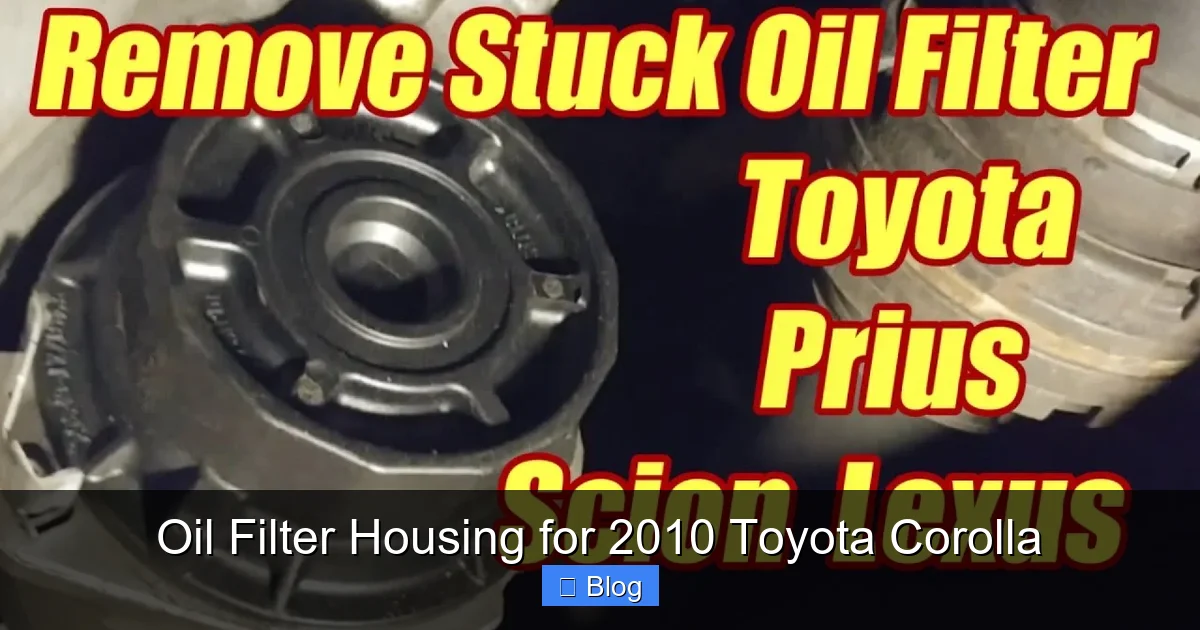
Visual guide about Oil Filter Housing for 2010 Toyota Corolla
Image source: i.ytimg.com
OEM vs. Aftermarket Options
Toyota Genuine Parts offer the best fit and durability, but they come at a higher price—usually between $120 and $180. If you’re looking for savings, quality aftermarket brands like Dorman, Beck/Arnley, and ACDelco provide reliable alternatives for $60 to $100. Always check customer reviews and ensure the part is listed as compatible with the 2010 Corolla 1.8L engine.
Signs You Need a Replacement
- Visible cracks or corrosion on the housing
- Oil pooling around the filter or housing base
- Frequent oil top-offs between changes
- Loose or stripped threads on the housing
- Warped surface preventing a proper seal
If you spot any of these signs, it’s time to act. Continuing to drive with a faulty housing risks engine damage that could cost thousands to repair.
Step-by-Step Guide to Replacing the Oil Filter Housing
Replacing the oil filter housing on a 2010 Corolla is a manageable DIY job if you have basic tools and a little patience. Here’s how to do it safely and correctly.
Visual guide about Oil Filter Housing for 2010 Toyota Corolla
Image source: i.ytimg.com
Tools and Materials You’ll Need
- Socket wrench set (10mm, 12mm, 14mm)
- Torque wrench
- Oil drain pan
- New oil filter housing (OEM or quality aftermarket)
- New O-rings or gasket kit (usually included)
- Thread sealant (if recommended by manufacturer)
- Shop rags and gloves
- Fresh engine oil (for refill)
Step 1: Drain the Oil
Start by warming up the engine for 2–3 minutes to thin the oil, then turn it off. Place the drain pan under the oil pan and remove the drain plug. Let the oil drain completely—this usually takes 10–15 minutes. Once drained, reinstall the drain plug and tighten it to spec (typically 30 ft-lbs).
Step 2: Remove the Old Housing
Locate the oil filter housing on the side of the engine block. It’s held in place by two or three bolts. Use your socket wrench to remove them. Carefully pull the housing away—be ready for some residual oil. Remove the old oil filter and inspect the mounting surface for debris or damage.
Step 3: Install the New Housing
Clean the engine block surface with a rag. Install the new O-rings or gasket into the housing grooves—apply a thin layer of clean oil to help them seat properly. Position the new housing and hand-tighten the bolts. Then, use the torque wrench to tighten them to Toyota’s specification (usually 14–18 ft-lbs). Over-tightening can crack the housing, so don’t guess.
Step 4: Reinstall the Oil Filter and Refill Oil
Screw on a new oil filter by hand until it seats, then give it an extra ¾ turn. Refill the engine with the recommended oil type (typically 4.4 quarts of 0W-20 or 5W-30). Start the engine and let it run for 30 seconds, then check for leaks. Turn off the engine, wait a few minutes, and check the oil level—top off if needed.
Common Mistakes to Avoid
Even experienced DIYers can make errors when replacing the oil filter housing. Here are the most common pitfalls and how to avoid them.
Reusing Old Gaskets or O-Rings
This is a big one. Old seals harden and lose elasticity, leading to leaks. Always replace them—even if the new housing comes with pre-installed gaskets, double-check they’re seated correctly.
Over-Tightening the Bolts
Aluminum housings are strong but can crack under excessive force. Use a torque wrench and follow the manufacturer’s specs. If you don’t have one, tighten snugly—don’t crank it.
Ignoring the Drain Plug
Some people forget to reinstall or properly tighten the oil pan drain plug after draining. This leads to rapid oil loss and engine damage. Always double-check it’s secure.
Using the Wrong Oil Filter
Not all filters fit the 2010 Corolla. Use a filter designed for the 2ZR-FE engine, such as Toyota Genuine 90915-YZZF1, Fram PH7317, or Mobil 1 M1-208. A mismatched filter may not seal properly.
Maintenance Tips to Extend Housing Life
Prevention is always better than repair. With a few simple habits, you can keep your oil filter housing in great shape for years.
Inspect During Every Oil Change
Make it a habit to visually check the housing each time you change the oil. Look for cracks, oil residue, or loose bolts. Catching issues early prevents bigger problems.
Use Quality Oil and Filters
Cheap oil and filters can contain contaminants or degrade faster, increasing stress on the housing. Stick to synthetic or high-grade conventional oil and reputable filter brands.
Avoid Extreme Temperature Swings
If possible, park in a garage or shaded area to reduce thermal stress on the housing. Rapid heating and cooling can weaken materials over time.
Tighten the Oil Filter Correctly
A loose filter can vibrate and damage the housing threads. Always hand-tighten the filter, then give it that extra ¾ turn—no more.
When to Call a Professional
While most Corolla owners can handle this job, there are times when it’s best to visit a mechanic. If the housing is severely corroded, the bolts are stripped, or you’re unsure about torque specs, don’t risk it. A professional can also check for related issues like oil cooler leaks or engine block damage.
Additionally, if you’ve never worked on an engine before, consider watching a few YouTube tutorials or asking a friend with experience to guide you. Safety and precision matter—your engine depends on it.
Conclusion
The oil filter housing on your 2010 Toyota Corolla plays a vital role in engine protection. While it’s often overlooked, a failing housing can lead to oil leaks, low pressure, and costly repairs. Fortunately, replacing it is a straightforward job with the right parts and tools. By choosing a quality housing, using new gaskets, and following proper installation steps, you’ll keep your Corolla running smoothly for years to come.
Don’t wait for a leak to become a crisis. Inspect your housing regularly, replace it when needed, and enjoy the peace of mind that comes with a well-maintained engine. Whether you go OEM or aftermarket, the key is consistency and care. Your Corolla deserves nothing less.
Frequently Asked Questions
How often should I check the oil filter housing?
Inspect the housing during every oil change, typically every 5,000 to 7,500 miles. Look for cracks, leaks, or loose components.
Is the oil filter housing the same as the oil cooler?
No, though some models combine them. On the 2010 Corolla, the housing holds the filter and may include a coolant line, but it’s not a full oil cooler.
Can I drive with a leaking oil filter housing?
It’s not recommended. Even a small leak can worsen quickly, leading to low oil levels and engine damage. Replace it as soon as possible.
What torque specification should I use for the housing bolts?
Toyota recommends 14–18 ft-lbs for the oil filter housing bolts. Always use a torque wrench to avoid over-tightening.
Are aftermarket oil filter housings reliable?
Yes, if you choose reputable brands like Dorman or Beck/Arnley. Read reviews and ensure compatibility with your 2010 Corolla 1.8L engine.
Does replacing the housing require special tools?
Basic hand tools are sufficient—socket wrench, torque wrench, and drain pan. No specialized equipment is needed for most DIYers.

Sagor Jahan is the founder and author of Automopromo.com, dedicated to delivering insightful tips, reviews, and updates in the automotive and promotional industry. With a passion for innovation and clear guidance, Sagor helps readers make informed decisions and stay ahead in the ever-evolving automotive world.

