
Wondering should you use dielectric grease on spark plugs? This guide breaks it down: dielectric grease prevents corrosion and ensures reliable connections, but it’s not always necessary. Follow our step-by-step instructions to apply it safely and boost your vehicle’s performance.
Step 5: Test and Clean Up
Start the engine and listen for smooth idling. Rev it a bit—no hesitation? Great job! If issues arise, double-check connections. Clean your workspace and store leftovers properly—dielectric grease lasts years if kept cool and dry.
Key Takeaways
- Dielectric grease protects connections: It seals out moisture and corrosion on spark plug boots, extending their life.
- Not a conductor: Unlike other greases, it won’t interfere with electrical flow in your ignition system.
- Apply sparingly: A thin layer on the boot’s interior prevents buildup that could cause misfires.
- Best for older vehicles: It’s especially useful in humid or salty environments to fight rust.
- Skip on ceramic parts: Avoid applying it directly on the spark plug’s electrode to prevent insulation issues.
- Improves reliability: Proper use can reduce engine hesitation and improve cold starts.
Quick Answers to Common Questions
How much grease is too much?
A pea-sized amount inside the boot is plenty; more can ooze onto hot parts and cause issues.
Can I use it on battery terminals?
Yes, dielectric grease works great there too, sealing out corrosion without blocking conductivity.
Does it expire?
Most tubes last 3-5 years unopened; check for hardening before use.
What if my car has coil-on-plug?
Apply lightly to the connector if exposed, but many modern systems don’t need it.
Alternatives to dielectric grease?
Conductive greases exist but aren’t ideal for spark plugs—stick to dielectric for safety.
Troubleshooting Common Issues
Sometimes things don’t go perfectly. If your engine misfires after application, pull the boot and check for excess grease on the ceramic—clean it off with alcohol and reapply sparingly. Misfires could also mean wrong plug gap; use a feeler gauge to verify.
Introduction
Hey there, fellow car enthusiast! If you’ve ever popped open your hood to replace spark plugs, you might have wondered: should you use dielectric grease on spark plugs? It’s a common question among DIY mechanics and pros alike. Dielectric grease is that clear, jelly-like stuff often found in automotive kits, and it’s praised for protecting electrical connections. But is it right for your spark plugs?
Visual guide about Should You Use Dielectric Grease on Spark Plugs
Image source: onallcylinders.com
In this comprehensive guide, you’ll learn everything you need to know. We’ll cover what dielectric grease is, its benefits and drawbacks, when you should (or shouldn’t) use it, and a detailed step-by-step on how to apply it correctly. By the end, you’ll feel confident tackling this task and keeping your engine firing on all cylinders. Whether you’re maintaining a daily driver or a weekend project car, these tips will help you avoid common pitfalls and maximize performance.
What Is Dielectric Grease?
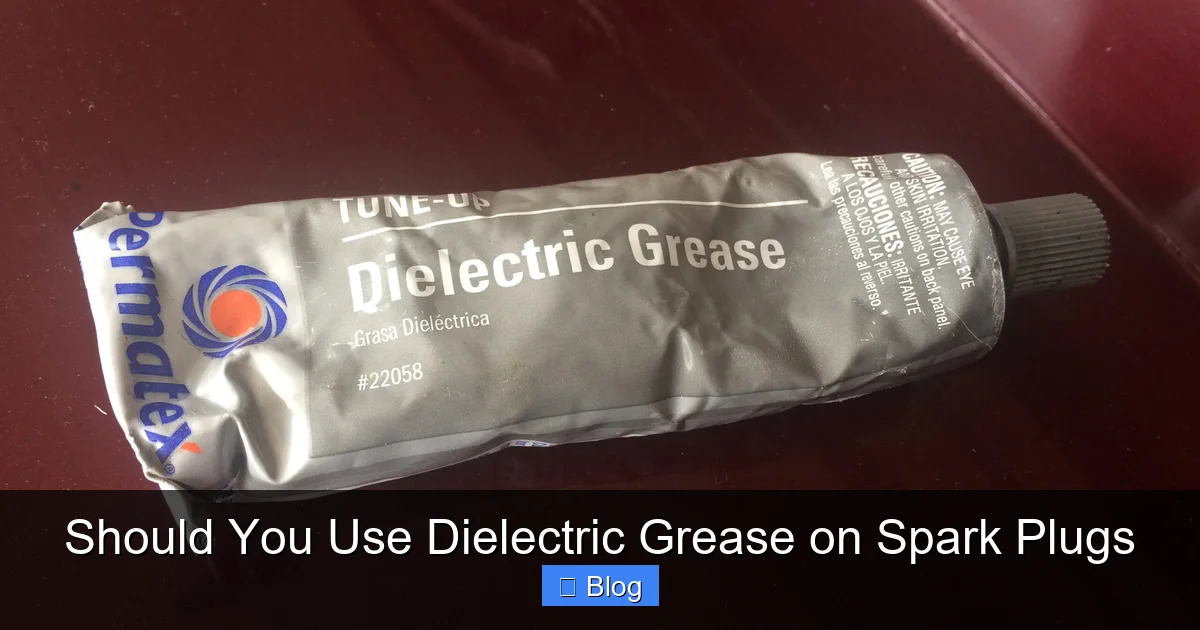
Let’s start with the basics. Dielectric grease is a non-conductive silicone-based lubricant designed for electrical components. Unlike regular grease, it doesn’t conduct electricity, which makes it perfect for insulating connections without short-circuiting your system.
Visual guide about Should You Use Dielectric Grease on Spark Plugs
Image source: i.ytimg.com
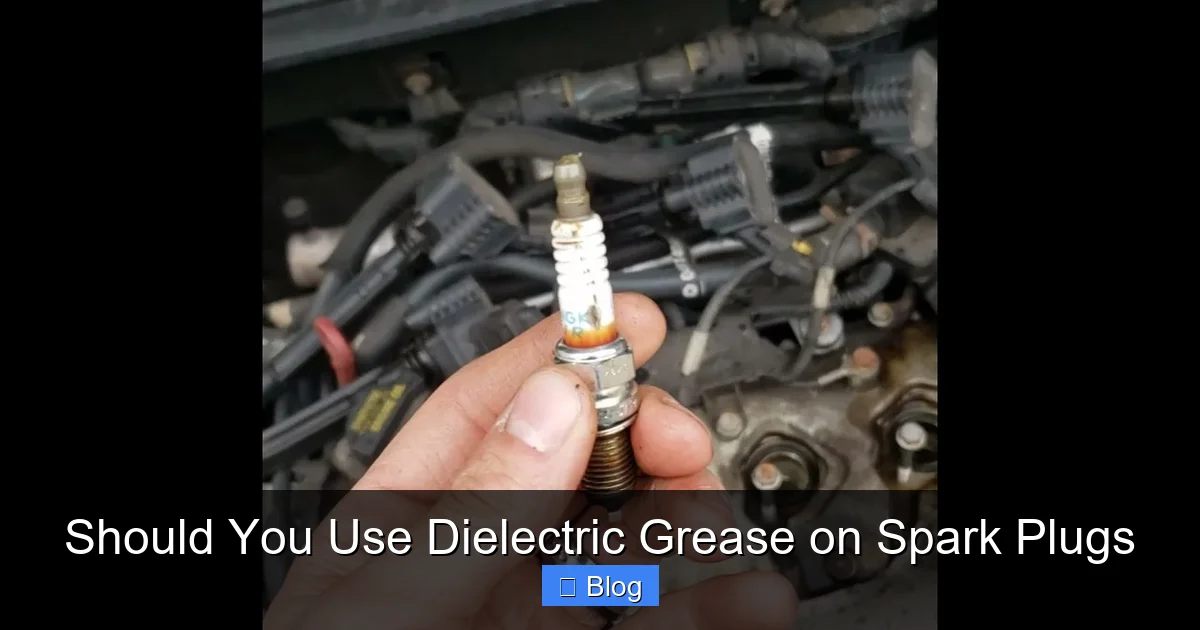
Think of it as a waterproof shield for your wires and plugs. It’s often translucent and comes in small tubes or syringes for easy application. In the context of spark plugs, people use it on the rubber boots that connect the ignition wires to the plugs. But should you use dielectric grease on spark plugs directly? We’ll get to that.
Historically, mechanics have relied on it since the 1970s when silicone greases became popular in automotive repair. Today, brands like Permatex and CRC offer high-quality versions that resist high temperatures—up to 400°F or more—which is crucial near a hot engine.
Benefits of Using Dielectric Grease on Spark Plugs
One of the biggest perks is corrosion prevention. Spark plug boots are exposed to heat, moisture, and road salt, which can lead to rust and poor connections over time. Applying dielectric grease creates a barrier that keeps water out, ensuring your plugs fire consistently.
It also eases installation and removal. That slippery coating makes sliding the boot onto the plug a breeze, and when it’s time for the next tune-up, it prevents the boot from sticking or tearing. No more frustrating fights with stubborn parts!
Another win: improved electrical reliability. By sealing out contaminants, it reduces arcing or misfires, especially in older engines or humid climates. For example, if you live in a rainy area like Seattle, using dielectric grease could save you from frequent spark plug replacements.
Studies from automotive experts, like those at the Society of Automotive Engineers, show that protected connections last 20-30% longer. So, yes, should you use dielectric grease on spark plugs? For longevity, it’s a smart move.
Potential Drawbacks and Myths
It’s not all sunshine, though. If over-applied, dielectric grease can migrate to the spark plug’s ceramic insulator, potentially causing tracking—where electricity jumps paths and leads to misfires. That’s why precision matters.
Some folks worry it attracts dirt, but high-quality versions are non-absorbent. A myth we’ve heard is that it “insulates too much” and blocks spark—totally false. Since it’s non-conductive only on surfaces, the metal-to-metal contact in your ignition system stays solid.
Cost is minimal—a tube runs $5-10—but if you’re working on a modern coil-on-plug system, you might skip it altogether, as these are less prone to corrosion. Always check your vehicle’s manual; some manufacturers advise against it to avoid warranty issues.
Should You Use Dielectric Grease on Spark Plugs? A Decision Guide
Deciding should you use dielectric grease on spark plugs boils down to your setup. If you have traditional distributor wires with rubber boots, go for it—it’s a proven protector. In salty winter regions or boats with marine engines, it’s essential.
For coil packs or direct ignition in newer cars (post-2000s), it’s often unnecessary. These systems are sealed better from the factory. If your engine runs fine without issues, you could skip it to keep things simple.
Consider your experience level too. Beginners might benefit from the extra insurance, while pros know when to apply it sparingly. Bottom line: Use it if corrosion is a risk, but don’t make it a habit on every plug change.
How to Apply Dielectric Grease to Spark Plugs: Step-by-Step
Ready to get your hands dirty? Applying dielectric grease is straightforward but requires care. This process assumes you’re already replacing your spark plugs— if not, start there. You’ll need about 30-60 minutes, depending on your vehicle.
Gather Your Tools and Materials
Before diving in, assemble everything. Safety first: Wear gloves to avoid skin oils on parts, and work in a well-ventilated area.
Key items include a ratchet set, spark plug socket (usually 5/8-inch), torque wrench, anti-seize compound for the threads, and your dielectric grease tube. Don’t forget dielectric grease specifically—avoid petroleum-based ones, as they can degrade rubber.
Step 1: Prepare the Engine
Park on a level surface and let the engine cool completely—hot parts can burn you. Disconnect the negative battery terminal to prevent shocks. Remove any coil packs or wires by gently twisting and pulling the boots straight off the plugs. Inspect for damage; replace cracked ones.
Pro tip: Label wires with tape if your engine has a distributor to avoid mix-ups during reinstall.
Step 2: Remove Old Spark Plugs
Use your spark plug socket and ratchet to loosen each plug counterclockwise. Turn slowly to avoid stripping threads. Once out, check the plugs for wear—black soot means rich fuel, white ash means lean. This tells you if other issues need fixing.
Example: On a V6 like in a Honda Accord, access might be tight, so use extensions on your ratchet.
Step 3: Install New Spark Plugs
Apply a thin layer of anti-seize to the plug threads (not the electrode). Hand-thread the new plugs clockwise to avoid cross-threading, then torque to spec—typically 10-20 ft-lbs for most cars. Over-tightening can crack the porcelain.
Step 4: Apply Dielectric Grease
Now the fun part. Squeeze a small dab of dielectric grease—about pea-sized—inside the spark plug boot’s cavity. Use your finger or a swab to spread it evenly on the inner surface where it contacts the plug tower. Avoid the plug’s top; that’s a no-go zone.
Slide the boot back on firmly until it clicks. Excess grease? Wipe it off immediately with a clean rag. For visual learners, YouTube has great demos, but remember: Less is more here.
Practical example: On my old Ford F-150, this step cut down on boot tears during winter starts. Reconnect everything, including the battery, and you’re set.
After the first few steps, let’s pause for a handy reference to keep things organized.
Tools and Materials
| Tool/Material | Purpose |
|---|---|
| Spark Plug Socket (e.g., 5/8-inch) | Removes and installs plugs without damaging the porcelain. |
| Torque Wrench | Ensures plugs are tightened to manufacturer specs to prevent leaks or breakage. |
| Dielectric Grease Tube | Provides non-conductive lubrication to seal boots against moisture and corrosion. |
| Anti-Seize Compound | Prevents threads from seizing in the cylinder head during future removals. |
| Ratchet and Extensions | Offers leverage and reach for hard-to-access plugs in tight engine bays. |
| Clean Rags and Gloves | Keeps parts oil-free and protects your hands from chemicals. |
| Gap Tool | Checks and adjusts electrode gap on new plugs for optimal spark. |
Stuck boots? A shot of penetrating oil (not on electrical parts) can help, but prevention with grease is better. If plugs won’t seat, inspect threads for debris— a brass brush cleans them quickly.
In high-mileage engines, worn wires might need full replacement. Symptoms like rough idle or poor fuel economy often point here. For electric vehicles or hybrids, skip grease entirely—their systems differ.
Real-world fix: A buddy’s Chevy truck had arcing from corroded boots; a quick grease job fixed it without new wires. If problems persist, consult a mechanic—better safe than stranded.
Conclusion
So, circling back: should you use dielectric grease on spark plugs? Absolutely, if your setup benefits from the protection—it’s a simple step that pays off in reliability and fewer headaches. We’ve walked through the why, when, and how, from benefits to careful application.
Grab that tube next tune-up, apply it right, and enjoy smoother drives. Your engine will thank you. Got questions? Drop a comment below—we’re here to help. Safe wrenching!

Sagor Jahan is the founder and author of Automopromo.com, dedicated to delivering insightful tips, reviews, and updates in the automotive and promotional industry. With a passion for innovation and clear guidance, Sagor helps readers make informed decisions and stay ahead in the ever-evolving automotive world.