

Understanding what a good spark plug looks like is crucial for engine health. A healthy spark plug typically features a light tan or grayish insulator tip, clean electrodes with sharp edges, and a correct gap, indicating efficient combustion and proper engine function. Regular inspection helps detect issues early, ensuring peak performance and preventing expensive repairs.
What Should a Good Spark Plug Look Like
Your car’s spark plugs might be small components, but they play a gigantic role in how your engine runs. These unassuming parts are responsible for igniting the air-fuel mixture in your engine’s cylinders, creating the power that moves your vehicle. When they’re working correctly, your engine purrs, fuel efficiency is good, and emissions are low. But when they start to falter, you’ll notice a significant drop in performance, fuel economy, and potentially even costly engine damage.
So, how do you know if your spark plugs are in good shape? The answer often lies in their appearance. By simply removing and inspecting them, you can gain valuable insights into your engine’s health, identify potential issues, and determine if it’s time for a replacement. This comprehensive guide will walk you through exactly what a good spark plug looks like, how to inspect them, and what various appearances can tell you about your engine. By the end, you’ll be able to confidently assess the condition of your spark plugs and understand their silent language.
Key Takeaways
- Ideal Appearance: A healthy spark plug’s insulator tip should be light tan, grayish, or off-white, indicating optimal combustion temperature and a balanced air-fuel mixture.
- Electrode Condition: The center and ground electrodes should be clean, sharp, and free from significant erosion or deposits, with the correct gap for your vehicle.
- No Damage or Deposits: A good spark plug will be free of cracks, chips, excessive carbon, oil, or fuel deposits on any part of the plug, especially the insulator and electrodes.
- Consistent Wear: All spark plugs from your engine should show similar, even wear patterns, suggesting a uniform performance across all cylinders.
- Importance of Inspection: Regularly checking your spark plugs helps you diagnose engine issues early, from rich/lean fuel mixtures to oil leaks, before they escalate.
- Gap is Key: Even if the appearance is good, an incorrect electrode gap can hinder performance. Always ensure the gap matches your vehicle’s specifications.
- Proper Installation: A good spark plug also reflects proper care and installation, with clean threads and a correctly torqued connection.
Quick Answers to Common Questions
What’s the best tool for checking spark plug gap?
A wire-type gap gauge is generally recommended over a flat-blade style gauge. It provides a more accurate measurement, especially for modern spark plugs with fine-wire electrodes, and is less likely to damage the delicate electrode tip.
Can I clean a spark plug instead of replacing it?
While you can gently clean light carbon deposits with a wire brush, it’s generally not recommended for severely fouled plugs or as a long-term solution. Cleaning doesn’t restore worn electrodes or correct an incorrect heat range. For optimal performance, replacement is usually the better option if plugs are significantly fouled or worn.
How often should I inspect my spark plugs?
It’s a good practice to inspect your spark plugs every 10,000 to 20,000 miles, or at least once a year, even if they aren’t due for replacement. This allows you to monitor engine health and catch potential issues early before they become major problems.
Do all spark plugs look the same?
No, spark plugs vary significantly in size, length, thread type, electrode material (copper, platinum, iridium), and heat range. Always ensure you are using the exact spark plug specified by your vehicle’s manufacturer for optimal performance and engine protection.
What if only one spark plug looks bad?
If only one spark plug shows signs of fouling or damage while the others look healthy, it often points to an issue specific to that cylinder. This could be a faulty ignition coil, a leaking injector, or an internal engine problem isolated to that cylinder. Further diagnosis of that specific cylinder is warranted.
The Basics: Understanding a Healthy Spark Plug
Before we dive into the specifics of what a good spark plug looks like, let’s briefly understand its role and why its appearance is so telling.
What is a Spark Plug?
A spark plug is an electrical device that fits into the cylinder head of an internal combustion engine. It has an insulated center electrode connected to an ignition coil, and a ground electrode that’s part of the plug’s metal shell. When the coil sends a high-voltage pulse, a spark jumps across the gap between these two electrodes, igniting the compressed air-fuel mixture. This controlled explosion pushes the piston down, generating power.
Why Appearance Matters
The combustion process leaves telltale signs on the spark plug’s tip. The color, deposits, and wear patterns on the insulator and electrodes are like a diagnostic report card for your engine. They can indicate if your engine is running too rich (too much fuel), too lean (too little fuel), consuming oil, or experiencing other issues. Learning to “read” your spark plugs is a fundamental skill for any DIY mechanic or car enthusiast.
Step-by-Step Guide: Inspecting Your Spark Plugs
Inspecting your spark plugs is a straightforward process, but it requires a bit of care. Always remember safety first!
Safety First: Preparing for Inspection
Before you begin, ensure your vehicle is turned off, the engine is cool, and the parking brake is engaged. Disconnect the negative terminal of your battery to prevent accidental shocks or short circuits. Gather your tools: a spark plug socket set, a ratchet, an extension bar, a gap gauge, and a can of compressed air or a brush for cleaning around the plugs.
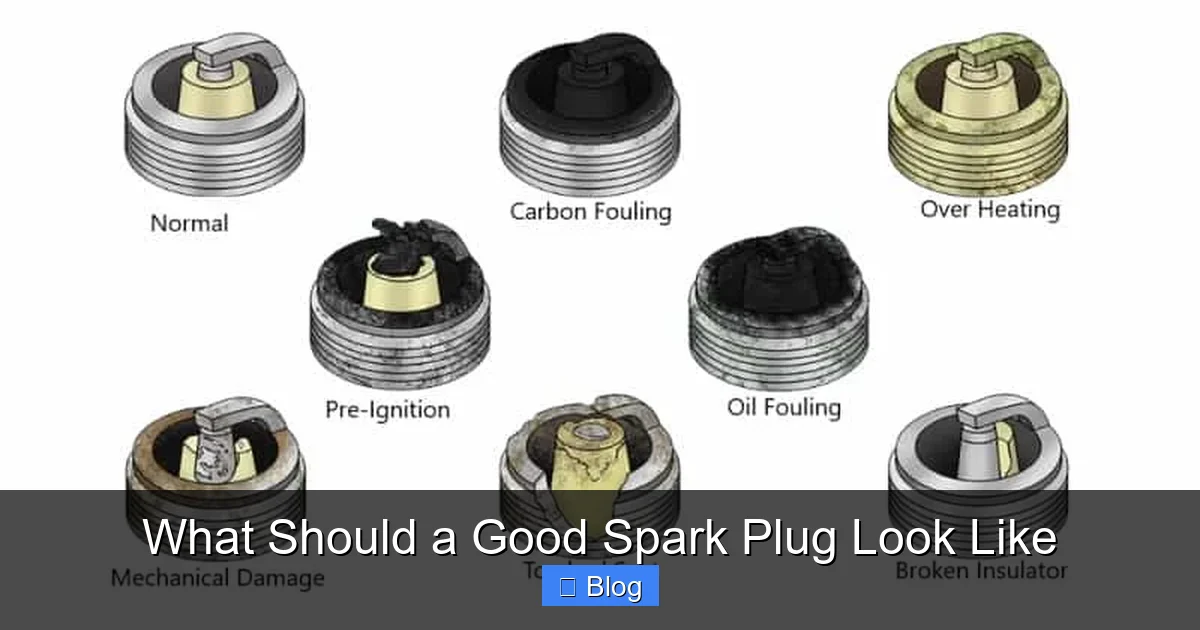
Visual guide about What Should a Good Spark Plug Look Like
Image source: rxmechanic.com
Removing the Spark Plugs
- Locate the Spark Plugs: They are typically found on top of the engine, connected to thick wires or coil packs.
- Clean Around the Plugs: Use compressed air or a brush to clear any debris from around the spark plug bases. This prevents dirt from falling into the combustion chamber when the plug is removed.
- Disconnect Wires/Coils: Carefully pull off the spark plug wires (grasping the boot, not the wire) or unbolt and remove the ignition coils. Pay attention to which wire/coil goes to which cylinder, as you’ll need to reattach them correctly.
- Remove the Plug: Fit the spark plug socket onto the plug and use your ratchet to turn it counter-clockwise. Once loose, you can often remove it by hand or carefully with the socket. Remove one plug at a time for inspection, especially if you’re not replacing them all, to avoid mixing them up.
Visual Examination: What to Look For
Once a spark plug is removed, hold it up to a good light source and examine it closely. We’ll break down the specific areas to focus on.
Signs of a Healthy Spark Plug: The Ideal Appearance
This is the core of our guide. A good spark plug tells a story of efficient combustion, proper fuel mixtures, and a well-maintained engine.
The Insulator Tip: Color and Condition
The insulator tip is the ceramic portion surrounding the center electrode. Its color is perhaps the most crucial indicator of your engine’s health.

Visual guide about What Should a Good Spark Plug Look Like
Image source: engineeringlearn.com
- Light Tan, Grayish, or Off-White: This is the gold standard! A light tan or grayish-white color on the insulator tip indicates that your engine is running at the optimal operating temperature and that the air-fuel mixture is balanced. It suggests complete combustion and efficient performance. This is exactly what a good spark plug looks like.
- No Cracks or Chips: The ceramic insulator should be perfectly intact, without any cracks, chips, or signs of physical damage. Cracks can lead to misfires and damage to the ignition system.
- No Glazing: The surface should not appear glazed or shiny. Glazing can be a sign of overheating.
The Electrodes: Gap and Wear
The center and ground electrodes are where the magic happens – the spark jumps between them. Their condition and the gap between them are critical.
- Clean and Sharp Edges: The electrodes (both center and ground) should appear relatively clean, with sharp, well-defined edges. They should not be rounded, pitted, or significantly eroded. A good spark plug will show minimal, even wear.
- Correct Gap: Use a spark plug gap gauge to measure the distance between the center and ground electrodes. This gap must match the specifications for your specific vehicle (you can find this in your owner’s manual or under the hood). An incorrect gap can lead to weak sparks, misfires, or premature wear.
- No Excessive Erosion: While some wear is normal over time, excessive erosion or a significant increase in the gap suggests the plug is old, running too hot, or that there’s an ignition system issue.
- No Heavy Deposits: There should be no heavy carbon buildup, oil residue, or other foreign materials caked onto the electrodes. Light, powdery deposits that match the tan/gray color are acceptable.
The Gasket and Threads: Secure and Clean
Even the parts you don’t typically see inside the engine bay matter.
- Intact Gasket: If your spark plugs use a gasket (most do), it should be present and compressed properly, indicating a good seal.
- Clean Threads: The metal threads of the spark plug should be clean and free of oil, coolant, or rust. Oil on the threads can indicate a valve cover gasket leak or other oil leaks into the spark plug well. Coolant suggests a more serious issue like a head gasket leak.
The Shell: Rust and Damage
The outer metal shell of the spark plug should also be in good condition.
- Clean and Free of Corrosion: The metal shell should be clean, without significant rust or corrosion. While some surface discoloration from heat is normal, heavy corrosion can indicate moisture issues in the engine bay.
- No Physical Damage: The hex portion (where your socket fits) should be undamaged, allowing for easy removal and installation.
Troubleshooting Cheat Sheet: Common Issues and Their Meanings
While this guide focuses on what a *good* spark plug looks like, understanding common problematic appearances can highlight just how ideal the healthy plug is. Here’s a quick reference for common spark plug conditions and what they often indicate. This table can help you understand what *not* to see when inspecting your plugs, reinforcing the characteristics of a healthy one.
| Spark Plug Appearance | What It Often Indicates | Recommended Action |
|---|---|---|
| Light Tan / Grayish (Ideal) | Optimal engine health, balanced air-fuel mix, correct heat range. | Maintain regular service intervals. |
| Heavy Carbon Deposits (Black, Sooty) | Rich air-fuel mixture, clogged air filter, extended idling, weak ignition. | Check air filter, fuel injectors, O2 sensor, ignition system. |
| Oil Fouling (Black, Oily) | Worn valve guides, worn piston rings, faulty PCV valve. | Investigate engine internal components (compression test). |
| Ash Deposits (Light Brown/White, Crumbly) | Burning oil additives, fuel additives, excessive oil consumption. | Check for oil consumption, use recommended fuel/oil. |
| Overheated (White, Blistered Insulator) | Lean air-fuel mixture, improper timing, wrong heat range spark plug, pre-ignition. | Check fuel system, ignition timing, ensure correct spark plug type. |
| Melted/Damaged Electrodes | Severe pre-ignition, prolonged detonation, very lean mixture, wrong heat range. | URGENT professional diagnosis. Stop driving if possible. |
When to Replace Your Spark Plugs
Even a good spark plug has a finite lifespan. Knowing when to replace them is just as important as knowing what a good one looks like.
Mileage and Time Intervals
Most vehicle manufacturers specify replacement intervals for spark plugs, typically ranging from 30,000 miles for older vehicles or standard copper plugs, up to 100,000+ miles for modern vehicles equipped with iridium or platinum plugs. Always refer to your vehicle’s owner’s manual for the exact recommended schedule.
Signs of Wear and Performance Issues
Regardless of mileage, if your spark plugs show signs of significant wear or if your engine exhibits certain symptoms, it’s time for a change:
- Misfires or Rough Idling: The engine feels shaky, especially at idle, or stutters during acceleration.
- Reduced Fuel Economy: You’re filling up more often than usual without a change in driving habits.
- Slow Acceleration: The car feels sluggish or lacks its usual power when you press the accelerator.
- Check Engine Light: A flashing or solid check engine light, especially with associated misfire codes (P030X, where X is the cylinder number).
- Difficulty Starting: The engine cranks for a longer time before starting, or struggles to turn over.
- Visible Wear: Electrodes are heavily rounded, pitted, or the gap is significantly off spec and cannot be corrected.
Remember, a spark plug that looks worn, even if it’s still firing, might not be delivering an optimal spark, leading to inefficiencies. Replacing them at the recommended intervals or at the first sign of trouble can prevent minor issues from escalating.
Practical Tips for Spark Plug Longevity
Keeping your spark plugs in top condition isn’t just about inspecting them; it’s also about proper care and maintenance.
Use the Right Spark Plug
Always use the spark plugs recommended by your vehicle manufacturer. These specifications include the correct heat range, material (copper, platinum, iridium), and thread size. Using the wrong type can lead to poor performance, premature wear, or even engine damage.
Proper Installation
- Gap Them Correctly: Even “pre-gapped” plugs should be checked with a gap gauge before installation, as they can sometimes get bumped during shipping. Adjust them carefully if needed, using a proper gapping tool.
- Hand-Tighten First: Always start threading the spark plug by hand to avoid cross-threading. Once it’s finger-tight, use your ratchet and a torque wrench.
- Torque to Spec: Over-tightening can damage the spark plug or the cylinder head threads, while under-tightening can lead to poor heat transfer, misfires, and potential expulsion of the plug. Always use a torque wrench and follow the manufacturer’s torque specifications.
- Apply Anti-Seize (if recommended): For plugs in aluminum cylinder heads, a tiny bit of anti-seize on the threads (away from the tip) can prevent galvanic corrosion and make future removal easier. Check your spark plug manufacturer’s advice, as some plugs have special coatings that make anti-seize unnecessary or even detrimental.
Regular Maintenance
Ensuring your engine’s overall health contributes to spark plug longevity. This includes regular oil changes, maintaining a clean air filter, and ensuring your fuel system and ignition coils are in good working order. Issues in these areas can quickly manifest as unhealthy spark plugs.
Conclusion
Understanding what a good spark plug looks like is a powerful diagnostic tool for any vehicle owner. A healthy spark plug, characterized by a light tan or grayish insulator tip, clean and sharp electrodes with a correct gap, and an absence of excessive deposits or damage, signifies an engine operating efficiently and optimally.
By regularly inspecting your spark plugs – at least once a year or during routine maintenance – you can catch potential engine issues early, avoid costly repairs, and ensure your vehicle runs smoothly and reliably. Don’t underestimate the silent language of these small but mighty components. Take the time to “read” them, and your engine will thank you with consistent performance and longevity.

Sagor Jahan is the founder and author of Automopromo.com, dedicated to delivering insightful tips, reviews, and updates in the automotive and promotional industry. With a passion for innovation and clear guidance, Sagor helps readers make informed decisions and stay ahead in the ever-evolving automotive world.