
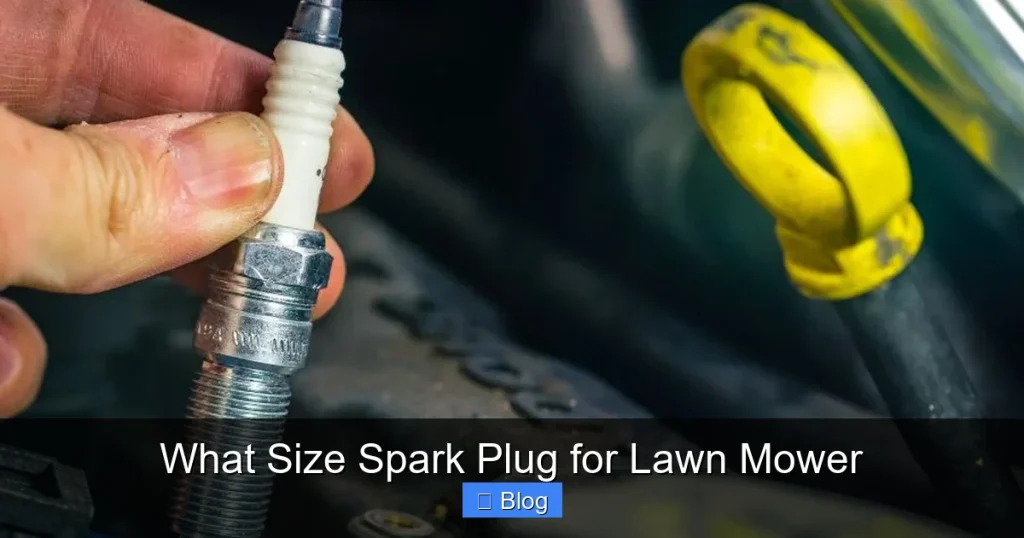
Choosing the correct spark plug size for your lawn mower ensures reliable starts, smooth operation, and better fuel efficiency. This guide walks you through identifying your mower’s spark plug size, removing the old one, and installing a new one safely and correctly.
Key Takeaways
- Check your owner’s manual first: The most accurate way to find the correct spark plug size is by consulting your lawn mower’s manual or manufacturer website.
- Common sizes include 14mm and 18mm: Most small engines use spark plugs with thread diameters of 14mm or 18mm, with 14mm being the most common.
- Gap matters as much as size: Even with the right physical size, an incorrect electrode gap can cause poor engine performance or failure to start.
- Use a spark plug socket wrench: A specialized socket (usually 5/8″ or 13/16″) prevents damage during removal and installation.
- Replace annually or as needed: Worn or fouled spark plugs should be replaced every season or after 100 hours of use.
- Match the heat range: Using a plug with the wrong heat rating can lead to pre-ignition or fouling—stick to OEM recommendations.
- Safety first: Always disconnect the spark plug wire and let the engine cool before working on it.
Quick Answers to Common Questions
Tip/Question?
Can I use any 14mm spark plug in my lawn mower?
No—while 14mm is common, you must also match the reach, hex size, heat range, and gap. Always use the manufacturer-recommended model.
Tip/Question?
How tight should I install the spark plug?
Hand-tighten first, then use a wrench for an additional 1/4 to 1/2 turn. Over-tightening can damage the threads in the cylinder head.
Tip/Question?
Should I gap a new spark plug before installing?
Yes—even new plugs may not be pre-gapped correctly. Always check and adjust the gap using a feeler gauge.
Tip/Question?
What if I can’t find my engine model number?
Look on the side of the engine, under the shroud, or near the air filter. If still missing, check the mower’s frame or consult the mower’s serial number with the manufacturer.
Tip/Question?
Can I clean and reuse a spark plug?
You can clean a mildly fouled plug with a wire brush or plug cleaner, but it’s usually better to replace it. Worn electrodes won’t perform as well as a new plug.
Step 3: Gather the Right Tools and Materials
Before you begin, make sure you have the necessary tools to do the job safely and correctly.
Essential Tools
- Spark plug socket wrench: Typically 5/8″ or 13/16″, with a rubber insert to hold the plug.
- Extension bar: Helps reach the plug in tight spaces.
- Gap tool or feeler gauge: To measure and adjust the electrode gap.
- Ratchet wrench: For turning the socket.
- Torque wrench (optional but recommended): Ensures proper tightening without over-torquing.
Replacement Parts
- New spark plug (correct size and model)
- Anti-seize compound (optional, for aluminum heads)
- Dielectric grease (for the boot)
Step 4: Safely Remove the Old Spark Plug
Always prioritize safety when working on small engines.
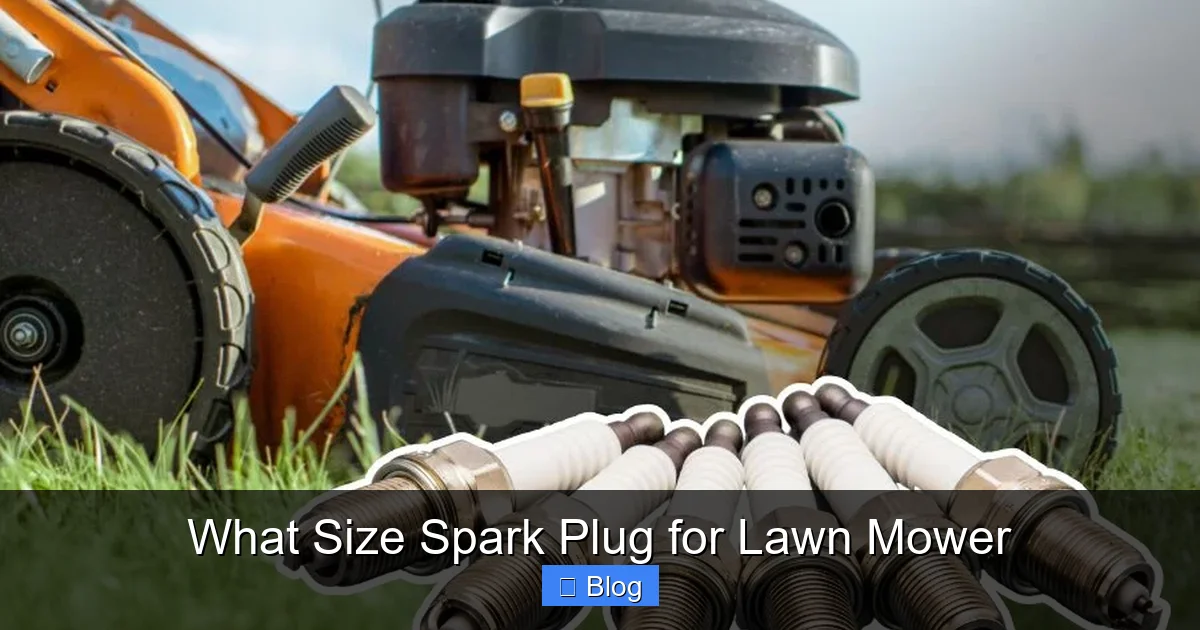
Visual guide about What Size Spark Plug for Lawn Mower
Image source: mowing.expert
Let the Engine Cool
Never work on a hot engine. Wait at least 30 minutes after use to avoid burns.
Disconnect the Spark Plug Wire
Gently pull the rubber boot off the spark plug. Do not yank the wire itself—this can damage the connection inside.
Clean the Area
Use compressed air or a brush to remove grass, dirt, and debris around the plug. This prevents contaminants from falling into the cylinder when you remove the plug.
Loosen and Remove the Plug
Attach the spark plug socket to your ratchet and extension. Turn counterclockwise to loosen. Once loose, unscrew by hand to avoid cross-threading.
Step 5: Inspect and Gap the New Spark Plug
Even new plugs often need gap adjustment.
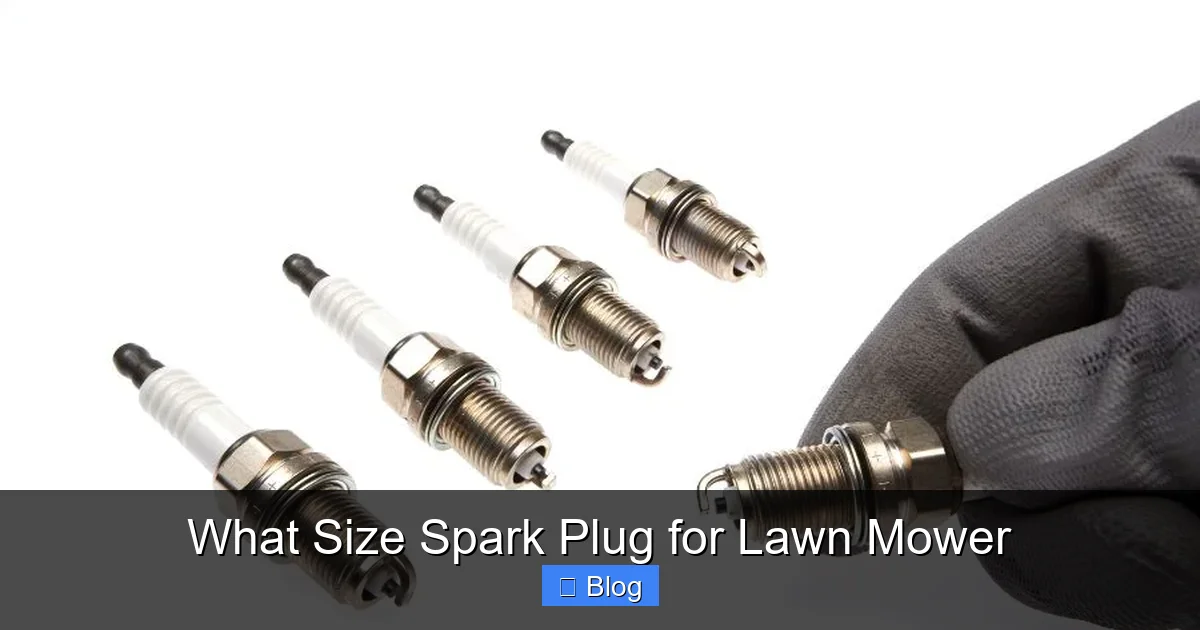
Visual guide about What Size Spark Plug for Lawn Mower
Image source: mowing.expert
Check the Gap
Use a feeler gauge to measure the distance between the center and ground electrode. Compare it to the specification in your manual (common gaps range from 0.028″ to 0.035″).
Adjust if Necessary
Gently bend the ground electrode to increase or decrease the gap. Never pry or force it—small adjustments are all that’s needed.
Step 6: Install the New Spark Plug
Proper installation ensures a reliable seal and prevents damage.
Why Spark Plug Size Matters for Your Lawn Mower
Your lawn mower’s engine relies on a precise spark to ignite the air-fuel mixture and keep running smoothly. The spark plug is a small but critical component—and using the wrong size can lead to hard starts, misfires, reduced power, or even engine damage. Whether you’re performing routine maintenance or troubleshooting a no-start issue, knowing what size spark plug for lawn mower you need is essential.
In this guide, you’ll learn how to identify the correct spark plug size for your specific mower model, safely remove the old plug, check and set the gap, and install a new one like a pro. We’ll also cover common mistakes to avoid and how to maintain your spark plugs for long-term reliability.
Step 1: Identify Your Lawn Mower’s Spark Plug Size
The first step in replacing your spark plug is confirming the correct size. Don’t guess—using the wrong plug can cause serious engine problems.
Check the Owner’s Manual
Your lawn mower’s owner’s manual is the best source for spark plug specifications. Look for a section titled “Maintenance,” “Engine Specifications,” or “Replacement Parts.” It will list the exact spark plug model number, thread size, reach (length), and gap setting.
Look Up by Engine Model
If you don’t have the manual, locate the engine model number—usually found on a sticker or metal plate on the engine shroud. Common brands include Briggs & Stratton, Kohler, Honda, and Tecumseh. Visit the manufacturer’s website or use their online parts lookup tool to find the recommended spark plug.
Examine the Old Spark Plug
If the old plug is still in place, carefully remove it (we’ll cover how below) and inspect the markings. Most spark plugs have the model number stamped on the side. For example, a common plug like the Briggs & Stratton 491001S has a 14mm thread diameter and 19.1mm reach.
Step 2: Understand Spark Plug Sizing Basics
Spark plugs are defined by three key dimensions: thread diameter, thread reach, and hex size. Getting all three right ensures a proper fit.
Thread Diameter
This is the width of the threaded portion. Most lawn mower engines use either 14mm or 18mm threads. 14mm is by far the most common, especially in residential mowers under 20 HP.
Thread Reach (Length)
Also called “seat to thread length,” this is how far the threaded part extends into the cylinder head. Common reaches are 12.7mm (1/2″), 19.1mm (3/4″), and 20.6mm (13/16″). Using a plug that’s too long can damage the piston; too short, and it won’t create a proper seal.
Hex Size
This refers to the size of the nut that the wrench grips. Most small engines use a 5/8-inch or 13/16-inch hex. Always use the correct socket to avoid stripping the plug.
Quick Reference: Common Lawn Mower Spark Plug Sizes
| Engine Brand | Common Plug Model | Thread Size | Reach | Hex Size |
|---|---|---|---|---|
| Briggs & Stratton | 491001S | 14mm | 19.1mm | 5/8″ |
| Kohler | 12 132 02-S | 14mm | 19.1mm | 5/8″ |
| Honda | 98079-55846 | 14mm | 12.7mm | 13/16″ |
| Tecumseh | TUFF TORQ 6174 | 14mm | 19.1mm | 5/8″ |
| MTD / Yard Machines | RC12YC | 14mm | 19.1mm | 5/8″ |
Hand-Tighten First
Thread the new plug in by hand to avoid cross-threading. Once snug, use the socket wrench to tighten.
Torque to Specification
If you have a torque wrench, tighten to the manufacturer’s recommendation (usually 10–15 ft-lbs for small engines). If not, tighten until snug, then give it an additional 1/4 to 1/2 turn.
Reconnect the Wire
Push the rubber boot firmly onto the plug until it clicks. Apply a small amount of dielectric grease to the inside of the boot to prevent moisture and improve conductivity.
Troubleshooting Common Spark Plug Issues
Even with the right size, problems can occur. Here’s how to diagnose and fix them.
Engine Won’t Start
Check for spark by removing the plug, grounding it against the engine, and pulling the starter. If no spark, the plug may be faulty or the ignition coil could be bad.
Fouled Plug (Black, Sooty Deposits)
This indicates a rich fuel mixture. Check the air filter, carburetor settings, or choke operation.
Worn or Eroded Electrodes
Over time, electrodes wear down. Replace the plug if the center electrode is rounded or the gap is excessively wide.
Cracked Porcelain Insulator
A cracked insulator can cause misfires. Replace immediately—do not reuse.
When to Replace Your Spark Plug
As a general rule, replace your spark plug:
- Every mowing season (annual replacement)
- After 100 hours of operation
- If the mower is hard to start, runs rough, or loses power
- If the plug shows signs of damage or fouling
Conclusion
Knowing what size spark plug for lawn mower you need is a simple but vital part of lawn mower maintenance. By following this guide—checking your manual, using the right tools, and installing the plug correctly—you’ll ensure your mower starts easily, runs efficiently, and lasts for years. Regular spark plug care not only improves performance but also saves fuel and reduces emissions. Take a few minutes each season to inspect or replace your plug, and your lawn mower will thank you with reliable service.

Sagor Jahan is the founder and author of Automopromo.com, dedicated to delivering insightful tips, reviews, and updates in the automotive and promotional industry. With a passion for innovation and clear guidance, Sagor helps readers make informed decisions and stay ahead in the ever-evolving automotive world.

