

Why are iridium spark plugs better? They are better because they last longer, perform more efficiently, and provide a stronger, more consistent spark than standard copper or platinum plugs. Iridium is an extremely durable metal with a high melting point, which allows the spark plug to maintain performance for a much longer time.
Another reason why iridium spark plugs are better is their ability to improve engine efficiency. They require less voltage to create a spark, which helps ensure smoother ignition, better fuel combustion, and improved fuel economy. This also leads to reduced engine misfires and quicker starts, especially in cold conditions.
In addition, iridium spark plugs need less maintenance and replacement compared to other types. Their durability helps protect the engine from wear and ensures stable performance over time. This makes them a reliable and cost-effective choice for modern vehicles.
Key Takeaways
- Longer Lifespan: Iridium spark plugs last up to 100,000 miles—four times longer than copper plugs—thanks to their ultra-durable electrode material.
- Improved Ignition Efficiency: The fine-wire center electrode creates a stronger, more consistent spark, leading to smoother engine operation and better throttle response.
- Enhanced Fuel Economy: More complete combustion from a reliable spark reduces fuel waste and can improve gas mileage by 1–3%.
- Better Cold Starts: Iridium’s high melting point and precision design ensure reliable ignition even in cold weather or short trips.
- Reduced Maintenance: Fewer replacements mean less time under the hood and lower long-term costs, despite a higher upfront price.
- Compatibility with Modern Engines: Designed for high-compression and turbocharged engines, iridium plugs meet the demands of today’s advanced vehicles.
- Environmental Benefits: Cleaner combustion reduces harmful emissions, helping your car meet modern environmental standards.
Quick Answers to Common Questions
Tip/Question?
Can I mix iridium and copper spark plugs?
No—always use the same type and brand in all cylinders. Mixing can cause uneven performance and potential engine damage.
Tip/Question?
Do iridium spark plugs improve horsepower?
Not directly, but better combustion can make your engine feel more responsive and efficient, especially under load.
Tip/Question?
Are iridium plugs compatible with turbocharged engines?
Yes—iridium’s heat resistance and durability make them ideal for high-performance and turbocharged applications.
Tip/Question?
How do I know if my spark plugs need replacing?
Signs include rough idle, poor acceleration, increased fuel consumption, or difficulty starting. Check your owner’s manual for service intervals.
Tip/Question?
Can I clean and reuse iridium spark plugs?
Not recommended. While they last longer, cleaning won’t restore lost performance. Replace them when due.
Why Are Iridium Spark Plugs Better? A Complete How-To Guide
If you’ve ever wondered why some spark plugs cost more than others—or why mechanics recommend upgrading to iridium—you’re not alone. Spark plugs may seem like small, simple parts, but they play a huge role in how your engine performs. And when it comes to performance, durability, and efficiency, iridium spark plugs are in a league of their own.
In this guide, you’ll learn exactly why iridium spark plugs are better than traditional copper or platinum options. We’ll cover the science behind their design, the real-world benefits you’ll notice behind the wheel, and how to choose and install the right set for your vehicle. Whether you’re a weekend mechanic or just curious about car maintenance, this guide will help you make an informed decision.
What Are Iridium Spark Plugs?
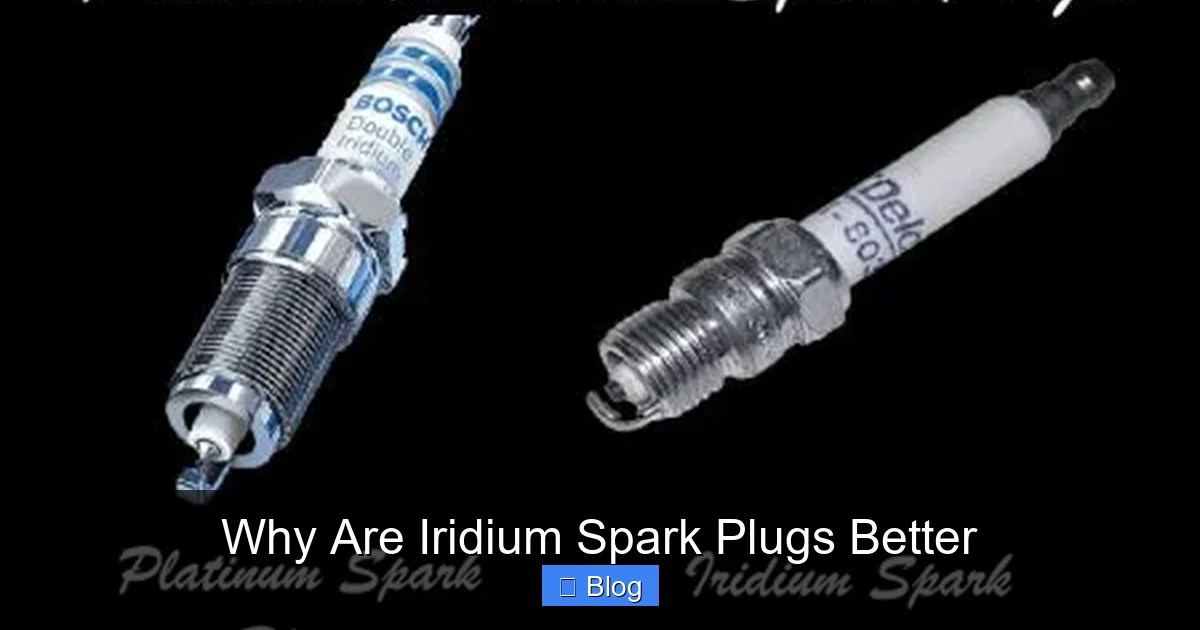
Visual guide about Why Are Iridium Spark Plugs Better
Image source: phoxband.com
Before diving into the benefits, let’s start with the basics. Iridium spark plugs are a premium type of spark plug made with a center electrode crafted from iridium—a rare, extremely hard metal with one of the highest melting points of any element (over 2,400°C or 4,352°F). This makes it incredibly resistant to wear and heat.
Unlike standard copper-core spark plugs, which use a thick copper electrode, iridium plugs feature a fine-wire electrode—sometimes as thin as a human hair. This design allows for a more precise and powerful spark with less voltage required from the ignition system.
Most modern iridium spark plugs also use a platinum or iridium-tipped ground electrode for added durability. The result? A spark plug that delivers consistent performance over a much longer lifespan.
How Iridium Spark Plugs Improve Engine Performance

Visual guide about Why Are Iridium Spark Plugs Better
Image source: mycarmakesnoise.com
Now that you know what they are, let’s explore how iridium spark plugs make your car run better.
1. Stronger, More Reliable Spark
The fine-wire center electrode in iridium plugs creates a sharper, more focused spark. This means the air-fuel mixture in your engine’s cylinders ignites more completely and efficiently. A stronger spark leads to:
– Smoother acceleration
– Reduced engine misfires
– Better throttle response
Even under high RPMs or heavy load—like towing or climbing hills—iridium plugs maintain consistent performance.
2. Better Fuel Efficiency
When combustion is more complete, your engine doesn’t have to work as hard to generate power. This translates to better fuel economy. While the improvement might seem small—typically 1–3%—it adds up over time, especially for drivers who log high mileage.
For example, if you drive 15,000 miles a year and your car gets 25 MPG, a 2% improvement could save you over 10 gallons of gas annually. That’s money back in your pocket and fewer trips to the pump.
3. Smoother Cold Starts
Ever notice your car hesitates or sputters when you start it on a chilly morning? That’s often due to weak or inconsistent spark during cold starts. Iridium’s superior conductivity and low voltage requirement mean it can fire reliably even when the engine is cold.
This is especially helpful for drivers in colder climates or those who take frequent short trips, where the engine doesn’t fully warm up.
Why Iridium Lasts Longer Than Other Spark Plugs
One of the biggest advantages of iridium spark plugs is their incredible lifespan.
Copper vs. Platinum vs. Iridium: A Lifespan Comparison
– Copper spark plugs: Last about 20,000–40,000 miles. They’re cheap but wear out quickly due to electrode erosion.
– Platinum spark plugs: Last around 60,000–100,000 miles. More durable than copper, but still prone to wear over time.
– Iridium spark plugs: Can last up to 100,000–120,000 miles—sometimes even longer with proper maintenance.
Because iridium is so hard and heat-resistant, the electrode doesn’t degrade as quickly. This means fewer replacements, less labor, and fewer chances of a misfire due to worn plugs.
Real-World Example
Imagine you drive 15,000 miles per year. With copper plugs, you’d need to replace them every 1.5–2 years. With iridium, you might go 7–8 years before needing a change. That’s a huge time and cost savings, especially if you pay a mechanic.
Are Iridium Spark Plugs Worth the Extra Cost?
Yes—especially if you plan to keep your car for several years.
While iridium spark plugs cost more upfront (typically $8–$15 per plug compared to $3–$6 for copper), their longevity and performance benefits often outweigh the initial investment.
Think of it like buying a high-quality pair of shoes. They cost more, but they last longer and perform better than cheap ones. The same logic applies here.
Cost-Benefit Breakdown
| Factor | Copper Plugs | Iridium Plugs |
|——–|————–|—————|
| Price per plug | $3–$6 | $8–$15 |
| Lifespan | 20,000–40,000 miles | 100,000+ miles |
| Replacement frequency | Every 1–2 years | Every 6–8 years |
| Fuel efficiency | Standard | Improved by 1–3% |
| Performance | Adequate | Smoother, more responsive |
Over time, the lower replacement frequency and improved efficiency make iridium plugs a smarter long-term choice.
How to Choose the Right Iridium Spark Plugs
Not all iridium spark plugs are created equal. Here’s how to pick the best ones for your vehicle.
Step 1: Check Your Owner’s Manual
Your vehicle’s manufacturer specifies the correct spark plug type, heat range, and gap size. Look for recommendations under “Maintenance” or “Specifications.”
Some modern cars are factory-equipped with iridium plugs, so you may already be running them.
Step 2: Match the Heat Range
The heat range determines how well the plug dissipates heat. Using the wrong heat range can cause pre-ignition (too hot) or fouling (too cold). Stick to the manufacturer’s recommendation.
Step 3: Verify the Thread Size and Reach
Spark plugs come in different thread diameters (e.g., 14mm, 18mm) and reach lengths. Installing a plug with the wrong reach can damage your engine.
Step 4: Choose a Trusted Brand
Stick with reputable brands like NGK, Denso, Bosch, or ACDelco. These companies invest in research and quality control, ensuring reliable performance.
Step 5: Consider the Electrode Design
Look for iridium plugs with a fine-wire center electrode (usually 0.4–0.6mm in diameter). Some also feature a tapered ground electrode for better flame propagation.
How to Install Iridium Spark Plugs (Step-by-Step)
Installing spark plugs is a straightforward job—if you follow the right steps.
Tools You’ll Need
- Spark plug socket (usually 5/8″ or 13/16″)
- Socket wrench or ratchet
- Torque wrench (recommended)
- Gap tool (if plugs aren’t pre-gapped)
- Dielectric grease (optional, for boot protection)
- Compressed air or brush (to clean debris)
Step 1: Let the Engine Cool
Never change spark plugs on a hot engine. Wait at least 30–60 minutes after driving.
Step 2: Locate the Spark Plugs
Open the hood and find the spark plug wires or coil packs. They’re usually connected to the top of the engine, one per cylinder.
Step 3: Remove the Old Plugs
– Disconnect the coil pack or wire by pulling gently on the boot (not the wire itself).
– Use compressed air to blow out any debris around the plug hole.
– Insert the spark plug socket and carefully loosen the plug counterclockwise.
– Remove and inspect the old plug for signs of wear or damage.
Step 4: Check and Adjust the Gap
Most iridium plugs come pre-gapped, but always double-check with a gap tool. Adjust only if necessary—never force the electrode.
Step 5: Install the New Plugs
– Hand-thread the new plug clockwise to avoid cross-threading.
– Tighten with the socket wrench. If using a torque wrench, follow the manufacturer’s specification (usually 10–20 ft-lbs).
– Reattach the coil pack or wire, ensuring a snug fit.
Step 6: Test the Engine
Start the car and listen for smooth operation. If it runs rough, double-check connections and torque.
Troubleshooting Common Issues
Even with the best plugs, problems can arise. Here’s how to handle them.
Engine Still Misfires After Replacement?
- Check for cracked coils or damaged wires.
- Ensure plugs are properly gapped and torqued.
- Verify you’re using the correct plug type.
Plugs Fouling Prematurely?
- This could indicate oil leaks, rich fuel mixture, or short-trip driving.
- Have your mechanic inspect for underlying engine issues.
Hard Starting in Cold Weather?
- Even with iridium plugs, weak batteries or failing coils can cause issues.
- Test your battery and charging system.
Conclusion: Make the Upgrade to Iridium
So, why are iridium spark plugs better? Because they offer a winning combination of durability, performance, and efficiency that standard plugs simply can’t match. Whether you’re looking to improve fuel economy, extend maintenance intervals, or just enjoy a smoother ride, upgrading to iridium is a smart move.
While the upfront cost is higher, the long-term benefits—fewer replacements, better engine performance, and reduced emissions—make iridium spark plugs a worthwhile investment for most drivers.
If your vehicle is due for a spark plug change, consider making the switch. Your engine—and your wallet—will thank you.

Sagor Jahan is the founder and author of Automopromo.com, dedicated to delivering insightful tips, reviews, and updates in the automotive and promotional industry. With a passion for innovation and clear guidance, Sagor helps readers make informed decisions and stay ahead in the ever-evolving automotive world.