
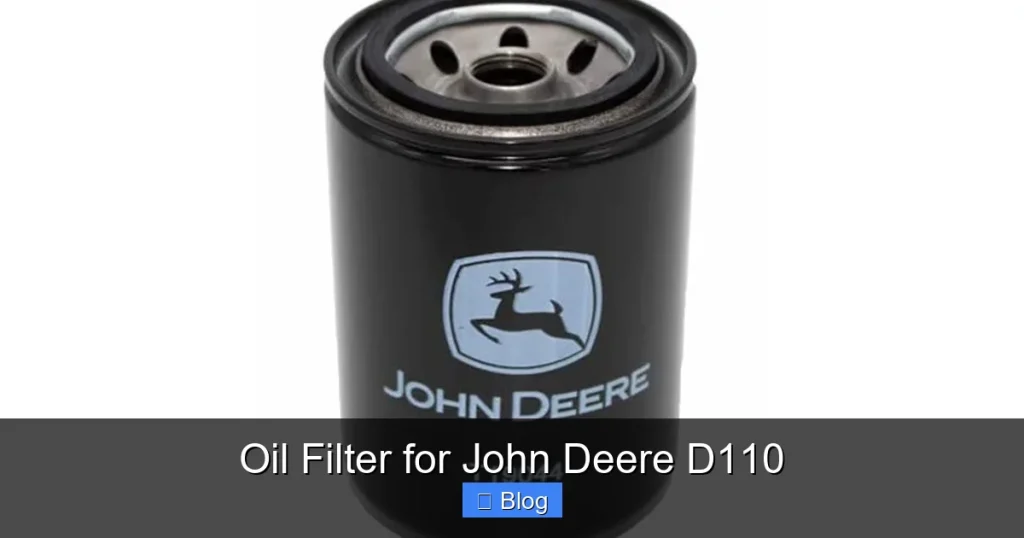
Choosing the correct oil filter for your John Deere D110 is essential for engine health and performance. This guide covers everything from OEM recommendations to installation tips and maintenance schedules, helping you keep your mower in top shape season after season.
If you own a John Deere D110 lawn tractor, you already know it’s a reliable workhorse built for mowing lawns with precision and power. But like any engine-powered machine, it needs regular care to keep performing at its best. One of the most overlooked—yet critically important—components in your D110’s maintenance routine is the oil filter. Skipping or mishandling this small part can lead to big problems down the line, from reduced engine efficiency to complete engine failure.
The oil filter plays a vital role in protecting your engine by trapping dirt, metal particles, and other contaminants that circulate with the engine oil. Over time, these impurities can cause wear on internal components like pistons, bearings, and camshafts. A clean, functioning oil filter ensures that only clean oil lubricates your engine, helping it run smoother, cooler, and longer. For the John Deere D110, which uses a 17.5 HP Briggs & Stratton Intek engine, selecting the right oil filter isn’t just a suggestion—it’s a necessity.
Key Takeaways
- Use OEM or compatible filters: Stick with John Deere’s recommended oil filter (TY22447) or trusted aftermarket equivalents for optimal performance.
- Replace during every oil change: Always install a new oil filter when changing oil—typically every 50 hours or once per season.
- Check compatibility carefully: Not all filters labeled “for John Deere” fit the D110—verify part numbers before purchasing.
- Proper installation prevents leaks: Hand-tighten the filter and lubricate the gasket with fresh oil to avoid over-tightening or leaks.
- Regular maintenance extends engine life: Clean oil and a fresh filter reduce wear, improve fuel efficiency, and prevent costly repairs.
- Store spare filters properly: Keep unused filters in a cool, dry place away from dirt and moisture to maintain integrity.
- Watch for warning signs: Low oil pressure, unusual engine noise, or oil leaks may indicate a failing filter.
Quick Answers to Common Questions
What oil filter fits a John Deere D110?
The recommended oil filter for the John Deere D110 is the OEM part number TY22447. Compatible aftermarket options include Fram PH6 and Purolator PL14610.
How often should I change the oil filter on my D110?
Replace the oil filter every 50 hours of operation or at least once per mowing season, whichever comes first.
Can I reuse an oil filter?
No, oil filters are designed for single use. Reusing a filter reduces efficiency and can lead to engine damage.
What happens if I don’t change the oil filter?
A clogged or old filter can restrict oil flow, cause low oil pressure, increase engine wear, and potentially lead to engine failure.
Do I need to add oil after changing the filter?
Yes, the new filter will hold some oil, so always check and top off the oil level after installation.
📑 Table of Contents
Why the Right Oil Filter Matters for Your John Deere D110
Your D110’s engine depends on clean oil to function properly. Without a quality oil filter, sludge and debris can build up, leading to increased friction, overheating, and premature engine wear. Think of the oil filter as the kidneys of your mower’s engine—it filters out the bad stuff so the good stuff (clean oil) can do its job.
Using the correct oil filter ensures proper oil flow and pressure. A poorly designed or incompatible filter might restrict oil flow, causing low oil pressure warnings or even engine damage. On the flip side, a high-quality filter traps contaminants effectively without restricting flow. This balance is crucial for the longevity of your D110’s engine, especially if you use your mower frequently or in dusty conditions.
Signs You Need a New Oil Filter
Even if you’re diligent about oil changes, it’s smart to watch for signs that your oil filter may be failing. Common indicators include:
- Dark, gritty oil when checking the dipstick
- Unusual engine noises like knocking or ticking
- Oil leaks around the filter area
- Reduced engine performance or stalling
- Check engine or oil pressure warning lights (if equipped)
If you notice any of these symptoms, don’t wait—inspect and replace the oil filter immediately.
OEM vs. Aftermarket Oil Filters: What’s the Difference?
Visual guide about Oil Filter for John Deere D110
Image source: cdn.ecommercedns.uk
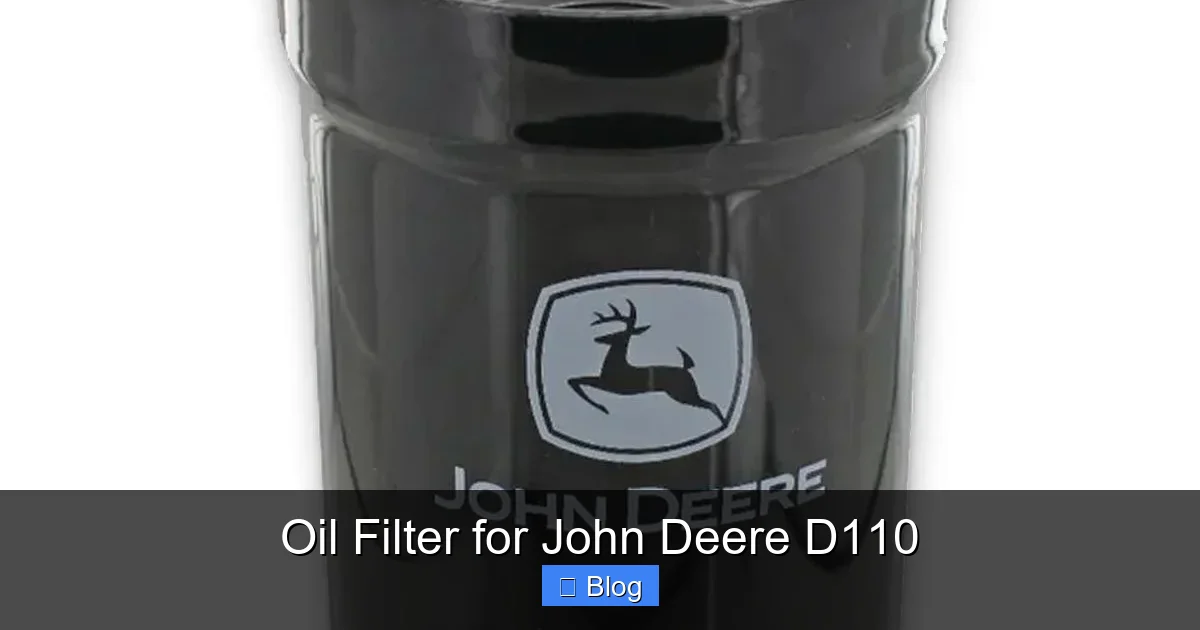
When shopping for an oil filter for your John Deere D110, you’ll likely come across two main options: OEM (Original Equipment Manufacturer) and aftermarket filters. Understanding the difference can help you make a smart, cost-effective choice.
OEM filters are made by John Deere or their authorized partners and are designed specifically for your D110. The official part number for the D110 oil filter is TY22447. These filters meet exact specifications for fit, flow rate, and filtration efficiency. While they tend to be slightly more expensive, many owners prefer them for peace of mind and guaranteed compatibility.
Aftermarket filters, on the other hand, are produced by third-party manufacturers like Fram, Purolator, or Kohler. Some are excellent quality and offer comparable performance at a lower price. However, not all aftermarket filters are created equal. Look for reputable brands and verify that the filter is listed as compatible with the John Deere D110 and the Briggs & Stratton 17.5 HP engine.
Top Recommended Oil Filters for the D110
Here are a few top-rated options:
- John Deere TY22447: The gold standard—perfect fit and performance.
- Fram PH6: A popular aftermarket choice with good reviews for filtration and value.
- Purolator PL14610: Known for high dirt-holding capacity and reliable sealing.
- K&N HP-6: Reusable and high-flow, ideal for frequent users.
Always double-check compatibility before purchasing, especially if buying online.
How to Replace the Oil Filter on a John Deere D110
Visual guide about Oil Filter for John Deere D110
Image source: i.ebayimg.com
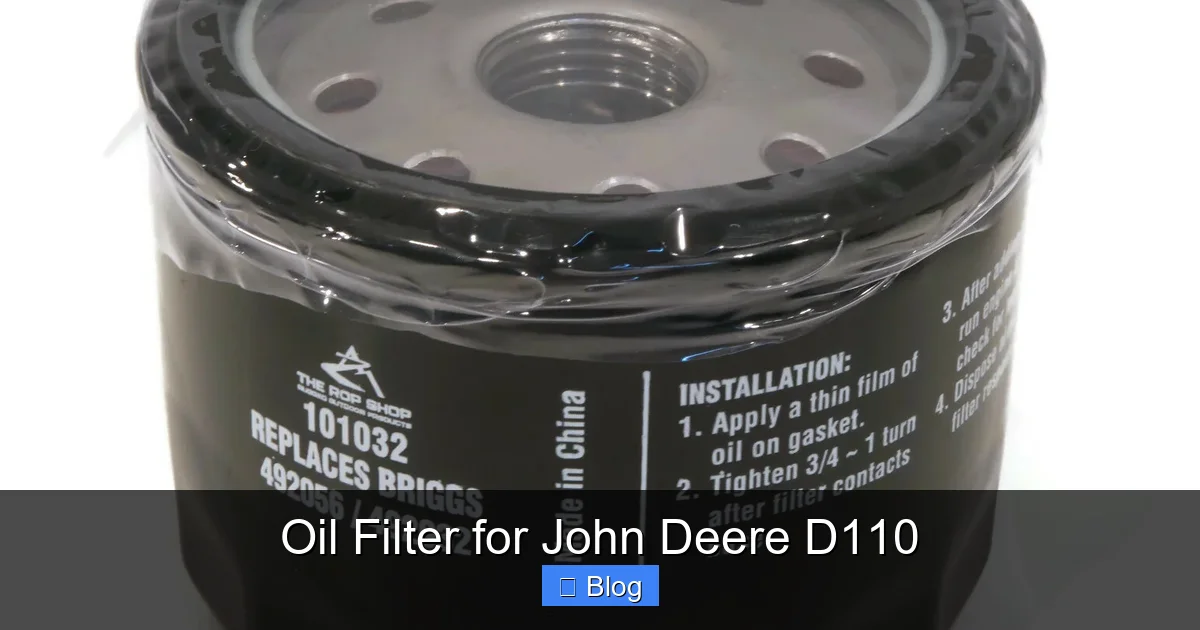
Replacing the oil filter on your D110 is a straightforward process that takes about 15–20 minutes. With the right tools and a little know-how, you can do it yourself without visiting a dealer.
Tools and Supplies You’ll Need
Before starting, gather these items:
- New oil filter (TY22447 or compatible)
- Fresh engine oil (SAE 10W-30, 48 oz recommended)
- Oil drain pan
- Socket wrench or oil filter wrench
- Funnel
- Clean rag or paper towels
- Gloves (optional but recommended)
Step-by-Step Replacement Guide
Follow these steps for a smooth oil and filter change:
- Warm up the engine: Run the mower for 5–10 minutes to warm the oil, making it easier to drain.
- Turn off and cool slightly: Shut off the engine and let it cool for a few minutes—hot oil can cause burns.
- Locate the oil drain plug: It’s underneath the mower, near the front of the engine. Place the drain pan beneath it.
- Drain the old oil: Remove the drain plug and let the oil flow completely into the pan. This may take 5–10 minutes.
- Remove the old filter: Use an oil filter wrench if needed. Turn counterclockwise to loosen. Be ready for some oil spillage.
- Prepare the new filter: Lightly coat the rubber gasket on the new filter with fresh oil. This helps create a proper seal.
- Install the new filter: Screw it on by hand until snug. Do not overtighten—this can damage the gasket or make future removal difficult.
- Reinstall the drain plug: Once oil is fully drained, replace the plug and tighten securely.
- Add fresh oil: Use a funnel to pour in approximately 48 ounces of SAE 10W-30 oil. Check the dipstick and add more if needed.
- Start and check for leaks: Run the engine for 1–2 minutes, then turn it off and inspect for leaks around the filter and drain plug.
Maintenance Tips to Maximize Filter and Engine Life
Replacing the oil filter is just one part of a complete maintenance routine. To get the most out of your D110, follow these best practices:
Follow the Manufacturer’s Schedule
John Deere recommends changing the oil and filter every 50 hours of operation or at least once per mowing season—whichever comes first. If you mow frequently or in dusty, sandy, or wet conditions, consider changing it more often.
Use Quality Oil
Pair your new filter with high-quality engine oil. SAE 10W-30 is the recommended viscosity for most climates. Avoid using automotive oil unless it’s specifically rated for small engines—some additives can harm lawn mower engines.
Keep the Mower Clean
Debris buildup around the engine and air intake can increase contamination. Regularly clean the underside of the deck, the engine shroud, and the air filter to reduce the load on your oil filter.
Store Properly Off-Season
Before storing your D110 for winter, perform a full oil and filter change. Old oil contains acids and contaminants that can corrode internal parts over time.
Troubleshooting Common Oil Filter Issues
Even with proper maintenance, issues can arise. Here’s how to handle common problems:
Oil Leaks After Installation
This is often caused by a damaged gasket, overtightening, or failing to lubricate the new filter’s seal. If you notice a leak, turn off the engine, drain the oil, and reinstall the filter correctly.
Filter Won’t Come Off
Old filters can seize due to heat and corrosion. Use an oil filter wrench or strap tool for extra grip. As a last resort, carefully puncture the filter with a screwdriver and use it as a lever—but be cautious not to damage the engine.
Engine Runs Rough After Change
This could indicate air in the oil system or incorrect oil level. Check the dipstick and ensure the oil level is within the safe range. Let the engine run for a few minutes to circulate oil fully.
Conclusion
Taking care of your John Deere D110 doesn’t have to be complicated. By choosing the right oil filter, replacing it on schedule, and following proper installation techniques, you’ll protect your engine and enjoy years of reliable mowing. Whether you go with the OEM TY22447 filter or a trusted aftermarket alternative, the key is consistency and attention to detail.
Remember, a small investment in a quality oil filter today can save you hundreds in engine repairs tomorrow. So next time you’re prepping your D110 for the mowing season, don’t skip the oil filter—it’s one of the simplest and most effective ways to keep your mower running like new.
Frequently Asked Questions
Can I use a different brand oil filter on my D110?
Yes, as long as the filter is compatible with the John Deere D110 and the Briggs & Stratton 17.5 HP engine. Look for cross-referenced part numbers and reputable brands.
Is it necessary to change the oil and filter at the same time?
Yes, always replace the oil filter when changing the oil. The filter traps contaminants from the old oil, so installing a new one ensures maximum protection.
What type of oil should I use with the new filter?
Use SAE 10W-30 small engine oil. Avoid automotive oils unless they are specifically formulated for lawn and garden equipment.
How do I know if my oil filter is clogged?
Signs include dark, dirty oil, engine noise, poor performance, or oil pressure warnings. A clogged filter restricts oil flow and should be replaced immediately.
Can I hand-tighten the oil filter, or do I need a wrench?
Hand-tighten the filter until snug. Use a wrench only if it won’t turn by hand—overtightening can damage the seal and cause leaks.
Where is the oil filter located on the D110?
The oil filter is mounted on the side of the engine, near the oil pan. It’s a cylindrical component with a threaded base that screws into the engine block.

Sagor Jahan is the founder and author of Automopromo.com, dedicated to delivering insightful tips, reviews, and updates in the automotive and promotional industry. With a passion for innovation and clear guidance, Sagor helps readers make informed decisions and stay ahead in the ever-evolving automotive world.

