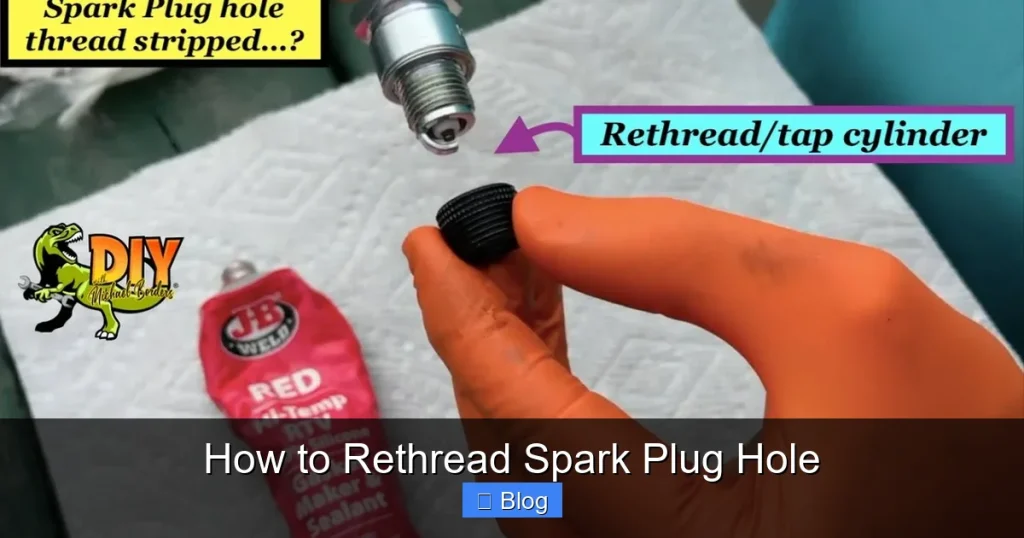
If you’ve got a stripped spark plug hole, don’t panic—rethreading it can restore your engine’s performance without a full overhaul. This guide walks you through every step, from gathering tools to finishing touches, so you can tackle the job confidently at home. Expect to spend 1-2 hours and save hundreds on mechanic fees.
How to Rethread Spark Plug Hole
Hey there, fellow car enthusiast! If you’re dealing with a stubborn spark plug that won’t seat properly, chances are you’ve got a stripped or damaged spark plug hole. Don’t worry—this is a common issue, especially in older engines or after over-torquing a plug. In this guide, we’ll show you exactly how to rethread a spark plug hole step by step. By the end, you’ll have the confidence to fix it yourself, saving time and money. We’ll cover everything from tools to troubleshooting, so let’s get your engine purring again.
With the insert in, your spark plug hole is essentially reborn. This step is crucial for longevity—poor installation leads to repeats.
Key Takeaways
- Safety first: Always disconnect the battery and let the engine cool before starting to rethread a spark plug hole.
- Right tools matter: Use a quality thread repair kit like Heli-Coil for durable fixes on spark plug holes.
- Patience pays off: Rushing the rethreading process can lead to misalignment and further damage.
- Check compatibility: Match the thread size (e.g., 14mm for most cars) to avoid issues when rethreading spark plug holes.
- Prevent future problems: Apply anti-seize to new plugs after rethreading to keep spark plug holes clean.
- Know when to stop: If the damage is severe, consult a professional instead of attempting to rethread the spark plug hole yourself.
Quick Answers to Common Questions
What’s the best kit for beginners?
For first-timers rethreading a spark plug hole, go with a Heli-Coil kit—it’s user-friendly and widely available. It includes clear instructions and tools tailored for common sizes like 14mm.
Can I rethread without drilling?
No, drilling is usually needed to remove damaged threads fully. Skipping it leads to weak repairs—always follow the kit’s drill step for a solid rethread spark plug hole fix.
How long does rethreading take?
Plan for 1-2 hours, depending on access. Rushing increases errors, so take breaks if the engine bay is cramped during your spark plug hole rethread.
Is anti-seize always necessary?
Yes, especially in aluminum heads. It prevents galling and makes future removals easier when you’ve rethreaded the spark plug hole.
What if my plug breaks during removal?
Use an easy-out tool or extractor. If it’s deep, heat the area gently and tap it out—patience avoids worsening the damaged spark plug hole.
Reinstall the Spark Plug
Time to put it back together. Hand-thread the new plug first to check fit.
Torque It Down
Use your torque wrench to spec—consult your manual (often 15-20 ft-lbs for cars). Too loose, and it leaks; too tight, and you strip again.
Apply a thin layer of anti-seize to the threads (avoid the electrode). Reconnect the wire or coil securely.
Pro tip: If it’s an aluminum head, consider copper washers for extra sealing when rethreading spark plug holes.
Test and Final Checks
Reconnect the battery. Start the engine and listen for smooth idling. No misfires? Great job!
Visual guide about How to Rethread Spark Plug Hole
Image source: cararac.com
Monitor for Leaks
After a short drive, check for exhaust smoke or oil around the plug. If all’s well, you’re done rethreading the spark plug hole.
Run it for 50 miles, then retorque if needed. This ensures the fix holds.
Troubleshooting Common Issues
Things don’t always go perfectly. Here’s how to handle hiccups when trying to rethread a spark plug hole.

Visual guide about How to Rethread Spark Plug Hole
Image source: i.ytimg.com
Why Rethread a Spark Plug Hole?
Before diving in, let’s quickly chat about why this matters. A damaged spark plug hole can cause misfires, poor fuel economy, or even engine damage if ignored. Rethreading restores the threads, allowing a secure fit for your new plug. It’s a DIY-friendly task for most vehicles, but it requires precision. If you’re new to this, take your time—rushing can make things worse.
Common causes include using the wrong plug size, cross-threading, or aluminum heads that wear out faster. Whatever the reason, rethreading a spark plug hole is often the best fix short of replacing the cylinder head.
Gather Your Tools and Materials
Starting right means having everything ready. You’ll need a few basics to rethread the spark plug hole safely and effectively. Head to your local auto parts store or order online—most kits are affordable, around $20-50.
Key items include a thread repair kit (like Time-Sert or Heli-Coil, sized for your plug, usually 14mm x 1.25), a ratchet set, torque wrench, and safety gear. Don’t skimp on quality; cheap tools can slip and damage more.
Prepare Your Vehicle for the Job
Safety is non-negotiable when working on your engine. Park on a flat surface, engage the parking brake, and let the engine cool completely—hot metal is dangerous.
Disconnect the Battery
Pop the hood and disconnect the negative battery cable. This prevents accidental starts or electrical shocks while you rethread the spark plug hole.
Remove the Spark Plug Wire or Coil
Label the wires if needed, then gently pull off the boot or coil pack. Use a spark plug socket (with a rubber insert) to remove the old plug. Turn counterclockwise slowly to avoid breaking it.
If the plug is seized, spray penetrating oil and wait 10 minutes. Never force it—this could worsen the damaged spark plug hole.
Assess the Damage
With the plug out, shine a light into the hole. Look for stripped threads or debris. If it’s lightly damaged, rethreading will work great. For severe cases, like cracked heads, you might need pro help.
Clean the area with compressed air or a brush. This ensures a clean start when you rethread the spark plug hole. Pro tip: Take a photo for reference if comparing to your repair kit instructions.
Clean and Prep the Hole
Dirt is the enemy here. Use a shop vac to suck out any metal shavings or old gasket material from the spark plug hole.
Flush with Solvent
Spray brake cleaner or carb cleaner into the hole, then blow it dry. This removes oil residue that could gum up your new threads during rethreading.
Wear gloves—solvents are harsh. Let it air dry for a few minutes. A clean hole means a better bond when you rethread the spark plug hole.
Perform the Rethreading
Now for the main event: actually rethreading the spark plug hole. Follow your kit’s instructions closely, as sizes vary by engine (e.g., 10mm for small bikes, 14mm for cars).
Drill Out the Damaged Threads
Select the drill bit from your kit—it’s usually slightly larger than the original hole. Secure the drill in a right-angle attachment if space is tight. Drill slowly and straight to remove the bad threads. Stop when you hit the kit’s depth mark.
Go slow to avoid wandering, which could enlarge the spark plug hole too much. Vacuum debris immediately after.
Tap the New Threads
Insert the tap tool from the kit. Apply cutting oil for lubrication. Turn it clockwise by hand first, then use a ratchet. Advance 1-2 turns, then back off half a turn to clear chips.
Repeat until you reach full depth. This creates fresh threads for the insert. Check alignment often—misaligned taps ruin the rethreading job.
After tapping, blow out the hole again. You’re halfway there in rethreading the spark plug hole!
Install the Thread Insert
This is where the magic happens. Most kits use a self-tapping insert that locks in place.
Drive in the Insert
Load the insert onto the installation tool. Screw it in by hand until it seats, then tighten with the driver. It should be flush or slightly below the surface.
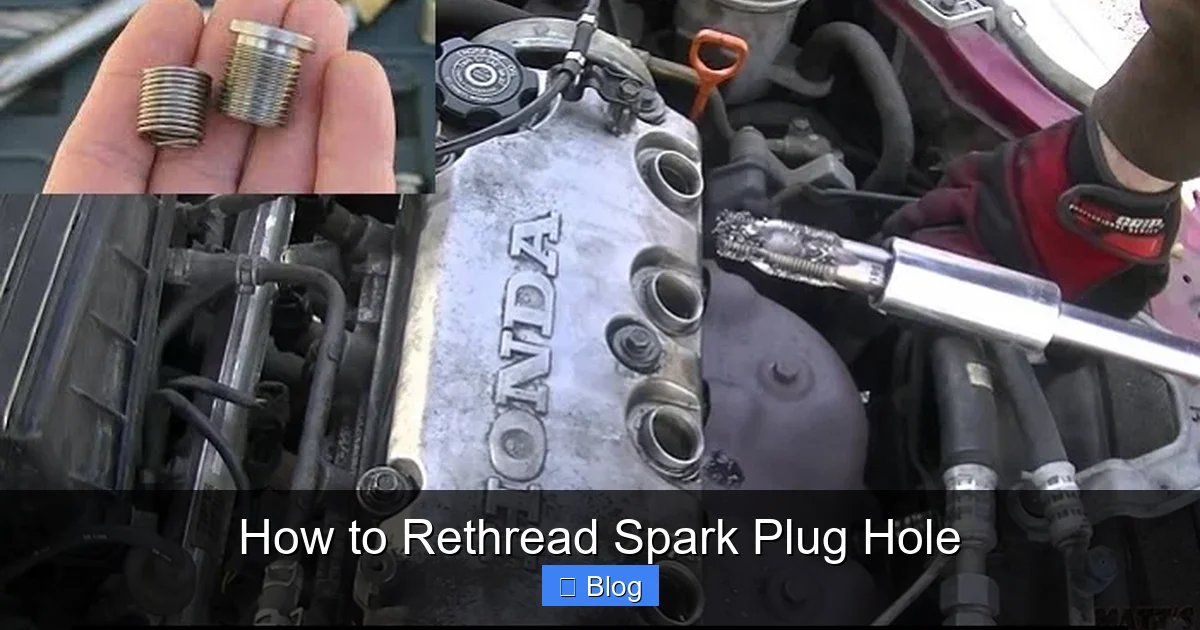
If using a Heli-Coil, wind it in carefully. Trim any excess with the kit’s tool. The insert now provides a strong, new thread path for your spark plug.
Test fit a plug (without fully installing) to ensure it threads smoothly. If not, you may need to re-tap.
Tools and Materials Quick Reference
| Tool/Material | Purpose | Notes |
|---|---|---|
| Thread Repair Kit (e.g., Heli-Coil 14mm) | Provides insert and tools to create new threads | Match to your engine’s spark plug size; costs $20-50 |
| Spark Plug Socket (3/8″ drive) | Removes old plug without damage | Get one with rubber liner for grip |
| Torque Wrench | Ensures proper tightening torque (10-20 ft-lbs typical) | Prevents over-torquing new plug |
| Drill and Tap Set | Cuts out damaged threads and forms new ones | Use kit-specific bits; lubricate with oil |
| Compressed Air or Shop Vac | Cleans debris from the hole | Essential for a clean rethreading process |
| Anti-Seize Compound | Prevents future corrosion in the hole | Apply sparingly to new plug threads |
| Safety Glasses and Gloves | Protects from metal shards and chemicals | Always wear during drilling and tapping |
Insert Won’t Seat: The hole might not be clean or tapped straight. Back it out, reclean, and retry. If stuck, use pliers gently.
Plug Still Loose: Double-check the insert depth. You may need a larger kit or professional oversize rethreading.
Engine Won’t Start Post-Fix: Verify wiring and gap on the new plug. Also, ensure no debris fell into the cylinder.
Overheating or Misfire: Torque was probably off—remove and reinstall. For persistent issues, scan for codes.
If the damage extends deep, like into the coolant jacket, stop and tow to a shop. Better safe than sorry.
Examples from real fixes: One buddy fixed his Ford’s 5.4L by drilling carefully, avoiding water jacket breach. Patience won the day.
Preventing Future Spark Plug Hole Damage
Once you’ve rethreaded the spark plug hole, keep it that way. Always use the correct plug torque—overdoing it by even 5 ft-lbs can strip aluminum.
Inspect plugs during tune-ups. If threads look worn, rethread early. For high-mileage engines, switch to iridium plugs—they’re gentler.
Store tools organized for next time. Regular maintenance saves headaches.
Conclusion
Congrats! You’ve just learned how to rethread a spark plug hole like a pro. This fix boosts reliability and keeps your ride running smooth. Remember, practice makes perfect—start with easier jobs if you’re green. If doubts creep in, a mechanic is a call away. Got questions? Drop a comment below. Safe wrenching!

Sagor Jahan is the founder and author of Automopromo.com, dedicated to delivering insightful tips, reviews, and updates in the automotive and promotional industry. With a passion for innovation and clear guidance, Sagor helps readers make informed decisions and stay ahead in the ever-evolving automotive world.