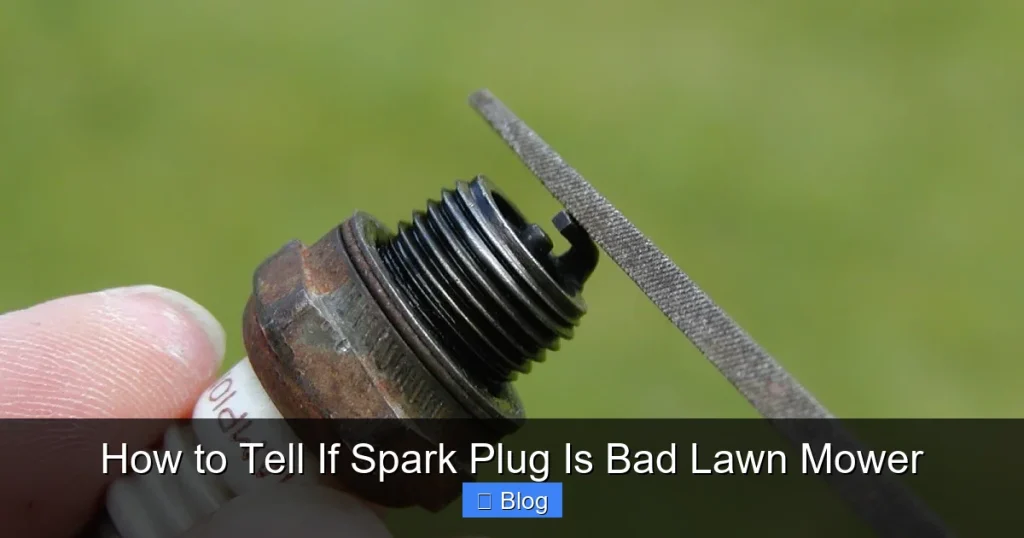
Is your lawn mower struggling to start or dying unexpectedly? Learning how to tell if spark plug is bad in lawn mower can save you time and money on repairs. This guide walks you through simple inspections and tests to diagnose spark plug issues quickly and effectively.
Key Takeaways
- Visual Inspection First: Always start by checking the spark plug for visible wear like fouling, cracks, or corrosion to spot a bad one early.
- Engine Symptoms Matter: Look for signs like hard starting, misfiring, or rough idling, which often point to a faulty spark plug in your lawn mower.
- Cleaning vs. Replacing: Minor fouling might be fixed with cleaning, but severe damage means it’s time for a new spark plug.
- Tools Are Simple: You only need basic tools like a socket wrench and spark plug tester to diagnose issues safely at home.
- Regular Maintenance Helps: Checking your spark plug annually prevents bigger problems and keeps your mower reliable.
- Safety Comes First: Disconnect the spark plug wire before any inspection to avoid accidental starts and injuries.
Quick Answers to Common Questions
How Often Should I Check the Spark Plug?
Inspect your spark plug at least once a season or every 25 hours of use. This catches issues early and keeps your mower starting reliably.
Can I Use Any Spark Plug Replacement?
No, always match the model number from your manual. Wrong types can cause poor performance or engine damage.
What If My Mower Starts But Runs Rough?
This often signals partial fouling. Clean the plug first, then test. If it persists, check the air filter or fuel quality.
Is It Safe to Test Spark Alone?
Yes, but use insulated tools and have a helper. Ground the plug properly to avoid shocks—better safe than zapped!
Does Weather Affect Spark Plugs?
Absolutely—wet conditions lead to corrosion. Store indoors and cover during rain to extend plug life.
Introduction
Hey there, fellow lawn enthusiast! If you’ve ever cranked your mower only to hear a weak sputter or nothing at all, you might be wondering how to tell if spark plug is bad in lawn mower. The spark plug is the tiny hero that ignites the fuel-air mix in your engine. When it’s bad, your mower can act up in frustrating ways. In this guide, we’ll walk you through everything you need to know—from spotting symptoms to performing simple tests and fixes. By the end, you’ll feel confident diagnosing and handling spark plug issues yourself. No more guessing games or pricey mechanic visits. Let’s dive in and get your mower roaring back to life!
Understanding the Role of a Spark Plug in Your Lawn Mower
Before we jump into diagnostics, it’s helpful to know what a spark plug does. In your lawn mower’s small engine, the spark plug creates a high-voltage spark that ignites the gasoline and air mixture. This powers the piston and keeps things running smoothly. A healthy spark plug looks clean with a light tan electrode. But over time, it can wear out due to heat, carbon buildup, or oil leaks.
Visual guide about How to Tell If Spark Plug Is Bad Lawn Mower
Image source: i.ytimg.com
When trying how to tell if spark plug is bad lawn mower, remember that most riding or push mowers use a single-cylinder engine with one plug. Issues here affect the whole machine. Common culprits include old fuel, dirty air filters, or just plain age. Spotting a bad one early prevents engine damage and keeps your yard looking sharp.
Safety Precautions Before Inspecting Your Spark Plug
Safety first—always! Working on a lawn mower engine can be straightforward, but one wrong move could lead to shocks or cuts. Start by parking your mower on a flat, stable surface. Let the engine cool down completely if it’s been running. This avoids burns from hot parts.
Visual guide about How to Tell If Spark Plug Is Bad Lawn Mower
Image source: i.pinimg.com
Disconnect the Spark Plug Wire
Grab the rubber boot on the spark plug wire and pull it straight off the plug. Never yank on the wire itself—it could break. This prevents accidental starts while you’re working. Tuck the wire away from the plug to avoid any sparks jumping back.
Gather Your Tools
You don’t need fancy gear. A socket wrench (usually 13/16-inch for most mowers), gloves, a wire brush, and maybe a spark plug gap tool are enough. Wear safety glasses too, in case debris flies. If you’re testing the spark, a spark plug tester is handy but not essential.
Pro tip: Work in good light, like under a garage bulb, so you can see details clearly. If your mower has a battery, disconnect the negative terminal for extra safety.
Step-by-Step Guide: How to Tell If Spark Plug Is Bad in Lawn Mower
Now, the fun part—diagnosing! We’ll break this into clear steps. Follow along, and you’ll know how to tell if spark plug is bad lawn mower in under 30 minutes. Take your time; rushing leads to mistakes.
Step 1: Check for Common Engine Symptoms
Before touching the plug, observe your mower’s behavior. Does it crank but not start? Or does it start then die quickly? These are classic signs of a bad spark plug. Misfiring—where the engine runs rough or backfires—often means weak spark. Rough idling or black smoke from the exhaust? That’s fouling from a dirty plug.
Example: Last summer, my neighbor’s mower wouldn’t start after sitting over winter. Turns out, the plug was gunked up from stale gas. Symptoms like these narrow it down fast.
Step 2: Locate and Remove the Spark Plug
Find the spark plug—it’s usually on the front or side of the engine, with a black wire leading to it. Use your socket wrench to loosen the plug counterclockwise. If it’s stuck, spray a bit of penetrating oil and wait 10 minutes. Gently pull it out and place it on a clean rag.
Inspect the area around the hole for oil or debris. Wipe the threads clean with a rag. This step is key in learning how to tell if spark plug is bad in lawn mower, as removal reveals the truth.
Step 3: Perform a Visual Inspection
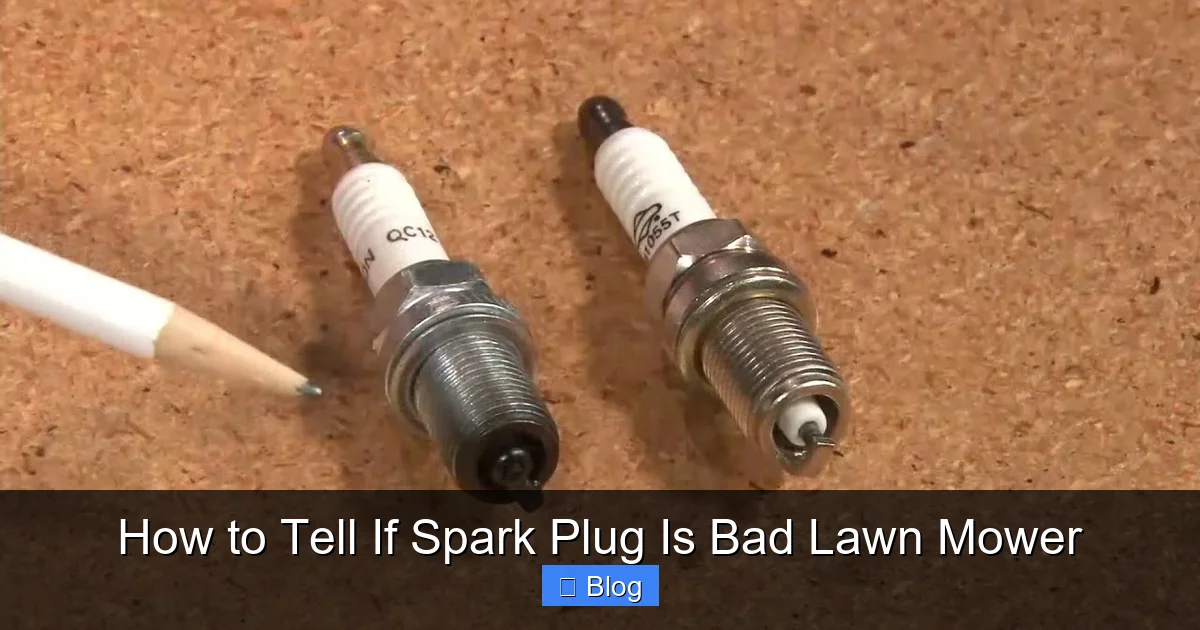
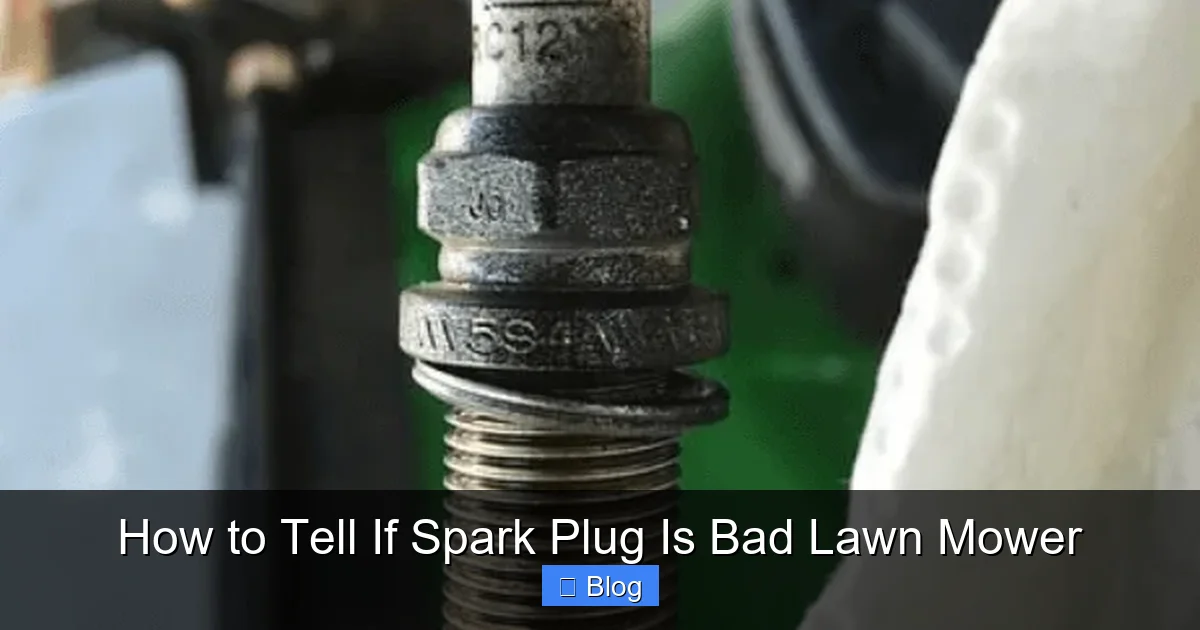
Hold the plug up to the light. A good one has a tan or gray electrode with no big deposits. Bad signs include:
- Black, sooty buildup (carbon fouling from rich fuel mix).
- White or light gray ash (overheating or wrong plug type).
- Oil residue (engine seal issues, not just the plug).
- Cracked porcelain or eroded electrode (worn out).
- Corroded or rusted parts (moisture exposure).
If it’s wet with fuel, that means no spark or flooding. Dry and clean? It might be okay, but test further. Practical tip: Compare it to a photo of a healthy plug online for reference.
Troubleshooting Cheat Sheet
Stuck on what you’re seeing? This quick reference table summarizes common visual cues and what they mean when you’re trying how to tell if spark plug is bad lawn mower. Use it to match your findings and decide next steps.
| Symptom | Description | Possible Cause | Action |
|---|---|---|---|
| Black sooty deposits | Heavy carbon buildup on electrode | Rich fuel mixture or incomplete combustion | Clean or replace; check carburetor |
| White/gray ash | Dry, powdery coating | Overheating from lean mix or wrong gap | Replace and adjust fuel/air ratio |
| Oil fouling | Wet, oily residue | Engine oil leak past piston rings | Replace plug; inspect engine seals |
| Cracked insulator | Visible crack in porcelain | Impact or heat stress | Always replace immediately |
| Eroded electrode | Worn, rounded tip | Normal wear after 100+ hours | Replace with correct spec plug |
| Corrosion/rust | Greenish or reddish spots | Moisture or improper storage | Clean if mild; replace if severe |
Step 4: Test the Spark Plug
Visuals aren’t everything—test for spark! Reattach the wire to the plug. Hold the metal base (not the threads) against the engine block with insulated pliers or a rubber glove for safety. Have a helper pull the starter cord while you watch for a bright blue spark across the gap.
No spark or a weak yellow one? The plug is bad. If it sparks fine, the issue might be elsewhere, like wiring or coil. Example: I once tested a plug that looked okay but had no zap—replacing it fixed the no-start problem instantly.
Step 5: Check the Spark Plug Gap
Even if it looks good, the gap might be off. Use a gap tool to measure the distance between electrodes. Most lawn mowers need 0.020 to 0.030 inches—check your manual. If wrong, gently bend the side electrode to adjust.
Tip: Too wide a gap weakens the spark; too narrow prevents it. This simple check often revives a “bad” plug.
Cleaning and Replacing a Bad Spark Plug
If the plug is mildly fouled, try cleaning. Remove deposits with a wire brush and carb cleaner spray. Avoid getting solvent on the electrode. Dry it thoroughly, regap, and reinstall. Torque to 15-20 foot-pounds—hand-tight plus a quarter turn.
For severe issues, replace it. Buy the exact match for your mower model (like Champion RJ19LM for many Briggs engines). Installation is reverse of removal. After, run the mower and listen for smooth operation.
Practical example: On my old push mower, cleaning saved the plug once, but last year I replaced it after noticing persistent misfires. Cost me under $5, and it ran like new.
Troubleshooting Beyond the Spark Plug
Sometimes, the plug isn’t the only villain. If tests show it’s good, check these:
- Fuel System: Old gas clogs things—drain and refill with fresh, ethanol-free fuel.
- Air Filter: A dirty one starves the engine; clean or swap it.
- Ignition Coil: If no spark persists, the coil might be failing—test with a multimeter.
- Battery/Starter: For electric-start mowers, weak battery mimics plug issues.
If symptoms continue after replacement, it could be deeper engine trouble. Time to call a pro. Regular checks every 25 hours of use prevent this.
Preventive Maintenance Tips
To avoid asking how to tell if spark plug is bad lawn mower next season, maintain proactively. Change the plug yearly or every 100 hours. Store your mower dry to prevent corrosion. Use fuel stabilizer in the tank over winter. Keep records of service—it’s a game-changer for reliability.
Friendly reminder: Clean around the plug area during oil changes to spot leaks early. Your mower will thank you with fewer headaches.
Conclusion
There you have it—a complete rundown on how to tell if spark plug is bad in lawn mower. From safety basics to spark tests, these steps empower you to tackle issues head-on. Remember, a quick inspection can turn a dead mower into a yard warrior. If you’re unsure, start small and build confidence. Happy mowing, and enjoy that fresh-cut grass scent!

Sagor Jahan is the founder and author of Automopromo.com, dedicated to delivering insightful tips, reviews, and updates in the automotive and promotional industry. With a passion for innovation and clear guidance, Sagor helps readers make informed decisions and stay ahead in the ever-evolving automotive world.