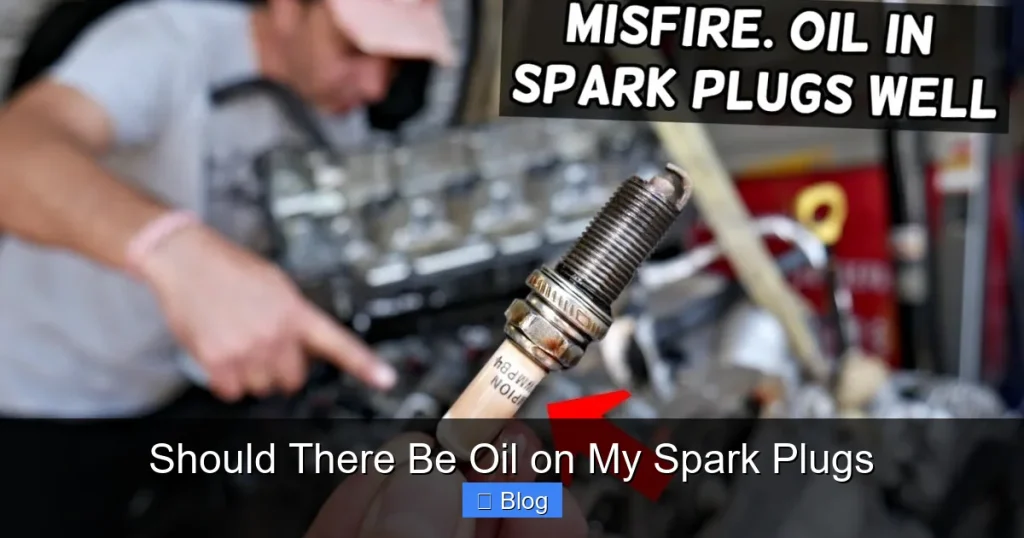
Oil on spark plugs isn’t normal and often signals engine issues like worn seals or gaskets. This guide explains why it happens, how to check your plugs safely, and steps to resolve it before major damage occurs. Regular maintenance can prevent costly repairs, keeping your vehicle running smoothly.
Key Takeaways
- Oil on spark plugs is not normal: It usually indicates leaks from valve covers, piston rings, or head gaskets, which can lead to poor performance or engine failure if ignored.
- Regular checks are essential: Inspect spark plugs every 30,000 miles or during tune-ups to catch problems early and avoid breakdowns.
- Common causes include wear and tear: Aging seals and gaskets are frequent culprits, but overheating or improper installation can also contribute.
- DIY inspection is straightforward: With basic tools, you can remove and examine plugs to spot oil fouling without a mechanic visit.
- Fixes range from simple to complex: Minor issues like a bad valve cover gasket can be a quick DIY job, while ring problems may need professional help.
- Prevention saves money: Use quality parts, follow maintenance schedules, and watch for symptoms like smoke or misfires to keep oil off your plugs.
Quick Answers to Common Questions
How often should I check for oil on spark plugs?
Inspect every 30,000 miles or during oil changes. Early detection prevents bigger problems and keeps your engine healthy.
Can I drive with oily spark plugs?
Short distances only— it risks misfires and damage. Get it fixed ASAP to avoid stranding yourself.
What’s the cost of fixing oil on plugs?
Simple gasket swaps run $50-200 DIY. Complex repairs like seals can hit $500+. Shop around for quotes.
Does synthetic oil cause more fouling?
No, but it can highlight leaks since it’s cleaner-burning. Stick to your manual’s recommendations.
Tip: Clean plugs before reinstalling?
Yes, use a wire brush for light deposits. Avoid sandblasting insulators—they’re fragile.
Introduction: Understanding If There Should Be Oil on Your Spark Plugs
Hey there, fellow car enthusiast. If you’ve ever popped open your engine and wondered, “Should there be oil on my spark plugs?”, you’re not alone. Spark plugs are key to your engine’s ignition, and oil on them is a red flag. In this guide, we’ll dive into what it means, why it happens, and how to handle it step by step. By the end, you’ll know how to inspect, diagnose, and fix the issue yourself—or when to call in the pros. We’ll keep things simple, with practical tips to save you time and money. Let’s get your engine firing right.
Why Spark Plugs Matter and What Oil on Them Tells You
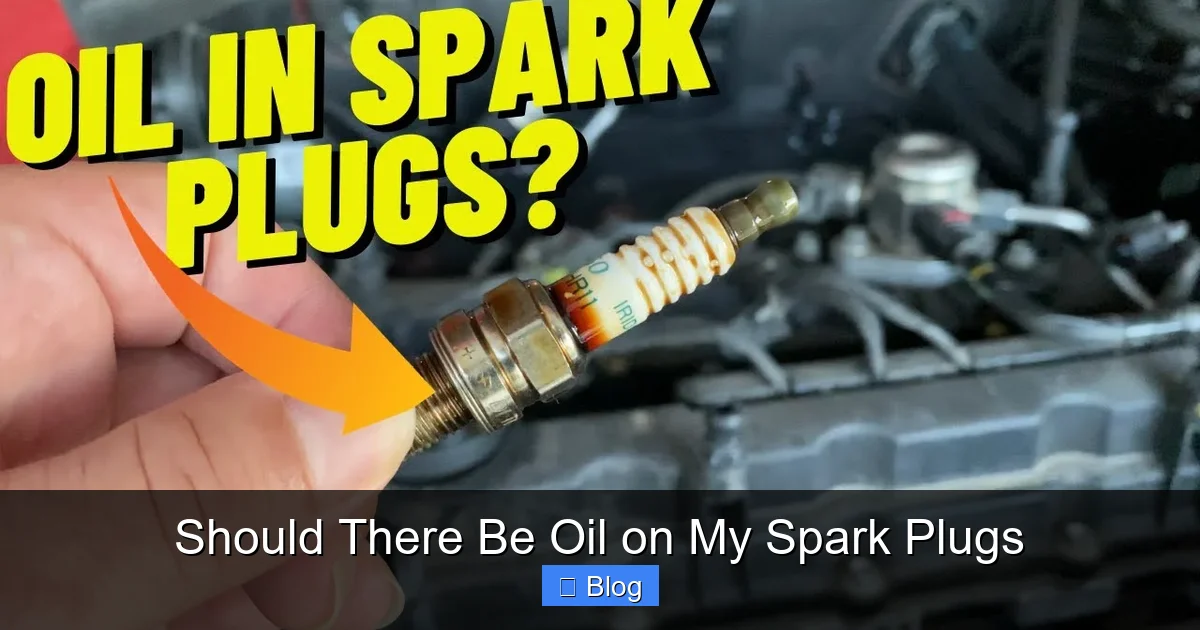
Spark plugs ignite the air-fuel mix in your engine’s cylinders. They need to stay clean and dry to work properly. So, should there be oil on my spark plugs? The short answer is no. Oil fouling means something’s leaking into the combustion chamber or around the plug threads. This can cause misfires, rough idling, or even hydrolock in bad cases.
Visual guide about Should There Be Oil on My Spark Plugs
Image source: carobjective.com
Oil on the plug’s electrode or insulator looks wet and shiny, often black or brown. It might smell like burned oil too. Spotting this early prevents bigger headaches, like reduced fuel efficiency or engine damage. Think of it as your car’s way of saying, “Hey, check me out!”
Signs Your Spark Plugs Might Have Oil
- Blue smoke from the exhaust—classic sign of burning oil.
- Engine misfires or hesitation during acceleration.
- Loss of power or poor gas mileage.
- Fouled plugs during routine checks.
If you’re noticing these, it’s time to inspect. Don’t worry; it’s a beginner-friendly task with the right steps.
How to Safely Inspect Your Spark Plugs for Oil
Before we jump into fixes, let’s learn how to check if there should be oil on your spark plugs. This process takes about 30-60 minutes and requires minimal tools. Always work on a cool engine to avoid burns. Park on a flat surface, and disconnect the battery for safety.
Visual guide about Should There Be Oil on My Spark Plugs
Image source: mechanicsdiary.com
Step 1: Gather Your Tools and Prepare
Start by rounding up what you need. A spark plug socket (usually 5/8-inch), ratchet wrench, torque wrench, and anti-seize compound are basics. You’ll also want dielectric grease, gloves, and a clean rag. Consult your owner’s manual for the exact plug location and specs—cars vary!
For example, in a typical four-cylinder engine, plugs are accessible from the top. If yours has coils on each plug, note their positions to avoid mix-ups later.
Step 2: Locate and Remove the Spark Plugs
Open the hood and find the ignition coils or wires leading to the plugs. Gently twist and pull off the coil or wire—don’t yank! Use the socket and ratchet to loosen each plug counterclockwise. Turn slowly to avoid stripping threads.
Pro tip: Number the plugs with tape (1, 2, etc.) as you go, matching firing order. This ensures you reinstall correctly. If a plug sticks, spray a bit of penetrating oil and wait 10 minutes.
Step 3: Examine the Plugs for Oil
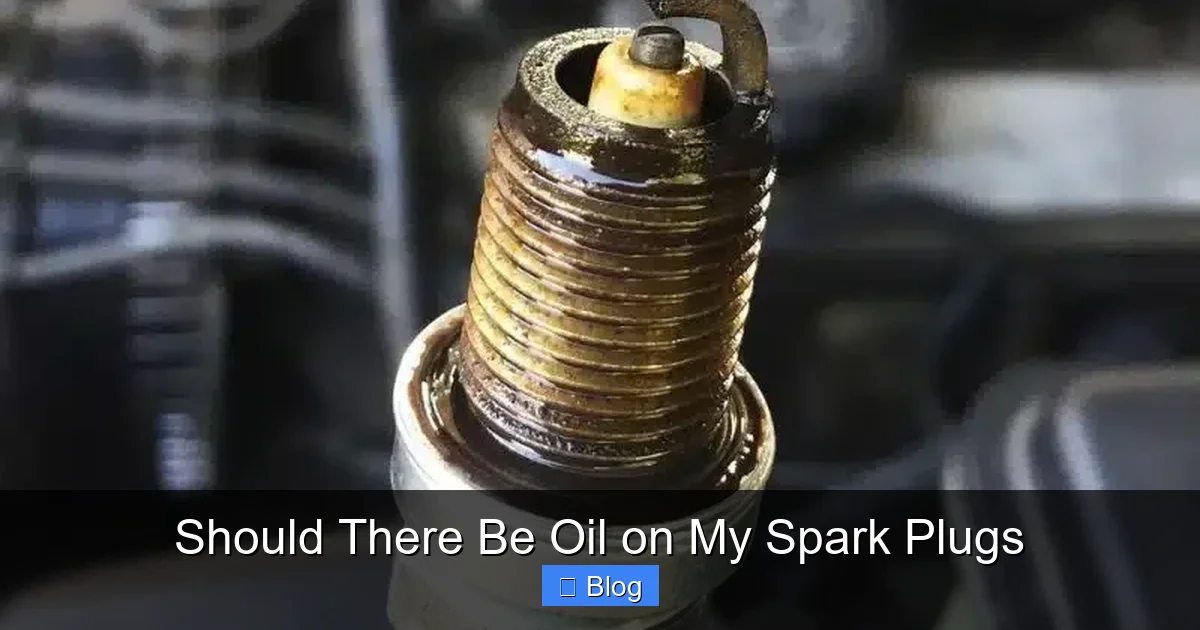
Hold each plug up to the light. Look for oil on the center electrode, the threaded area, or the porcelain insulator. Dry, tan deposits are normal from combustion. But oily, wet residue? That’s trouble.
Take photos for reference if you’re unsure. Compare to healthy plugs online—resources like YouTube show clear examples. If all plugs are oily, suspect a widespread issue like piston rings. If just one or two, it might be a valve seal problem.
After checking, clean reusable plugs with a wire brush if no major damage. But if oil is present, don’t reinstall yet—move to diagnosis.
Common Causes of Oil on Spark Plugs
Now that you’ve inspected, let’s figure out why oil is sneaking in. Should there be oil on my spark plugs? Absolutely not—it’s a symptom of leaks or wear. Understanding the root cause helps you fix it right.
The most common culprit is a failing valve cover gasket. This rubber seal sits atop the cylinder head. Over time, heat and age crack it, letting oil seep down to the plugs. Another frequent issue: worn valve stem seals. These prevent oil from dripping into the cylinders while the engine’s off. If they’re shot, oil pools on the plugs.
Deeper problems include bad piston rings or a blown head gasket. Piston rings seal the combustion chamber; worn ones let oil past. A head gasket failure mixes oil with coolant, creating a milky mess on plugs. Less common: cracked blocks or improper plug installation from prior work.
Real-world example: I once helped a friend with a 2005 Honda Civic. Blue smoke led to oily plugs—turned out to be valve seals after 150,000 miles. A $300 fix saved the engine.
Troubleshooting Cheat Sheet
Diagnosing oil on spark plugs can feel overwhelming, but this quick reference table breaks it down. Use it to match symptoms to likely causes and first steps. It focuses on the most common scenarios you’ll encounter during your inspection.
| Problem | Symptoms | Likely Cause | Fix |
|---|---|---|---|
| Oil on plug threads only | Minor leaks, no smoke | Valve cover gasket wear | Replace gasket ($20-50 DIY, 1-2 hours) |
| Wet oil on electrode | Blue exhaust smoke, misfires | Worn valve stem seals | Replace seals (pro job, $200-500, engine out) |
| Milky oil residue | Overheating, white smoke | Blown head gasket | Replace gasket (major repair, $1,000+, shop recommended) |
| Oil on all plugs | High oil use, power loss | Worn piston rings | Ring replacement or engine rebuild ($1,500+) |
| Spotty oil after tune-up | Recent work, no other signs | Improper installation | Re-torque plugs, check torque specs |
| Oil with carbon buildup | Rough idle, poor mileage | PCV valve clog | Clean or replace PCV ($10-20, 30 min) |
| Excessive oil near coils | Oil pooling externally | Cracked valve cover | Inspect and replace cover ($50-100) |
Refer to this table after your inspection. It covers 3-8 typical rows of issues, helping you pinpoint if there should be oil on your spark plugs (spoiler: no) and what to do next.
Step-by-Step Fixes for Oil on Spark Plugs
Once you’ve identified the cause, it’s fix time. Start simple and escalate if needed. Remember, if you’re not comfy with engine work, a mechanic is your friend—repairs can run $100-2,000 depending on severity.
Fix 1: Replacing the Valve Cover Gasket
This is a common, DIY-friendly job for oil on plug threads. First, remove the valve cover bolts (usually 8-10). Clean the mating surfaces with a plastic scraper—no metal to avoid scratches. Install the new gasket, dry or with sealant as specified.
Torque bolts in a crisscross pattern to spec (often 8-10 ft-lbs). Reinstall coils and plugs. Tip: Change your oil afterward to flush debris. Test drive and recheck for leaks.
Fix 2: Addressing Valve Stem Seals
For oil on electrodes, seals are likely. This requires removing the camshaft or rocker arms—trickier. Use a seal puller and driver tool. It’s best for experienced folks or shops.
Example: On a Toyota Camry, you’d need to pull the valve cover, then use compressed air to hold valves while replacing. Budget 4-6 hours if DIY.
Fix 3: Handling Deeper Issues Like Piston Rings or Head Gaskets
These are big jobs. For rings, an engine overhaul or replacement might be needed. Head gaskets involve tearing down the top end—coolant flush and pressure test first to confirm.
Practical advice: Get a compression test ($50 at a shop) to verify. If low, rings or gasket are toast. Don’t drive far with these; they worsen fast.
Prevention Tips to Keep Oil Off Your Spark Plugs
Prevention beats cure every time. To ensure there should never be oil on your spark plugs long-term, follow these habits.
Change oil every 5,000 miles with the right viscosity—old oil breaks down seals. Inspect plugs during every tune-up. Watch for early signs like oil consumption (add a quart every 1,000 miles? Investigate).
- Use OEM or quality aftermarket parts for replacements.
- Avoid overfilling oil—check levels monthly.
- Fix PCV system issues promptly; a stuck valve causes pressure buildup.
- For high-mileage cars, consider seal conditioners like ATP AT-205, but they’re bandaids, not fixes.
Bonus: In cold climates, warm the engine before hard revs to reduce seal stress. Regular care keeps things dry and efficient.
Troubleshooting Common Inspection and Fix Challenges
Things don’t always go smoothly. If a plug won’t budge, apply heat from a torch briefly to expand metal—careful not to melt wires. Stuck bolts? Soak in WD-40 overnight.
Post-fix smoke persists? Double-check torque and look for missed leaks. If oil returns quickly, it might be rings—time for a pro diagnosis with a leak-down test.
Another hiccup: Confusing oil with fuel fouling. Fuel looks gas-like; oil is thicker. Sniff test helps. If coolant mixes in (sweet smell), head gasket alert.
Real tip: Document everything with photos. It aids warranty claims or mechanic chats.
Conclusion: Keep Your Engine Oil-Free and Running Strong
Wrapping up, should there be oil on my spark plugs? No way—it’s a sign to act fast. We’ve covered inspection steps, causes like gaskets and seals, fixes from DIY to pro, and prevention strategies. By checking regularly and addressing issues promptly, you’ll dodge expensive repairs and enjoy smoother drives.
Grab your tools, give it a go, and feel empowered. Your car will thank you with better performance. If symptoms persist after fixes, consult a trusted mechanic. Safe wrenching!

Sagor Jahan is the founder and author of Automopromo.com, dedicated to delivering insightful tips, reviews, and updates in the automotive and promotional industry. With a passion for innovation and clear guidance, Sagor helps readers make informed decisions and stay ahead in the ever-evolving automotive world.