

Deciding when to change your oil filter isn’t always straightforward. While often recommended with every oil change, factors like your vehicle type, driving habits, and the type of oil used can influence the optimal schedule. This guide breaks down the science and myths, helping you understand when an oil filter change is truly necessary to protect your engine and save money, ensuring you make informed decisions about your vehicle’s maintenance.
Yes, you should change your oil filter every time you change your oil. A used filter holds dirt and contaminants that can mix with fresh oil, reducing protection. Replacing the filter ensures clean oil flow, better engine lubrication, and helps extend engine life.
The Truth Should You Change Your Oil Filter Every Time
Ah, the classic oil change dilemma! You pull into the service bay, or perhaps you’re under the hood yourself, and the question pops up: “Should I change my oil filter every time I change my oil?” It’s a common query, often met with a shrug or a blanket “yes” from mechanics. But is it always the truth? Is it truly necessary for your specific vehicle and driving habits?
Today, we’re going to dive deep into this topic. We’ll cut through the myths, examine the facts, and empower you with the knowledge to make an informed decision about your oil filter maintenance. By the end of this guide, you’ll understand exactly what an oil filter does, the factors that influence its lifespan, and when it truly needs to be replaced to keep your engine humming happily for years to come. Get ready to learn how to protect your engine and potentially save a little money in the process!
Key Takeaways
- Not Always “Every Time”: While often recommended, changing your oil filter with every oil change isn’t *always* strictly necessary for all vehicles and driving conditions, especially with modern synthetic oils and extended drain intervals.
- Manufacturer Recommendations are Key: Always prioritize your vehicle’s owner’s manual for the most accurate and specific oil and oil filter change intervals. These are tailored to your car’s design.
- Synthetic Oil & Filter Lifespan: High-quality synthetic oils and filters are designed for longer drain intervals, potentially allowing you to skip a filter change if your oil change interval is shorter than the filter’s rated life (e.g., filter rated for 10k miles, oil changed at 5k).
- Driving Conditions Matter: Severe driving conditions (frequent short trips, heavy towing, dusty environments, extreme temperatures) put more stress on both oil and filter, often necessitating more frequent changes for both.
- The “Two Oil Changes, One Filter” Rule: For some modern vehicles using synthetic oil, a common practice is to change the oil filter every *other* oil change, assuming regular driving conditions and adherence to manufacturer guidelines.
- Quality Over Quantity: Investing in a high-quality oil filter, even if it costs a bit more, can offer better filtration and last longer, potentially supporting extended drain intervals.
- When in Doubt, Change It: If you’re unsure about your specific situation or if your vehicle experiences any unusual engine noises or performance issues, changing the oil filter along with the oil is always the safest bet for engine protection.
Understanding Your Oil Filter: What It Does and Why It Matters
Before we talk about changing an oil filter, let’s understand its crucial role. Think of your engine as the heart of your car, and the engine oil as its lifeblood. This oil lubricates moving parts, reduces friction, cools components, and even helps clean the engine by picking up contaminants.
The Silent Guardian of Your Engine
That’s where the oil filter comes in. Its job is simple yet vital: to remove harmful particles from your engine oil. As oil circulates, it picks up all sorts of tiny nasties – bits of metal, dirt, carbon deposits from combustion, and even tiny pieces of dust that sneak past the air filter. Without an oil filter, these contaminants would continuously scour and damage your engine’s delicate internal components, leading to premature wear and expensive repairs.
How an Oil Filter Works
Most oil filters consist of a metal canister housing a pleated paper or synthetic fiber material. The oil is pumped into the filter, passes through this filtration media, and then exits, clean and ready to lubricate your engine. Over time, the filter media gets clogged with these trapped contaminants, becoming less efficient at filtering. This is why regular replacement of the oil filter is so important.
The “Every Time” Dilemma: Debunking the Myths
For decades, the standard advice was to change your oil filter with every oil change, no questions asked. And for many years, with conventional oils and shorter oil change intervals (think 3,000 miles), this was sound advice. The filter would likely be saturated by the time the oil needed replacing.
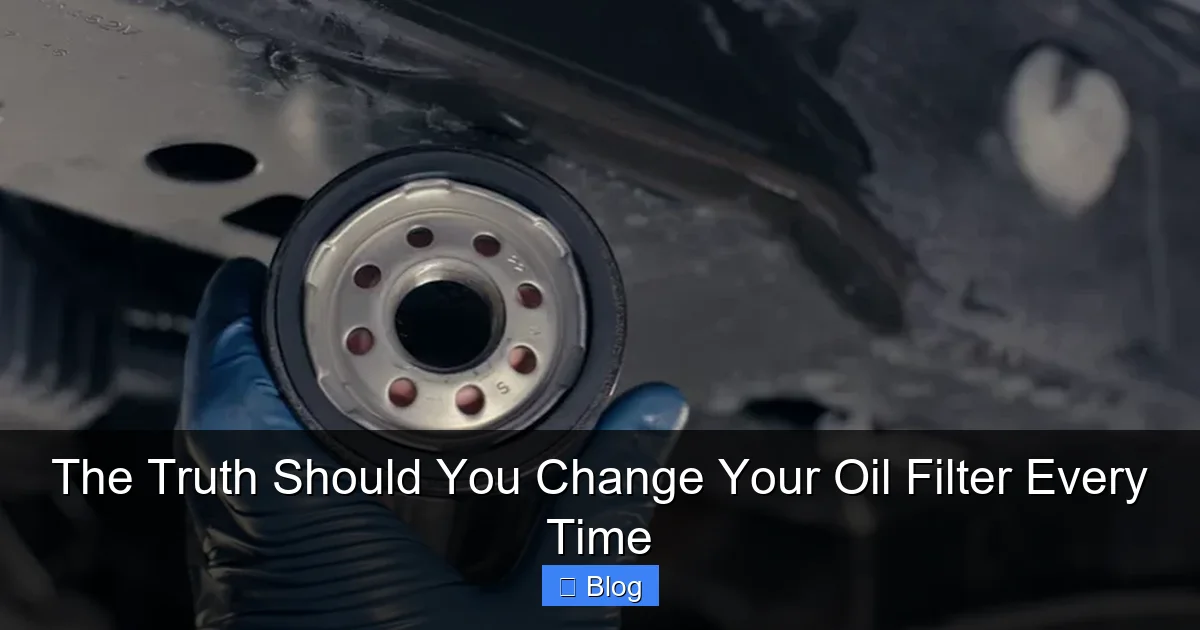
Visual guide about The Truth Should You Change Your Oil Filter Every Time
Image source: automotivewidgets.com
Why the Old Rule Isn’t Always the New Rule
However, modern automotive technology has changed the game. Engines are built with tighter tolerances, oils have become incredibly advanced (especially synthetic blends and full synthetics), and oil filters themselves are designed to last longer. This means the old “every time” rule might not always apply in every situation.
- Advanced Engine Design: Newer engines produce fewer contaminants and are generally cleaner operating.
- Superior Oil Formulations: Synthetic oils, in particular, maintain their lubricating properties for much longer and are better at suspending contaminants, meaning they don’t break down as quickly.
- Improved Oil Filters: Modern oil filters are often made with synthetic media that has a higher capacity for holding contaminants and a longer lifespan than traditional paper filters.
So, while it’s still a safe bet, it’s not the *only* bet anymore. The key is to understand the factors at play and make an informed decision.
Factors Influencing Your Oil Filter Change Schedule
Several variables come into play when deciding if you should change your oil filter with every oil change. Let’s break them down:

Visual guide about The Truth Should You Change Your Oil Filter Every Time
Image source: carfixautorepair.com
1. Your Vehicle’s Owner’s Manual
This is your Bible! Your car’s manufacturer knows your vehicle best. They’ve tested it extensively and provide specific recommendations for oil type, viscosity, and change intervals for both the oil and the oil filter. Always check this first. Some manuals might recommend changing the oil filter every other oil change, especially for vehicles using synthetic oil.
2. Type of Oil You Use
- Conventional Oil: If you’re using conventional (mineral) oil, which typically has a shorter lifespan (3,000-5,000 miles), it’s generally best practice to change the oil filter every time. The oil itself will likely be depleted and dirty enough to warrant a fresh filter.
- Synthetic Blend Oil: These oils offer improved performance over conventional oils and might allow for slightly longer intervals (5,000-7,500 miles). You might still lean towards changing the oil filter every time, but there could be exceptions.
- Full Synthetic Oil: This is where things get interesting. Full synthetic oils can last significantly longer (7,500-15,000 miles or even more, depending on the oil and vehicle). High-quality synthetic oils are designed to work with high-quality synthetic filters that can handle these extended drain intervals. In some cases, if you change your synthetic oil more frequently than the filter is rated for (e.g., changing oil at 7,500 miles, but the filter is good for 15,000 miles), you *might* be able to skip a filter change.
3. Your Driving Habits and Conditions
How and where you drive plays a huge role in how quickly your oil and oil filter accumulate contaminants:
- Severe Driving Conditions:
- Frequent short trips (under 10 miles), especially in cold weather.
- Stop-and-go city driving.
- Towing heavy loads or hauling heavy cargo.
- Driving in very dusty, dirty, or sandy environments.
- Driving in extreme hot or cold temperatures.
- Off-road driving.
If you fall into any of these categories, your engine oil and oil filter will work harder and accumulate contaminants faster. In these “severe service” conditions, it’s always wise to change your oil filter every time you change your oil, and likely change your oil more frequently than the “normal” interval.
- Normal Driving Conditions:
- Primarily highway driving.
- Regular trips of sufficient length to allow the engine to reach full operating temperature.
- Driving in moderate climates.
Under normal conditions, your oil filter might have a longer effective life, potentially allowing for extended intervals between changes.
4. The Quality of Your Oil Filter
Just like oil, oil filters aren’t all created equal. Premium oil filters, often using synthetic filtration media, offer better filtration efficiency and a higher capacity for holding contaminants. They are designed to last longer and perform better under extended drain intervals. If you’re considering extending your oil filter change interval, make sure you’re using a high-quality oil filter that’s rated for extended performance.
When to Definitely Change Your Oil Filter
While we’re discussing flexibility, there are clear situations where changing your oil filter is non-negotiable:
1. If You’re Using Conventional Oil
As mentioned, conventional oil has a shorter lifespan and generally means the oil filter will also be near its capacity by the time the oil needs changing. Play it safe and change both.
2. During Severe Driving Conditions
Extra stress on your engine means extra contaminants in your oil. An old, clogged oil filter can restrict oil flow, leading to inadequate lubrication and engine wear. Don’t take chances here.
3. If You Don’t Know When It Was Last Changed
Bought a used car? Can’t remember your last service? When in doubt, change both the oil and the oil filter. It’s cheap insurance against potential engine damage.
4. If Your Oil Life Monitor (If Equipped) Suggests an Oil Change
Modern vehicles often have sophisticated oil life monitoring systems. When this system tells you it’s time for an oil change, it’s also implicitly telling you to change the oil filter. These systems account for driving conditions and oil degradation.
5. If You Notice Any Unusual Engine Noises or Oil Pressure Issues
A severely clogged oil filter can restrict oil flow, potentially causing reduced oil pressure or unusual engine noises like ticking or knocking due to lack of lubrication. If you experience these, address them immediately, and changing the oil filter is often a first step.
Best Practices for Oil Filter Maintenance
So, how do you navigate this decision proactively? Here’s a simple game plan to ensure your oil filter maintenance is spot on.
1. Consult Your Owner’s Manual – Always!
We can’t stress this enough. It’s the definitive guide for your specific vehicle. Look for sections on “Maintenance Schedule,” “Oil Filter Replacement,” or “Lubrication System.” It will provide recommended intervals under both “normal” and “severe” driving conditions.
2. Match Your Oil Filter to Your Oil and Driving Habits
- Conventional Oil & Severe Driving: Change the oil filter *every time* you change the oil.
- Synthetic Oil & Normal Driving: You *may* be able to extend the oil filter interval to every other oil change, but only if your owner’s manual suggests it and you are using a high-quality filter rated for extended drain intervals. Even then, many experts still recommend changing the oil filter with every oil change for maximum protection.
- When in Doubt: If you’re unsure, or if your manual is vague, default to changing the oil filter with every oil change. The cost of a new oil filter is minimal compared to the cost of engine damage.
3. Invest in Quality Oil Filters
A premium oil filter can extend the life of your oil and your engine. Don’t just grab the cheapest one. Look for reputable brands known for quality filtration. Filters made with synthetic media generally offer better performance and longer life.
4. Keep a Maintenance Log
Whether it’s a small notebook in your glove box or a digital app, keeping track of your oil changes and oil filter changes is incredibly helpful. Note the date, mileage, type of oil, and type of filter used. This helps you stick to your schedule and make informed decisions.
5. Consider the “Two Oil Changes, One Filter” Approach (with Caution)
For some modern vehicles running full synthetic oil under normal driving conditions, the practice of changing the oil filter every *other* oil change (e.g., oil changed at 7,500 miles, filter at 15,000 miles) has gained traction. This only works if:
- Your owner’s manual explicitly allows for it or has longer filter intervals.
- You are using a high-quality, long-life synthetic oil filter.
- You strictly adhere to regular oil change intervals.
Even with these conditions, many mechanics still advocate for changing the oil filter every time as a simple, low-cost way to ensure peak engine health.
Troubleshooting Common Oil Filter Questions
“What if I forget to change my oil filter?”
Forgetting to change your oil filter means dirty oil continues to circulate through your engine. Over time, the filter can become so clogged that it restricts oil flow. Most oil filters have a bypass valve that will open if the filter is too clogged, allowing unfiltered oil to reach the engine. This is a safeguard against engine starvation but means dirty oil is now lubricating your engine, which can lead to accelerated wear and potential engine damage. Don’t skip it!
“Can a bad oil filter cause engine noise?”
Yes, absolutely. A severely restricted or improperly installed oil filter can cause reduced oil pressure or restrict oil flow to critical engine components. This lack of lubrication can manifest as ticking, knocking, or clattering sounds, especially at startup or under load. If you hear unusual noises after an oil change, check the oil filter and oil level first.
“What happens if I use the wrong size oil filter?”
Using the wrong size oil filter can lead to several problems. It might not seal correctly, causing oil leaks. It could be too small to provide adequate filtration, or it might restrict oil flow. Always ensure you’re using the correct OEM-specified or equivalent aftermarket oil filter for your vehicle make and model.
“Is a premium oil filter really worth the extra cost?”
Generally, yes. Premium oil filters often feature better filtration media (like synthetic blends), a higher dirt-holding capacity, and more robust construction. This means better protection for your engine and potentially a longer effective lifespan for the filter itself, especially if you’re using synthetic oil and aiming for extended drain intervals. The added cost is usually minimal compared to the engine protection it offers.
Conclusion
So, should you change your oil filter every time? The nuanced answer is: it depends. While “every time” remains the safest and most common advice, especially with conventional oils or under severe driving conditions, modern synthetic oils and advanced oil filters offer a little more flexibility.
Your ultimate guide should always be your vehicle’s owner’s manual, followed by an understanding of your driving habits and the type of oil and oil filter you’re using. When in doubt, opting to change the oil filter with every oil change is a small investment that offers significant peace of mind and robust protection for your engine. After all, a healthy engine means a happy car and many miles of smooth driving ahead!

Sagor Jahan is the founder and author of Automopromo.com, dedicated to delivering insightful tips, reviews, and updates in the automotive and promotional industry. With a passion for innovation and clear guidance, Sagor helps readers make informed decisions and stay ahead in the ever-evolving automotive world.

